Why Do I Feel Depressed in the New Year?
Understanding New Year depression: Causes, coping strategies, and when to seek help.
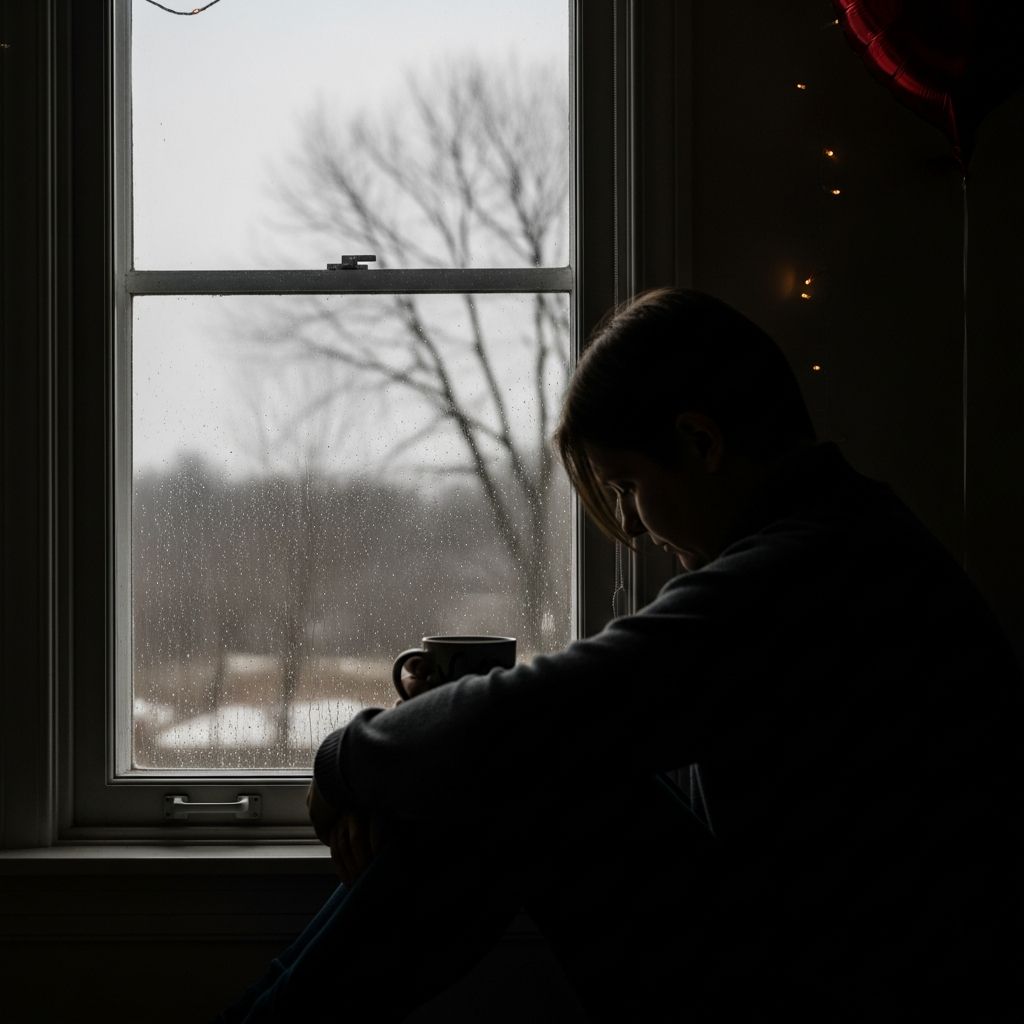
Feeling depressed in the New Year is far more common than many people realize. Although the period between Christmas and New Year is often portrayed as a time of joy and celebration, research shows that many individuals experience a significant increase in depression and anxiety symptoms during this season. If you find yourself struggling emotionally and mentally as the festive period ends, you are certainly not alone. Understanding the reasons behind these feelings is an important first step toward managing your mental health effectively.
Post-Holiday Blues
The Christmas and New Year season, while festive and social, can leave many people feeling emotionally and mentally drained. University College London has documented a sharp increase in depression and anxiety over December and January. This phenomenon, commonly referred to as “post-holiday blues” or the “New Year slump,” stems from several interconnected factors.
One of the primary reasons for post-holiday depression is the emotional let-down that follows the holiday season. After weeks of anticipation, celebrations, and social engagement, the return to routine can feel anticlimactic and deflating. Additionally, many people overspend during the festive period, and the financial implications of holiday spending can create significant stress and anxiety as bills arrive in January. The combination of emotional exhaustion and financial burden creates a perfect storm for low mood and depressive symptoms.
Seasonal Affective Disorder (SAD) and the New Year
For many individuals, the timing of the New Year presents a particular challenge. As Dr. Sandra Wheatley, a psychologist and associate fellow of the British Psychological Society, notes: “If you are vulnerable to depression, the timing of New Year is rotten. It’s the darkest period of the year, with New Year’s Day falling near to the shortest day and longest night.”
Seasonal Affective Disorder (SAD) is a type of depression characterized by a recurrent seasonal pattern, with symptoms lasting approximately 4–5 months out of the year. The winter months present unique challenges due to reduced daylight exposure and colder temperatures. These environmental factors can significantly impact mood, energy levels, and overall mental well-being, particularly for individuals with a genetic predisposition to depression or SAD.
Beyond psychotherapy and traditional medications, there are targeted treatment options available for SAD sufferers, including morning phototherapy using 10,000 lux light exposure, which can help regulate circadian rhythms and improve mood.
Reflection and New Year Resolutions
The New Year is traditionally a time for reflection and goal-setting. While this can be a positive practice, it also comes with significant psychological pressure. People are encouraged to take stock of the past year, evaluate their achievements, and establish ambitious resolutions for the year ahead. This combination of high expectations, self-assessment, and pressure to change can take a considerable physical and mental toll.
When reflecting on the past year, many people focus on what they didn’t accomplish rather than celebrating their achievements. This tendency to measure success against an internal standard—or worse, against the perceived success of others—can be deeply upsetting and stressful. The pressure to set new goals, whether fitness-related or otherwise, can feel overwhelming and unattainable.
Related Stories



Furthermore, the concept of “New Year, New You” can be problematic for mental health. While reinventing yourself in the new year may seem positive on the surface, unrealistic expectations about personal transformation can actually negatively affect your mental health. Research shows that unrealistic goals and the pressure to achieve them can lead to feelings of failure and inadequacy when progress doesn’t match expectations.
Holiday Season Stress and Exhaustion
While social isolation can leave people feeling lonely, the opposite scenario—a calendar filled with social obligations—can also negatively impact mental health. The holiday season often involves a relentless string of Christmas and New Year social events, family gatherings, and work parties. Although socializing is generally beneficial for mental health, excessive social demands during the holiday season can lead to what is commonly called “Christmas burnout.”
This exhaustion manifests in multiple ways. Shopping for gifts, preparing meals, and attending numerous events can feel overwhelming. The financial pressure to spend on gifts and celebrations adds an additional layer of anxiety. Combined with the disruption to regular sleep and eating patterns during the holidays, people often enter January feeling physically and mentally depleted. This state of exhaustion makes the brain more vulnerable to depression and anxiety.
The Role of Alcohol
Alcohol plays a significant, often underestimated role in New Year depression. Drinking is deeply embedded in festive culture, from family gatherings to Christmas work parties. Research indicates that one-third of people feel social pressure from peers to drink during these celebrations.
However, heavy drinking during the holiday season can have serious consequences for mental health. As Dr. Wheatley warns: “Alcohol is not an ideal drug for those who have a tendency toward depression or anxiety as it can make these feelings much worse.” Alcohol disrupts sleep patterns, and continuous heavy drinking leads to persistent tiredness, which in turn feeds into mental exhaustion.
For many people—not just those with pre-existing vulnerability to mental health conditions—excessive alcohol consumption during the holidays can lead to physical and mental exhaustion. Entering January absolutely exhausted makes anxiety and depression a much more likely outcome. The depressant effects of alcohol combined with physical fatigue create a particularly challenging situation for mental health.
Loneliness and Social Isolation
Despite the social nature of the holiday season, many people experience profound loneliness during this time. For those who are isolated, living far from family, experiencing relationship difficulties, or lacking strong social connections, the emphasis on togetherness and family celebrations can intensify feelings of disconnection and sadness.
Social isolation during the New Year period is compounded by colder weather and shorter daylight hours, which naturally reduce opportunities for outdoor social activities. This isolation can lead to decreased physical activity, limited social support systems, and increased rumination on negative thoughts—all risk factors for depression.
Grief and Loss During the Holidays
The Christmas and New Year period is traditionally framed as a time of coming together and family connection. While this message is positive and well-intentioned, it is particularly challenging for those dealing with the loss of a loved one. The traditions, memories, and expectations associated with the season can make grief feel all the more consuming and overwhelming.
The emotional intensity of grief is often underestimated during the holidays. For people in bereavement, the pressure to participate in family traditions and celebrations while managing profound loss creates an internal conflict that can be extremely distressing. Additionally, facing a whole new year when dealing with grief can feel hugely upsetting and overwhelming.
While people going through bereavement are generally encouraged to process their emotions day by day, the New Year encourages everyone to reflect on their lives—examining the past year and planning for the year ahead. Unfortunately, this perspective-shifting exercise can make dealing with loss much harder to process, as grief may feel incompatible with the forward-looking focus of New Year traditions.
Recognizing Clinical Depression
While the “New Year blues” is a common experience for many, it’s important to distinguish between temporary sadness and clinical depression. Major depressive disorder is a mood disorder characterized by persistent feelings of sadness, low energy, lack of motivation, sleep and appetite changes, and thoughts of worthlessness.
Clinicians recognize that there is no official diagnosis for “New Year’s Depression,” but many of the symptoms observed during this time can be associated with holiday stress, anticipatory anxiety, and underlying mental health conditions. Assessing for underlying major depressive disorder, bipolar affective disorder, anxiety disorders, and substance use disorders is clinically important for anyone exhibiting hallmark signs of depression. A diagnostic work-up and treatment plan for those meeting DSM-5 criteria is appropriate regardless of season.
If you are experiencing moderate or severe symptoms of depressive disorder or feeling significantly depressed after New Year’s, it is important to reach out to a mental health professional. Those with depression and SAD may benefit from speaking to a psychiatrist about prescription medications such as antidepressants or mood stabilizers.
Practical Strategies to Manage New Year Depression
While preventative measures before and during the New Year may work for many people experiencing mild symptoms, others may need professional psychiatric support. However, several evidence-based strategies can help protect and support your mental health:
- Set realistic resolutions and goals: Rather than attempting dramatic life transformations, focus on achievable, incremental changes that align with your values and current capacity.
- Establish mental health-specific goals: Include objectives that directly support your well-being, such as scheduling regular therapy sessions or practicing mindfulness.
- Focus on your achievements: Instead of dwelling on what you didn’t accomplish, actively reflect on and celebrate your wins from the past year, no matter how small they may seem.
- Limit social media exposure: Avoid comparing your life and progress to others, which can amplify feelings of inadequacy and failure.
- Maintain social connections: Engage with friends and family, even virtually, as social activities can prevent depressive symptoms and provide essential support systems.
- Prioritize sleep and exercise: Establish healthy sleep patterns, maintain regular physical activity, and eat a balanced diet, particularly in colder, darker climates where these practices are often disrupted.
- Limit alcohol consumption: Be mindful of drinking habits during and after the holiday season to protect your mental health.
- Consider light therapy: If you suspect seasonal affective disorder, morning exposure to 10,000 lux light can be beneficial.
When to Seek Professional Help
While many people experience temporary sadness during the New Year transition, some individuals may need more concrete professional psychiatric help to manage their depression during this time. It is important to identify behavioral health disorders as quickly as possible in order to treat them effectively.
Consider reaching out to a mental health professional if you experience:
- Persistent sadness or emptiness lasting more than two weeks
- Loss of interest in activities you normally enjoy
- Significant changes in sleep or appetite
- Difficulty concentrating or making decisions
- Feelings of worthlessness or guilt
- Thoughts of self-harm or suicide
Frequently Asked Questions
Q: Is New Year depression a recognized medical condition?
A: While there is no official diagnosis called “New Year’s Depression,” the symptoms people experience during this time are real and can be associated with clinical depression, seasonal affective disorder, anxiety, or situational stress. Healthcare providers can assess and treat these conditions appropriately.
Q: Why is the New Year particularly difficult for people with depression?
A: The timing of New Year coincides with the darkest period of the year, with reduced daylight exposure affecting mood. Additionally, the pressure to reflect on the past and set new goals, combined with holiday-related stress and exhaustion, creates a perfect storm for depression in vulnerable individuals.
Q: Can New Year resolutions actually make depression worse?
A: Yes, unrealistic expectations and the pressure to achieve ambitious resolutions can lead to feelings of failure and inadequacy, particularly if progress doesn’t match expectations. The “New Year, New You” concept can be psychologically harmful for those struggling with depression.
Q: How can I distinguish between normal sadness and clinical depression?
A: Clinical depression involves persistent symptoms lasting weeks or longer, including persistent sadness, loss of interest in activities, changes in sleep or appetite, difficulty concentrating, and feelings of worthlessness. If you experience these symptoms, consult a mental health professional.
Q: What is the best treatment for seasonal affective disorder?
A: Treatment options include psychotherapy, medications such as antidepressants, and light therapy. Morning exposure to 10,000 lux light is a targeted, evidence-based treatment specifically effective for SAD.
Q: Should I avoid making New Year resolutions if I have depression?
A: Rather than avoiding resolutions entirely, focus on making mental health a priority. Set realistic, achievable goals that support your well-being, and consider including mental health objectives such as therapy sessions or stress-management practices.
References
- How to Navigate and Treat ‘New Year Depression’ in Your Patients — Psychiatric Times. 2024. https://www.psychiatrictimes.com/view/how-to-navigate-and-treat-new-year-depression-in-your-patients
- Why do I feel depressed in the New Year? — Patient.info. https://patient.info/features/mental-health/why-do-i-feel-depressed-in-the-new-year
- New Year’s, Depression, and Anxiety — Associated Clinic of Psychology. 2024. https://acp-mn.com/about-acp/blog/new-years-depression-and-anxiety/
- Seasonal Affective Disorder — National Institute of Mental Health (NIMH), National Institutes of Health. 2024. https://www.nimh.nih.gov/health/publications/seasonal-affective-disorder
- What Is Depression? — American Psychiatric Association. 2024. https://www.psychiatry.org/patients-families/depression/what-is-depression
Similar Articles








Read full bio of Sneha Tete