Why Your Gums Are So Important to Your Health
Discover the critical link between gum disease and heart health, and why oral care matters for your entire body.
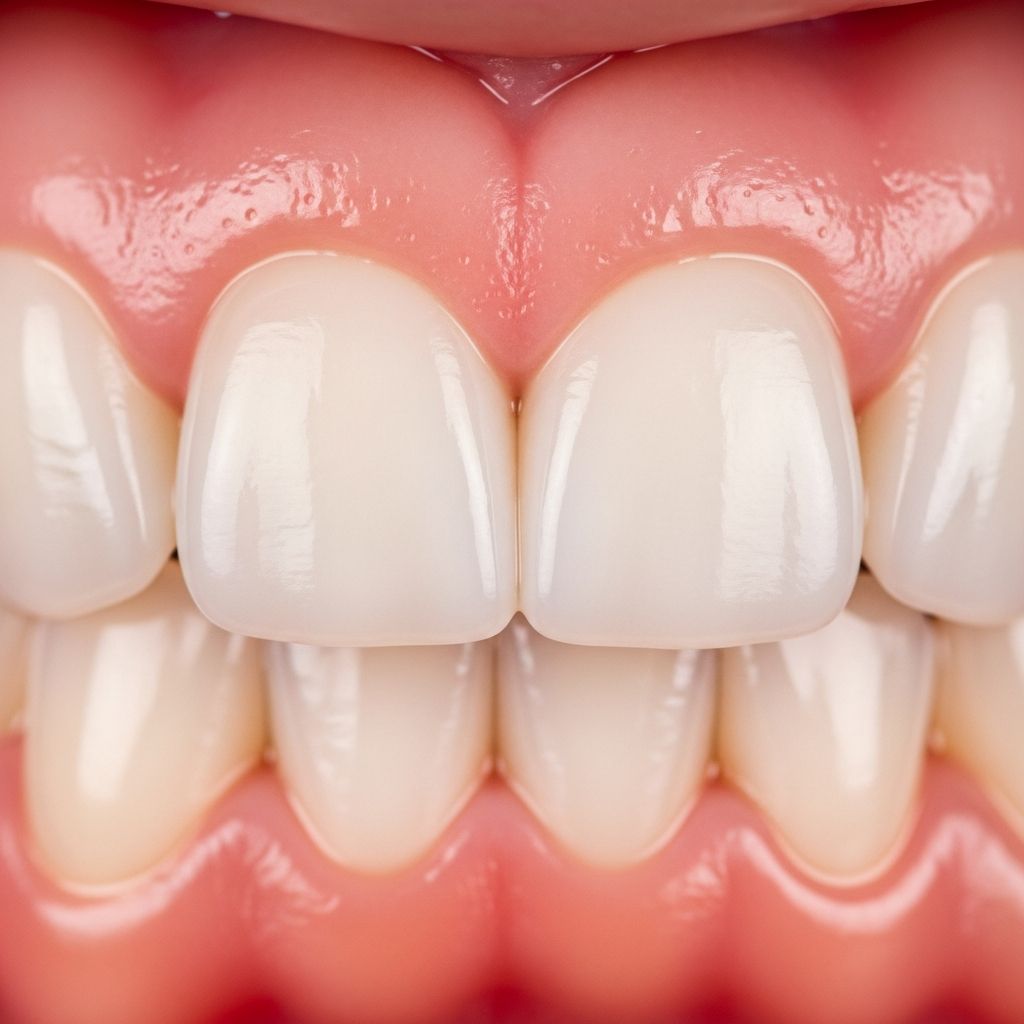
Most people think of dental health as primarily affecting their teeth and smile, but the reality is far more significant. Your gums play a crucial role in your overall health, with mounting scientific evidence demonstrating a direct connection between gum disease and serious systemic conditions, particularly heart disease. What happens in your mouth doesn’t stay in your mouth—it has profound implications for your entire cardiovascular system and general well-being.
Gum disease, medically known as periodontal disease, affects millions of people worldwide. However, its impact extends well beyond the confines of your oral cavity. Research from Harvard Health and other leading medical institutions has revealed that the health of your gums is intricately connected to the health of your heart and blood vessels. Understanding this relationship is not merely an academic exercise; it’s essential knowledge that could literally save your life.
The Connection Between Gum Disease and Heart Health
The link between gum disease and cardiovascular disease has been established through decades of rigorous scientific research. According to Harvard Health research, people with periodontal (gum) disease have two to three times the risk of having a heart attack, stroke, or other serious cardiovascular event. This striking statistic underscores the importance of taking gum health seriously.
The relationship between gum disease and cardiovascular disease operates through several interconnected mechanisms. When bacteria accumulate in your mouth and cause gum inflammation, these harmful organisms don’t simply remain localized to your oral tissues. Instead, they can enter your bloodstream, particularly through damaged or inflamed gum tissue. Once in circulation, these bacteria trigger inflammatory responses throughout your body, specifically affecting your blood vessels and contributing to atherosclerosis—the buildup of plaque in arteries.
Researchers at Harvard’s Forsyth Institute have identified that having gum disease increases inflammation in your body. We know increased inflammation is likely linked to cardiovascular disease and other systemic conditions. The bacterial endotoxins released during gum disease can stimulate the production of inflammatory markers such as C-reactive protein, which are themselves risk factors for heart disease and stroke.
How Oral Bacteria Affects Your Cardiovascular System
The mechanisms by which oral bacteria contributes to heart disease are multifaceted and complex. Several pathways explain how poor oral health translates into cardiovascular risk:
Direct Bacterial Invasion
Pathogenic bacteria from your mouth can directly invade your bloodstream through diseased gum tissue. Once in circulation, these bacteria can travel to your heart and blood vessels, potentially causing endocarditis (inflammation of the heart’s inner lining) or exacerbating existing cardiovascular conditions. The bacteria produce endotoxins that trigger immune responses leading to vascular inflammation.
Systemic Inflammation Response
Your body’s immune response to oral bacteria triggers a cascade of inflammatory reactions throughout your system. This chronic inflammation damages the delicate endothelial cells that line your blood vessels, making them more susceptible to plaque accumulation and thrombosis (blood clot formation). The inflammatory markers released during gum disease remain elevated even after the initial infection, creating a persistent state of cardiovascular vulnerability.
Shared Risk Factors
It’s important to note that gum disease and heart disease share common risk factors, which may partially explain their association. Smoking, for instance, weakens the immune system’s response to oral bacteria while simultaneously contributing significantly to cardiovascular disease. Diabetes, obesity, poor nutrition, and sedentary lifestyles all increase susceptibility to both conditions, creating a compounding effect on health.
Related Stories



Recognizing the Symptoms of Gum Disease
Early detection of gum disease is critical for preventing serious health complications. Understanding the warning signs allows you to seek professional care before the condition progresses to advanced stages.
Common Symptoms Include:
- Bleeding gums, especially after brushing or flossing
- Persistent bad breath that doesn’t improve with oral hygiene
- Swollen, tender, or red gums
- Receding gums that make teeth appear longer
- Loose or shifting teeth
- Changes in how your bite feels
- Discomfort when chewing
If you notice any of these symptoms, schedule a dental appointment promptly. Early intervention can prevent progression from gingivitis (the mildest form of gum disease) to periodontitis (advanced gum disease with bone loss).
Risk Factors for Gum and Heart Disease
Several factors increase your susceptibility to both gum disease and cardiovascular complications. Awareness of these risk factors empowers you to take preventive action:
Smoking and Tobacco Use
Tobacco use is perhaps the most significant modifiable risk factor for both conditions. Smoking impairs your immune system’s ability to fight oral bacteria, worsens gum inflammation, and directly damages blood vessels, increasing cardiovascular risk exponentially.
Diabetes
Individuals with diabetes face heightened risk for both gum disease and cardiovascular complications. High blood sugar levels create an environment where bacteria thrive more easily, worsening gum disease, while oral infections make blood sugar control more difficult. This creates a vicious cycle that requires careful management of both conditions.
Obesity
Excess body fat promotes systemic inflammation and insulin resistance, both contributing to gum disease and heart disease development.
Poor Nutrition
A diet high in sugar, unhealthy fats, and processed foods fuels bacterial growth in your mouth while simultaneously increasing cardiovascular disease risk.
Genetic Predisposition
Some individuals are genetically predisposed to both gum disease and cardiovascular disease, making preventive measures even more critical.
Limited Access to Healthcare
Poor health habits stemming from inadequate access to quality healthcare increase risk for both conditions.
The Special Case: Gum Disease and Diabetes
The relationship between gum disease and diabetes deserves special attention. According to research from Harvard Public Health, diabetes and oral health are inextricably linked, though we don’t fully understand all the mechanisms involved. The National Institutes of Health noted in 2020 that oral health is fundamentally connected to numerous health conditions, including diabetes, transforming gum disease from a local oral disorder to a systemic disease with significant general health implications.
People with diabetes face increased risk for oral infections, and recent research suggests that gum disease may actually increase one’s risk of developing diabetes. This bidirectional relationship means that improving oral health could be helpful for both managing and preventing diabetes, yet we still lack comprehensive data on the specific role dental providers should play in diabetes management and prevention.
Preventive Care: Your Best Defense
The most effective strategy for protecting both your oral health and cardiovascular system is adopting a comprehensive preventive care approach. Prevention is significantly more effective and less costly than treating advanced disease.
Daily Oral Hygiene Practices
Brushing twice daily: Use a soft-bristled toothbrush with fluoride toothpaste. Brush for at least two minutes, ensuring you clean all tooth surfaces and your gumline gently.
Flossing daily: Flossing removes plaque and food particles between teeth where your toothbrush cannot reach. This step is essential for preventing gum disease and should not be neglected.
Using antibacterial mouthwash: Rinsing with an antibacterial mouthwash helps reduce harmful bacteria in your mouth, providing additional protection against gum disease.
Professional Dental Care
Schedule regular dental checkups at least twice yearly, or more frequently if you have risk factors for gum disease. Professional cleanings remove tartar buildup that cannot be eliminated through home care alone. Your dentist can detect early signs of gum disease and intervene before the condition progresses.
Lifestyle Modifications
Quit smoking if you use tobacco products. Maintain a healthy diet rich in fruits, vegetables, and lean proteins while limiting sugar and processed foods. Exercise regularly and maintain a healthy weight. Manage stress through meditation, yoga, or other relaxation techniques. Control blood sugar if you have diabetes. These lifestyle changes benefit both your oral and cardiovascular health.
Treatment Options for Gum Disease
If you have been diagnosed with gum disease, several treatment options are available depending on the severity of the condition:
Mild to Moderate Gum Disease
Professional deep cleaning (scaling and root planing) removes plaque and tartar from below the gumline. This non-surgical procedure is often highly effective when combined with improved home oral hygiene.
Advanced Gum Disease
Severe periodontitis may require surgical intervention, including flap surgery, bone grafting, or guided tissue regeneration. Antibiotics may be prescribed to control bacterial infection.
Ongoing Management
Once treated, gum disease requires ongoing professional maintenance and excellent home care to prevent recurrence. Your dentist will establish a personalized maintenance schedule based on your condition.
The Broader Impact of Oral Health on Overall Wellness
Beyond cardiovascular health, your oral health affects numerous other body systems. Research has shown that gum inflammation raises the risk for lung disease, blood vessel blockage, and strokes. Losing teeth due to gum disease impairs your ability to eat a healthy diet, potentially leading to malnutrition and associated health problems. Good oral health practices that prevent tooth loss enable you to maintain proper nutrition throughout your life, supporting overall health and longevity.
Frequently Asked Questions
Q: Can gum disease directly cause heart disease?
A: While the exact causal relationship is not completely understood, research clearly demonstrates that gum disease significantly increases the risk of heart disease and stroke. The mechanisms likely involve bacterial invasion of the bloodstream and chronic systemic inflammation.
Q: How often should I visit the dentist?
A: Most people should visit their dentist at least twice yearly for checkups and cleanings. However, if you have gum disease, diabetes, or other risk factors, your dentist may recommend more frequent visits.
Q: Is gum disease reversible?
A: Gingivitis (early gum disease) is reversible with improved oral hygiene and professional treatment. However, periodontitis (advanced gum disease) causes permanent bone loss and requires ongoing management to prevent further deterioration.
Q: What should I do if I notice symptoms of gum disease?
A: Contact your dentist immediately. Early intervention can prevent progression to advanced periodontitis and reduce your risk of associated cardiovascular complications.
Q: Can I reduce my heart disease risk by improving my oral health?
A: Yes. While improving oral health alone doesn’t eliminate all cardiovascular risk, treating and preventing gum disease is an important part of a comprehensive heart disease prevention strategy.
Conclusion: Taking Action for Your Health
Your gums are more important to your health than most people realize. The connection between oral health and cardiovascular disease is well-established, and the implications are significant. By prioritizing gum health through daily oral hygiene, regular professional care, and lifestyle modifications, you take a meaningful step toward protecting not just your smile, but your entire cardiovascular system and overall well-being.
The investment in preventive dental care yields tremendous returns in the form of better health outcomes and reduced risk of life-threatening conditions. Don’t wait until you experience symptoms of gum disease or heart problems. Start today by adopting excellent oral hygiene habits and scheduling regular dental appointments. Your heart will thank you.
References
- The Link Between Gum Disease and Heart Health: What Harvard Research Reveals — Complete Dental Care AZ. 2025. https://completedentalcareaz.com/blog/the-link-between-gum-disease-and-heart-health-what-harvard-research-reveals/
- What is the link between gum disease and heart disease according to Harvard Health — Times of India. 2024. https://timesofindia.indiatimes.com/life-style/health-fitness/health-news/what-is-the-link-between-gum-disease-and-heart-disease-according-to-harvard-health/articleshow/122378880.cms
- Oral Health and Heart Health – What’s the Connection — Omaha Dentists. 2024. https://omahadentists.net/blog/oral-health-and-heart-health-whats-the-connection/
- Diabetes and oral health are linked—but we need more data — Harvard Public Health. 2024. https://harvardpublichealth.org/policy-practice/diabetes-and-oral-health-are-linked-but-we-need-more-data/
- How Oral Health Impacts Your Life — Harvard Square Dental Care. 2024. https://harvardsquaredentalcare.ca/press/how-oral-health-impacts-your-life/
- The Senior’s Guide to Dental Care — BENEFEDS.com. 2024. https://www.benefeds.gov/wellness/the-seniors-guide-to-dental-care
Similar Articles








Read full bio of medha deb