Cold Hands And Feet: 12 Practical Solutions To Warm Extremities
Discover the medical reasons behind cold extremities and effective strategies to warm up.
Why Your Hands and Feet Are Always Cold: Understanding the Science
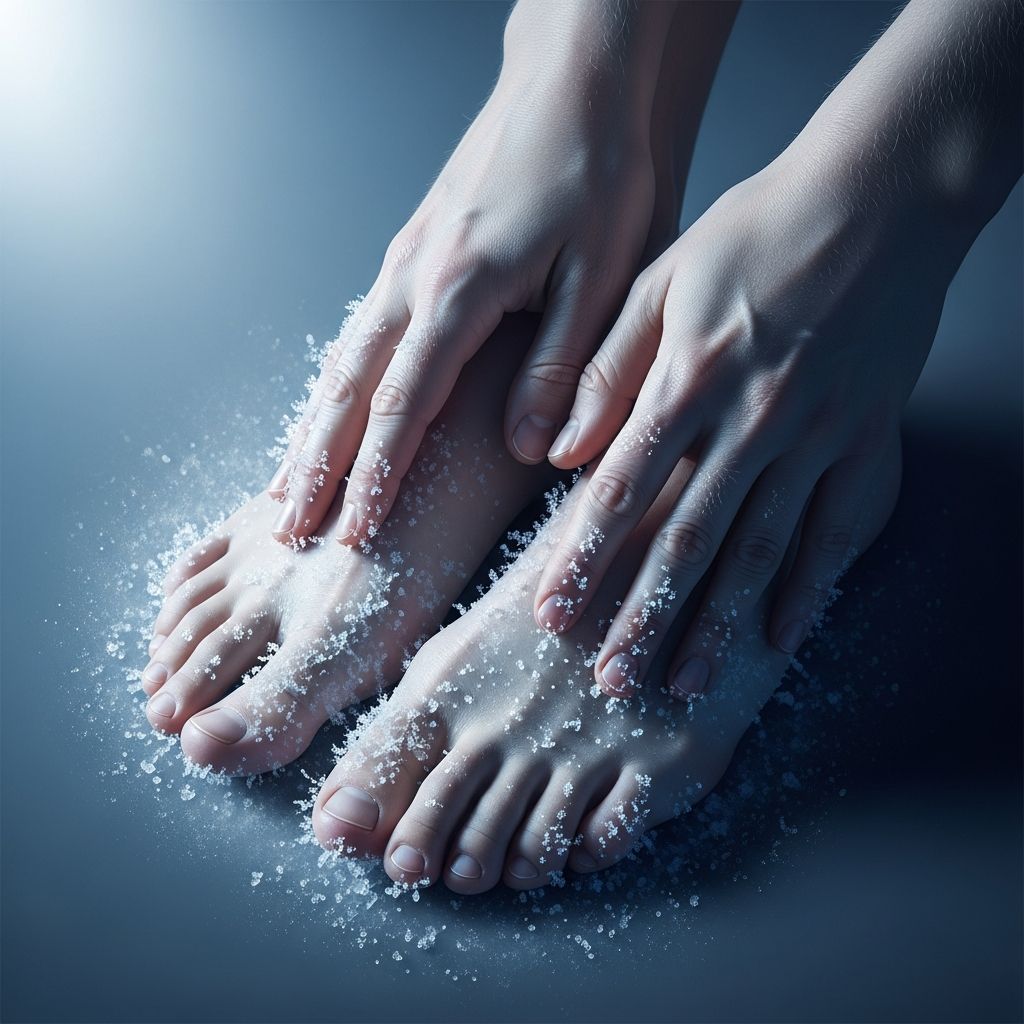
Cold hands and feet are an incredibly common complaint, particularly during winter months, but for many people, this problem persists year-round. While most people assume that cold extremities are simply an inconvenience or a sign that someone feels chilly, the reality is that chronically cold hands and feet can indicate underlying physiological issues that deserve attention. Understanding why your extremities remain cold is the first step toward finding an effective solution.
The body has a sophisticated system for regulating temperature and maintaining core warmth. When exposed to cold environments, your autonomic nervous system—an involuntary control system—triggers a protective response. Blood vessels in your hands and feet constrict, a process called vasoconstriction, which reduces blood flow to these areas. This happens because your body prioritizes keeping vital organs warm by pooling blood in the central core rather than distributing it to the extremities. While this response is natural and protective in genuinely cold conditions, some people experience this vasoconstriction even in normal or warm environments, leading to persistently cold hands and feet.
The Role of Blood Circulation in Temperature Regulation
One of the primary reasons your hands and feet feel cold is related to blood circulation. Poor circulation is the most common culprit behind chronically cold extremities. When blood flow to your hands and feet is reduced, they receive less warm blood from your core, making them feel persistently cold. This can occur due to several circulatory conditions.
Peripheral artery disease (PAD) is one significant condition affecting circulation. In PAD, arteries narrow due to plaque buildup, reducing blood flow to the limbs. According to cardiovascular research, PAD affects millions of Americans, particularly those over 60 years of age. When arteries become narrower, the heart must work harder to pump blood to the extremities, often resulting in insufficient warm blood reaching the hands and feet.
Beyond structural arterial problems, stress and anxiety can also negatively impact circulation. The autonomic nervous system responds to stress by constricting blood vessels, diverting blood away from the extremities as part of the “fight or flight” response. This means that people under chronic stress may experience cold hands and feet more frequently, even in neutral temperature environments. Managing stress through relaxation techniques, exercise, and lifestyle modifications can help improve circulation and reduce symptoms.
Metabolic and Hormonal Factors
Your thyroid gland plays a crucial role in regulating metabolism and heat production throughout your body. Think of it as your body’s internal thermostat. When thyroid function is compromised, your entire temperature regulation system can be affected.
Hypothyroidism, or an underactive thyroid, is a leading medical cause of cold intolerance affecting a significant portion of the population. When your thyroid doesn’t produce enough hormones, your metabolism slows down considerably, reducing your body’s ability to generate heat. This metabolic slowdown affects your entire body, but the effects are especially noticeable in your hands and feet because these extremities are furthest from your vital organs and have a high surface area relative to their volume, making them lose heat more readily.
If you experience cold extremities along with other symptoms such as fatigue, weight gain, dry skin, or thinning hair, thyroid dysfunction may be worth investigating with your healthcare provider through a simple blood test.
Related Stories



Nutritional Deficiencies and Their Impact
Several nutritional deficiencies can contribute to cold hands and feet by affecting your body’s ability to maintain proper circulation and generate heat.
Anemia and iron deficiency are particularly common causes. Red blood cells carry oxygen throughout your body, and when you don’t have enough healthy red blood cells or sufficient hemoglobin, your tissues don’t receive adequate oxygen. This oxygen deficiency makes you feel cold, especially in your extremities where blood flow may already be reduced. Iron-deficiency anemia is particularly prevalent in women of childbearing age due to menstrual blood loss, making it an important consideration for anyone experiencing persistent cold extremities.
Vitamin B12 deficiency is another nutritional factor worth considering. B12 is essential for proper nervous system function and red blood cell formation. Without adequate B12, your body struggles to maintain healthy circulation and proper nerve function, both of which contribute to temperature regulation in your extremities. Vegetarians and vegans are at higher risk for B12 deficiency since this vitamin is primarily found in animal products.
Ensuring adequate intake of iron-rich foods, B12 sources, and other essential nutrients can help support better circulation and temperature regulation. If you suspect a nutritional deficiency, blood tests can confirm this and guide supplementation strategies.
Raynaud’s Phenomenon: When Cold Response Goes Wrong
Some people have a condition called Raynaud’s phenomenon, where exposure to cold temperatures or high stress causes them to experience significantly limited blood circulation in their fingers and toes. During a Raynaud’s episode, affected fingers may turn white, then blue, then red as blood flow gradually returns. These episodes can be painful and uncomfortable.
Raynaud’s phenomenon occurs when blood vessels in the extremities overreact to cold exposure or emotional stress by constricting more severely than normal. This excessive vasoconstriction is more pronounced than the typical protective response most people experience. While Raynaud’s is more common in women and people living in colder climates, it can affect anyone.
Primary Raynaud’s occurs without an underlying disease, while secondary Raynaud’s is associated with autoimmune conditions like lupus or scleroderma. If you experience severe color changes, pain, or persistent symptoms, medical evaluation is important to determine whether secondary Raynaud’s is present and requires treatment.
Other Medical Conditions Contributing to Cold Extremities
Beyond the conditions already discussed, several other medical issues can cause or contribute to cold hands and feet:
- Anorexia nervosa and eating disorders: Severe nutritional deficiency and low body weight reduce the body’s ability to generate heat
- Diabetes: Can cause nerve damage (neuropathy) affecting sensation and temperature regulation in extremities
- Lupus and other autoimmune diseases: Can affect blood vessels and circulation
- Vitamin deficiencies: Beyond B12, deficiencies in other vitamins can impair circulation and metabolism
- Smoking: Damages blood vessels and reduces circulation throughout the body
- Caffeine and stimulant overuse: Can cause temporary vasoconstriction
If your cold extremities persist despite home remedies, or if they’re accompanied by other symptoms, consulting a healthcare provider is important to rule out underlying medical conditions.
Practical Solutions for Cold Hands and Feet
Once you understand the cause of your cold extremities, several strategies can help improve your symptoms:
Lifestyle Modifications
- Stay active: Regular physical activity improves circulation throughout your body. Exercise increases heart rate and blood flow, helping warm your extremities. Even moderate activities like walking, swimming, or cycling can make a significant difference
- Manage stress: Practice relaxation techniques such as deep breathing, meditation, yoga, or progressive muscle relaxation to reduce stress-induced vasoconstriction
- Maintain a healthful diet: Eat iron-rich foods, B12 sources, and foods containing omega-3 fatty acids to support healthy circulation
- Stay hydrated: Proper hydration supports optimal blood viscosity and circulation
- Avoid smoking: Smoking damages blood vessels and impairs circulation, so quitting can significantly improve symptoms
- Limit caffeine: While occasional caffeine is fine, excessive intake can cause temporary blood vessel constriction
Protective Measures and Warming Strategies
- Wear appropriate clothing: Invest in quality thermal gloves, socks, and layers designed for cold weather. Choose materials that trap heat effectively
- Use heating aids: Microwaveable gel packs that you can hold or place in pockets provide portable warmth. Specialized heated gloves with battery-powered heating elements are also available
- Keep extremities dry: Moisture accelerates heat loss, so dry your hands and feet promptly
- Avoid prolonged cold exposure: Limit time in cold environments and take breaks to warm up
- Use heating pads: Apply heating pads to hands and feet during cold periods for therapeutic warmth
- Take warm baths or showers: Immersing your extremities in warm (not hot) water helps restore circulation
When to Seek Medical Attention
While many cases of cold hands and feet can be managed with home remedies and lifestyle changes, certain warning signs warrant professional medical evaluation:
- Permanent discoloration: Persistent color changes in your fingertips or toenails that don’t return to normal
- Severe or persistent pain: Pain that interferes with daily activities or doesn’t improve with warming
- Open sores or ulcers: Any breaks in the skin that won’t heal
- Signs of infection: Swelling, warmth, or discharge from affected areas
- Symptoms accompanied by other health changes: Cold extremities combined with weight changes, fatigue, or other systemic symptoms
- Sudden onset: Abrupt development of severe cold extremities without obvious environmental cause
Your healthcare provider can perform appropriate tests to identify underlying causes and recommend targeted treatment strategies. In some cases, medication may be prescribed to improve circulation or manage conditions like Raynaud’s phenomenon.
Treatment Options for Persistent Cases
When lifestyle modifications and home remedies aren’t sufficient, several medical treatments may help:
- Medications for Raynaud’s: Calcium channel blockers or other vasodilators prescribed by doctors can help manage severe Raynaud’s symptoms
- Thyroid hormone replacement: If hypothyroidism is diagnosed, thyroid hormone supplementation can restore normal metabolism and heat production
- Iron supplementation: For confirmed iron-deficiency anemia, supplementation improves oxygen carrying capacity
- Vitamin B12 supplementation: Whether through oral supplements or injections, B12 supplementation addresses this deficiency
- Circulation-improving medications: For peripheral artery disease or other circulatory conditions, medications may help improve blood flow
Frequently Asked Questions (FAQs)
Q: Are cold hands and feet dangerous?
A: Mild cold hands and feet are usually not dangerous, but severe cases or those accompanied by discoloration, pain, or open sores may indicate serious circulatory problems requiring medical attention.
Q: Can stress actually make my hands and feet cold?
A: Yes, stress triggers the autonomic nervous system to constrict blood vessels in extremities as part of the “fight or flight” response, reducing blood flow and causing cold sensations.
Q: How long does it take for lifestyle changes to improve cold extremities?
A: Some improvements may be noticed within weeks, but significant changes typically require 2-3 months of consistent exercise, stress management, and dietary improvements.
Q: Is cold intolerance a sign of a serious medical condition?
A: Cold intolerance can indicate conditions like hypothyroidism or anemia, but it may also simply reflect individual sensitivity to cold. Medical evaluation helps determine whether an underlying condition exists.
Q: Are there natural remedies for cold hands and feet?
A: Yes, natural approaches include staying active, managing stress, eating iron-rich foods, staying hydrated, and using warming techniques like heating pads and warm baths.
Q: Should I be concerned if only one hand or foot is cold?
A: Asymmetrical cold extremities may suggest localized circulation problems or nerve damage and warrant medical evaluation to rule out serious conditions.
References
- Cold feet: Causes and remedies — Medical News Today. Retrieved from https://www.medicalnewstoday.com/articles/320327
- Responses of the hands and feet to cold exposure — PubMed Central (National Center for Biotechnology Information). Retrieved from https://www.ncbi.nlm.nih.gov/pmc/articles/PMC4843861/
- The warnings signs of cold hands and feet you should never ignore — The Independent. Retrieved from https://www.independent.co.uk/life-style/health-and-families/cold-hands-feet-raynauds-syndrome-symptoms-signs-b2895198.html
- Why are my hands and feet always cold? | Common Medical Causes — SiPhox Health. Retrieved from https://siphoxhealth.com/articles/why-are-my-hands-and-feet-always-cold
- Peripheral Artery Disease (PAD) Facts — American Heart Association. Retrieved from https://www.heart.org
Similar Articles








Read full bio of Sneha Tete