Why Indoor Tanning Remains Legal Despite Cancer Risk
Understanding the regulatory gap: Why tanning beds persist despite proven carcinogenic effects.
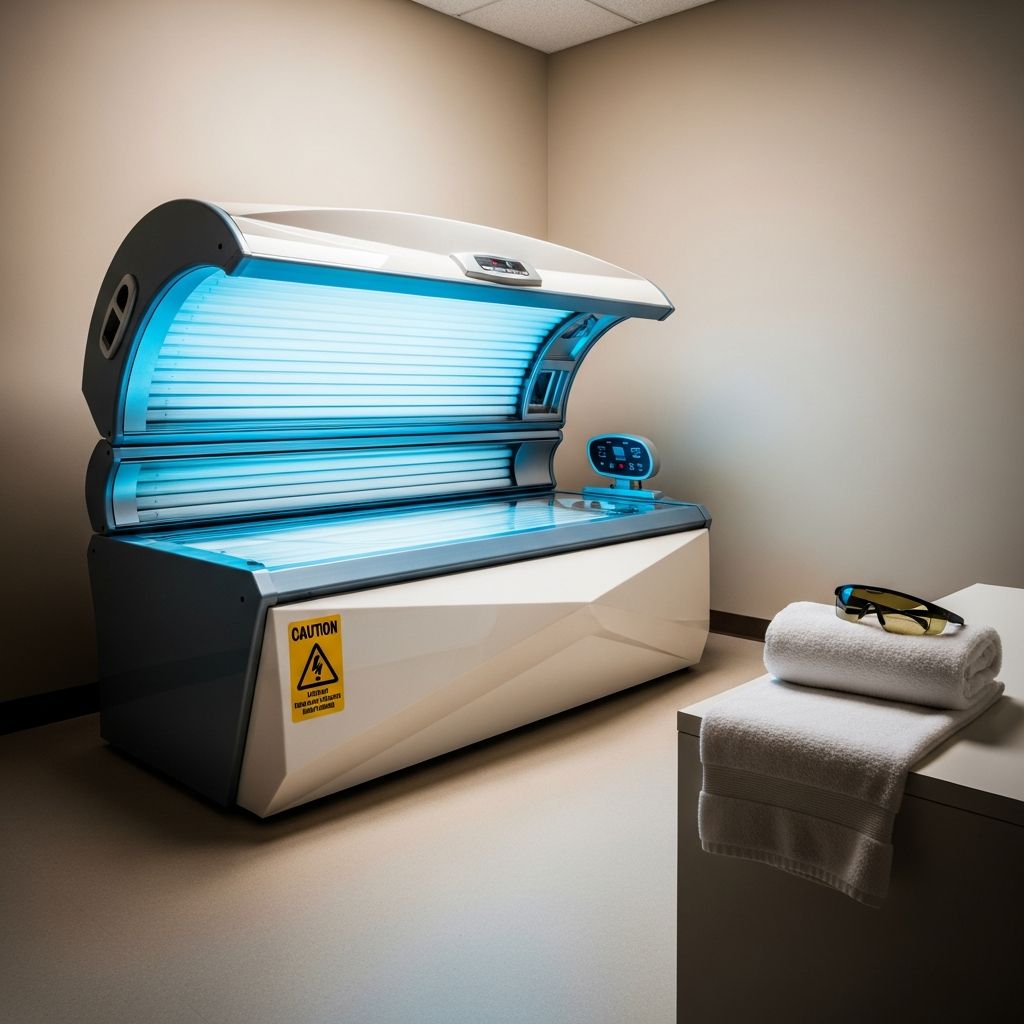
Why Is Indoor Tanning Still Legal When We Know It Causes Skin Cancer?
Indoor tanning remains a legal industry in many parts of the United States despite overwhelming scientific evidence demonstrating its carcinogenic properties. This paradox raises important questions about regulatory frameworks, public health policy, and the protection of vulnerable populations. The answer involves a complex interplay of federal hesitation, state-level governance, industry influence, and the persistent challenge of passing comprehensive legislation to restrict this dangerous practice.
The Scientific Evidence Against Indoor Tanning
The medical and scientific consensus is unequivocal: indoor tanning is a carcinogen that causes skin cancer. According to dermatological experts, the evidence supporting this conclusion is overwhelming and well-documented. In the United States alone, approximately half a million cases of skin cancer annually are linked to indoor tanning exposure.
The risk for developing melanoma—the most dangerous form of skin cancer—increases dramatically with UV radiation exposure from indoor tanning devices. Research demonstrates that the risk of melanoma increases by 75 percent in individuals exposed to UV radiation from indoor tanning devices, with risks escalating with each subsequent use. Given that approximately 2.3 million teenagers tan indoors annually in the United States, the public health implications are particularly concerning.
Current FDA Classification and Regulatory Status
The U.S. Food and Drug Administration has classified tanning beds and sunlamps as Class II medical devices, indicating that manufacturers must provide enhanced safety assurances. Furthermore, the FDA issued an official recommendation against the use of tanning beds by minors under 18 years of age.
However, despite these classifications and recommendations, the FDA has not implemented a comprehensive federal ban on indoor tanning. In 2015, the agency proposed a significant rule that would have banned tanning bed use for individuals under 18 and required adults to sign documents acknowledging the dangers of tanning. Regrettably, this proposed rule has not been finalized and remains unenacted more than a decade later.
The Fragmented State and Local Approach
In the absence of comprehensive federal legislation, responsibility for regulating indoor tanning has devolved to state and local governments. This decentralized regulatory landscape has resulted in a patchwork of laws across the nation, with significant variations in protection levels.
States with Comprehensive Bans for Minors Under 18: California, Delaware, District of Columbia, Hawaii, Illinois, Kansas, Louisiana, Maine, Maryland, Massachusetts, Minnesota, Nevada, New Hampshire, New York, North Carolina, Oklahoma, Oregon, Rhode Island, Texas, Vermont, Virginia, Washington, and West Virginia have all passed laws prohibiting minors under the age of 18 from using indoor tanning devices. California holds the distinction of being the first state to enact such legislation, implementing its ban on January 1, 2012.
States with More Restrictive Age Requirements: Connecticut, New Jersey, and Pennsylvania have enacted legislation banning minors under 17 from using tanning devices. Additionally, some states impose stricter age limitations, such as Indiana and Wisconsin, which prohibit minors under 16; Alabama, which restricts use for those under 15; and Georgia, Idaho, and North Dakota, which ban use for children under 14.
Related Stories



States with Parental Consent Requirements: Beyond outright bans, numerous states have implemented “soft ban” policies requiring parental consent and accompaniment for minors. These regulations vary in their specific requirements but generally mandate parental involvement in the decision to use indoor tanning equipment.
Why Complete Federal Legislation Remains Elusive
The persistence of indoor tanning despite its proven carcinogenic effects reflects several interconnected factors that obstruct comprehensive legislative action:
- Industry Opposition: The tanning industry actively resists regulatory efforts, employing lobbying tactics and political pressure to prevent strict legislation from advancing.
- Economic Interests: Tanning salons represent a significant commercial enterprise with considerable financial stakes in maintaining operations, creating resistance to bans.
- Legislative Complexity: Passing comprehensive federal legislation requires navigating complex political processes and building consensus across diverse stakeholder groups.
- Consumer Demand: Despite health warnings, a persistent consumer base continues to seek indoor tanning services, complicating policy arguments for prohibition.
- Federalism Concerns: Questions about the appropriate level of government regulation versus state autonomy can impede federal action.
Professional Medical Organizations’ Stance
Medical authorities have taken unambiguous positions opposing indoor tanning. The American Academy of Dermatology (AAD) opposes indoor tanning and supports a ban on the production and sale of indoor tanning equipment for nonmedical purposes. The AAD further endorses the World Health Organization’s recommendation that minors should not use indoor tanning equipment because these devices emit UVA and UVB radiation, with overexposure leading to skin cancer development.
Federal Tax Policy and Revenue Considerations
An interesting dimension of indoor tanning regulation involves tax policy. The federal government implemented an excise tax on indoor tanning services as part of broader health policy efforts. However, recent legislative efforts have emerged to repeal this tax, with bills introduced in both the House and Senate during the 119th Congress (2025-2026) seeking to eliminate this revenue source. Such repeal efforts, if successful, would represent a backward step in public health policy by removing even this modest financial disincentive to indoor tanning use.
Progress Since California’s Pioneering Ban
Since California enacted the first state ban on indoor tanning for minors in 2012, significant progress has been made. As of recent years, 43 additional states have either banned or at minimum restricted tanning bed use in minors. This represents substantial movement toward comprehensive protections, though gaps and inconsistencies remain across jurisdictions.
States like Nevada, which previously had no regulations on tanning establishments, implemented protective legislation. As of July 1, 2013, Nevada joined Vermont, California, and Oregon in prohibiting minors under 18 from indoor tanning. Nevada’s legislation also included safety measures requiring tanning establishments to post warning signs, ensure employee qualifications, properly sanitize equipment, provide protective eyewear, and obtain customer acknowledgment of health risks, with civil fines ranging from $250 to $1,500 per violation.
The Need for Universal Federal Action
Despite incremental state-level progress, indoor tanning should ideally be banned for all ages, not merely restricted for minors. The evidence unequivocally demonstrates that indoor tanning is carcinogenic regardless of age. Adults remain susceptible to skin cancer and melanoma from UV radiation exposure, and their continued access to tanning devices perpetuates a public health hazard.
Numerous advocacy organizations have launched petitions and campaigns urging federal action. The Skin Cancer Foundation, in conjunction with media partners like Refinery29, has recently increased efforts calling for the FDA to finalize the stalled 2015 proposed rule. These coordinated advocacy efforts reflect growing frustration with the regulatory vacuum at the federal level.
Comparison of International Approaches
Many developed nations have implemented stricter regulations on indoor tanning than the United States. International comparisons reveal that some countries have implemented more comprehensive bans or restrictions, providing models that U.S. policymakers could emulate to better protect public health.
Frequently Asked Questions
Q: Why hasn’t the FDA implemented a complete ban on indoor tanning?
A: Despite proposing a ban in 2015, the FDA has faced significant pressure from the tanning industry and has not finalized the rule. Federal regulatory decisions often involve complex political considerations, lobbying efforts, and questions about the appropriate scope of agency authority.
Q: Which states have the strictest indoor tanning regulations?
A: States like California, which pioneered the first ban, along with others such as Vermont, Oregon, and many northeast states, maintain comprehensive prohibitions on minors under 18 using tanning devices. Several states also impose parental accompaniment requirements.
Q: Is indoor tanning considered a carcinogen?
A: Yes, indoor tanning is scientifically established as a carcinogen. The FDA classifies tanning beds as Class II medical devices due to serious health risks, and the American Academy of Dermatology unambiguously opposes its use.
Q: What is the connection between indoor tanning and melanoma?
A: UV radiation from indoor tanning devices increases melanoma risk by 75 percent, with risk escalating with each use. This is the most dangerous form of skin cancer and can be life-threatening.
Q: Why do some states only restrict tanning rather than ban it completely?
A: Some states have implemented softer regulatory approaches requiring parental consent or accompaniment rather than outright bans, reflecting compromises between public health objectives and industry concerns or differing political perspectives on regulation.
Q: How many Americans develop skin cancer from indoor tanning annually?
A: Approximately half a million cases of skin cancer per year in the United States are linked to indoor tanning. Additionally, about 2.3 million teenagers use indoor tanning facilities annually, placing a significant portion of the youth population at risk.
References
- Ask the Expert: Why Is Indoor Tanning Still Legal When We Know It Causes Skin Cancer? — The Skin Cancer Foundation. 2024. https://www.skincancer.org/blog/why-is-indoor-tanning-still-legal-when-we-know-it-causes-skin-cancer/
- New Law Banning Indoor Tanning for Minors Now In Effect — Nevada Cancer Coalition. 2013. https://www.nevadacancercoalition.org/blog/new-law-banning-indoor-tanning-minors-now-effect
- Indoor Tanning Legislation and Regulations — American Academy of Dermatology. 2024. https://www.aad.org/media/stats-indoor-tanning
- Indoor Tanning Legislation 2023 — AIM at Melanoma Foundation. 2023. https://www.aimatmelanoma.org/legislation-policy-advocacy/indoor-tanning/
- Text – 119th Congress (2025-2026): Tanning Tax Repeal Act of 2025 — United States Congress. 2025. https://www.congress.gov/bill/119th-congress/house-bill/1940/text
- Summary of State Indoor Tanning Laws for Minors — National Conference of State Legislatures. 2024. https://www.ncsl.org/resources/map-monday-indoor-tanning-bed-laws
- Tanning Bed Legislation for Minors: A Comprehensive International Comparison — American Society of Dermatologic Surgeons Association. 2024. https://www.asds.net/ASDSA-Advocacy/Advocacy-Activities/News-You-Can-Use/-Tanning-Bed-Legislation-for-Minors-A-Comprehensive-International-Comparison
Similar Articles








Read full bio of Sneha Tete