Why Is My Facial Eczema Worse in Summer?
Discover why summer triggers facial eczema flare-ups and learn expert tips to manage atopic dermatitis, seborrheic dermatitis, and more effectively.
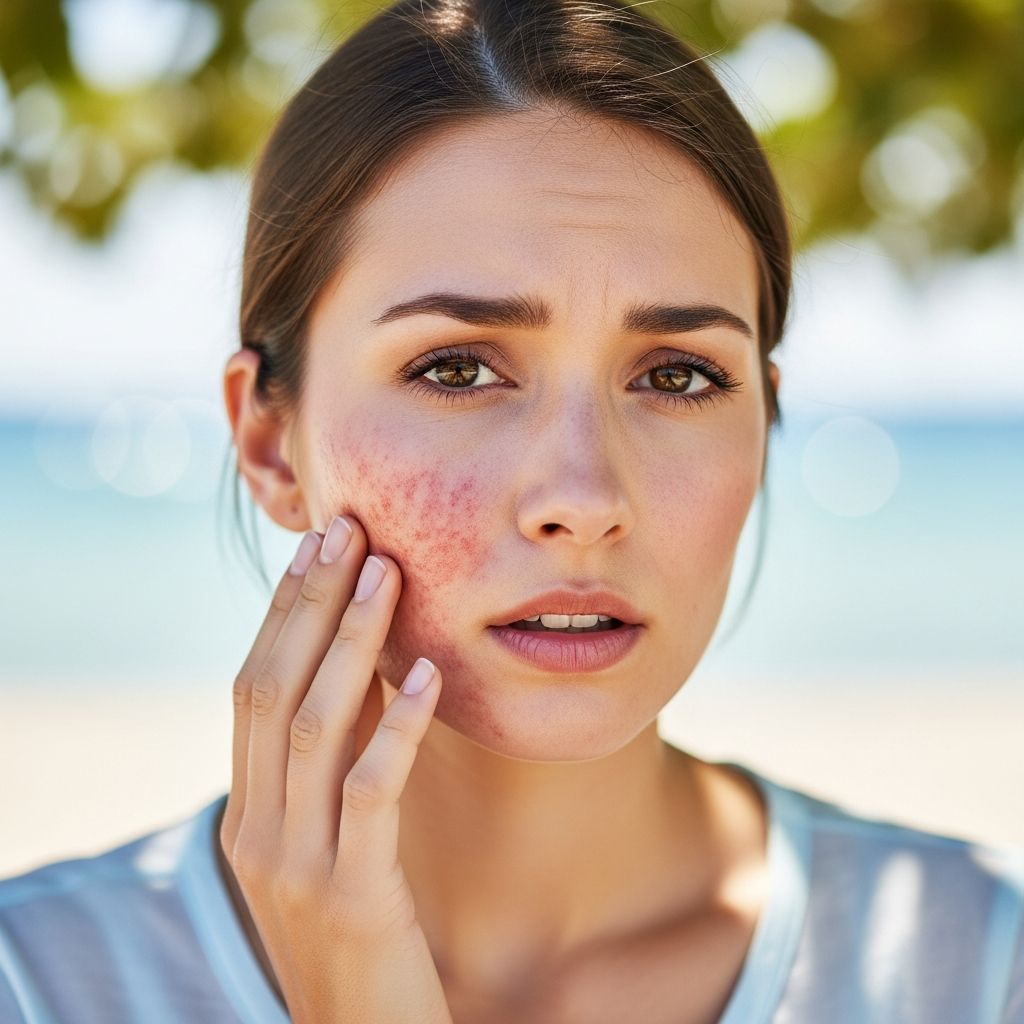
People with facial eczema often face flare-ups year-round, but summer can intensify irritation, redness, and itchiness for many. Triggers like hay fever, sunlight exposure, sweating, and seasonal activities play key roles, varying by eczema type such as atopic dermatitis or seborrheic dermatitis.
While winter dryness affects most, warmer months bring unique challenges. Dermatologist Dr. Mia Jing Gao from the Cadogan Clinic notes common environmental irritants include fragrances, harsh cosmetics, over-exfoliation, and food sensitivities that exacerbate facial skin. High temperatures, humidity, and outdoor pursuits amplify these issues, making proactive management essential.
1. Atopic dermatitis
**Atopic dermatitis**, the most prevalent eczema form, stems from allergic sensitivities. Affected individuals often have co-occurring asthma or hay fever, with facial symptoms appearing on the forehead, cheeks, and around the eyes.
Summer intensifies this through pollen-heavy air, heat-induced sweat irritating broken skin, pool chemicals, and chemical sunscreens. Hay fever sufferers face heightened risks on warm, windy days when pollen contacts the face directly.
- Hay fever: Atopic patients are far more prone; pollen triggers eczema via allergic responses.
- High temperatures: Sweat’s salts sting inflamed skin, worsening itch.
- Swimming: Chlorine dries and irritates delicate facial skin.
- Sunscreen: Chemical filters provoke reactions in sensitive skin; opt for mineral-based alternatives.
2. Seborrheic dermatitis
**Seborrheic dermatitis** involves flaky, greasy patches on oily areas like the scalp, eyebrows, and nose sides, linked to yeast overgrowth.
Sunlight’s UV rays can suppress yeast but paradoxically trigger flares in some. Heatwaves boost sebum production as skin adapts, clogging pores. Stress from summer blues also precedes outbreaks.
- Sunlight: UV kills yeast but irritates for certain individuals.
- Heat and humidity: Excess sebum from climate shifts fuels inflammation.
- Summer depression or stress: Emotional strain commonly sparks flares.
3. Contact dermatitis
**Contact dermatitis** arises from direct irritants or allergens touching the skin, causing red, itchy rashes on exposed face and hands.
Summer exposes skin to new products and pollutants. Hot weather disperses dust, dirt, and smoke via wind, while plants like sunflowers release airborne particles.
- Sunscreens: Allergens in formulations provoke irritant or allergic responses.
- Summer cosmetics: Fragranced lotions, perfumes, or hair dyes introduce new triggers.
- Swimming: Prolonged chemical exposure sensitizes skin.
- Air pollution: Heat breaks down particles landing on face.
- Plants: Pollen from sunflowers, daffodils, tulips, daisies, dandelions irritates.
4. Light sensitive eczema
**Light sensitive eczema** (photosensitive or sun allergy) reacts directly to UV light, mimicking sunburn with rapid redness and rashes. Though year-round, summer peaks exposure.
- Sunlight: Peak intensity triggers immediate responses; artificial light may also contribute.
How to treat eczema on the face
Effective facial eczema treatment combines avoidance, gentle care, and medical input. Focus on barrier repair and trigger minimization[10].
Managing your facial eczema at home
Dermatologist Dr. Gao recommends:
- Use gentle, fragrance-free soap substitutes for cleansing.
- Stick to consistent skincare routines to avoid irritation.
- Select eczema-safe, fragrance-free products.
- Moisturize frequently with hydrating, non-irritating formulas.
- Wash with lukewarm water; pat dry gently, no scrubbing.
- Track triggers via a journal for patterns in flares.
Related Stories



Additional strategies include cooling the body to curb sweat—use fans, light layers, or cool packs. Post-swim, rinse chlorine promptly and apply emollients. Choose physical (mineral) sunscreens over chemical ones.
Seasonal adjustments
Regulate temperature and humidity for control. Saltwater swimming may soothe via UV and relaxation benefits. For pediatric cases, adjust plans seasonally, emphasizing emollients post-swim.
| Eczema Type | Key Summer Triggers | Management Tips |
|---|---|---|
| Atopic Dermatitis | Hay fever, sweat, chlorine, chemical sunscreens | Antihistamines, mineral SPF, rinse sweat |
| Seborrheic Dermatitis | Sunlight, heat/humidity, stress | Antifungals, stress reduction, sebum control |
| Contact Dermatitis | Sunscreens, cosmetics, pollution, plants | Patch testing, hypoallergenic products |
| Light Sensitive | UV sunlight | Broad-spectrum protection, shade |
Frequently Asked Questions (FAQs)
Q: Why does sweat worsen facial eczema in summer?
A: Sweat contains salts and irritants that sting broken skin, especially during heatwaves when overheating is common.
Q: Is swimming safe for eczema-prone faces?
A: Chlorine irritates, but rinsing immediately and moisturizing helps. Saltwater beaches may benefit via UV and relaxation.
Q: Which sunscreen is best for eczema?
A: Mineral sunscreens with zinc oxide or titanium dioxide are gentler than chemical ones.
Q: Can hay fever really trigger eczema?
A: Yes, atopic dermatitis patients are highly susceptible; pollen directly contacts and inflames facial skin.
Q: How to manage stress-related seborrheic flares?
A: Practice relaxation techniques; stress often precedes outbreaks in summer.
Q: Should I change my skincare in summer?
A: Avoid frequent switches; opt for lightweight, fragrance-free, eczema-formulated products.
This comprehensive guide empowers you to identify and mitigate summer-specific facial eczema triggers. Consult a dermatologist for personalized treatment, including topicals like steroids or immunomodulators if needed[10]. Stay proactive for clearer skin.
References
- Why is my facial eczema worse in summer? — Patient.info. 2023-08-02. https://patient.info/features/skin-conditions/why-is-my-facial-eczema-worse-in-summer
- Managing Eczema in the Summer Months — National Eczema Association. 2023. https://nationaleczema.org/blog/earning-place-sun/
- How the seasons affect your eczema — Patient.info. 2023. https://patient.info/features/skin-conditions/how-the-seasons-affect-your-eczema
- Five tips for summer eczema — Eczema Help Canada. 2022-05. https://eczemahelp.ca/five-tips-for-summer-eczema/
- Recognizing and Managing Pediatric Summer Skin Eruptions — Dermatology Times. 2023. https://www.dermatologytimes.com/view/recognizing-and-managing-pediatric-summer-skin-eruptions
- A Comprehensive Review of the Treatment of Atopic Eczema — PMC (PubMed Central). 2016. https://pmc.ncbi.nlm.nih.gov/articles/PMC4773205/
Similar Articles








Read full bio of medha deb