Why Is My Hair Falling Out? 6 Main Causes And Treatments
Discover the common causes of hair loss, from genetics and hormones to medical conditions, and learn effective treatments and prevention strategies.
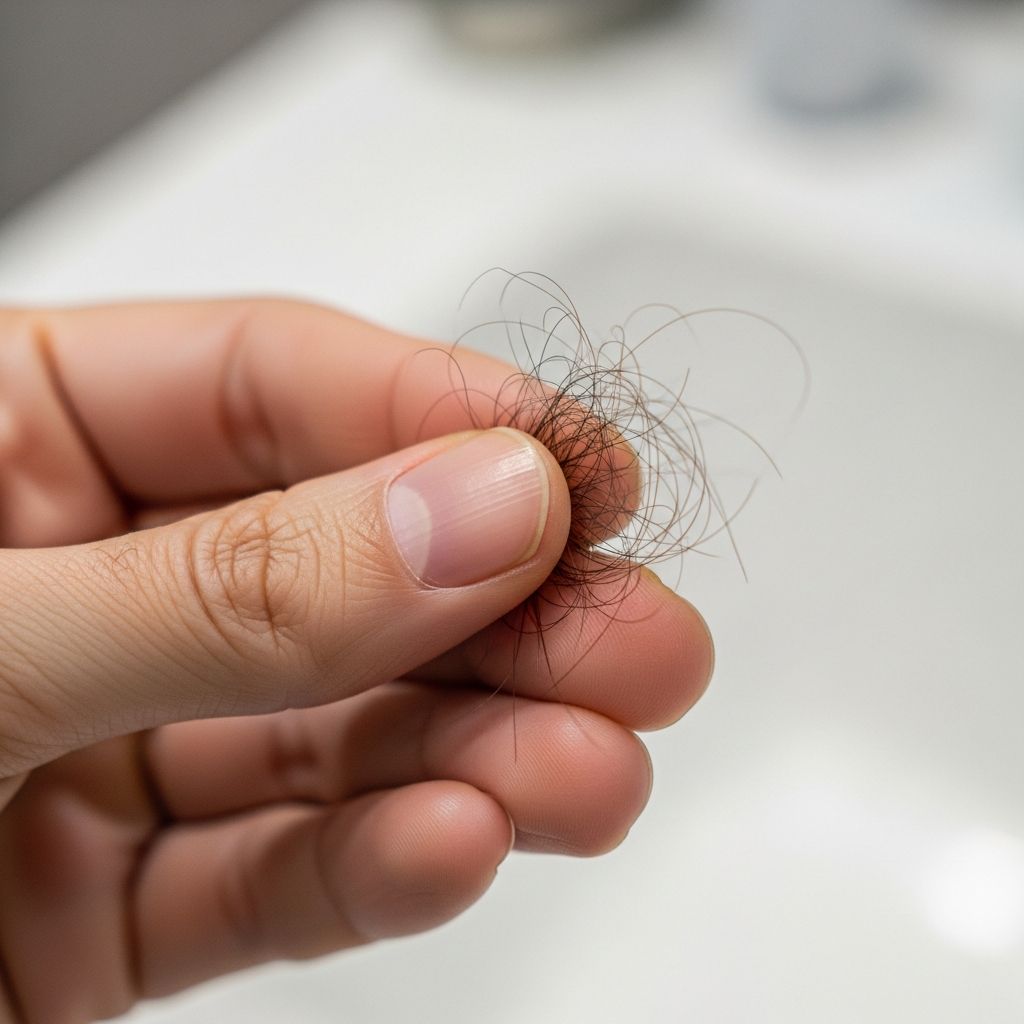
Hair loss is a common concern that affects people of all ages and genders, often causing significant distress. While it’s normal to shed about 50-100 hairs daily as part of the natural hair growth cycle, excessive shedding or thinning warrants attention. This article explores the primary causes of hair loss, including telogen effluvium, alopecia areata, nutritional deficiencies, and more, drawing from authoritative medical sources to help you understand potential triggers and solutions.
How Much Hair Loss Is Normal?
The hair growth cycle consists of three main phases: anagen (growth, lasting 2-7 years), catagen (transition, about 2-3 weeks), and telogen (resting, 3 months), followed by exogen where hair sheds. On average, 85-90% of scalp hairs are in the anagen phase, with 10-15% in telogen. Daily shedding of 50-100 hairs is typical and replenished by new growth. However, if you notice clumps in the shower, on your brush, or thinning patches, it may signal an underlying issue.
Factors like age, genetics, and health influence shedding rates. Women often experience diffuse thinning post-menopause, while men see receding hairlines. Monitoring involves checking pillowcases, drains, and ponytails for increased volume. Persistent loss beyond 100 hairs daily or visible scalp requires professional evaluation.
Telogen Effluvium
**Telogen effluvium** is one of the most common temporary hair loss conditions, where a stressor pushes 30% or more of follicles prematurely into the telogen phase, leading to diffuse shedding 2-3 months later. Hair falls out in handfuls during washing or brushing but rarely causes full baldness.
Common triggers include:
- Physical stress: Childbirth, surgery, high fever, or severe illness.
- Emotional stress: Major life events like job loss or divorce.
- Rapid weight loss: Crash diets or bariatric surgery.
- Hormonal shifts: Thyroid disorders, starting/stopping birth control.
- Medications: Beta-blockers, antidepressants, or anticoagulants.
Diagnosis involves ruling out other causes via blood tests for iron, thyroid function, and vitamins. Treatment focuses on addressing the trigger; hair typically regrows within 6-9 months once resolved. Minoxidil (Rogaine) may accelerate recovery.
Anagen Effluvium
**Anagen effluvium** disrupts the active growth phase, causing rapid, widespread hair loss within days to weeks. It affects not just the scalp but eyebrows, eyelashes, and body hair, often resulting in near-total baldness.
Primary cause: Chemotherapy drugs, which target fast-dividing cells including hair follicles. Radiation therapy can also induce it. Unlike telogen effluvium, regrowth begins 1-3 months post-treatment, though texture may change initially.
Prevention strategies include scalp cooling (cryotherapy) during chemo sessions, which constricts blood vessels to reduce drug delivery to follicles. Topical minoxidil supports regrowth.
Alopecia Areata
**Alopecia areata** is an autoimmune disorder where the immune system attacks hair follicles, causing sudden patchy bald spots, often coin-sized on the scalp, beard, or elsewhere. It affects 2% of people lifetime and is the second most common hair loss form after androgenetic alopecia.
Symptoms: Smooth, round patches; possible exclamation mark hairs (tapered tips). Variants include alopecia totalis (full scalp) or universalis (total body). Triggers may involve genetics, viruses, or stress.
Related Stories



Treatments: Corticosteroid injections, topical immunotherapy, JAK inhibitors like baricitinib (FDA-approved 2022), or minoxidil. Spontaneous regrowth occurs in 50% within a year, but recurrence is common. Consult a dermatologist promptly for early intervention.
Androgenetic Alopecia
The most prevalent cause,
androgenetic alopecia
(male/female pattern baldness) is hereditary and hormone-driven, affecting 50% of men and 40% of women by age 50. In men, it presents as receding temples and crown baldness (Norwood scale); in women, widening part and thinning crown (Ludwig scale).DHT (dihydrotestosterone) shrinks follicles over time. FDA-approved treatments: Minoxidil (topical), finasteride/dutasteride (oral for men), low-level laser therapy, PRP injections, or transplants. Early use preserves hair.
Nutritional Deficiencies
Imbalanced diets can trigger
telogen effluvium
via deficiencies in iron, zinc, biotin, protein, vitamin D, or niacin. Crash diets exacerbate this; over-supplementation of vitamin A, E, or selenium paradoxically causes loss.| Nutrient | Role in Hair | Deficiency Signs | Sources |
|---|---|---|---|
| Iron | Oxygen delivery to follicles | Fatigue, pallor, shedding | Red meat, spinach, lentils |
| Zinc | Protein synthesis, growth | Thinning, white spots on nails | Oysters, nuts, seeds |
| Biotin (B7) | Keratin production | Brittle hair/nails | Eggs, salmon, avocados |
| Vitamin D | Follicle cycling | Diffuse loss | Sunlight, fatty fish |
Blood tests confirm deficiencies; supplements only under medical guidance to avoid toxicity.
Other Causes of Hair Loss
- Medical conditions: Thyroid disorders, PCOS, lupus, scalp infections (ringworm treated with antifungals).
- Medications: Antidepressants, blood pressure drugs, chemotherapy.
- Hairstyles: Traction alopecia from tight ponytails/braids; chemical damage from relaxers.
- Trichotillomania: Compulsive pulling causing irregular patches.
When to See a Doctor
Seek care if: Sudden/patchy loss, scalp pain/itching, excess shedding (>100 hairs/day), accompanying symptoms (fatigue, weight changes), or distress. Early diagnosis prevents progression; dermatologists use pull tests, biopsies, or trichoscopy. Women with frontal fibrosing alopecia need prompt treatment to avert permanence.
Treatments for Hair Loss
Options vary by cause:
- Topicals: Minoxidil 2-5% foam/solution.
- Oral: Finasteride, spironolactone (women).
- Procedures: PRP, lasers, transplants.
- Lifestyle: Balanced diet, stress management.
Prevention Tips
- Avoid tight styles/heat tools.
- Eat protein-rich, nutrient-dense foods.
- Manage stress via yoga/meditation.
- Gently brush; use silk pillowcases.
Frequently Asked Questions (FAQs)
Why might someone suddenly lose so much hair?
Sudden loss often stems from anagen effluvium (chemo), alopecia areata, or telogen effluvium triggers like illness/stress. Consult a doctor.
How can I stop hair from falling out?
Address underlying causes, use minoxidil, eat balanced, reduce stress, avoid harsh styling.
What vitamin deficiency causes hair loss?
Iron, zinc, biotin, vitamin D deficiencies; test via bloodwork before supplementing.
Is hair loss permanent?
Often temporary (e.g., telogen effluvium); pattern baldness progresses without treatment.
Does stress cause hair loss?
Yes, via telogen effluvium; manage with relaxation techniques.
References
- Why is my hair falling out? 10 causes of hair loss — Medical News Today. 2023-05-01. https://www.medicalnewstoday.com/articles/327005
- Alopecia Areata: Symptoms, Causes, Treatment & Regrowth — Cleveland Clinic. 2024-01-15. https://my.clevelandclinic.org/health/diseases/12423-alopecia-areata
- Hair loss – Symptoms and causes — Mayo Clinic. 2025-03-20. https://www.mayoclinic.org/diseases-conditions/hair-loss/symptoms-causes/syc-20372926
- Diet and hair loss: effects of nutrient deficiency and supplement use — PMC (NCBI). 2017-01-12. https://pmc.ncbi.nlm.nih.gov/articles/PMC5315033/
Similar Articles








Read full bio of medha deb