Sticky Poop: Key Insights On Causes, Symptoms, And Treatment
Discover the common causes of sticky stool, from diet to serious conditions, and learn when to seek medical help.
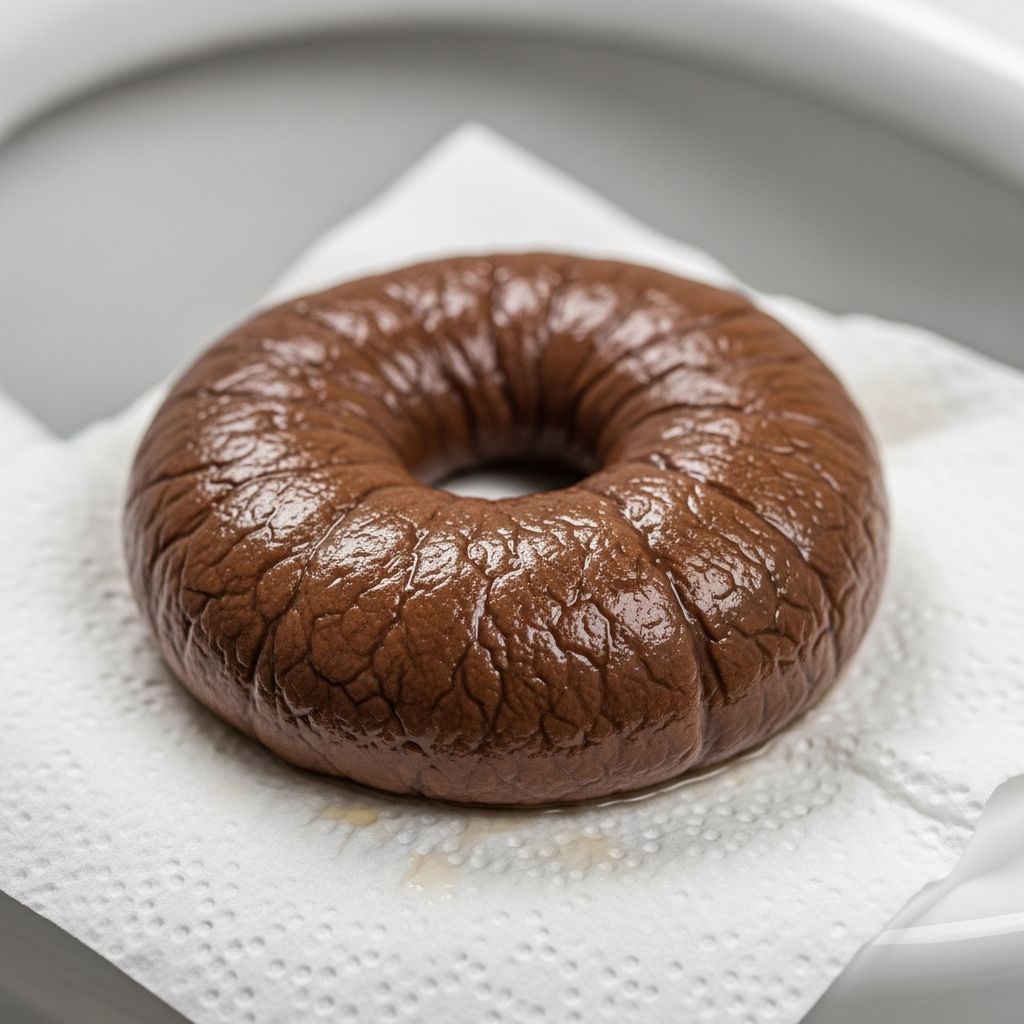
Sticky poop, also known as sticky stool, refers to bowel movements that cling to the toilet bowl or have a greasy, tacky texture that doesn’t flush easily. This condition, medically termed steatorrhea when caused by excess fat, can range from a harmless dietary blip to a sign of digestive disorders. While occasional sticky stool may result from eating fatty foods, persistent cases warrant attention to rule out malabsorption issues or infections.
What Does Sticky Poop Look Like?
Normal stool is sausage-shaped, soft yet formed, and flushes cleanly. Sticky poop, by contrast, appears greasy, pale, or dark and tarry, often sticking to the bowl sides like peanut butter. It may float due to undigested fat or have a foul odor from bacterial overgrowth. Pale, oily stools suggest fat malabsorption (steatorrhea), while black, sticky stools could indicate upper GI bleeding (melena).
Sticky Poop Causes
Several factors contribute to sticky stool. Dietary habits top the list, but medical conditions play a significant role in chronic cases.
High-Fat Diet
Consuming excessive fats overwhelms the digestive system’s ability to absorb them, leading to steatorrhea. Fried foods, red meats, butter, and processed items like ice cream coat stools in grease. A 2019 animal study linked high-fat diets to constipation and sticky textures.
Malabsorption Syndromes
- Celiac Disease: An autoimmune reaction to gluten damages the small intestine, impairing nutrient absorption and causing sticky, foul-smelling stools, diarrhea, and weight loss.
- Exocrine Pancreatic Insufficiency (EPI): The pancreas fails to produce enough digestive enzymes, leaving fats undigested. Common in chronic pancreatitis or cystic fibrosis.
- Bile Acid Malabsorption: Reduced bile from liver/gallbladder issues prevents fat emulsification.
Gastrointestinal Infections
Giardia, bacterial overgrowth (SIBO), or viral gastroenteritis irritate the gut lining, causing mucus production and sticky stools. These often accompany diarrhea, cramps, and fever.
Inflammatory Bowel Disease (IBD)
Crohn’s disease and ulcerative colitis inflame the intestines, leading to blood, mucus, and sticky poop. Symptoms include abdominal pain and urgency.
Other Causes
- Lactose Intolerance: Inability to digest dairy sugars results in bloating, gas, and sticky stools.
- Medications: Antibiotics, laxatives, or antacids disrupt gut flora or absorption.
- Stomach Ulcers or Esophagitis: Bleeding higher in the GI tract produces dark, sticky melena.
Sticky Poop vs. Normal Stool: A Comparison
| Characteristic | Normal Stool | Sticky Poop |
|---|---|---|
| Texture | Smooth, formed, sausage-like | Greasy, tacky, peanut butter-like |
| Color | Brown | Pale/greasy or dark/tarry |
| Flushability | Flushes easily | Sticks to bowl |
| Odor | Mild | Foul, rancid |
| Floats? | Rarely | Often (due to fat) |
This table highlights key differences based on Bristol Stool Scale types 4-5 (normal) vs. greasy variants.
Treatments for Sticky Poop
Treatment targets the underlying cause. Dietary tweaks often suffice for mild cases, while medical intervention is needed for disorders.
Home Remedies and Lifestyle Changes
- Hydration: Drink 9-13 cups of water daily to soften stool and aid digestion.
- Exercise: 30 minutes of walking promotes gut motility.
- Diet Adjustments: Increase soluble fiber from oats, bananas, and veggies; reduce fats.
- Probiotics: Restore gut bacteria with yogurt or supplements.
Over-the-Counter (OTC) Options
- Bismuth subsalicylate (Pepto-Bismol) for diarrhea-related stickiness.
- Digestive enzymes or fiber supplements (psyllium) to improve absorption.
- Avoid laxatives unless advised, as they may worsen malabsorption.
Related Stories



Medical Treatments
For celiac, a gluten-free diet is essential. EPI requires pancreatic enzyme replacement therapy (PERT). IBD management includes anti-inflammatories, biologics, or immunosuppressants. Infections may need antibiotics like metronidazole for Giardia.
Foods to Eat and Avoid for Sticky Poop
Foods to Eat
- High-fiber fruits: Apples, pears, berries.
- Vegetables: Broccoli, carrots, leafy greens.
- Whole grains: Oats, brown rice, quinoa.
- Lean proteins: Chicken, fish, tofu.
- Probiotic-rich: Kefir, sauerkraut.
Foods to Avoid
- Fatty meats, fried foods, butter.
- Processed items: Pastries, chips, ice cream.
- Gluten (wheat, barley) if celiac suspected.
- Dairy if lactose intolerant.
- Spicy/acidic foods for ulcer-prone individuals.
Prevention Tips for Sticky Stool
- Maintain a balanced, low-fat diet rich in fiber.
- Stay hydrated and exercise regularly.
- Avoid triggers like gluten or dairy if sensitive.
- Manage stress, as it affects gut health.
- Get vaccinated against GI infections like rotavirus.
When to See a Doctor for Sticky Poop
One-off sticky stool after a fatty meal isn’t alarming—monitor for 1-2 days. Seek medical help if:
- Persistent for over a week.
- Accompanied by blood, mucus, severe pain, weight loss, or fever.
- Stools are pale, greasy, and floating chronically.
- Signs of dehydration or malnutrition.
Doctors may order stool tests, blood work, endoscopy, or breath tests to diagnose.
Complications of Untreated Sticky Poop
Ignoring sticky stool risks nutrient deficiencies, anemia, or osteoporosis from malabsorption. IBD can lead to strictures or fistulas; ulcers to perforation; celiac to seizures. Early intervention prevents these.
Frequently Asked Questions (FAQs)
Is sticky poop always serious?
No, it often stems from diet, but persistent cases need evaluation for malabsorption or disease.
Does sticky poop mean cancer?
Rarely; it’s more commonly dietary or benign, but blood or changes warrant a check-up.
How long does sticky poop last?
Diet-related: 1-2 days. Chronic: Until underlying issue is treated.
Can stress cause sticky stool?
Yes, indirectly via altered gut motility and diet changes.
What color is steatorrhea stool?
Pale, clay-colored, greasy, and foul-smelling.
References
- Causes and Treatments for Sticky Poop — Healthline, Medically reviewed by Qin Rao, MD. 2024-07-18. https://www.healthline.com/health/sticky-poop
- What Causes Sticky Poop? — Healthgrades Health Library. 2024. https://resources.healthgrades.com/right-care/digestive-health/sticky-poop
- What the Color and Consistency of Your Poop Says About Your Health — UnityPoint Health. 2024. https://www.unitypoint.org/news-and-articles/what-the-color-and-consistency-of-your-poop-says-about-you
Similar Articles








Read full bio of medha deb