Why Is My Skin So Dry Even When I Moisturize?
Discover why moisturizer alone isn't enough for dry skin and learn expert tips to restore hydration from within and without.
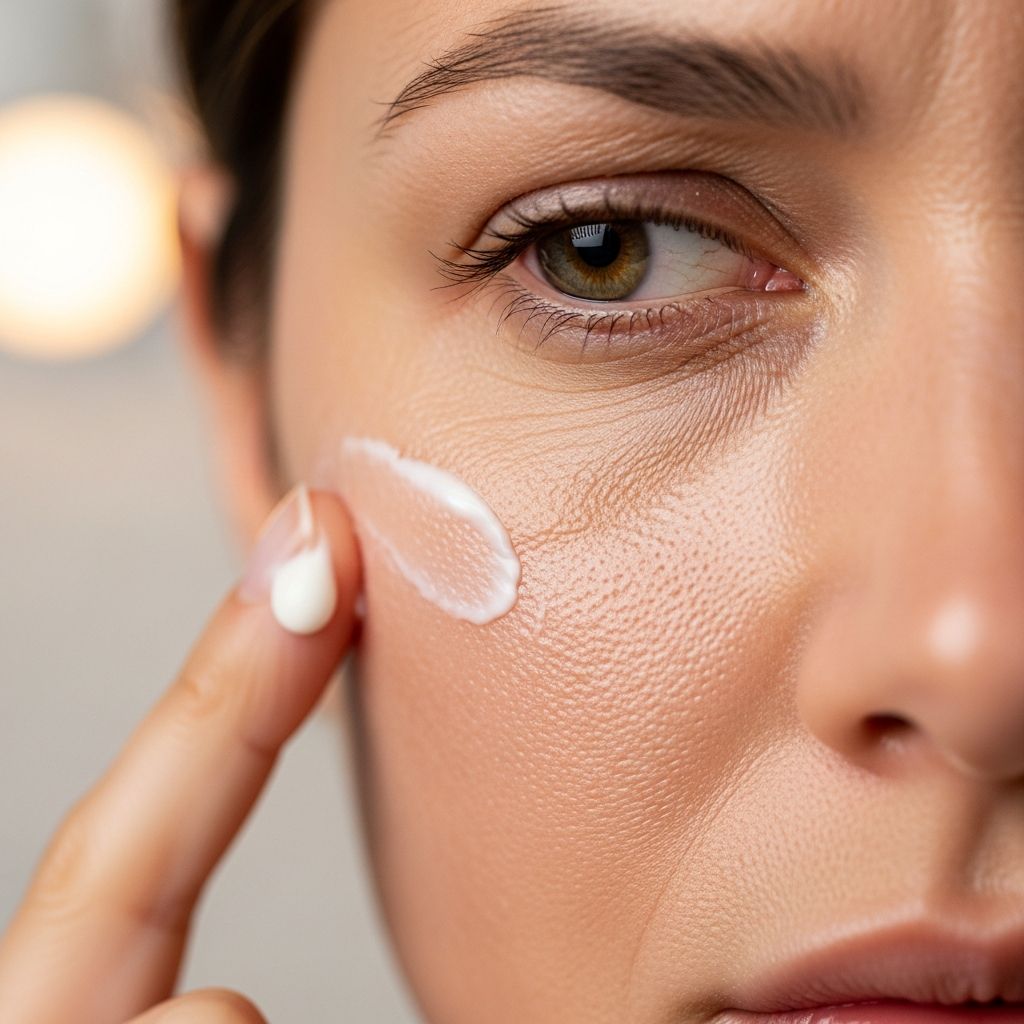
Experiencing dry, flaky, or tight skin despite regular moisturizer use is a common frustration for many. This persistence often stems from factors beyond surface-level hydration, such as compromised skin barriers, environmental influences, or suboptimal skincare routines. Understanding these root causes is key to achieving lasting moisture.
What Does Dry Skin Look and Feel Like?
Dry skin, or xerosis, manifests as roughness, flakiness, tightness, itchiness, or even cracking. Unlike dehydrated skin, which feels tight due to water loss, truly dry skin lacks sufficient oils to seal in moisture. Symptoms worsen in low-humidity environments or with age, as the skin’s natural lipid production declines.
- Tightness: A pulling sensation after washing.
- Flaking: Visible dead skin cells peeling off.
- Itchiness: Urge to scratch, risking further irritation.
- Redness or inflammation: Signs of barrier damage.
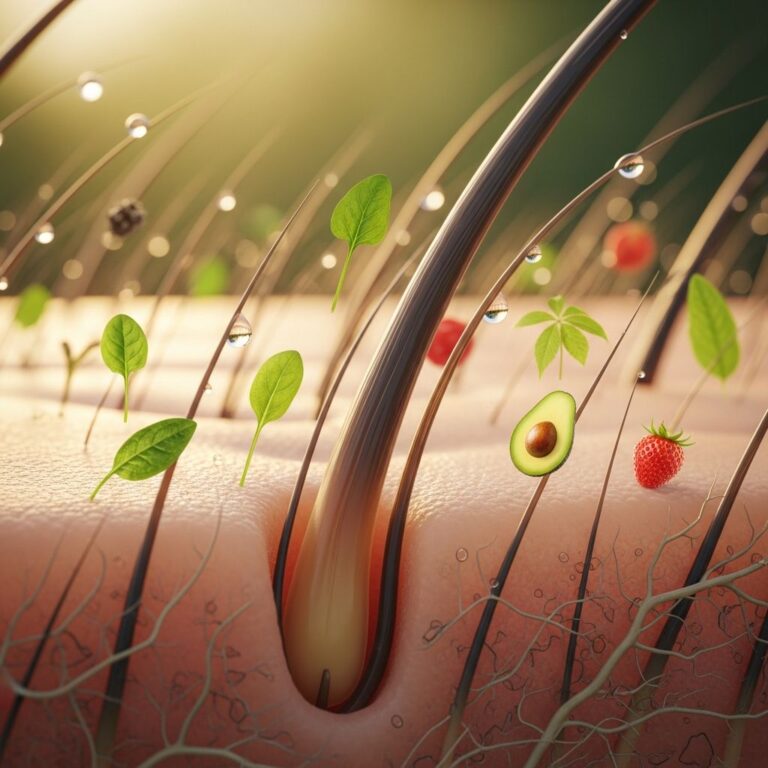
The stratum corneum, the skin’s outermost layer, acts like bricks and mortar—corneocytes (bricks) held by lipids (mortar). When lipids deplete, water evaporates rapidly, leading to dryness.
Why Moisturizer Isn’t Enough: Common Culprits
Moisturizers create an occlusive barrier but don’t always address underlying issues. Here’s why your skin stays parched:
1. Damaged Skin Barrier
The skin barrier prevents water loss (transepidermal water loss, or TEWL). Harsh cleansers, over-exfoliation, or conditions like eczema erode it, making moisturizers ineffective. In dermatitis, low moisture in the stratum corneum (under 10%) causes corneocyte buildup and dryness.
2. Underlying Skin Conditions
Eczema (atopic dermatitis), psoriasis, or contact dermatitis impair barrier function. These inflammatory issues require medical intervention alongside moisturizers. Ointments outperform creams for occlusion in dry environments.
3. Wrong Moisturizer or Application
Lightweight lotions suit oily skin but fail very dry types—opt for thick creams with ceramides, hyaluronic acid, or petrolatum. Apply to damp skin immediately post-cleansing to trap water. Nightly ‘slugging’ with occlusives enhances absorption.
| Moisturizer Type | Best For | Key Ingredients |
|---|---|---|
| Lotion | Normal/Oily | Water-based, light |
| Cream | Dry/Normal | Emollients like shea butter |
| Ointment | Very Dry/Barrier-Damaged | Petrolatum, occlusives |
4. Environmental Factors
Low humidity, cold winds, or sun exposure strip moisture. Indoor heating/AC exacerbates this—use a humidifier to maintain 40-60% humidity. UV rays degrade lipids, worsening dryness.
5. Overwashing or Hot Water
Hot showers dissolve natural oils; limit to lukewarm, 10 minutes max. Use gentle, soap-free cleansers and pat dry.
6. Internal Dehydration and Diet
Topical care fails without internal hydration. Aim for 8-10 glasses of water daily; limit caffeine/alcohol. Nutrient deficiencies (e.g., essential fatty acids, vitamins A/E) impair barrier repair.
7. Over-Exfoliation
Excessive scrubs remove protective layers—limit to 1-2 times weekly with mild acids (lactic over glycolic for dry skin).
8. Aging and Hormonal Changes
Collagen loss reduces water retention; menopause drops estrogen, thinning skin. Hormone therapy or barrier-focused products help.
9. Harsh Ingredients in Products
Alcohol, sulfates, or fragrances strip oils. Choose fragrance-free, non-comedogenic formulas.
Related Stories



How to Fix Dry Skin: A Step-by-Step Routine
Rebuild hydration holistically. Start internally, then layer products correctly.
- Hydrate Internally: Drink water, eat omega-3-rich foods (salmon, nuts), fruits/veggies.
- Control Environment: Humidifier, sunscreen daily (SPF 30+).
- Gentle Cleansing: Creamy, pH-balanced cleanser; lukewarm water.
- Tone for Hydration: Hyaluronic acid toner on damp skin.
- Serums: Ceramide or niacinamide for barrier repair.
- Moisturize: Thick cream twice daily; slug at night.
- Exfoliate Sparingly: Enzyme-based, 1-2x/week.
- Protect: Avoid irritants; wear gloves in cold.
For severe cases, consult a dermatologist for prescription emollients or steroids.
Best Ingredients for Dry Skin
- Ceramides: Replenish lipids.
- Hyaluronic Acid: Binds 1000x its weight in water.
- Glycerin: Humectant draws moisture.
- Squalane: Mimics skin oils.
- Petrolatum: Ultimate occlusive.
When to See a Dermatologist
Seek help if dryness persists >2 weeks, cracks bleed, or accompanies swelling/oozing. It could signal eczema, psoriasis, or allergy. Early intervention prevents flares.
Frequently Asked Questions (FAQs)
Why is my face dry but not my body?
Facial skin is thinner, more exposed to products/environment. Tailor routines accordingly.
Is slugging safe for all skin types?
Best for dry skin; avoid if acne-prone to prevent milia.
How long to repair skin barrier?
2-4 weeks with consistent care.
Can diet really affect skin dryness?
Yes—omega-3s and hydration support lipids.
What’s the difference between dry and dehydrated skin?
Dry lacks oil; dehydrated lacks water—both need humectants/occlusives.
Persistent dry skin demands a multifaceted approach: repair the barrier, hydrate inside-out, and choose compatible products. Consistency yields smoother, supple skin.
References
- Why Is My Skin Still Dry Despite Using Moisturizer? — Forefront Dermatology. 2023. https://forefrontdermatology.com/why-is-my-skin-still-dry-despite-using-moisturizer/
- Why Your Skin Feels Dry, Even After Moisturizing — NassifMD Skincare. 2023. https://nassifmdskincare.com/blogs/skincare-news/skin-feels-dry-even-after-moisturizing
- The Role of Moisturizers in Addressing Various Kinds of Dermatitis — National Center for Biotechnology Information (PMC). 2018-03-22. https://pmc.ncbi.nlm.nih.gov/articles/PMC5849435/
- Sauna For Skin: Risks, Benefits, Should You Try It? — Women’s Health Magazine. 2024. https://www.womenshealthmag.com/beauty/a64351584/sauna-for-skin-benefits/
Similar Articles








Read full bio of medha deb