Why Is My Skin So Dry? Causes, Treatments, Prevention
Discover the common causes of dry skin, from environmental factors to health conditions, and learn effective treatments and prevention strategies.
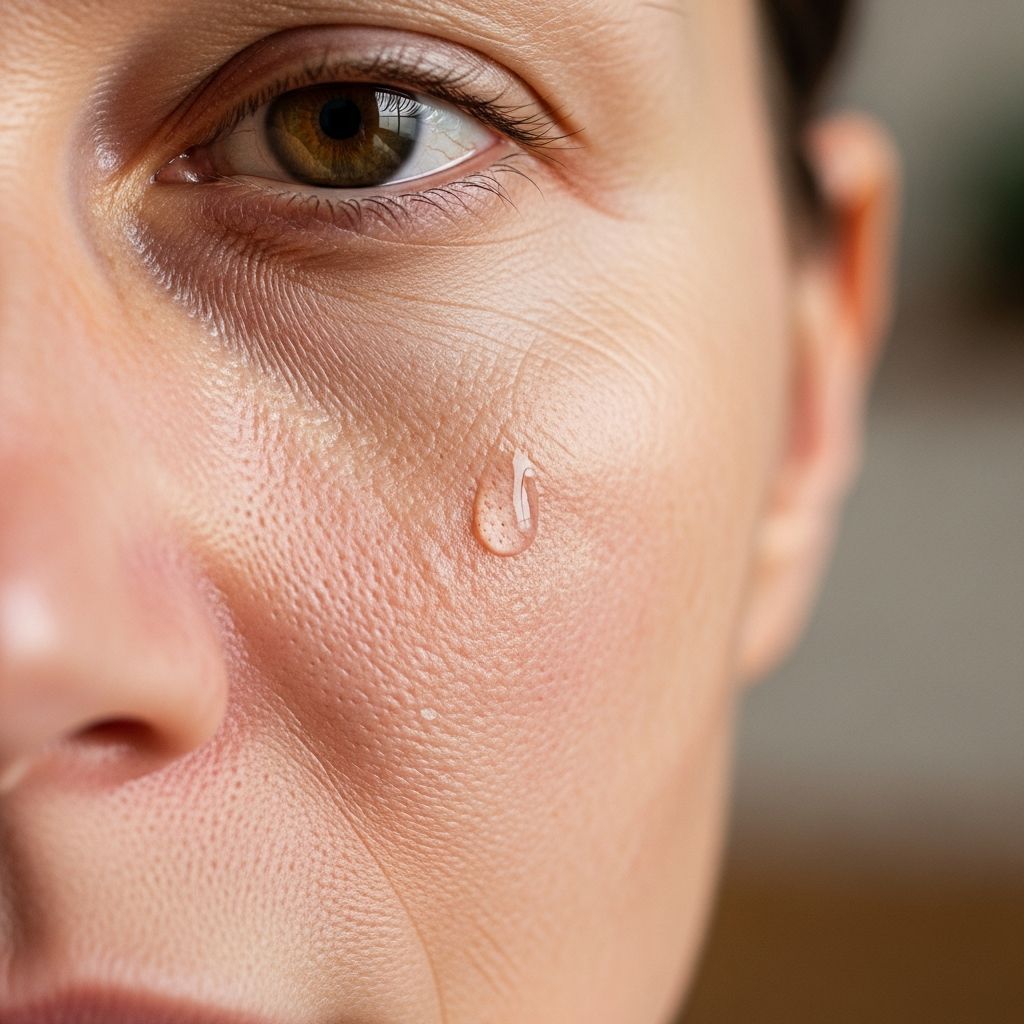
Dry skin, medically known as xerosis, occurs when the skin loses too much moisture and natural oils, leading to roughness, itching, and flakiness. It affects people of all ages and can range from mild discomfort to severe irritation that impacts daily life.
Symptoms of Dry Skin
Dry skin often presents with visible and sensory signs that signal a lack of hydration. Common symptoms include:
- Itching: A persistent itch that worsens at night or after bathing.
- Redness: Inflamed patches, especially on arms, legs, and face.
- Scaliness or flaking: Rough, peeling texture resembling fish scales.
- Tightness: A pulling sensation after washing or exposure to dry air.
- Cracking or fissures: Deep cracks that may bleed, particularly on heels or hands.
Severe cases can lead to pain, infections from cracks, or thickened skin from chronic scratching. Early recognition helps prevent complications.
Common Causes of Dry Skin
Dry skin results from a disrupted skin barrier that fails to retain moisture. The outermost layer, the stratum corneum, relies on lipids, ceramides, and water for protection. When this barrier weakens, environmental and internal factors exacerbate dryness.
Environmental Factors
External conditions strip the skin of essential oils:
- Weather: Cold, low-humidity winters or arid climates reduce skin moisture by up to 30%.
- Hot showers: Prolonged exposure to hot water dissolves natural oils in minutes.
- Harsh products: Soaps, detergents, and fragranced cleansers disrupt the pH balance.
- Heating systems: Indoor heaters and air conditioners lower humidity to desert-like levels.
Lifestyle Habits
Daily routines contribute significantly:
- Frequent washing: Over-cleansing removes protective sebum.
- Dehydration: Insufficient water intake affects overall skin hydration; aim for 8-10 glasses daily.
- Poor diet: Lack of omega-3s, vitamins A, C, E impairs barrier function.
- Aging: Post-50, oil production drops by 10% per decade.
Medical Conditions
Underlying health issues can manifest as persistent dryness:
- Eczema (atopic dermatitis): Chronic inflammation causes intense dryness and barrier defects.
- Psoriasis: Scaly plaques from rapid cell turnover.
- Hypothyroidism: Slowed metabolism reduces oil gland activity.
- Diabetes: High blood sugar draws fluid from tissues, causing itchiness.
- Kidney disease: Imbalanced minerals and excess urination lead to fluid loss.
Medications and Other Triggers
Certain drugs dry the skin as a side effect:
| Medication Type | Examples | Effect on Skin |
|---|---|---|
| Diuretics | Lasix, HCTZ | Increase urine output, dehydrating skin. |
| Statins | Lipitor | Reduce cholesterol needed for skin lipids. |
| Acne treatments | Retinoids, benzoyl peroxide | Irritate and thin the barrier. |
| Cancer therapies | Chemotherapy | Suppress oil production. |
Other triggers include allergies to wool or nickel and occupational exposures like frequent handwashing in healthcare.
Treatments for Dry Skin
Effective management restores the barrier and locks in moisture. Start with gentle self-care before seeking medical help.
Home Remedies and Moisturizers
Apply moisturizers within 3 minutes of bathing to trap water:
Related Stories



- Petrolatum (Vaseline): Occlusive barrier, ideal for cracks.
- Ceramide creams: Rebuild barrier lipids.
- Hyaluronic acid: Holds 1000x its weight in water.
- Glycerin, shea butter: Humectants draw moisture.
- Avoid lotions; opt for thick creams or ointments.
Other tips:
- Use lukewarm water for 5-10 minute showers.
- Pat dry gently; don’t rub.
- Add colloidal oatmeal baths for soothing.
Medical Treatments
For persistent cases:
- Topical steroids: Reduce inflammation in eczema/psoriasis.
- Prescription moisturizers: With urea or lactic acid for exfoliation.
- Antihistamines: Oral relief for itching.
- Phototherapy: UVB light for severe conditions.
Treat underlying issues like diabetes control or thyroid medication.
Prevention Tips for Dry Skin
Proactive steps maintain hydration year-round:
- Humidify air: Keep indoor humidity at 40-60%.
- Hydrate internally: Drink water; eat fatty fish, nuts, avocados.
- Gentle cleansing: Fragrance-free, soap-free washes.
- Protect skin: Gloves for chores, sunscreen daily.
- Clothing choices: Cotton over synthetics or wool.
Seasonal adjustments: Heavier creams in winter, lighter in summer.
When to See a Doctor
Consult a dermatologist if:
- Dryness persists despite 2 weeks of home care.
- Cracks bleed, ooze, or show infection signs (pus, fever).
- Accompanied by unexplained weight loss, thirst, or fatigue.
- Large areas affected or interferes with sleep/work.
They may biopsy or test for allergies/conditions.
Frequently Asked Questions (FAQs)
What is the fastest way to hydrate dry skin?
Apply a thick ointment like petrolatum immediately after a short lukewarm shower, combined with daily water intake.
Can dry skin be a sign of something serious?
Yes, it may indicate diabetes, kidney issues, or thyroid problems; see a doctor if persistent.
Is lotion enough for very dry skin?
No, lotions evaporate quickly; use creams or ointments with occlusives like dimethicone.
Does drinking water cure dry skin?
It helps but isn’t sufficient alone; topical moisturizers are essential for the outer barrier.
How does aging affect skin dryness?
Oil glands produce less sebum, thinning the barrier; moisturize twice daily.
This comprehensive guide empowers you to tackle dry skin effectively. Consistent care leads to smoother, healthier skin.
References
- Dry skin: Causes, treatments, prevention, and more — Medical News Today. 2023-10-15. https://www.medicalnewstoday.com/articles/dry-skin
- Dry skin – self-care — Florida Health Finder (Health Encyclopedia). 2024-01-01. https://quality.healthfinder.fl.gov/health-encyclopedia/HIE/60/000751
- Xerosis (Dry Skin): Symptoms, Causes, Treatment & Prevention — Cleveland Clinic. 2025-05-20. https://my.clevelandclinic.org/health/diseases/16940-dry-skin
- Dry Skin (Xeroderma): Causes, Treatment & Prevention — American Academy of Dermatology. 2024-11-12. https://www.aad.org/public/everyday-care/skin-care-basics/dry/dry-skin-relief
- Atopic Dermatitis: Diagnosis and Treatment — Mayo Clinic. 2025-02-28. https://www.mayoclinic.org/diseases-conditions/atopic-dermatitis-eczema/diagnosis-treatment/drc-20353279
Similar Articles








Read full bio of medha deb