Why It’s So Important to Know Your Skin Type This Summer
Understanding your skin type is key to preventing summer flare-ups of eczema, rosacea, acne, and dermatitis for healthy, glowing skin.
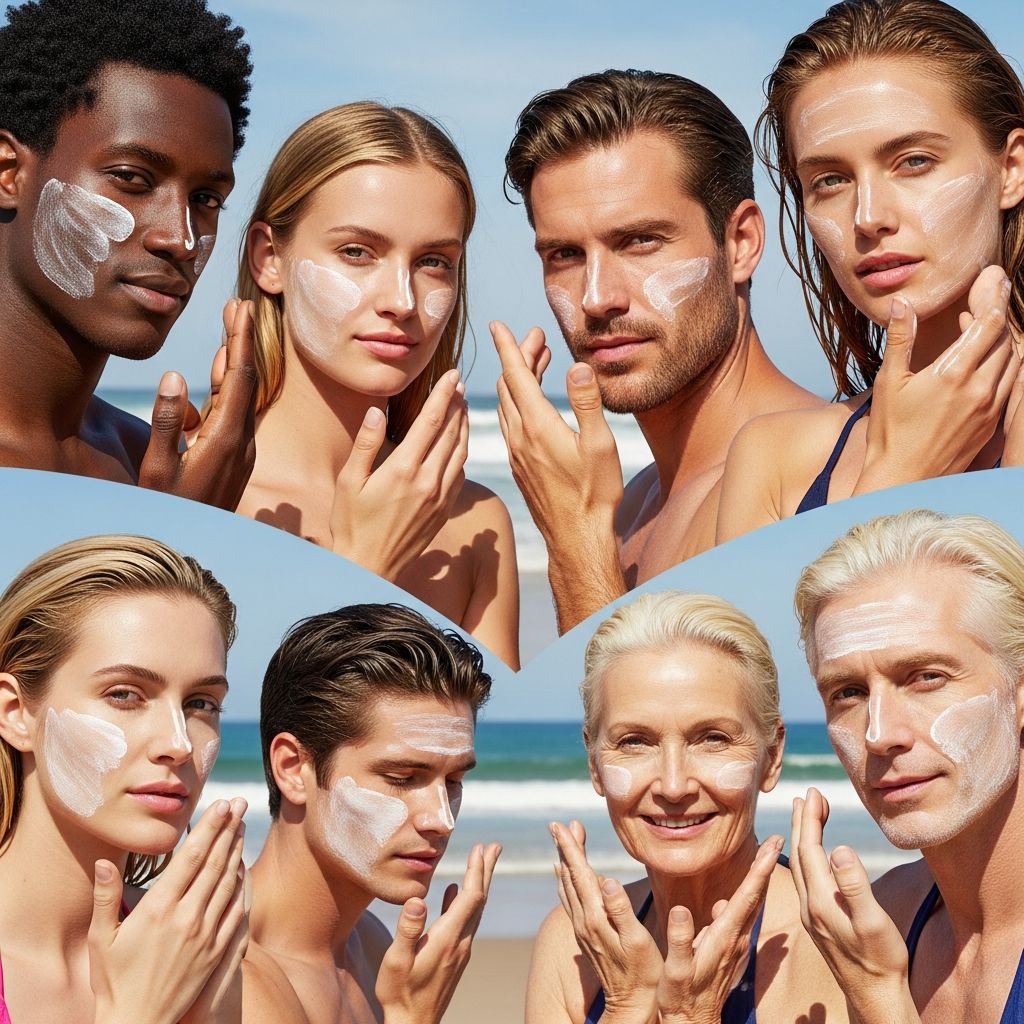
Summer brings sun, heat, and sweat, which can exacerbate skin conditions like eczema, rosacea, acne, and contact dermatitis if you don’t tailor your routine to your skin type. Identifying whether you have oily, dry, combination, or sensitive skin allows for targeted protection against environmental triggers, ensuring healthier skin during peak season.
What Are the Different Skin Types?
Skin types are primarily classified into four categories: oily, dry, combination, and sensitive. Each responds uniquely to summer’s heat, humidity, UV exposure, and irritants like sunscreen or sweat.
- Oily skin: Produces excess sebum, leading to shine, enlarged pores, and acne-prone breakouts worsened by humidity.
- Dry skin: Lacks moisture, feeling tight or flaky; low humidity and sun exposure intensify this, risking cracks and irritation.
- Combination skin: Oily in T-zone (forehead, nose, chin) but dry elsewhere, complicating uniform care in varying weather.
- Sensitive skin: Prone to redness, itching, or rashes from triggers like fragrances, heat, or allergens, common in contact dermatitis.
Determining your type involves observing oiliness after cleansing, reaction to products, and environmental responses. Dermatologists recommend consulting a professional for accurate assessment.
How Summer Affects Your Skin
High temperatures increase sweat and oil production, clogging pores and fostering bacteria for acne or folliculitis. UV rays trigger photocontact dermatitis when chemicals like sunscreens react with sunlight, causing rashes.
Humidity disrupts the skin barrier, especially for dry or eczema-prone skin, leading to transepidermal water loss. Heat dilates blood vessels, flaring rosacea with redness and bumps. Environmental irritants like pollen or chlorine from pools provoke allergic contact dermatitis.
| Skin Condition | Summer Trigger | Symptoms |
|---|---|---|
| Contact Dermatitis | Sunscreens, fragrances + UV | Redness, itch, scaling on contact areas |
| Eczema | Low humidity, sweat | Dry, inflamed patches |
| Rosacea | Heat, sun | Facial redness, pustules |
| Acne | Oil + sweat | Breakouts, blackheads |
Why Skin Type Knowledge Prevents Problems
Tailoring skincare prevents mismatches that worsen conditions. Oily skin needs oil-free products to avoid clogged pores; dry skin requires rich moisturizers to combat evaporation.
Ignoring type leads to irritant contact dermatitis from harsh cleansers or allergic reactions to incompatible sunscreens. Proactive knowledge reduces flare-ups, with studies showing emollients alone suffice for mild cases.
Skin Care Tips by Type for Summer
Oily Skin
Use gel cleansers and mattifying sunscreens. Blot excess oil; avoid heavy creams that trap sweat.
- Cleanse twice daily with salicylic acid.
- Opt for non-comedogenic SPF 30+.
- Exfoliate gently 2-3 times weekly.
Dry Skin
Prioritize ceramide-rich moisturizers and humectant sunscreens. Hydrate internally with water.
- Avoid hot showers; use lukewarm.
- Apply emollients post-bath.
- Use soap substitutes like aqueous cream.
Combination Skin
Treat zones separately: mattify T-zone, hydrate cheeks. Lightweight, balancing products work best.
Sensitive Skin
Choose fragrance-free, hypoallergenic items. Patch-test new products; mineral sunscreens minimize irritation.
For all types, seek shade, wear protective clothing, and reapply SPF every 2 hours. Avoid peak sun (10am-4pm).
Related Stories



Common Summer Skin Conditions and Your Type
Contact Dermatitis
Arises from irritants (soaps, detergents) or allergens (plants, metals). Summer amplifies with sweat-activated exposure. Symptoms: delayed redness, itch on contact sites like hands or face. Treatment: avoid trigger, use steroid creams, moisturize.
Heat Rash and Eczema Flares
Prickly heat from blocked ducts in humid conditions affects oily/combination skin. Eczema worsens with dryness or irritants; dry/sensitive types are vulnerable.
Rosacea and Acne Aggravation
Heat triggers rosacea flushing, especially sensitive skin. Acne thrives in oily summer sweat.
Treatments and When to See a Doctor
Moisturizers are first-line for most. Topical steroids clear dermatitis inflammation. Patch testing identifies allergens for contact cases.
Seek medical help for persistent rashes, blisters, infection signs (pus, fever), or non-fading red/purple marks indicating serious issues like cellulitis.
Frequently Asked Questions (FAQs)
Q: How do I identify my skin type?
A: Wash face, wait 1 hour without products. Shiny all over = oily; tight/flaky = dry; mixed = combination; reactive = sensitive.
Q: Can summer sun cause contact dermatitis?
A: Yes, photocontact dermatitis occurs when sunscreens or fragrances react with UV, causing rashes.
Q: Is contact dermatitis contagious?
A: No, it’s a reaction, not infection.
Q: How long does a summer rash last?
A: 1-3 weeks with avoidance and treatment; longer if untreated.
Q: Best sunscreen for sensitive skin?
A: Mineral-based (zinc oxide) SPF 30+, fragrance-free.
Q: Does stress worsen summer skin issues?
A: Yes, cortisol promotes inflammation in acne, eczema.
Living with skin conditions requires ongoing management, as many like eczema are chronic but controllable with lifestyle adjustments.
References
- Contact Dermatitis: Causes, Symptoms & Treatment — Patient.info. 2023. https://patient.info/skin-conditions/contact-dermatitis
- How your environment affects skin conditions — Patient.info. 2023-11-06. https://patient.info/features/general-health/how-your-environment-affects-skin-conditions
- Does stress make skin problems worse? — Patient.info. 2023. https://patient.info/features/mental-health/does-stress-make-skin-problems-worse
- Skin Rashes: Types and Causes — Patient.info. 2023. https://patient.info/skin-conditions/skin-rashes
- Living with Skin Disease — Patient.info (Doctor). 2023. https://patient.info/doctor/dermatology/living-with-skin-disease
Similar Articles








Read full bio of Sneha Tete