Why Most People Shouldn’t Follow a Gluten-Free Diet
Uncover why gluten-free diets are essential only for specific conditions and potentially harmful for the general population seeking health trends.
Gluten-free diets have surged in popularity, with many adopting them for perceived health benefits like weight loss and better digestion. However, for the vast majority without celiac disease or proven gluten sensitivity, this trend lacks scientific backing and poses nutritional risks.
What Is Gluten, and Who Actually Needs to Avoid It?
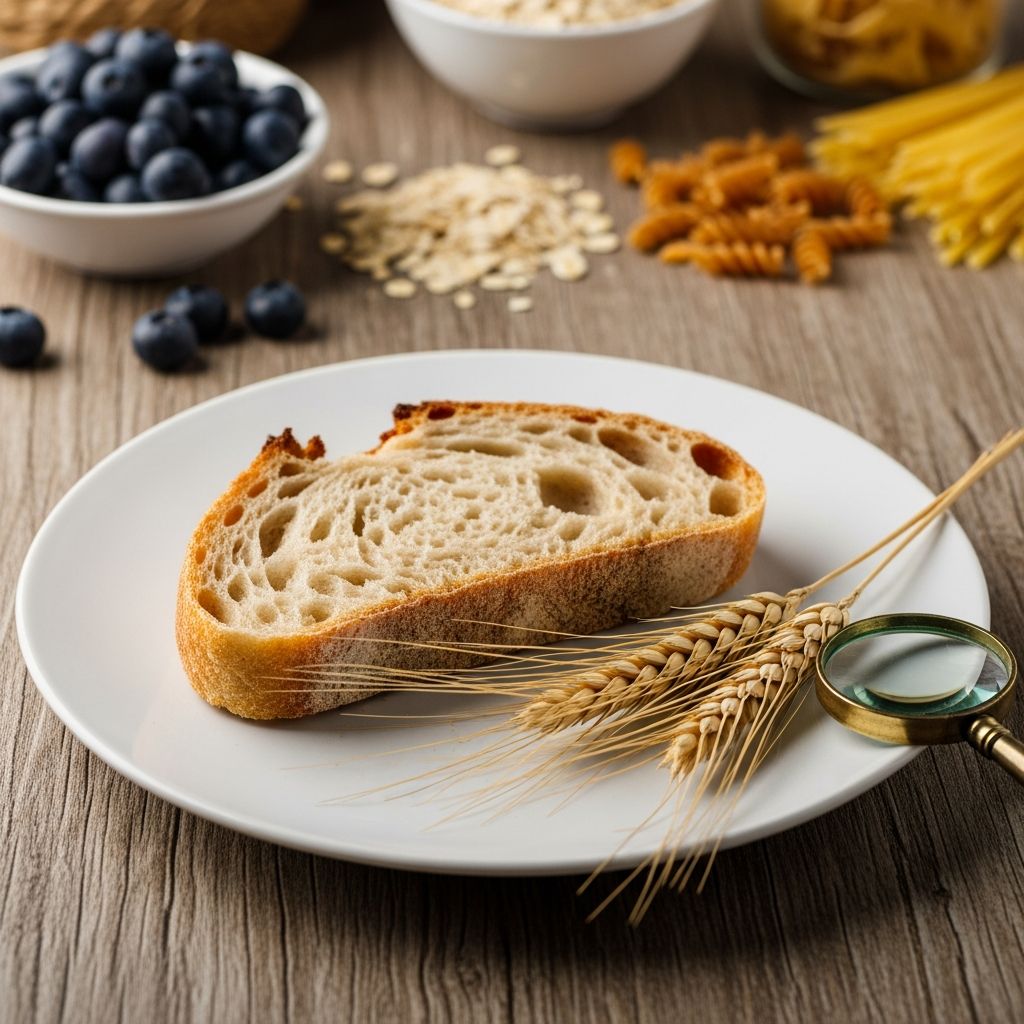
Gluten is a protein found in wheat, barley, rye, and their derivatives that gives dough its elasticity. A gluten-free diet strictly eliminates these grains, focusing on naturally gluten-free foods like fruits, vegetables, meats, and certain grains such as rice or quinoa.
Only individuals with celiac disease—an autoimmune disorder affecting about 1% of the population—must follow this diet lifelong. In celiac disease, gluten triggers immune damage to the small intestine, leading to symptoms like abdominal pain, diarrhea, and nutrient malabsorption. Strict adherence prevents intestinal damage and reduces long-term health risks.
Another group includes those with non-celiac gluten sensitivity (NCGS), who experience bloating or fatigue without intestinal damage. However, true NCGS is rare; a 2017 study found only 7% of self-reported sensitive individuals actually had it upon testing. For most, symptoms stem from FODMAPs (fermentable carbs) in wheat, not gluten itself.
- Celiac disease: Genetic, lifelong autoimmune condition requiring total gluten avoidance.
- NCGS: Symptom-based, potentially temporary; retesting after 1-2 years may be advised.
- Wheat allergy: IgE-mediated reaction, distinct from gluten issues.
Without diagnosis, self-imposed gluten-free eating is unnecessary and overlooks root causes like IBS or poor diet quality.
The Rise of the Gluten-Free Trend: Marketing Over Medicine
Gluten-free products exploded from a niche medical need to a $7 billion industry by 2020, driven by celebrity endorsements and labels claiming ‘healthier.’ A 2013 survey revealed 65% of Americans viewed gluten-free foods as healthier, with 27% using them for weight loss—despite no evidence.
This fad ignores that wheat provides 77% of U.S. grain intake and key carbs. Eliminating it without need swaps nutrient-dense whole grains for processed alternatives. Marketing preys on wellness culture, but experts like Stanford’s Christopher Gardner emphasize benefits come from ditching refined carbs, not gluten.
Nutritional Pitfalls of Gluten-Free Eating
Gluten-free diets often lead to deficiencies because replacements lack the fiber, B vitamins, iron, zinc, and folate in whole wheat. Processed gluten-free breads, cereals, and snacks are higher in sugar, fat, and calories to mimic texture, resulting in lower nutrient density.
| Nutrient | Gluten-Containing (per 100g) | Typical Gluten-Free (per 100g) | Source |
|---|---|---|---|
| Fiber | 10-12g (whole wheat bread) | 2-4g | |
| Iron | 3-4mg | 1-2mg | |
| Folate (B9) | 150-200mcg | 50-100mcg | |
| Calories (from fat/sugar) | Lower | Higher (often 20-30% more) |
Studies show gluten-free adherents consume more carbs, protein, and fat but less fiber, raising heart disease and constipation risks. Children on these diets face growth stunting from mineral shortfalls.
Related Stories



- Higher costs: Gluten-free items cost 2-3x more, straining budgets without benefits.
- Cross-contamination risks: Even labeled products must have <20 ppm gluten per FDA rules, but vigilance is needed.
- Toxicity potential: Some gluten-free rice products contain elevated arsenic.
Does Gluten-Free Lead to Weight Loss or Better Health?
No robust evidence supports weight loss or health gains for non-celiac individuals. Perceived benefits often arise from cutting processed junk foods heavy in refined wheat, not gluten avoidance. A gluten-free diet can even cause weight gain due to calorie-dense substitutes and improved absorption in newly diagnosed celiacs.
Claims of enhanced athletic performance, gut health, or overall vitality remain unproven; more research is needed. For most, whole grains like oats or quinoa outperform gluten-free processed options.
Who Should Consider a Gluten-Free Diet?
Essential for:
- Celiac disease patients: Lifelong strict adherence heals the gut and prevents complications like osteoporosis or lymphoma.
- Diagnosed NCGS or wheat allergy: Under medical guidance.
Not recommended for:
- General weight loss or ‘detox’ seekers: Focus on balanced, whole-food diets instead.
- Those without symptoms: Risks outweigh unproven perks.
Consult a doctor or dietitian for testing before starting. Self-diagnosis fuels the fad.
How to Follow a Gluten-Free Diet Safely (If Needed)
For those who must, prioritize nutrient-rich foods:
- Naturally gluten-free: Fresh produce, eggs, lean meats, dairy, nuts, seeds, legumes.
- Grains: Quinoa, buckwheat, millet, sorghum, certified gluten-free oats.
- Tips: Read labels (<20 ppm gluten), avoid cross-contamination, supplement if deficient (e.g., iron).
Boost fiber with:
- Quinoa or teff porridge for breakfast.
- Bean salads or veggie stir-fries.
- Gluten-free whole-grain pasta over rice-based.
Alternatives to Gluten-Free for Better Health
Instead of blanket avoidance, opt for whole grains: 100% whole wheat bread, barley soups, or rye for sustained energy and fiber. A Mediterranean-style diet with diverse grains outperforms fads.
Frequently Asked Questions (FAQs)
Is a gluten-free diet healthier for everyone?
No. It’s vital for celiac disease but can cause nutrient deficiencies and weight gain in others due to processed replacements.
Can gluten-free help with bloating or fatigue?
Possibly if NCGS is confirmed, but symptoms often trace to FODMAPs or diet quality. Get tested first.
Are all gluten-free foods safe?
They must have <20 ppm gluten per FDA, but check for added sugars/fats and contaminants like arsenic in rice.
Will going gluten-free make me lose weight?
Not reliably; many products are higher-calorie. Benefits come from fewer processed foods, achievable without gluten-free labels.
How do I improve nutrition on a gluten-free diet?
Emphasize whole foods: fruits, veggies, legumes, and gluten-free grains like quinoa. Consult a dietitian.
References
- Gluten-free diet – Mayo Clinic — Mayo Clinic. 2023-10-15. https://www.mayoclinic.org/healthy-lifestyle/nutrition-and-healthy-eating/in-depth/gluten-free-diet/art-20048530
- A skeptical look at popular diets: Going gluten-free — Stanford Medicine. 2019-02-20. https://med.stanford.edu/news/insights/2019/02/a-skeptical-look-at-popular-diets-going-gluten-free.html
- Navigating the Gluten-Free Boom: The Dark Side of Gluten Free Diet — Frontiers in Pediatrics. 2019-11-08. https://www.frontiersin.org/journals/pediatrics/articles/10.3389/fped.2019.00414/full
- The Gluten-Free Diet: Fad or Necessity? — National Center for Biotechnology Information (PMC). 2017-05-22. https://pmc.ncbi.nlm.nih.gov/articles/PMC5439366/
Similar Articles








Read full bio of Sneha Tete