Nature Sounds: The Science And Benefits Of Relaxation
Discover the science behind nature sounds' power to reduce stress, calm the mind, and promote relaxation in everyday life.
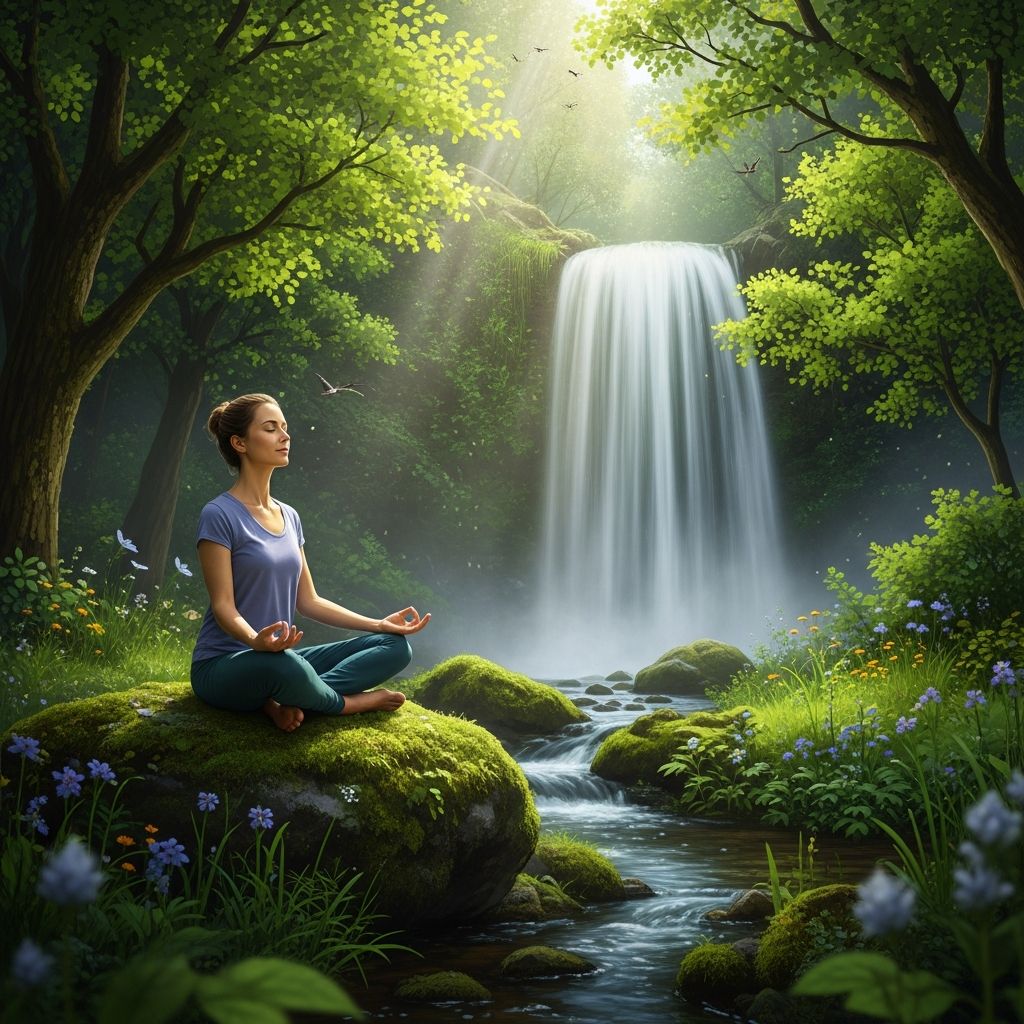
Nature sounds, such as the gentle flow of a stream, birds chirping, or wind rustling through leaves, have a profound calming effect on the human mind and body. Scientific research demonstrates that these auditory experiences physically alter brain connections, diminish the body’s stress response, and foster a state of relaxation.
The Science Behind Nature Sounds and Relaxation
Listening to
nature sounds
triggers measurable changes in brain activity and physiology. A study using functional magnetic resonance imaging (fMRI) on 17 healthy adults revealed that natural soundscapes shift brain patterns from inward-focused attention—linked to worry and rumination—to outward-focused attention, which promotes calm. This transition reduces activity in the brain’s default mode network, associated with mind-wandering and stress-related conditions like anxiety and depression.Heart rate monitoring in the same research showed nature sounds decrease sympathetic nervous system activity (the ‘fight-or-flight’ response) while boosting parasympathetic activity (the ‘rest-and-digest’ response). Participants exhibited faster reaction times and better attention during natural sound exposure compared to artificial noises like traffic or machinery.
A comprehensive meta-analysis of 36 publications confirmed these findings, reporting a 28% reduction in stress and annoyance (effect size g = −0.60) and a 184% improvement in health and positive affect outcomes (g = 1.63) from natural sounds. Water sounds yielded the largest benefits for positive affect (g = 2.01), while birdsong was most effective against stress (g = 1.11).
How Nature Sounds Reduce Stress
**Nature sounds** counteract stress by signaling safety to the brain. Evolutionary psychology suggests humans are wired to respond positively to acoustic cues indicating a secure environment, free from threats. Unlike urban noise, which heightens vigilance, natural sounds like flowing water or bird calls promote autonomic recovery, lowering arousal and enabling mental recuperation.
Stress Recovery Theory explains this as nature being perceived as non-threatening, leading to rapid physiological restoration. Attention Restoration Theory adds that natural sounds replenish directed attention without fatigue, unlike constant urban stimulation. Those with initially high stress levels benefit most, experiencing the greatest drops in sympathetic responses.
Recent research reinforces that natural sounds outperform quiet environments in stress reduction, with consistent evidence across studies. In national parks, sites rich in natural sounds (present over 23% of the time) and low in human noise support visitor health and enjoyment.
Brain Changes from Listening to Nature Sounds
Brain scans provide direct evidence of transformation. During fMRI sessions with five-minute soundscapes, artificial sounds correlated with inward rumination patterns, while
nature sounds
encouraged external focus. This shift mitigates psychological stress linked to disorders like PTSD.The autonomic nervous system’s response further illustrates impact: reduced fight-or-flight activation allows relaxation. Behavioral tasks showed improved performance, with slower reactions under manmade noise but quicker under natural audio.
Related Stories



Best Nature Sounds for Relaxation
- Water sounds (e.g., rivers, waves, rain): Largest effect on health and mood (g = 2.01). Their continuity masks disruptive noise and evokes survival-associated calm.
- Birdsong: Strongest for stress/annoyance reduction (g = 1.11). Indicates biodiversity and safety.
- Wind and leaves rustling: Promotes external attention and focus.
- Mixed natural soundscapes (e.g., forests): Enhance overall positive affect.
Familiar sounds amplify benefits; unfamiliar ones may distract. Personal preference matters—rainforest noises relax those accustomed to them more effectively.
Practical Ways to Use Nature Sounds
Incorporate
nature sounds
into daily routines for stress relief:- Take short walks in green spaces for authentic exposure.
- Use apps or sound machines with high-quality tracks during work or sleep.
- Play sounds while focusing on tasks to boost concentration.
- Minimize manmade noise at home to enhance effects.
Lead researcher Cassandra Gould van Praag recommends brief outdoor escapes or app-based listening when desk-bound. Improved sleep quality follows, as reduced autonomic stress breaks the poor sleep-stress cycle.
Nature Sounds in National Parks and Urban Settings
Only 11.3% of U.S. national park sites feature abundant natural sounds with minimal anthropogenic noise, highlighting preservation needs. In urban areas, natural audio combats noise pollution’s health toll, masking traffic and reducing annoyance.
Even alongside noise, prominent natural sounds improve soundscape perception and calmness.
Benefits Beyond Stress Reduction
| Outcome | Effect from Natural Sounds | Evidence |
|---|---|---|
| Positive Affect & Health | 184% improvement | Meta-analysis g=1.63 |
| Stress & Annoyance | 28% reduction | Meta-analysis g=-0.60 |
| Attention & Reaction Time | Faster, improved focus | fMRI study |
| Mood & Cognitive Performance | Enhanced | Systematic review |
| Pain Reduction | Decreased | Multiple studies |
**Nature sounds** also lower psychiatric risks, improve attention, and elevate mood, per broader nature exposure research.
Frequently Asked Questions (FAQs)
Do nature sounds work for everyone?
Yes, but those with high baseline stress see the largest benefits. Low-stress individuals may experience mild increases, yet overall effects are positive.
How long should I listen to nature sounds?
Even 5 minutes can shift brain activity and heart rate. Daily exposure, like short walks or app sessions, maximizes gains.
Are apps as effective as real nature?
High-quality, familiar recordings rival live exposure for relaxation and focus, especially when outdoors isn’t feasible.
Which nature sound is best for sleep?
Water sounds excel for calming the autonomic system, reducing fight-or-flight to promote restful sleep.
Can nature sounds help with anxiety or depression?
By curbing inward rumination and sympathetic responses, they alleviate symptoms associated with these conditions.
More on Incorporating Nature Sounds
Experiment with playlists combining birdsong and water for optimal effects. In workspaces, they enhance productivity by sustaining attention. Public health strategies, like park soundscape management, could amplify these benefits population-wide.
Preserving quiet natural areas remains crucial amid rising urban noise, ensuring access to restorative audio environments.
References
- Why Nature Sounds Help You Relax, According to Science — TIME. 2017-06-28. https://time.com/4727058/nature-sounds-relaxation-stress/
- A synthesis of health benefits of natural sounds and their distribution — National Library of Medicine (PMC). 2021-04-12. https://pmc.ncbi.nlm.nih.gov/articles/PMC8040792/
- The effect of exposure to natural sounds on stress reduction — Taylor & Francis (peer-reviewed journal). 2024. https://www.tandfonline.com/doi/abs/10.1080/10253890.2024.2402519
- Nurtured by nature — American Psychological Association. 2020-04-01. https://www.apa.org/monitor/2020/04/nurtured-nature
Similar Articles








Read full bio of Sneha Tete