Why Darker Skin Has Higher Atopic Dermatitis Risk
Discover why individuals with darker skin tones face elevated risks and unique challenges with atopic dermatitis, from prevalence to treatment disparities.
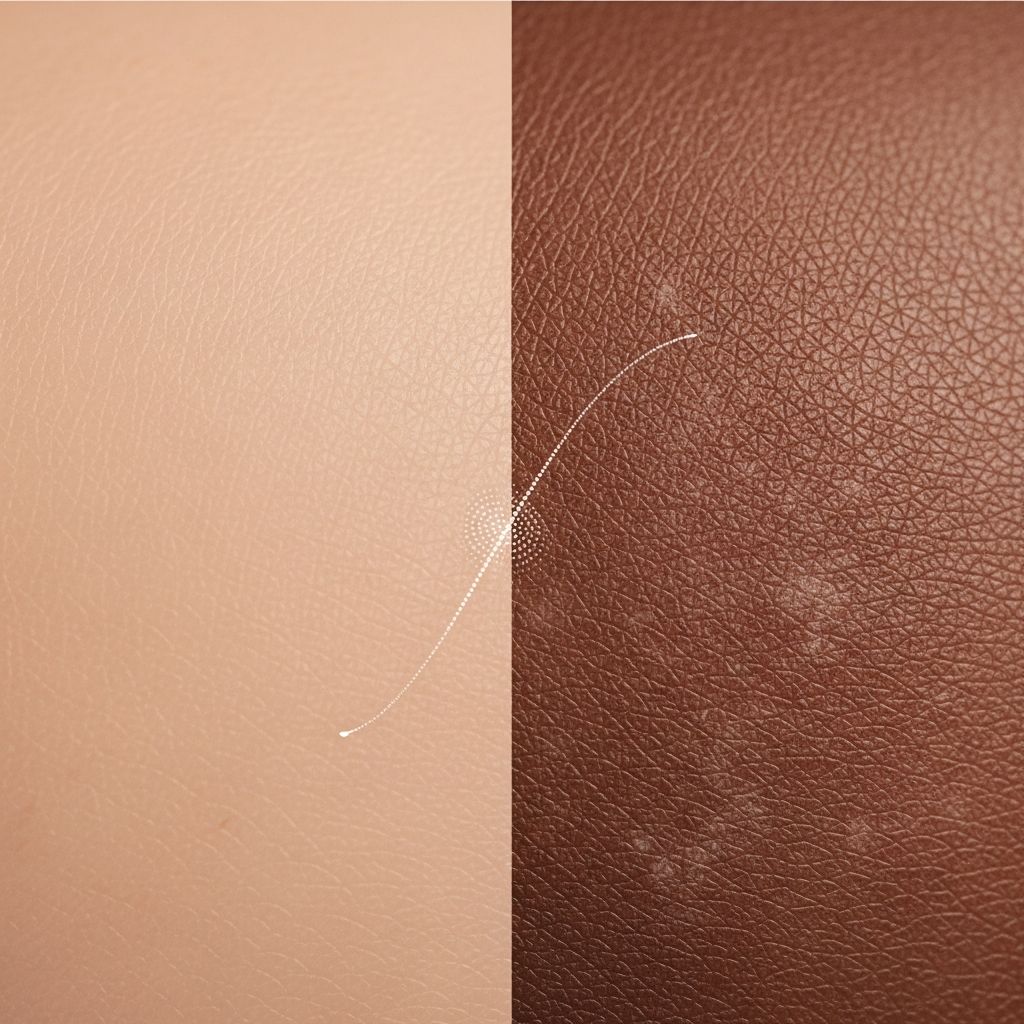
Atopic dermatitis, commonly known as eczema, affects people across all skin tones, but research consistently shows that individuals with darker skin—particularly Black children and adults—experience higher prevalence, greater severity, and unique clinical presentations compared to those with lighter skin. In the United States, Black children are 1.7 to 2 times more likely to develop atopic dermatitis than White children, a disparity that persists even after adjusting for socioeconomic factors like income, insurance, and location. This elevated risk stems from a combination of genetic, environmental, immunological, and healthcare access factors, leading to more persistent disease and challenges in diagnosis and treatment.
What Is Atopic Dermatitis?
Atopic dermatitis is a chronic inflammatory skin condition characterized by intense itching, dry skin, and red, inflamed patches that can flare up periodically. It often begins in childhood and is part of the ‘atopic triad,’ which includes asthma and allergic rhinitis. The strongest risk factor is a family history of atopic diseases, affecting about 70% of patients; children with one atopic parent have 2-3 times the risk, rising to 3-5 times if both parents are affected. While the exact cause involves a defective skin barrier, immune dysregulation, and environmental triggers, its manifestation varies significantly by skin tone.
In people with lighter skin, atopic dermatitis typically appears as red, inflamed patches on flexor areas like elbows and knees. However, in darker skin tones, the redness is less visible, often presenting as darker, rough, scaly, or papular lesions, which can delay diagnosis. Post-inflammatory hyperpigmentation—dark spots left after flares—is also more common and can persist for months.
Higher Prevalence in People with Darker Skin
Population studies reveal stark racial disparities. Black children in the U.S. are 1.7 times more likely to have atopic dermatitis than White children, based on the National Survey of Children’s Health, even after controlling for insurance, income, urban/rural setting, and parental education. Severe atopic dermatitis is six times more common in Black children. African descent individuals are three times more likely to receive an atopic dermatitis diagnosis during dermatology visits, yet they seek care less frequently overall.
These trends extend globally. Studies like ISAAC Phase 1 and 3 link higher prevalence and severity to proximity to the equator, where warmer climates and environmental factors may exacerbate the condition. In adults, similar patterns hold, with Black and Latinx populations showing greater persistence into adulthood.
Genetic Factors Behind the Disparity
Genetics play a pivotal role, but not in ways tied directly to skin pigmentation. Loss-of-function mutations in the filaggrin (*FLG*) gene, crucial for skin barrier integrity, are the strongest genetic risk factor for atopic dermatitis. However, these mutations are far less common in people of African descent; Black children with atopic dermatitis are nearly six times less likely to have *FLG* null mutations than White children.
Genome-wide association studies (GWAS) have identified 31 risk loci related to immune modulation and epithelial barrier function, with variations across ethnic groups. This suggests that other genes, possibly linked to heightened immune responses, contribute to higher risks in darker skin tones. Environmental interactions amplify these genetic predispositions, as no single gene explains the full disparity.
Differences in Clinical Presentation
Atopic dermatitis looks and feels different on darker skin, impacting diagnosis and management. Key distinctions include:
- Less visible inflammation: Redness is subtle, replaced by hyperpigmentation, hypopigmentation, or grayish tones.
- Prurigo nodularis and lichenification: Thickened, leathery skin from chronic scratching is more prevalent due to intense pruritus (itching).
- Periorbital dark circles: Common in African descent patients.
- Epidermal hyperplasia: Thicker epidermis, higher Ki67 (proliferation marker), and parakeratosis observed histologically.
Related Stories



These features lead to misdiagnosis or underdiagnosis, as clinicians trained on lighter skin may overlook signs. Transepidermal water loss (TEWL), a marker of barrier dysfunction, shows mixed results; some studies find lower TEWL in Black patients despite worse severity.
Immune and Molecular Differences
At the molecular level, atopic dermatitis in skin of color involves distinct immune profiles. Increased expression of IL-22 (Th22 shift) and IL-17 in lesions and serum indicates stronger inflammatory responses. Conjunctival epithelial cells in atopic dermatitis patients show elevated inflammatory proteins. Staphylococcus aureus colonization, a severity driver, is higher in Black children, possibly linked to urban exposures.
Food allergies may trigger or worsen flares, with evidence suggesting bidirectional links: atopic dermatitis sensitizes to foods, and vice versa. Comorbidities like alopecia areata (RR 2.5) and vitiligo (RR 7.5) are more common.
Environmental and Lifestyle Contributors
External factors exacerbate genetic risks. Key influences include:
- Climate: Warmer, humid equatorial regions correlate with higher prevalence.
- Staphylococcus aureus: Higher colonization rates in low-income urban areas increase severity.
- Psychosocial stress: Maternal stress links to higher IgE in children; Black children have elevated IgE levels.
- Exposome: Pollutants, allergens, and chemicals worsen barrier-impaired skin.
Dry climates far from the equator may protect, but urban exposures often dominate.
Challenges in Diagnosis and Treatment
Social and economic barriers compound biological risks. People with skin of color face diagnostic delays due to atypical presentations and clinician bias. They visit dermatologists less but receive diagnoses more often when they do, indicating severity.
| Challenge | Impact on Darker Skin | Example |
|---|---|---|
| Atypical symptoms | Overlooked redness | Diagnosed as another condition |
| Access barriers | Fewer specialist visits | 3x diagnosis rate when seen |
| Treatment response | Hyperpigmentation lingers | Months to fade |
| Infection risk | Cracks from scratching | Bacterial spread |
Treatments like topical steroids work but must address hyperpigmentation and infections aggressively.
Treatment and Management Strategies
Effective management requires tailored approaches:
- Moisturize aggressively: Barrier repair with ceramide-based creams.
- Topicals: Low-potency steroids; calcineurin inhibitors for face.
- Infection control: Bleach baths or antibiotics for S. aureus.
- Biologics: Dupilumab for severe cases.
- Lifestyle: Avoid triggers, manage stress, use humidifiers.
Patient education on itch-scratch cycles is crucial, as pruritus drives lichenification.
Frequently Asked Questions (FAQs)
What causes higher atopic dermatitis risk in darker skin?
Genetic factors like non-*FLG* immune genes, higher S. aureus colonization, environmental exposures, and diagnostic barriers contribute, beyond pigmentation itself.
Does atopic dermatitis look different on Black skin?
Yes—less red, more hyperpigmented, lichenified, with nodules and periorbital changes.
Can genetics explain the disparity?
Partially; *FLG* mutations are rarer in Black patients, but other loci increase risk.
How is severe atopic dermatitis treated in skin of color?
Combine moisturizers, topicals, infection control, and systemic therapies; address psychosocial factors.
Is family history a bigger factor?
Yes, 70% of cases have atopic family history, amplifying risks across ethnicities.
References
- Understanding Atopic Dermatitis in Skin of Color — Allergy Asthma Network. 2023. https://allergyasthmanetwork.org/podcast/understanding-atopic-dermatitis-in-skin-of-color/
- Ethnic and Racial Disparities in Clinical Manifestations of Atopic Dermatitis — PMC (NCBI). 2024-07-22. https://pmc.ncbi.nlm.nih.gov/articles/PMC11210272/
- Reframing racial and ethnic disparities in atopic dermatitis in Black and Latinx patients — PMC (NCBI). 2021. https://pmc.ncbi.nlm.nih.gov/articles/PMC8578465/
- Eczema types: Atopic dermatitis causes — American Academy of Dermatology (AAD). 2024. https://www.aad.org/public/diseases/eczema/types/atopic-dermatitis/causes
- Atopic dermatitis (eczema) – Symptoms and causes — Mayo Clinic. 2024. https://www.mayoclinic.org/diseases-conditions/atopic-dermatitis-eczema/symptoms-causes/syc-20353273
Similar Articles








Read full bio of medha deb