Perfectionism: 5 Strategies To Stop It From Killing You
Unhealthy perfectionism links to depression, anxiety, stress, and suicide risk—learn how to recognize and overcome it for better mental health.
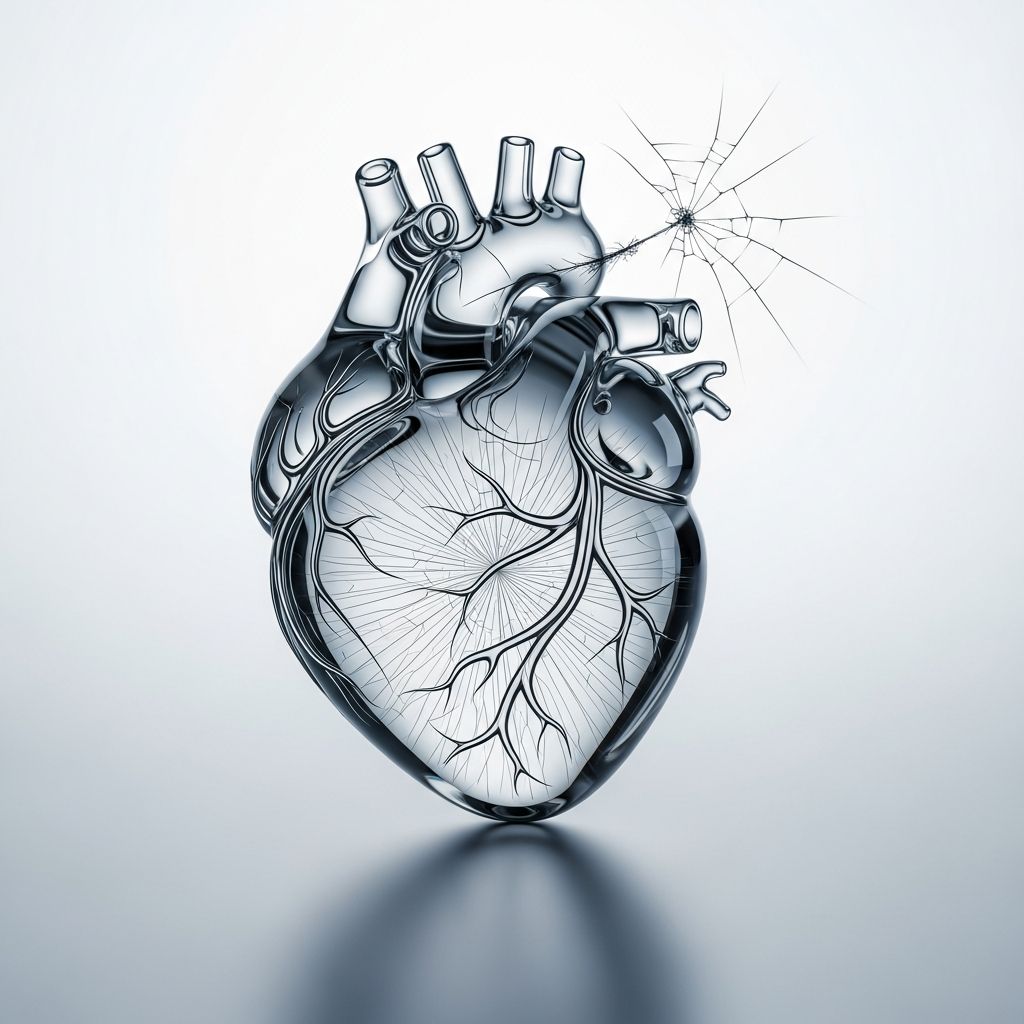
Perfectionism often masquerades as a virtue, pushing people toward excellence and success. However, when it crosses into maladaptive territory—demanding flawlessness at all costs—it becomes a silent killer of mental and physical health. Research shows maladaptive perfectionism strongly correlates with depression, anxiety, stress, and even elevated suicide risk, creating a cycle of self-criticism and emotional distress.
What Is Perfectionism?
Perfectionism is characterized by setting excessively high standards paired with overly critical self-evaluations. While adaptive perfectionism fosters ambition and satisfaction from attainable goals, maladaptive forms insist on flawlessness, leading to persistent dissatisfaction. According to studies, this trait manifests in dimensions like high standards (potentially positive) and discrepancy (the gap between ideals and reality, which predicts negative outcomes).
High-achievers frequently exhibit perfectionist traits, but the unhealthy variant leaves individuals feeling perpetually inadequate. Nurses and healthcare workers, for instance, are particularly vulnerable due to demanding professions where errors feel catastrophic.
Adaptive vs. Maladaptive Perfectionism
Perfectionism isn’t inherently bad. Adaptive perfectionism involves striving for excellence with flexibility, leading to accomplishment and resilience. In contrast, maladaptive perfectionism demands absolute perfection, fostering fear of failure and criticism.
| Type | Characteristics | Mental Health Impact |
|---|---|---|
| Adaptive | High but realistic standards; accepts good enough; focuses on growth | Positive: higher life satisfaction, lower depression |
| Maladaptive | Unrealistic standards; rumination on flaws; fear of mistakes | Negative: depression, anxiety, stress, low self-esteem |
High standards alone can reduce depression but may increase stress, while discrepancy—the perceived shortfall—drives most harm, predicting depression, anxiety, and reduced life satisfaction.
Signs You Might Be a Perfectionist
- Procrastination due to fear of imperfect results
- Rumination over minor mistakes, replaying them endlessly
- Difficulty accepting compliments or “good enough” work
- Avoiding tasks where success isn’t guaranteed
- Intense anger or shame after any perceived failure
- Overworking to exhaustion, neglecting self-care
These behaviors signal “clinically significant” perfectionism, where concern over mistakes and self-doubt dominate, heightening depression vulnerability.
How Perfectionism Causes Depression
Maladaptive perfectionism fuels depression through self-worth tied solely to achievements. When goals falter—even slightly—self-esteem plummets, triggering shame, rumination, and hopelessness. Perfectionists brood excessively, expecting negative outcomes and isolating socially.
Key mechanisms include:
- Contingent self-worth: Value depends on perfection, leading to despair on shortfalls.
- Rumination: Constant mental replays of errors deepen negative mood.
- Low self-esteem: Correlates highly with internalized shame.
Studies confirm perfectionism as a risk factor for major depressive disorder, with socially prescribed perfectionism (feeling others demand your flawlessness) strongly linked.
Physical Health Risks
Beyond mental tolls, perfectionism ravages the body. Chronic stress from self-imposed pressure elevates cortisol, straining the heart and immune system. Research links it to insomnia, hypertension, and weakened immunity—literally shortening life via “perfectionism stress syndrome.”
Perfectionists often ignore health signals, pushing through exhaustion, which compounds risks like cardiovascular disease and gastrointestinal issues from prolonged anxiety.
Related Stories



Perfectionism in Relationships
Unhealthy perfectionism poisons personal and professional bonds. Expecting flawlessness from others breeds criticism and resentment, while self-focus erodes empathy. Partners feel inadequate; colleagues face impossible standards.
Socially prescribed perfectionism—believing others judge you harshly—amplifies isolation and depression. Families suffer as perfectionists withdraw to avoid “failure” exposure.
Workplace Perfectionism
In high-stakes fields like healthcare, perfectionism drives excellence but burnout. Nurses with maladaptive traits set unrealistic goals, ruminate on errors, and decline help, increasing depression and suicide risk. A study found perfectionism predicts poorer treatment outcomes in mental health therapy, perpetuating cycles.
Perfectionism and Suicide Risk
The darkest outcome: elevated suicide ideation. Clinically significant perfectionism correlates with suicidal thoughts, especially in vulnerable groups like pregnant women or those with eating disorders. Discrepancy fuels feelings of worthlessness, a core suicide predictor.
Overcoming Perfectionism: Strategies That Work
Recovery starts with awareness. Cognitive-behavioral techniques reframe thoughts, replacing “must be perfect” with “progress suffices.”
- Practice self-compassion: Treat yourself as a kind friend during setbacks.
- Set realistic goals: Break tasks into achievable steps; celebrate progress.
- Limit rumination: Use mindfulness or scheduled “worry time” to interrupt cycles.
- Seek therapy: CBT or acceptance-commitment therapy targets perfectionist beliefs effectively.
- Embrace imperfection: Intentionally do tasks “good enough” to build tolerance.
Research supports these: reducing discrepancy lowers depression and anxiety. Nurses should screen for perfectionism in patients and colleagues.
Frequently Asked Questions (FAQs)
Is perfectionism a mental illness?
No, but maladaptive forms are a risk factor for disorders like depression and anxiety.
Can perfectionism be genetic?
Twin studies suggest partial heritability, but environment amplifies it.
Does everyone need some perfectionism to succeed?
Adaptive levels aid achievement; excess harms.
How does perfectionism affect children?
It raises mental health risks in adolescents, linking to anxiety and depression.
Can medication help perfectionism?
Not directly; therapy addresses roots, while meds treat co-occurring depression/anxiety.
References
- Perfectionism and Depression: Vulnerabilities Nurses Need to … — National Institutes of Health (NIH). 2011-08-26. https://pmc.ncbi.nlm.nih.gov/articles/PMC3169326/
- The distinct link of perfectionism with positive and negative mental … — Frontiers in Psychiatry. 2025. https://www.frontiersin.org/journals/psychiatry/articles/10.3389/fpsyt.2025.1492466/full
- Perfectionism and Depression — News-Medical.net. N/A. https://www.news-medical.net/health/Perfectionism-and-Depression.aspx
- The many faces of perfectionism — American Psychological Association (APA). 2003-11. https://www.apa.org/monitor/nov03/manyfaces
- Perfectionism and mental health problems — National Institutes of Health (NIH). 2022. https://pmc.ncbi.nlm.nih.gov/articles/PMC9125265/
- The impact of perfectionism on treatment outcomes of mental health … — Taylor & Francis. 2025. https://www.tandfonline.com/doi/full/10.1080/16506073.2025.2547199?src=
Similar Articles








Read full bio of medha deb