Why Skipping Your First Mammogram Is Dangerous
Early detection saves lives: Understanding the critical importance of your first mammogram screening.
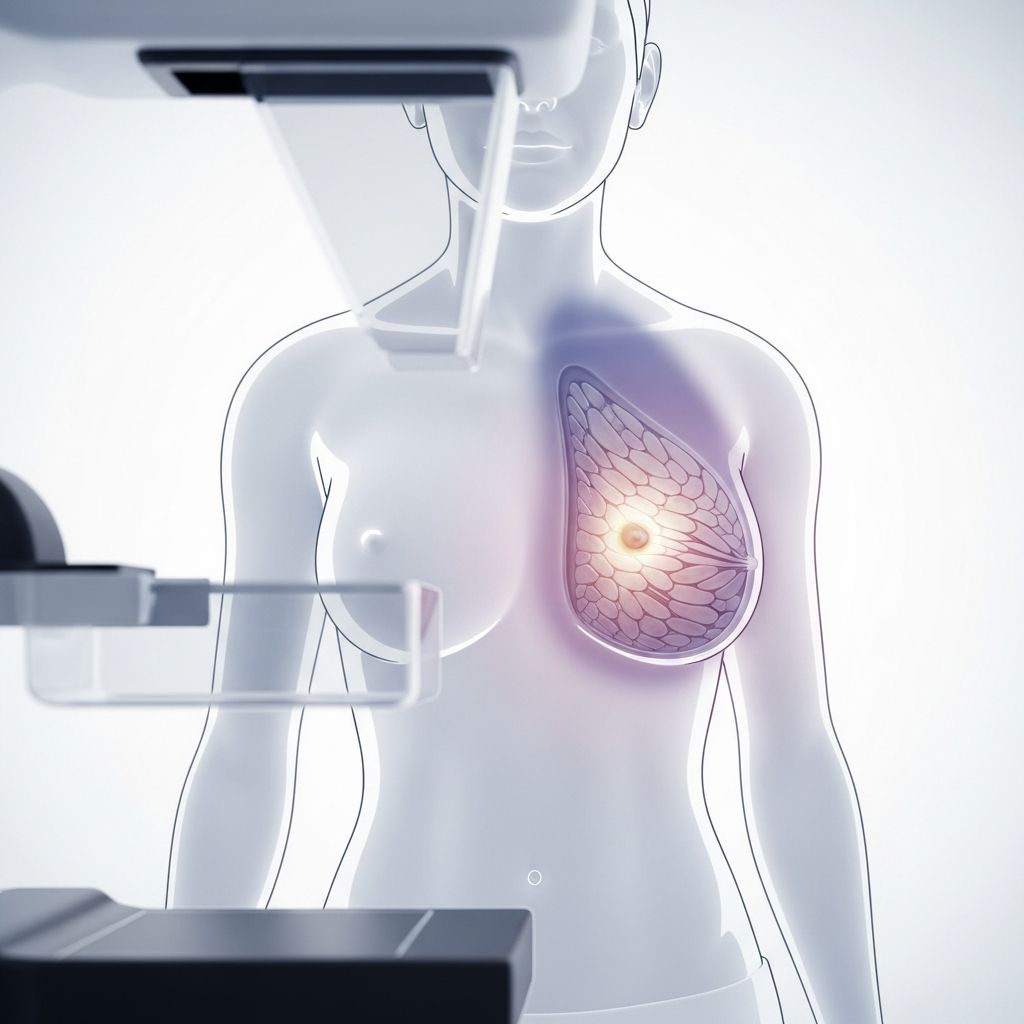
Breast cancer remains one of the leading health concerns for women worldwide, yet one of the most effective tools for early detection—the mammogram—is frequently skipped or delayed. Research demonstrates that women who do not participate in their first eligible mammogram screening face a significantly elevated long-term risk of dying from breast cancer. This critical health decision can have life-altering consequences, making understanding the importance of your initial screening appointment essential.
Understanding Mammography Screening
A mammogram is a specialized imaging procedure designed to detect breast cancer in its earliest stages, often before a woman or her doctor can feel a lump. Screening mammography is distinct from diagnostic mammography; screening mammograms are performed on asymptomatic women to identify potential cancers before symptoms develop, while diagnostic mammograms are used when a woman has symptoms or abnormal findings.
The screening process is straightforward and relatively quick. A typical screening mammogram involves four views—two of each breast—and the entire procedure takes approximately 10 to 15 minutes to complete. While some women experience mild discomfort due to breast compression, the procedure is not considered painful, and the benefits far outweigh any temporary discomfort.
The Critical Importance of Your First Mammogram
The first mammogram is particularly important because it establishes a baseline for comparison in future screenings. This baseline allows radiologists to identify changes in breast tissue over time, making it easier to detect abnormalities during subsequent screenings. Without this initial reference point, detecting subtle changes becomes significantly more difficult.
Women who skip even one scheduled mammography before a breast cancer diagnosis face a higher risk of dying from their disease. The consequences of delaying your first screening can extend far into the future, potentially affecting your long-term health outcomes and survival rates.
Age Recommendations for Screening
Medical professionals recommend that women should begin receiving screening mammograms at age 40 and continue annually. However, women at high risk for developing breast cancer due to family history, genetic predisposition, or other risk factors may benefit from earlier screening or supplemental imaging techniques.
Your personal risk profile should be discussed with your healthcare provider to determine the optimal screening schedule for your individual circumstances. Those with a strong family history of breast cancer, previous breast biopsies showing certain changes, or genetic mutations like BRCA1 or BRCA2 may need to begin screening earlier or use additional imaging methods alongside standard mammography.
What Happens During Your Mammogram Appointment
Before Your Appointment
Preparation for a mammogram is minimal, which makes scheduling your appointment even more convenient. There is nothing you need to do medically to prepare before your screening. However, women who experience cyclical breast tenderness may find it beneficial to schedule their mammograms between days 7 and 14 of their menstrual cycle, when breast tissue is typically less tender and compression may be more comfortable. Additionally, wearing a two-piece outfit can make the process more convenient, as you’ll only need to remove your top.
During Your Appointment
During a screening mammogram, a trained technologist will position your breast on the imaging plate. The breast is then gently compressed to spread the tissue, allowing for clearer images and lower radiation exposure. Each breast is typically imaged from two different angles—top to bottom and side to side—creating the four standard views of a screening mammogram. The entire process usually takes just 10 to 15 minutes, and patients can return to their daily activities immediately afterward.
Related Stories



After Your Appointment
One of the advantages of modern mammography is the relatively quick turnaround time for results. Most women receive their mammogram results within 24 hours of their appointment. Approximately 90 percent of screening mammograms are considered completely normal, indicating no signs of cancer or concerning findings. Of the remaining 10 percent that show potential abnormalities, the vast majority ultimately prove to be benign, non-cancerous findings that require no further treatment.
The Consequences of Skipping Your First Mammogram
Delaying or skipping your first mammogram has serious implications for your breast health and survival outcomes. Research consistently shows that women who do not participate in their first eligible mammogram screening carry a substantially increased long-term risk for dying from breast cancer.
When breast cancer is detected through regular screening mammography, it is often caught at an earlier stage when treatment is more effective and survival rates are significantly higher. Conversely, women who skip screening may not discover their cancer until it has progressed to a more advanced stage, when treatment options are more limited and prognosis is less favorable. This delay in detection can mean the difference between a highly treatable early-stage cancer and a more serious, advanced malignancy.
Additionally, women who maintain consecutive, regularly scheduled mammogram appointments have substantially lower mortality rates from breast cancer after diagnosis. Consistent screening creates a pattern of surveillance that catches changes early and allows for timely intervention.
Beyond Screening: Supporting Breast Health
While mammograms are the gold standard for breast cancer screening, maintaining overall breast health requires a multifaceted approach. Several lifestyle modifications can complement your screening regimen and reduce your breast cancer risk:
- Exercise regularly: Physical activity reduces breast cancer risk and supports overall health
- Maintain a healthy body weight: Obesity is linked to increased breast cancer risk, particularly in postmenopausal women
- Eat a healthy diet: A diet rich in fruits, vegetables, and whole grains supports breast health
- Don’t smoke: Smoking increases cancer risk across multiple organ systems
- Limit alcohol consumption: Alcohol consumption is associated with increased breast cancer risk
- Get all recommended screening examinations: Including your yearly screening mammogram beginning at age 40
Understanding Your Mammogram Results
When you receive your mammogram results, your report will typically include one of several classifications. A normal or negative result means no signs of cancer were detected. A benign finding indicates an abnormality that is non-cancerous, such as cysts, fibroadenomas, or calcifications. A probably benign finding suggests a low probability of cancer but may warrant follow-up imaging. Suspicious abnormalities may require additional testing, and a malignant finding indicates the presence of cancer.
If your mammogram shows any abnormality, remember that additional findings often prove to be benign. Your healthcare provider will guide you through any necessary next steps and explain what additional imaging or procedures might be recommended.
Overcoming Barriers to Screening
Many women delay or skip mammograms due to concerns about discomfort, cost, radiation exposure, or anxiety about results. Understanding these concerns and how to address them is important:
- Discomfort: Mild compression discomfort is temporary and typically lasts only seconds per image
- Radiation exposure: Mammogram radiation exposure is minimal and the benefits far outweigh the small risk
- Cost: Many insurance plans cover screening mammograms, and low-cost or free options are available through community health programs
- Anxiety: Discussing concerns with your healthcare provider can help you feel more prepared and confident
The Long-Term Impact of Early Detection
Breast cancer detected through screening mammography has dramatically better outcomes than cancer detected by symptoms alone. Early-stage breast cancers have five-year survival rates exceeding 99 percent, while advanced-stage cancers have substantially lower survival rates. Your first mammogram establishes the baseline that allows for detection of changes over time, making it an investment in your long-term health and potentially your life.
Frequently Asked Questions
Q: When should I schedule my first mammogram?
A: Women should begin receiving screening mammograms at age 40 and continue annually. Women at high risk for breast cancer may benefit from earlier screening. Discuss your individual risk factors with your healthcare provider.
Q: Is a mammogram painful?
A: Mammograms may cause mild discomfort due to breast compression, but they are not considered painful. The procedure lasts only 10-15 minutes, and any discomfort is temporary.
Q: How much radiation exposure is involved in a mammogram?
A: Mammogram radiation exposure is minimal and is considered safe. The benefits of early cancer detection significantly outweigh the small radiation risk.
Q: What if my mammogram shows an abnormality?
A: Most abnormal findings (approximately 90% of follow-up cases) prove to be benign, non-cancerous conditions. Your healthcare provider will guide you through any necessary additional testing.
Q: Can I have a mammogram if I’m pregnant or breastfeeding?
A: While mammograms can be performed during pregnancy or breastfeeding if clinically necessary, it’s best to discuss timing with your healthcare provider if you suspect you might be pregnant.
Q: How often should I get a mammogram?
A: Women at average risk should receive annual screening mammograms beginning at age 40. Women at higher risk may need more frequent screening or supplemental imaging.
Taking Action: Schedule Your Mammogram Today
The decision to skip your first mammogram can have serious, long-lasting consequences for your health. Research clearly demonstrates that women who maintain consistent screening mammograms have substantially better outcomes if breast cancer is diagnosed. Your first mammogram establishes a critical baseline that allows radiologists to detect changes over time and catch cancer at its earliest, most treatable stages.
Don’t let fear, inconvenience, or doubt prevent you from taking this important step in your health care. Speak with your healthcare provider about whether now is the right time to schedule your first screening mammogram, and if you’re already eligible, make an appointment today. Early detection through mammography screening is one of the most powerful tools available for protecting your breast health and potentially saving your life.
References
- Skipping First Mammogram Screening Increases Long-Term Breast Cancer Mortality Risk — HealthDay News/EMPR. 2024. https://www.empr.com/news/skipping-first-mammogram-screening-increases-long-term-breast-cancer-mortality-risk/
- Why You Should Never Skip a Mammogram — BSW Health. 2024. https://www.bswhealth.com/blog/why-you-should-never-skip-a-mammogram
- Skipping Mammogram Increases Risk of Death from Breast Cancer — Clinical Lab Manager. 2024. https://www.clinicallab.com/skipping-mammogram-increases-risk-of-death-from-breast-cancer-25299
Similar Articles








Read full bio of medha deb