Why Stomachs Growl, Noses Run, and Yawning Is Contagious
Discover the fascinating science behind common bodily functions and reflexes.
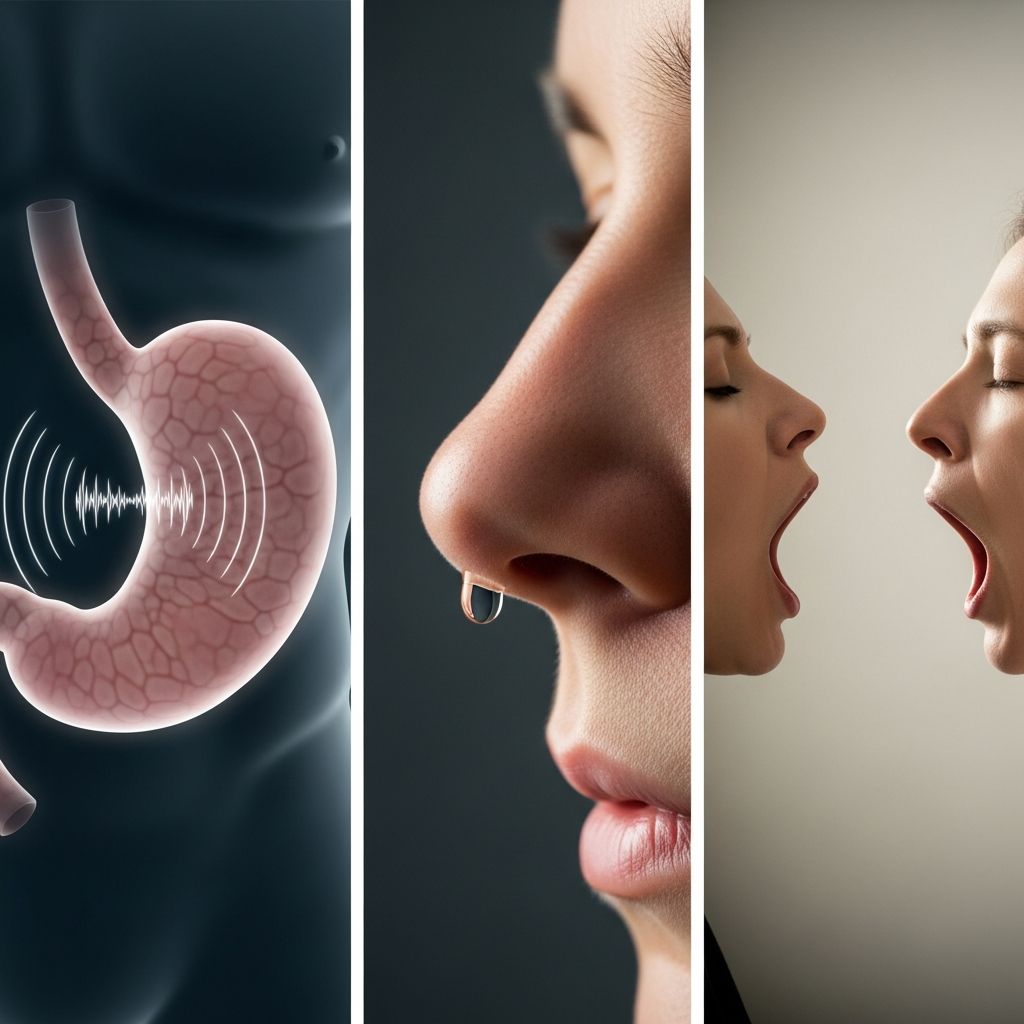
Our bodies are constantly performing remarkable functions that often go unnoticed or unexplained. From the embarrassing rumble of a hungry stomach during a quiet meeting to the sudden urge to yawn when someone else does, these bodily phenomena are more than just random occurrences. They are the result of complex physiological processes that have evolved over millions of years. Understanding the science behind these common experiences not only satisfies our curiosity but also helps us appreciate the incredible sophistication of the human body. In this comprehensive guide, we explore three fascinating bodily functions: why stomachs growl, why noses run, and why yawning appears to be contagious.
Understanding Stomach Growling: The Science of Hunger Sounds
One of the most universally recognizable sounds the human body makes is the growl of the stomach. Whether you’re in a library, classroom, or during an important presentation, stomach growling can occur at the most inconvenient times. But what exactly causes this phenomenon?
The Digestive Process and Gastric Activity
Stomach growling, medically known as borborygmi, occurs as a natural part of the digestive process. When your stomach is empty or partially empty, it begins a process called the migrating motor complex (MMC). This is essentially a series of muscle contractions that move through the stomach and small intestine to clean up any remaining food particles and prepare the digestive system for the next meal.
During this process, the stomach muscles contract rhythmically, mixing gastric juices and moving food through the digestive tract. When the stomach is empty, these contractions can be more pronounced and vigorous because there’s no food to muffle the sound. The noise you hear is actually the result of gas and fluid being pushed through the stomach and intestines during these muscular contractions.
Why Hunger Triggers Stomach Growling
When you haven’t eaten for several hours, your stomach begins to anticipate food. The walls of your stomach touch each other more closely when it’s empty, which amplifies the sound of the contractions. Additionally, the hormone ghrelin, often called the “hunger hormone,” signals the stomach to prepare for incoming food. This hormonal signal triggers increased muscular activity and acid secretion, further contributing to the growling sounds.
The timing of stomach growls is not random. Research shows that the stomach typically produces these sounds about 30 minutes to two hours after eating, though this varies depending on what you consumed and your individual metabolism. Protein-rich meals take longer to digest, so you might experience fewer growls after eating chicken or fish compared to a carbohydrate-heavy meal.
When Stomach Growling Becomes Problematic
While occasional stomach growling is completely normal, excessive or painful growling can sometimes indicate underlying digestive issues. Conditions such as irritable bowel syndrome (IBS), lactose intolerance, or food sensitivities can cause more frequent and pronounced stomach sounds. If you experience persistent growling accompanied by pain, bloating, or changes in bowel habits, it may be worth consulting with a healthcare provider.
The Runny Nose Phenomenon: Understanding Nasal Secretions
A runny nose is another common bodily function that most people experience regularly, whether due to cold weather, allergies, illness, or emotional responses. The science behind why noses run is multifaceted and involves several different mechanisms.
Related Stories



The Nasal Mucus System
The nasal passages are lined with specialized cells that produce mucus, a sticky substance that serves several important functions. Mucus traps dust, bacteria, viruses, and other particles that we breathe in, preventing them from entering the lungs. Additionally, mucus contains antibodies and enzymes that help fight off infections and maintain the health of the respiratory system.
Normally, your nose produces about one to two liters of mucus per day. Most of this mucus flows down the back of your throat without you even noticing it—a process called post-nasal drip. However, when your nose “runs,” it means your nasal passages are producing mucus at a faster rate than normal, or the mucus is thinner and more watery than usual.
Triggers for Runny Noses
Several factors can cause your nose to run. Cold temperatures are a classic trigger; when exposed to cold air, the nasal blood vessels constrict and the mucous membranes respond by increasing mucus production and secretion. This is why you might notice your nose running during winter or in air-conditioned environments.
Allergies represent another major cause of runny noses. When allergens such as pollen, pet dander, or dust mites enter the nasal passages, the immune system responds by releasing histamine. This chemical causes inflammation and increased mucus production as the body attempts to clear the allergen from the nasal passages.
Infections, particularly viral infections like the common cold or influenza, also trigger runny noses. During an infection, the immune system increases mucus production to help flush out viral particles. Emotional responses can also cause nasal secretion; some people’s noses run when they cry or laugh intensely due to stimulation of the lacrimal glands and drainage pathways connected to the nose.
The Protective Role of Nasal Mucus
Rather than being simply annoying, a runny nose often represents your body’s defensive mechanism at work. The increased mucus production helps clear irritants and pathogens from your respiratory system. This is why healthcare providers generally recommend letting a runny nose run its course rather than completely suppressing it with medications, especially during the early stages of a cold.
The Contagious Nature of Yawning: A Social Reflex
Perhaps one of the most intriguing bodily phenomena is the contagious nature of yawning. Anyone who has been in a meeting or class knows the experience: one person yawns, and suddenly, it seems like everyone around them follows suit. But why is yawning so contagious, and what purpose does it serve?
The Purpose of Yawning
Despite common assumptions, yawning is not primarily about being tired or bored, though these can trigger it. Yawning serves several important physiological functions. One theory suggests that yawning helps regulate brain temperature. When you yawn, you inhale cool air that passes through the nasal passages and cools the brain, particularly the prefrontal cortex, which is responsible for executive function and decision-making. This cooling effect can enhance alertness and cognitive performance.
Another theory proposes that yawning increases blood oxygen levels and removes carbon dioxide from the bloodstream. When you yawn, you take a deep breath and exhale fully, which increases oxygen intake and blood flow to the brain. This could explain why people yawn when they’re tired, bored, or transitioning between activities.
The Contagion Effect
Contagious yawning—where seeing or hearing someone yawn triggers your own yawn—is a fascinating neurological phenomenon. Research suggests that this contagion effect is linked to empathy and mirror neurons, which are brain cells that fire both when you perform an action and when you observe someone else performing the same action.
Studies have shown that contagious yawning is most likely to occur among people who are close to each other emotionally. Children with autism spectrum disorder or those with lower empathy levels show reduced susceptibility to contagious yawning, supporting the empathy connection. Additionally, contagious yawning appears to be more prevalent in mammals with larger brains and more complex social structures.
Individual Variations in Yawn Contagion
Not everyone is equally susceptible to contagious yawning. Research indicates that approximately 60 to 80 percent of people will yawn after witnessing someone else yawn, but individual susceptibility varies. Factors affecting susceptibility include age (children under four and elderly individuals show reduced contagious yawning), personality traits (extroverts tend to be more susceptible), and psychological state (people who are stressed or anxious may be more prone to catching yawns).
Interestingly, the contagious nature of yawning extends beyond the immediate physical presence of others. People can catch yawns from videos, photographs, or even from reading or thinking about yawning—a phenomenon demonstrated in numerous scientific studies.
The Interconnected Systems of Human Physiology
While stomach growling, runny noses, and contagious yawning may seem like unrelated phenomena, they all demonstrate the intricate interconnectedness of human physiology. Each of these functions involves specific sensory, neural, and hormonal systems working in coordination.
The nervous system plays a crucial role in all three processes. The autonomic nervous system controls stomach contractions and mucus production, while the central nervous system processes the visual and auditory stimuli that trigger contagious yawning. Understanding these systems helps us appreciate how our bodies maintain homeostasis and respond to both internal and external stimuli.
Frequently Asked Questions
Q: Is it bad if my stomach growls frequently throughout the day?
A: Frequent stomach growling is usually normal and simply indicates your digestive system is working. However, if it’s accompanied by pain, bloating, or other digestive symptoms, consult a healthcare provider to rule out conditions like IBS or food sensitivities.
Q: Can I stop my nose from running when I’m sick?
A: While you can use saline rinses or decongestants to temporarily reduce nasal secretion, allowing your nose to run naturally helps your body clear out the infection more effectively. The mucus contains immune cells fighting the pathogen.
Q: Why do I yawn when I see someone else yawn?
A: Contagious yawning is linked to mirror neurons in your brain and is associated with empathy and social bonding. It’s a natural neurological response to observing the same action in others.
Q: Can stress affect stomach growling?
A: Yes, stress can significantly affect digestive function. The stress hormone cortisol can influence stomach contractions and acid production, potentially causing more frequent or intense stomach growling.
Q: Is contagious yawning a sign of intelligence?
A: Research suggests that susceptibility to contagious yawning may be linked to theory of mind (the ability to understand others’ mental states) rather than general intelligence, though both involve cognitive processing.
Q: What should I do if my runny nose won’t stop?
A: Persistent runny noses lasting more than two weeks may indicate allergies or other conditions. A healthcare provider can help identify the cause and recommend appropriate treatment.
Conclusion
The human body is a remarkable machine capable of performing countless functions simultaneously. Stomach growling, runny noses, and contagious yawning are just three examples of the fascinating physiological processes occurring within us daily. Rather than viewing these as mere inconveniences, understanding the science behind them helps us appreciate the complexity and elegance of human biology. From the hormonal signals controlling digestion to the mirror neurons facilitating social bonding through contagious yawning, our bodies continuously demonstrate sophisticated mechanisms refined through evolution. By recognizing that these common experiences serve important purposes—whether protecting our respiratory system or maintaining social connection—we develop a deeper appreciation for the intricate systems that keep us alive and functional.
References
- Borborygmi: Abdominal Sounds — National Institute of Diabetes and Digestive and Kidney Diseases (NIDDK), U.S. Department of Health and Human Services. 2024. https://www.niddk.nih.gov/health-information/digestive-diseases
- The Role of Ghrelin in Appetite Regulation — National Institutes of Health. 2023. https://www.nih.gov
- Nasal Physiology and Mucus Function — American Academy of Otolaryngology–Head and Neck Surgery. 2024. https://www.entnet.org
- Contagious Yawning and Mirror Neurons — Proceedings of the Royal Society B: Biological Sciences. 2023. https://doi.org/10.1098/rspb
- Brain Temperature Regulation and Yawning — Nature Reviews Neuroscience. 2024. https://www.nature.com/nrn
- Histamine and Allergic Responses — American Academy of Allergy, Asthma & Immunology. 2024. https://www.aaaai.org
- Empathy and Theory of Mind in Contagious Yawning — Cognitive, Affective, & Behavioral Neuroscience. 2024. https://doi.org/10.3758/CABN
Similar Articles








Read full bio of Sneha Tete