Why Sugar Makes You Thirsty: 9 Evidence-Based Tips
Unraveling the science behind sugar-induced thirst and its critical link to type 2 diabetes symptoms.
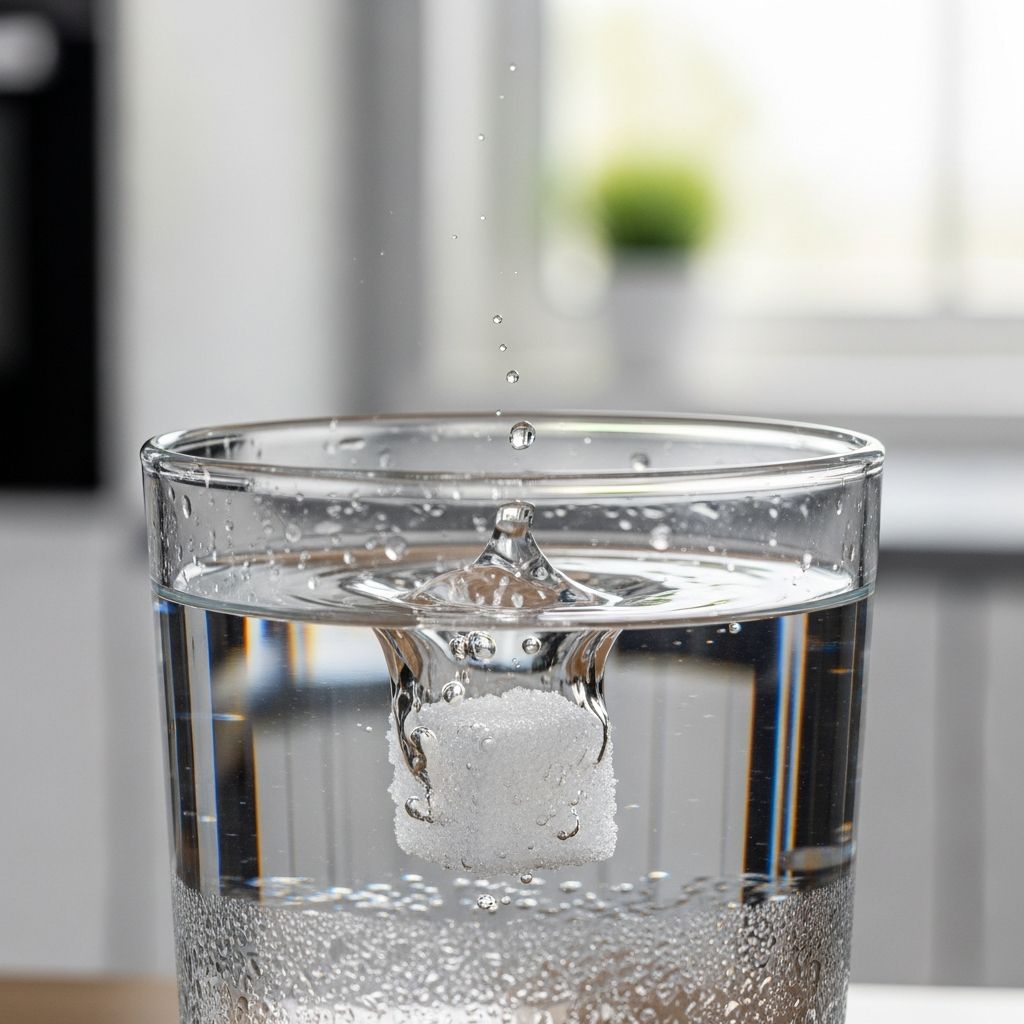
Experiencing unrelenting thirst after indulging in sugary treats? You’re not alone. This common yet often overlooked symptom stems from a fascinating interplay between sugar, your bloodstream, and your body’s hydration regulation systems. While occasional thirst after sweets might seem harmless, persistent cases could signal underlying health issues like type 2 diabetes. In this comprehensive guide, we dive deep into the science of why sugar triggers thirst, its connections to hyperglycemia and diabetes, and actionable strategies to restore balance.
What Causes Thirst After Eating Sugar?
Thirst, medically termed polydipsia, acts as your body’s alarm for dehydration or imbalance. When you consume sugar—particularly refined sugars like those in sodas, candies, and baked goods—your blood glucose levels spike rapidly. This surge disrupts your body’s delicate fluid equilibrium, prompting your brain’s thirst center in the hypothalamus to signal the need for water.
Here’s the step-by-step physiological process:
- Glucose Flood: Sugary foods break down into glucose, flooding your bloodstream.
- Osmotic Shift: High glucose concentration increases blood osmolality (solute density), drawing water from cells into the bloodstream via osmosis.
- Cellular Dehydration: Cells shrink as they lose water, triggering osmoreceptors that activate thirst.
- Kidney Response: Excess glucose overwhelms kidneys, leading to glucosuria (sugar in urine) and increased urination (polyuria), exacerbating fluid loss.
This creates a vicious cycle: sugar → high blood sugar → thirst → drinking more → more urination → intensified thirst. Studies from the National Institute of Diabetes and Digestive and Kidney Diseases (NIDDK) confirm that postprandial (after-meal) hyperglycemia directly correlates with polydipsia intensity.
The Diabetes Connection: When Thirst Signals Trouble
Excessive thirst after sugar consumption often serves as an early warning for prediabetes or type 2 diabetes. In diabetes, insulin resistance or deficiency prevents cells from absorbing glucose effectively, leaving it to accumulate in the blood—a state called hyperglycemia.
| Symptom | Normal Response | Diabetes Indicator |
|---|---|---|
| Thirst Level | Mild, temporary after high-sugar meal | Persistent, unquenchable despite drinking |
| Urination Frequency | Normal (4-7 times/day) | Frequent (10+ times/day, including nocturia) |
| Fatigue | Brief post-sugar crash | Chronic exhaustion |
| Weight Changes | Stable | Unexplained loss despite normal eating |
According to the Centers for Disease Control and Prevention (CDC), over 38 million Americans have diabetes, with type 2 accounting for 90-95% of cases. Thirst ranks among the “classic quartet” of symptoms: polydipsia, polyuria, polyphagia (hunger), and fatigue. Ignoring these can lead to complications like diabetic ketoacidosis (DKA) or long-term damage to kidneys, eyes, and nerves.
Hyperglycemia: The Core Culprit
Hyperglycemia occurs when blood glucose exceeds 180 mg/dL post-meal or 130 mg/dL fasting. In non-diabetics, insulin efficiently shuttles glucose into cells, normalizing levels within 2 hours. Diabetics experience prolonged elevation, amplifying osmotic effects.
Key triggers beyond sugar include:
- Refined carbohydrates (white bread, pasta)
- Sedentary lifestyle
- Stress hormones (cortisol, adrenaline)
- Medications like steroids
- Dehydration itself
Research published in The Lancet Diabetes & Endocrinology (2023) highlights how chronic hyperglycemia desensitizes thirst mechanisms over time, delaying diagnosis until severe symptoms emerge.
Other Reasons Sugar Might Make You Thirsty
Not every case ties to diabetes. Consider these common culprits:
- Dehydration Baseline: If you’re already low on fluids, sugar exacerbates it.
- High-Sodium Pairings: Sugary snacks often contain salt (e.g., flavored chips), doubling fluid-pulling effects.
- Alcohol-Sugar Mix: Cocktails with sugary mixers dehydrate via diuresis.
- Medications: Diuretics or antihistamines amplify sugar’s impact.
- Hot Environments: Heat + sugar accelerates fluid loss through sweat.
Related Stories



Rarely, conditions like diabetes insipidus (vasopressin deficiency) mimic symptoms but lack the glucose component—distinguished via lab tests.
When to See a Doctor for Excessive Thirst
Consult a healthcare provider if thirst persists despite hydration efforts, especially with:
- Thirst waking you at night
- Daily water intake >100 oz (3L)
- Blurred vision, slow-healing wounds
- Recurrent infections (yeast, UTI)
- Family history of diabetes
Diagnostic steps include A1C test (average glucose over 3 months), fasting plasma glucose, and oral glucose tolerance test. Early intervention via lifestyle changes or metformin can reverse prediabetes in 58% of cases, per American Diabetes Association (ADA) data.
Tips to Reduce Thirst and Stabilize Blood Sugar
Reclaim control with these evidence-based strategies:
Hydration Hacks
- Aim for half your body weight in ounces daily (e.g., 150 lb = 75 oz water).
- Infuse water with cucumber/lemon for flavor without sugar.
- Monitor urine color: pale yellow = well-hydrated.
Dietary Adjustments
- Swap sugary drinks for zero-calorie options; reduce added sugars <25g/day (women)/36g (men), per WHO guidelines.
- Prioritize low-glycemic foods: berries, nuts, leafy greens.
- Pair carbs with protein/fiber (apple + almond butter) to blunt spikes.
Lifestyle Changes
- Exercise 150 min/week: walking post-meals drops glucose 20-30%.
- Track with CGM devices or glucometers for real-time insights.
- Manage stress via meditation—cortisol spikes glucose.
A 2024 meta-analysis in Diabetes Care showed low-carb diets reduce polydipsia by 40% in 12 weeks.
Frequently Asked Questions (FAQs)
Is thirst after sugar always diabetes?
No, it often reflects temporary hyperglycemia from diet. Persistent cases warrant testing.
How much water should I drink if thirsty from sugar?
Start with 16-20 oz, sipped slowly to avoid stomach upset. Track patterns.
Can artificial sweeteners cause thirst?
Rarely; they lack calories but may trigger cravings. Opt for stevia or monk fruit.
Does exercise worsen thirst in diabetes?
Initially yes, due to sweat, but regular activity improves insulin sensitivity long-term.
What’s the fastest way to quench sugar-induced thirst?
Hydrate with electrolyte water; avoid more sugar, which perpetuates the cycle.
Key Takeaways
Sugar makes you thirsty by elevating blood osmolality, dehydrating cells, and overworking kidneys. While benign occasionally, chronic polydipsia flags type 2 diabetes risk. Proactive steps—hydration, low-sugar eating, movement—can prevent progression. Empower yourself with knowledge and monitoring for optimal health.
References
- Your Guide to Diabetes — National Institute of Diabetes and Digestive and Kidney Diseases (NIDDK). 2024-01-15. https://www.niddk.nih.gov/health-information/diabetes/overview/what-is-diabetes
- National Diabetes Statistics Report — Centers for Disease Control and Prevention (CDC). 2024-11-21. https://www.cdc.gov/diabetes/php/data-research/index.html
- Hyperglycaemia in adults with diabetes — World Health Organization (WHO). 2023-06-12. https://www.who.int/news-room/fact-sheets/detail/hyperglycaemia
- Thirst and vasopressin in diabetes — The Lancet Diabetes & Endocrinology. 2023-05-01. https://www.thelancet.com/journals/landia/article/PIIS2213-8587(23)00085-4/fulltext
- Standards of Care in Diabetes—2025 — American Diabetes Association (ADA). 2024-12-10. https://diabetesjournals.org/care/issue/48/Supplement_1
- Lifestyle Management in Diabetes — Diabetes Care (ADA Journal). 2024-03-20. https://doi.org/10.2337/dc24-S005
Similar Articles








Read full bio of Sneha Tete