Why the Clocks Changing Can Affect Our Health
Discover how daylight saving time shifts disrupt circadian rhythms, impacting sleep, mood, heart health, and more—backed by scientific research.
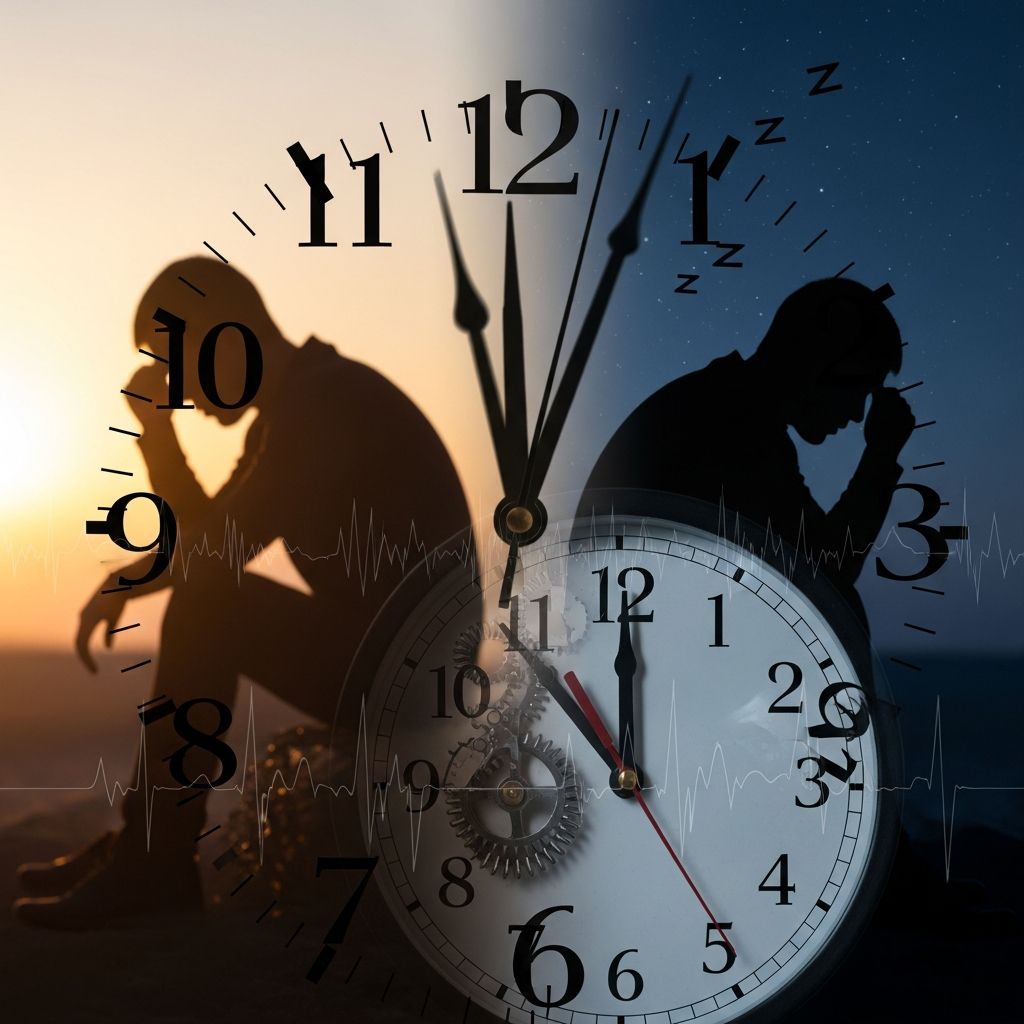
As autumn arrives in regions like the UK, days grow shorter and colder, culminating in the clocks jumping back an hour to end British Summer Time (BST) or Daylight Saving Time (DST). This ‘extra’ hour of sleep seems beneficial, yet it disrupts our internal body clocks, potentially harming health in subtle but significant ways.
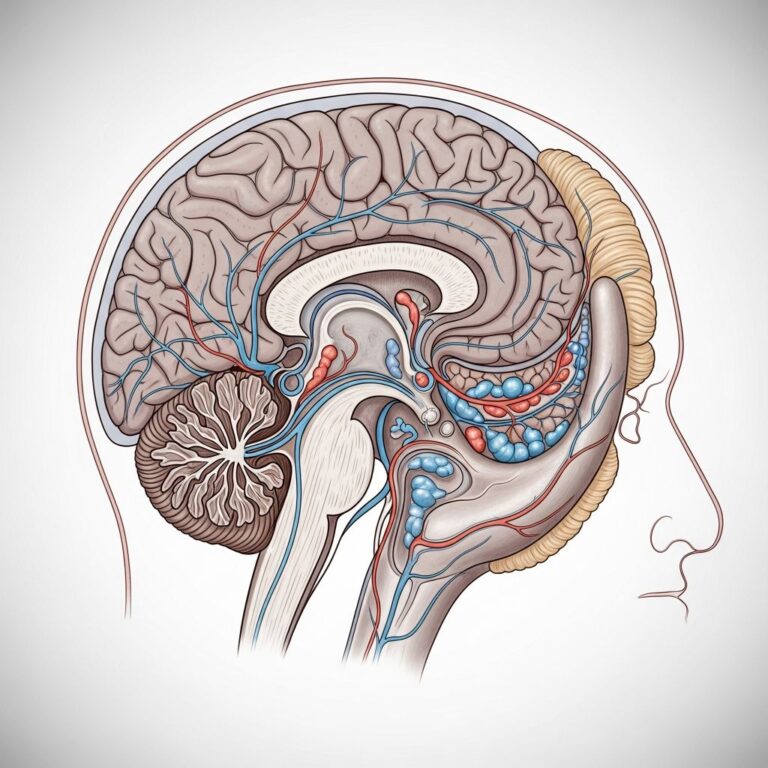
Circadian rhythms—our 24-hour internal cycles governing alertness, sleep, hormone release, and appetite—sync with natural light-dark patterns. Abrupt one-hour shifts from clock changes misalign these rhythms, mimicking mild jet lag and triggering short-term health issues.
How does the clocks changing affect health?
Research consistently shows clock changes disturb circadian rhythms, elevating risks for mood disorders, sleep problems, cardiovascular events, and accidents. Effects vary by direction: spring forward (losing an hour) often hits harder due to sleep loss, while fall back (gaining an hour) alters light exposure patterns.
Increase in mood disorders
Clock changes correlate with spikes in depression, anxiety, and seasonal affective disorder (SAD). Spring’s ‘forward’ shift brings darker mornings, reducing serotonin—a key mood regulator produced via morning light exposure. This exacerbates depression, especially in vulnerable individuals.
A US study reported an 11% rise in depressive episodes when switching from DST to standard time in fall, linked to evening light extension disrupting melatonin onset. Bipolar patients may face phase advances from fall’s earlier morning light, though one-hour shifts rarely trigger manic episodes requiring hospitalization.
- **Serotonin drop**: Less morning sunlight lowers this ‘happy hormone,’ worsening low mood.
- **SAD flare-ups**: Reduced daylight mimics winter patterns, intensifying lethargy and hopelessness.
- **Anxiety and suicidality**: Sleep misalignment heightens these risks around both transitions.
Those with pre-existing conditions are most affected; insomnia raises depression risk tenfold, and 75% of depressed individuals suffer sleep issues.
Disrupted sleep
The most immediate impact is sleep disturbance. Spring forward robs an hour of sleep, causing fatigue, ‘brain fog,’ and concentration lapses lasting days to weeks. Fall back confuses bedtimes, leading to insomnia or fragmented rest.
A National Sleep Foundation study found 40 minutes less sleep the Monday after spring forward. Chronic misalignment may persist, never fully acclimating some to DST. This cascades into cognitive deficits, impairing therapy engagement and treatment adherence in mental health care.
| Clock Change | Sleep Impact | Duration |
|---|---|---|
| Spring Forward | ~40 min less sleep; acute deprivation | 1-2 weeks |
| Fall Back | Delayed melatonin; interrupted sleep | Days to weeks |
Increased chance of cardiovascular disease
Circadian disruption links to heart risks via inflammation, nervous system imbalance, and stress hormones. A review found modest but significant heart attack upticks post-spring DST shift, not seen in fall.
Another analysis tied DST entry to higher cardiovascular, mental health, and immune issues. Autumn changes show mixed results: one study noted 2% fewer acute events post-fall back.
Risk of accidents
Sleep-deprived drivers face elevated crash risks. A 20-year study of 732,000 US accidents linked DST spring switch to 6% more fatal crashes that week, peaking Monday. Fatigue impairs reaction times, compounding with darker evenings in fall.
Related Stories



Who is most at risk?
Vulnerable groups include:
- Shift workers and frequent travelers: Already circadian-challenged.
- Mental health patients: Depression, bipolar, anxiety amplify effects.
- Older adults: Slower adaptation, higher heart risks.
- Children: School schedules clash with shifted rhythms.
- SAD sufferers: Light changes trigger symptoms.
Stanford research suggests eliminating biannual changes could reduce circadian disruptions, improving population health.
How to cope with the clocks changing
Mitigate effects proactively:
- Gradual adjustment: Shift bedtime 15-20 minutes daily before change.
- Light exposure: Morning sunlight for serotonin; dim evenings for melatonin.
- Sleep hygiene: Consistent schedule, no screens pre-bed, caffeine cut-off.
- Exercise: Outdoor activity boosts mood and rhythm reset.
- Diet: Balanced meals; avoid heavy evening food.
For high-risk individuals, light therapy, CBT, or meds may help. Mental health pros recommend routine structures during transitions.
Debate on abolishing clock changes
Critics argue DST’s health costs outweigh benefits. The EU and US have debated permanent standard time, citing better alignment with solar cycles. Stanford analysis supports this for reduced heart disease, depression, and accidents. BMJ data shows autumn benefits in fewer anxiety/depression events, but spring harms dominate.
Supporters claim extended evenings aid commerce/safety, though evidence is mixed.
Frequently Asked Questions (FAQs)
Does the clock change affect everyone the same way?
No. Healthy adults adapt quickly, but those with mental health issues, sleep disorders, or heart conditions face greater risks.
How long do effects last?
Typically 1-2 weeks, though chronic issues may linger.
Is spring or fall change worse?
Spring forward often worse due to sleep loss; fall alters light more.
Can clock changes trigger manic episodes?
Rarely for one-hour shifts; larger disruptions like jet lag pose higher risk.
Should we stop changing clocks?
Many experts advocate permanent standard time for health.
Conclusion
Clock changes, though minor, reveal circadian rhythms’ fragility. Awareness and preparation minimize harms, but long-term policy shifts may optimize health. Consult professionals for personalized advice.
References
- Daylight Savings Time: Why the clocks changing can affect our health — Patient.info. 2023. https://patient.info/features/mental-health/why-the-clocks-changing-can-affect-our-health
- Shedding Light on Daylight Saving Time & Mental Health — GeneSight. 2023. https://genesight.com/blog/shedding-light-on-daylight-saving-time-mental-health/
- Daylight saving time transitions and hospital treatments due to … — PMC (NCBI). 2008-03-14. https://pmc.ncbi.nlm.nih.gov/articles/PMC2266740/
- The Impact of Daylight Savings Time on Mental Health Care — MAP Clinic. 2023. https://www.map-clinic.com/the-impact-of-daylight-savings-time-on-mental-health-care
- Autumn clock change linked to reduction in certain health conditions — BMJ Group. 2023. https://bmjgroup.com/autumn-clock-change-linked-to-reduction-in-certain-health-conditions/
- Can the clocks changing affect insomnia? — Patient.info. 2023. https://patient.info/features/healthy-living/can-the-clocks-changing-affect-insomnia
Similar Articles








Read full bio of medha deb