Why the Mediterranean Diet Is So Healthy
Discover the science-backed reasons why the Mediterranean diet promotes heart health, longevity, and overall well-being through whole foods and healthy fats.
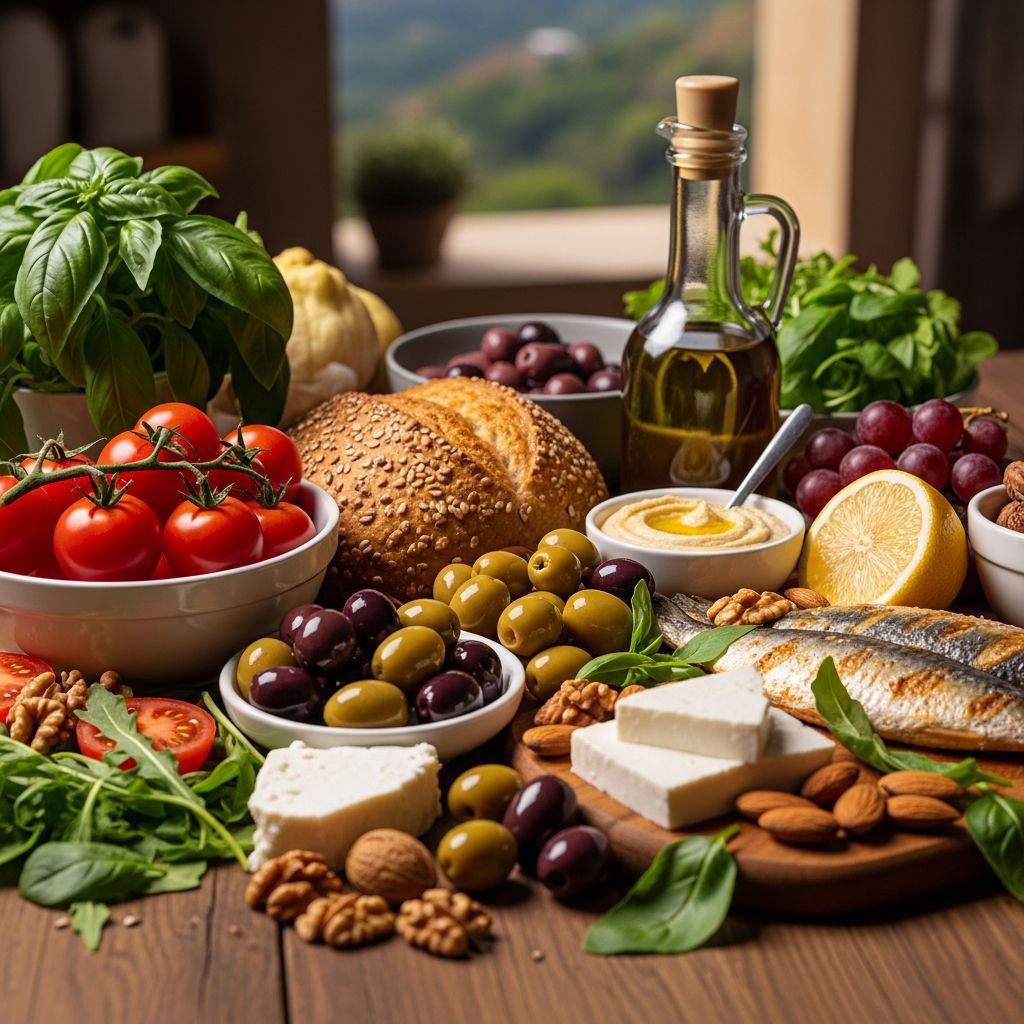
The Mediterranean diet, inspired by traditional eating patterns in countries bordering the Mediterranean Sea, emphasizes whole, plant-based foods, healthy fats, and moderate portions of animal products. This dietary pattern has been extensively studied and linked to numerous health benefits, including reduced risk of chronic diseases and increased longevity.
What Is the Mediterranean Diet?
The Mediterranean diet is not a strict regimen but a flexible lifestyle centered on fresh, seasonal ingredients. It prioritizes vegetables, fruits, whole grains, legumes, nuts, seeds, olive oil, fish, and moderate dairy and wine, while limiting red meat and processed foods. Originating from observations in the 1950s and 1960s, researchers noted lower rates of heart disease among Mediterranean populations, sparking decades of scientific inquiry.
Key principles include:
- Abundant plant foods: Vegetables, fruits, whole grains, beans, nuts, and seeds provide fiber, vitamins, minerals, and antioxidants.
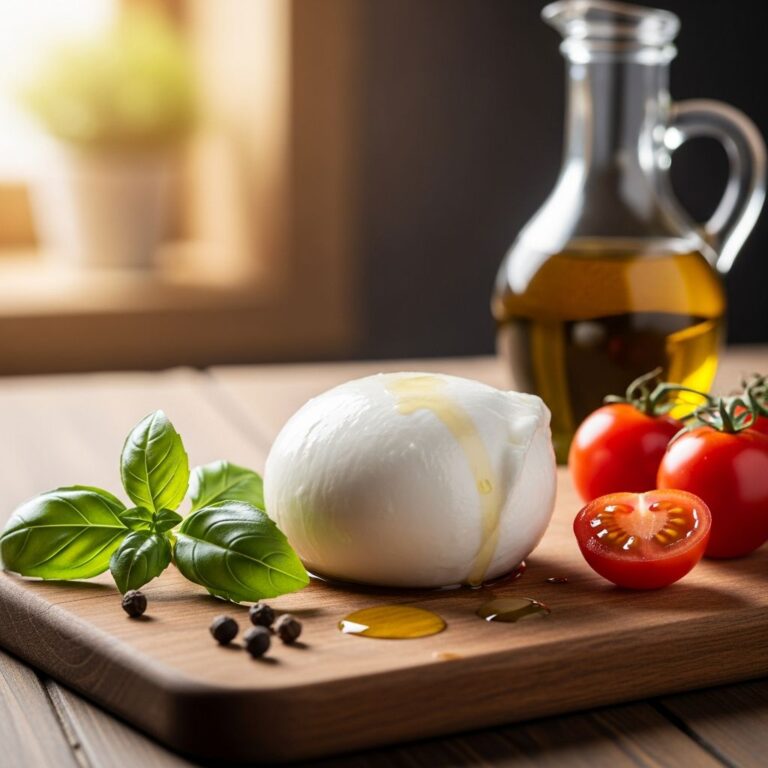
- Healthy fats: Extra-virgin olive oil as the primary fat source, rich in monounsaturated fats and polyphenols that combat inflammation.
- Fish and seafood: Eaten at least twice weekly for omega-3 fatty acids, supporting heart and brain health.
- Moderate dairy and poultry: Yogurt, cheese, and eggs in small amounts; poultry occasionally.
- Limited red meat and sweets: Reserved for special occasions to minimize saturated fats and added sugars.
- Herbs, spices, and moderate wine: Flavor enhancers and red wine (1-2 glasses daily with meals) for cardiovascular benefits.
This approach fosters not just nutrition but also social eating and physical activity, contributing to its holistic appeal.
Health Benefits of the Mediterranean Diet
Decades of research, including large-scale trials like PREDIMED, demonstrate the diet’s protective effects against major diseases. A meta-analysis of prospective studies confirms reductions in cardiovascular events, diabetes, and mortality.
Protects Against Heart Disease
The diet’s emphasis on unsaturated fats lowers LDL cholesterol and blood pressure while raising HDL. The PREDIMED trial showed a 30% reduction in stroke, heart attack, and cardiovascular death among high-risk individuals supplemented with olive oil or nuts. Women following the diet had 25% lower cardiovascular risk over 12 years, driven by reduced inflammation and better blood sugar control.
| Heart Health Metric | Benefit from Mediterranean Diet | Evidence |
|---|---|---|
| Stroke Risk | ~30% reduction | PREDIMED trial |
| Cardiovascular Disease | 24-25% lower risk | Cohort studies of 22,000+ women |
| Cholesterol Levels | Lower LDL, higher HDL | Plant-based unsaturated fats |
Supports Brain Health and Prevents Cognitive Decline
Antioxidants from fruits, vegetables, and olive oil protect against oxidative stress, reducing Alzheimer’s risk and slowing cognitive decline. Studies link higher adherence to better mental health, lower depression, and 46% greater likelihood of healthy aging in women. It halves Parkinson’s risk by preserving telomeres—protective chromosome caps linked to longevity.
- Improves sleep quality and efficiency.
- Enhances quality of life and reduces neurodegenerative disorders.
Reduces Risk of Type 2 Diabetes
Related Stories



High fiber and low glycemic load foods improve insulin sensitivity and glycemic control. Adherents show lower HbA1c levels and up to 52% reduced diabetes incidence in at-risk groups.
Promotes Healthy Weight Management
Despite no calorie restrictions, the diet’s nutrient density curbs overeating. Longitudinal studies report less weight gain and easier loss when combined with caloric control.
Lowers Cancer Risk
Fiber, healthy fats, and anti-inflammatory compounds decrease risks for breast, colorectal, and other cancers.
Increases Longevity
By mitigating multiple risks, the diet boosts lifespan: 20% lower overall mortality, with stronger effects on cardiovascular death. Nurses’ Health Study participants had longer telomeres, correlating with healthy aging.
Why Does the Mediterranean Diet Work So Well?
Synergistic nutrients explain its efficacy:
- Anti-inflammatory effects: Omega-3s, polyphenols reduce chronic inflammation fueling diseases.
- Antioxidant power: Fights oxidative stress, preserving cells and DNA.
- Improved lipid profiles: Monounsaturated fats from olive oil outperform low-fat diets for heart health.
- Gut health: Fiber from plants supports microbiome diversity.
- Sustainable model: Low environmental footprint (water, nitrogen, carbon) benefits planetary health.
Unlike fad diets, its flexibility and palatability ensure long-term adherence.
How to Get Started with the Mediterranean Diet
Transition gradually:
- Swap oils: Use extra-virgin olive oil for cooking and dressings.
- Fill half your plate with veggies: Aim for 9+ servings daily.
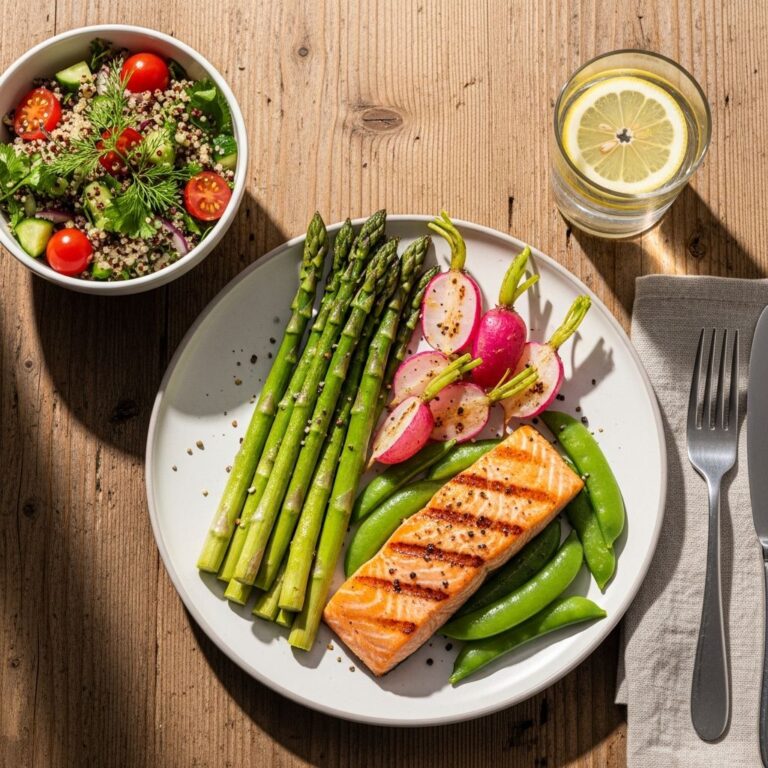
- Eat fish twice weekly: Salmon, sardines for omega-3s.
- Snack on nuts: A handful of almonds or walnuts daily.
- Choose whole grains: Quinoa, barley over refined carbs.
- Moderate wine and dairy: Enjoy with meals.
- Limit processed foods: Read labels, prioritize whole ingredients.
Sample daily menu:
| Meal | Ideas |
|---|---|
| Breakfast | Greek yogurt with berries, nuts, honey |
| Lunch | Hummus with veggie sticks, whole-grain pita |
| Dinner | Grilled fish, quinoa salad with olive oil dressing, greens |
| Snack | Apple with almonds |
Frequently Asked Questions (FAQs)
Is the Mediterranean diet good for weight loss?
Yes, its focus on satiating whole foods supports sustainable weight loss without strict calorie counting, with studies showing reduced weight gain over time.
Can vegetarians follow the Mediterranean diet?
Absolutely; emphasize plants, legumes, and dairy/eggs, swapping fish for more nuts and seeds.
How much olive oil should I use daily?
About 4 tablespoons, as in PREDIMED, for optimal benefits without excess calories.
Does it work for everyone?
It’s broadly effective, especially for heart disease prevention, but consult a doctor for personalized advice, particularly with diabetes or allergies.
Is red wine necessary?
No, but moderate intake (5-7 oz daily for women, 10-14 for men) with meals offers benefits; non-drinkers can skip it.
Potential Pitfalls and Tips
Watch portions of calorie-dense nuts and oil. Shop seasonally for affordability. Combine with exercise for amplified results.
In summary, the Mediterranean diet’s evidence-based advantages make it a gold standard for health promotion.
References
- Mediterranean diet: Foods to eat, health benefits and how to get started — UC Davis Health. 2024-10. https://health.ucdavis.edu/blog/good-food/mediterranean-diet-foods-to-eat-health-benefits-and-how-to-get-started/2024/10
- The Mediterranean Diet — HelpGuide.org. Accessed 2026. https://www.helpguide.org/wellness/nutrition/the-mediterranean-diet
- The Mediterranean diet and health: a comprehensive overview — Journal of Internal Medicine (Wiley). 2021-08-23. https://onlinelibrary.wiley.com/doi/10.1111/joim.13333
- The Benefits of the Mediterranean Diet — Thomas Cuisine. Accessed 2026. https://thomascuisine.com/the-benefits-of-the-mediterranean-diet/
- Diet Review: Mediterranean Diet — Harvard T.H. Chan School of Public Health. Accessed 2026. https://nutritionsource.hsph.harvard.edu/healthy-weight/diet-reviews/mediterranean-diet/
- Mediterranean Diet: Food List & Meal Plan — Cleveland Clinic. Accessed 2026. https://my.clevelandclinic.org/health/articles/16037-mediterranean-diet
- Mediterranean diet for heart health — Mayo Clinic. Accessed 2026. https://www.mayoclinic.org/healthy-lifestyle/nutrition-and-healthy-eating/in-depth/mediterranean-diet/art-20047801
Similar Articles








Read full bio of medha deb