Vaccinations: Why They Matter And How They Protect Communities
Discover how vaccines save lives, boost economies, and protect communities through science-backed prevention and herd immunity.
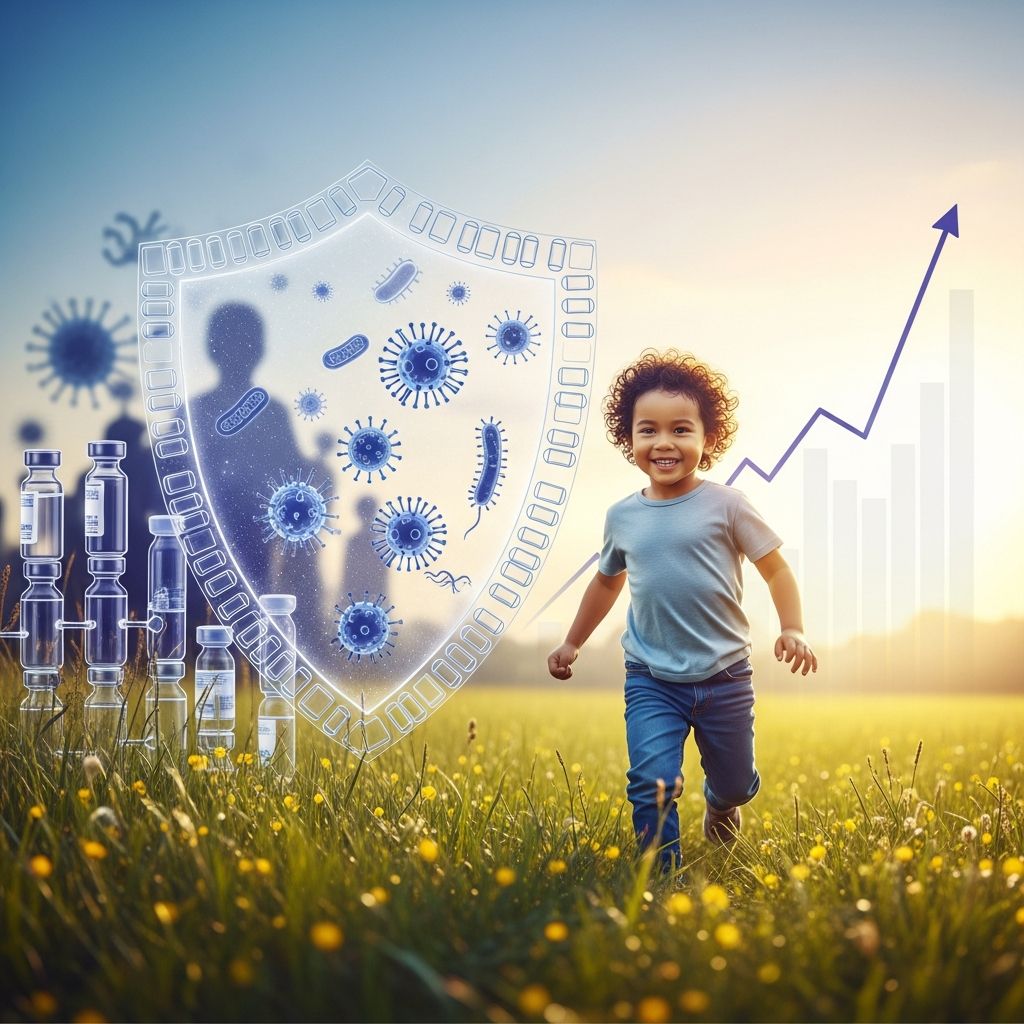
Vaccinations represent one of humanity’s greatest achievements in public health, preventing millions of deaths annually and safeguarding communities worldwide. By training the immune system to recognize and combat pathogens without causing illness, vaccines have drastically reduced the incidence of deadly diseases like measles, polio, and diphtheria.
The Science Behind Vaccine Effectiveness
Vaccines work by introducing a safe, weakened, or inactivated form of a pathogen into the body, prompting the immune system to produce antibodies and memory cells. This process mimics natural infection but without the risks of severe disease. According to the World Health Organization, immunization prevents 3.5 to 5 million deaths each year from diseases such as tetanus, pertussis, and influenza.
Research confirms that vaccines enhance the body’s natural defenses, leading to long-term protection. For instance, studies show no adverse effects on neuropsychological development from timely vaccinations; in fact, they correlate with improved cognitive outcomes. The Centers for Disease Control and Prevention emphasizes that preventing disease through vaccination is far superior to treating it after onset.
Historical Triumphs and Global Impact
Throughout history, vaccines have eradicated or nearly eradicated devastating illnesses. Smallpox, once responsible for millions of deaths, was declared eliminated globally thanks to widespread vaccination efforts. Polio cases have plummeted by over 99% since the vaccine’s introduction, bringing the world close to eradication.
Today, vaccines protect against more than 30 life-threatening conditions, contributing to a drop in global infant mortality from 65 per 1,000 live births in 1990 to 29 in 2018. This progress underscores vaccines as the most cost-effective public health intervention, outperforming even sanitation improvements in reducing child disease burdens.
- Smallpox eradication: First disease wiped out through vaccination.
- Polio reduction: Near-global elimination via routine immunization.
- Measles control: Averted millions of cases and deaths annually.
Herd Immunity: Protecting the Entire Community
Herd immunity occurs when a sufficient percentage of a population is vaccinated, creating a barrier that prevents disease spread to unvaccinated individuals, such as newborns or immunocompromised people. The American Lung Association notes that vaccines interrupt person-to-person transmission of respiratory pathogens.
When vaccination rates are high, outbreaks become rare. For example, high coverage has eliminated polio from most countries, though pockets of low immunization can lead to resurgence, as seen with diphtheria in some regions. Achieving herd immunity not only shields the vulnerable but also reduces overall healthcare strain.
| Disease | Herd Immunity Threshold | Impact of High Coverage |
|---|---|---|
| Measles | 95% | Prevents outbreaks in schools and communities |
| Polio | 80-85% | Global eradication efforts |
| Pertussis | 92-94% | Protects infants too young for vaccination |
Economic Advantages of Widespread Vaccination
Beyond health benefits, vaccines deliver substantial economic returns by averting medical costs, lost productivity, and catastrophic expenditures. In low- and middle-income countries, vaccines prevent episodes that lead to out-of-pocket expenses and caregiver wage losses.
Related Stories



A study across 41 countries found that universal coverage for measles, rotavirus, and pneumococcal vaccines could avert 12.6 million cases of catastrophic health spending, with the poorest quintiles benefiting most. Globally, childhood vaccines save 2-3 million lives yearly, boosting long-term economic productivity through better cognition and school attainment.
Vaccines also combat antimicrobial resistance (AMR), projected to cause 10 million deaths annually by 2050 with a $100 trillion economic toll. By reducing infections and antibiotic use, vaccines slow AMR growth.
Enhancing Child Growth and Development
Early-life infections can stunt growth, impair cognition, and reduce lifelong productivity. Vaccines mitigate this by preventing recurrent illnesses, supporting the ‘fetal origins’ hypothesis linking childhood health to adult outcomes.
Evidence links measles vaccination to improved immunological memory, reducing co-infections and enhancing health into adulthood. This leads to better schooling, cognitive function, and economic contributions, particularly in resource-limited settings. Timely vaccination even correlates with superior performance in speech, memory, and executive function tests.
Addressing Common Vaccination Myths
Misinformation fuels vaccine hesitancy, but facts dispel myths. Vaccines do not cause autism or weaken immunity; rigorous studies confirm their safety and efficacy.
- Myth: Vaccines overload the immune system. Fact: Infants encounter countless antigens daily; vaccines represent a tiny fraction.
- Myth: Natural immunity is superior. Fact: Vaccines provide safer, controlled immunity without disease risks.
- Myth: Vaccines cause the diseases they prevent. Fact: They contain weakened or inactivated components incapable of causing illness in healthy individuals.
The AAAAI affirms vaccines boost natural responses against viruses and bacteria, reducing disability and mortality.
Current Challenges and Recovery Efforts
The COVID-19 pandemic disrupted immunization programs, dropping DTP coverage and risking outbreaks. WHO calls for catch-up campaigns to restore progress. Equity remains key; low coverage in poor areas exacerbates disparities, but vaccines disproportionately benefit the vulnerable.
Johns Hopkins explains vaccines’ biology: they prime the body against microbes without infection risks, underpinning global health security.
FAQs on Vaccinations
Are vaccines safe for children?
Yes, extensive research shows vaccines are safe, with benefits far outweighing rare side effects. They protect against serious diseases without long-term harm.
What is herd immunity?
Herd immunity protects communities when enough people are vaccinated, blocking disease spread to the unprotected.
Do vaccines prevent economic loss?
Absolutely; they avert healthcare costs, productivity losses, and poverty from illnesses.
Why vaccinate if diseases are rare?
Rare diseases can resurge without high coverage, endangering all.
Can vaccines fight antimicrobial resistance?
Yes, by preventing infections and reducing antibiotic needs.
Steps to Stay Vaccinated
- Consult your healthcare provider for a personalized schedule.
- Ensure children receive all recommended doses on time.
- Stay updated on adult boosters like flu and COVID-19 shots.
- Participate in community vaccination drives for herd immunity.
- Educate others to combat hesitancy with facts.
Prioritizing vaccinations builds resilient health systems and brighter futures for generations.
References
- Why vaccines matter: understanding the broader health, economic… — PMC (PubMed Central). 2020-09-11. https://pmc.ncbi.nlm.nih.gov/articles/PMC7482790/
- Vaccines: The Myths and the Facts — AAAAI. Accessed 2026. https://www.aaaai.org/tools-for-the-public/conditions-library/allergies/vaccine-myth-fact
- Vaccines and immunization — World Health Organization (WHO). Accessed 2026. https://www.who.int/health-topics/vaccines-and-immunization
- The Importance of Vaccines — Cedar Health Research. Accessed 2026. https://cedarhealthresearch.com/vaccine-clinical-trials/
- Vaccine Safety: Examine the Evidence — HealthyChildren.org (AAP). Accessed 2026. https://www.healthychildren.org/English/safety-prevention/immunizations/Pages/vaccine-studies-examine-the-evidence.aspx
- Why Are Vaccines Important? — American Lung Association. Accessed 2026. https://www.lung.org/blog/why-are-vaccines-important
- Reasons to Vaccinate — CDC. Accessed 2026. https://www.cdc.gov/vaccines-children/reasons/index.html
Similar Articles








Read full bio of medha deb