Walnuts For Weight Loss: A Science-Backed Guide To Satiety
Discover how walnuts support healthy weight management and cardiovascular wellness.
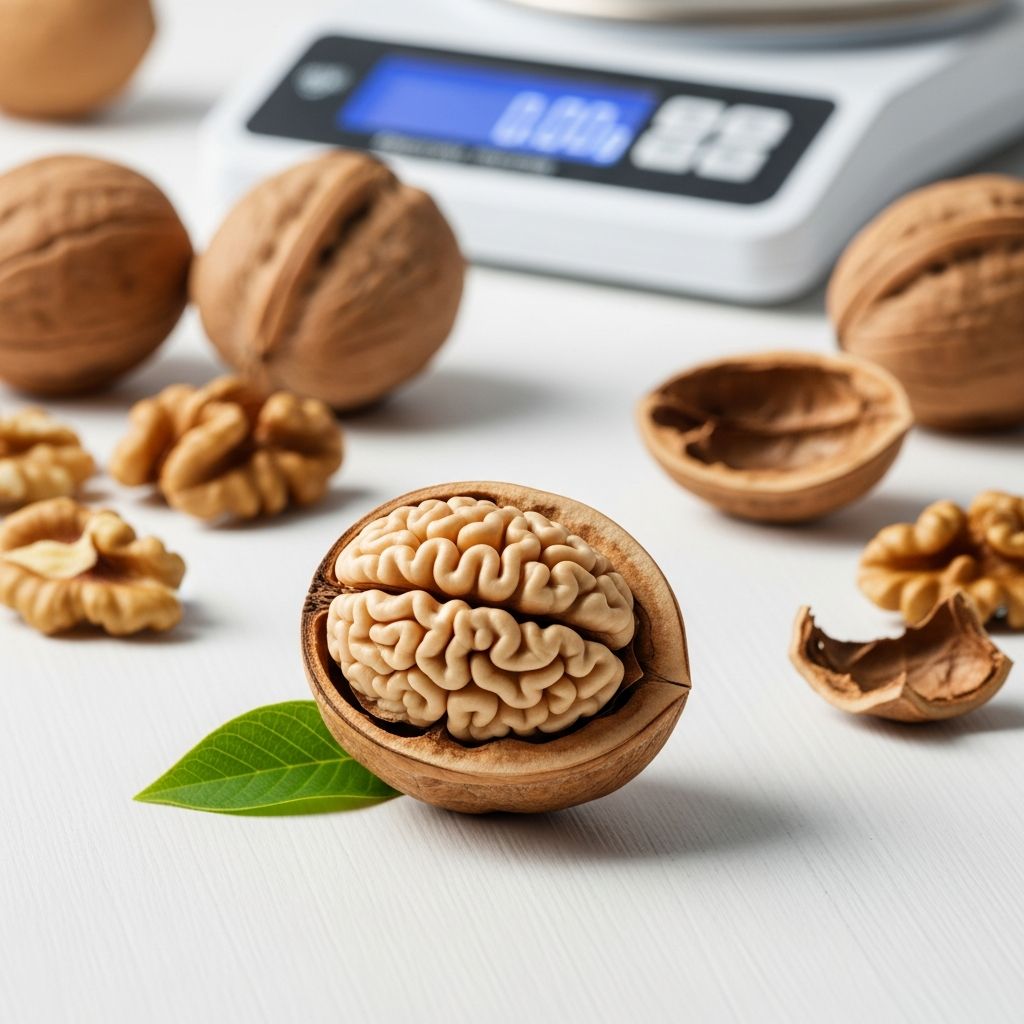
Why Walnuts May Help With Weight Loss
In the pursuit of sustainable weight management, few foods offer the combination of nutritional density and practical benefits that walnuts provide. While weight loss often conjures images of restrictive diets and deprivation, emerging research suggests that incorporating walnuts into your daily routine may actually support your weight management goals while simultaneously promoting heart health and overall wellness. This comprehensive guide explores the science behind walnuts’ potential role in weight loss and how this humble nut can become a valuable ally in your health journey.
Understanding the Walnut’s Unique Nutritional Profile
Walnuts stand apart from other nuts in their composition, making them exceptionally valuable for those interested in weight management. Unlike most tree nuts that are predominantly rich in monounsaturated fats, walnuts are unique in being primarily composed of polyunsaturated fatty acids (PUFAs). This distinction is not merely academic—it has profound implications for metabolic health and weight regulation.
A one-ounce serving of walnuts (approximately 28 grams) provides remarkable nutritional benefits. Walnuts contain 4.4 grams of protein, 1.4 grams of fiber, and approximately 2.7 grams of alpha-linolenic acid (ALA), a plant-based omega-3 fatty acid. These macronutrients work synergistically to create an optimal nutritional package for weight management. The combination of protein and fiber contributes to satiety, helping you feel fuller longer and potentially reducing overall calorie consumption throughout the day.
The Science of Satiety and Appetite Regulation
One of the most significant mechanisms through which walnuts may support weight loss is their remarkable ability to promote satiety. Research has demonstrated that the unique composition of walnuts influences appetite-regulating signals in the brain. When you consume walnuts, their high protein and fiber content triggers feelings of fullness that persist longer than many other snacking options.
The polyunsaturated fats in walnuts play a crucial role in this process. These healthy fats interact with digestive hormones and neurological signals that communicate satiety to the brain. This means that consuming a modest handful of walnuts can genuinely reduce your desire to reach for additional snacks or larger portions at subsequent meals. For individuals struggling with portion control or constant hunger between meals, this natural appetite-suppressing effect can be transformative.
Furthermore, the fiber content in walnuts slows gastric emptying, meaning food remains in your stomach longer, extending the period during which you feel satisfied. This extended satiety window can be particularly valuable during afternoon hours when snacking temptations often peak.
Metabolic Benefits and Caloric Density Considerations
While walnuts are calorie-dense—approximately 185 calories per ounce—this characteristic does not preclude their use in weight management programs. In fact, the caloric density may paradoxically support weight loss goals. Research indicates that despite their calorie content, diets supplemented with walnuts resulted in no adverse effects on body weight or body mass index (BMI) compared to control diets. This counterintuitive finding suggests that the satiety benefits of walnuts may lead to reduced overall calorie consumption, offsetting their inherent caloric density.
The metabolic profile of walnuts also contributes to their weight management benefits. The polyunsaturated fats found in walnuts have been associated with improved metabolic function and may enhance the body’s ability to regulate energy balance. Additionally, the thermic effect of food—the calories burned during digestion—is higher for protein and healthy fats than for refined carbohydrates, meaning your body expends more energy processing the nutrients in walnuts.
Related Stories



Cardiovascular Benefits Beyond Weight Loss
Weight loss efforts that compromise cardiovascular health represent a pyrrhic victory. Fortunately, walnuts offer remarkable benefits for heart health alongside their weight management advantages. Research has consistently demonstrated that walnut consumption significantly reduces cardiovascular disease risk factors.
A comprehensive meta-analysis of clinical trials found that diets supplemented with walnuts resulted in significantly greater decreases in total cholesterol and LDL cholesterol (often termed “bad” cholesterol) compared to control diets. Specifically, walnut consumption led to reductions of 10.3 mg/dL in total cholesterol and 9.2 mg/dL in LDL cholesterol. These improvements in lipid profiles reduce arterial plaque formation and decrease cardiovascular disease risk.
Beyond cholesterol improvements, walnuts provide significant benefits for antioxidant capacity and inflammatory markers—both crucial factors in cardiovascular disease prevention. The inflammation reduction achieved through regular walnut consumption may also support weight loss efforts, as chronic inflammation is associated with metabolic dysfunction and weight gain.
Long-Term Health Outcomes and Longevity
Perhaps most compellingly, recent research from Harvard has demonstrated associations between walnut consumption and increased life expectancy. A landmark study found that consuming five or more servings of walnuts per week was associated with a 14% lower risk of death from any cause and a 25% lower risk of dying from cardiovascular disease, with participants gaining approximately 1.3 years of life expectancy. Even modest consumption of two to four servings weekly was associated with a 13% lower overall mortality risk and 14% lower cardiovascular mortality risk, yielding about one year of additional life expectancy.
These findings extend to individuals with suboptimal diets, suggesting that even small increases in walnut consumption provide measurable health benefits. A half-serving daily increase in walnut consumption was associated with 12% reduced mortality risk and 26% lower risk of death from cardiovascular causes, even among those whose overall diet quality was less than optimal.
Practical Integration Into Your Daily Routine
Understanding walnuts’ theoretical benefits means little without practical strategies for incorporation into daily life. The good news is that walnuts are remarkably versatile and simple to include in virtually any eating pattern.
Breakfast Options: Begin your day by adding a handful of walnuts to your morning oatmeal, yogurt, or granola. This approach delivers satiety benefits right from the start, helping you maintain stable blood sugar levels throughout the morning and reducing the likelihood of mid-morning snacking.
Snacking Strategies: Replace processed snack foods with a small handful of walnuts. This simple substitution provides sustained energy and satiety without the blood sugar fluctuations associated with refined carbohydrates.
Meal Integration: Incorporate walnuts as a coating for fish or poultry, providing texture and nutrition while enhancing satiety. Add them to vegetable stir-fries, salads, or grain bowls for nutritional enhancement and appetite satisfaction.
Recommended Portions: Research supports benefits from two or more servings of walnuts per week, with each serving consisting of approximately 28 grams or roughly one ounce. This relatively modest recommendation makes walnut consumption accessible to most individuals seeking weight management support.
Special Considerations for Type 2 Diabetes Prevention
For individuals at risk of type 2 diabetes—a condition often associated with obesity—walnuts offer particular benefits. Research published by the Journal of Nutrition examined nearly 140,000 women across two large prospective cohorts and found that two or more servings of walnuts per week was associated with a 21% lower risk of incident type 2 diabetes before adjustment for BMI, and a 15% lower risk after adjusting for body mass index.
This finding is particularly significant because it suggests walnuts’ benefits extend beyond simple weight reduction. The unique fatty acid profile of walnuts, particularly their high PUFA content, appears to favorably influence insulin resistance and glucose metabolism through mechanisms independent of weight loss alone. For individuals implementing weight loss programs to prevent or manage type 2 diabetes, walnuts represent a functional food that addresses multiple aspects of metabolic health simultaneously.
Quality Considerations and Storage
To maximize the benefits of walnut consumption, certain quality considerations merit attention. Raw or lightly roasted walnuts retain their nutritional integrity better than heavily processed varieties. Walnuts containing added salt, sugar, or other flavorings may compromise their utility for weight management by introducing unnecessary sodium and calories.
Storage is equally important, as walnuts’ polyunsaturated fat content renders them susceptible to oxidation and rancidity. Store walnuts in an airtight container in a cool, dark location, or refrigerate for extended shelf life. Proper storage maintains nutritional quality and prevents the development of off-flavors that might discourage consistent consumption.
Integration With Comprehensive Weight Management
While walnuts offer genuine support for weight management, they function optimally as part of a comprehensive approach encompassing balanced nutrition, regular physical activity, adequate sleep, and stress management. No single food, regardless of nutritional excellence, can overcome the consequences of an otherwise unhealthy lifestyle.
Walnuts work best when integrated into a dietary pattern emphasizing whole foods, including abundant vegetables, fruits, lean proteins, and whole grains. The synergy created by a nutrient-dense, plant-forward diet enhanced with regular walnut consumption creates an optimal environment for sustainable weight loss and long-term health maintenance.
Frequently Asked Questions
Q: How many walnuts should I eat daily for weight loss benefits?
A: Research supports benefits from as little as two servings of walnuts per week, with each serving containing approximately 28 grams (about one ounce or a small handful). However, daily consumption of small quantities may support consistent satiety benefits. Always consult with a healthcare provider or registered dietitian to determine the appropriate amount for your individual needs and dietary goals.
Q: Will eating calorie-dense walnuts cause weight gain?
A: No. Despite containing approximately 185 calories per ounce, research demonstrates that walnut consumption does not result in weight gain and may actually support weight loss efforts through enhanced satiety and reduced overall calorie consumption. The feeling of fullness from walnuts often leads to reduced intake of other, less nutritious foods.
Q: Can walnuts help prevent type 2 diabetes?
A: Yes. Research from Harvard found that two or more servings of walnuts per week was associated with a 15-21% lower risk of type 2 diabetes in women. The unique fatty acid profile of walnuts appears to favorably influence insulin resistance and glucose metabolism.
Q: How do walnuts compare to other nuts for weight loss?
A: Walnuts are unique among tree nuts in being primarily composed of polyunsaturated fatty acids rather than monounsaturated fats. Additionally, walnuts are the only tree nut containing significant amounts of alpha-linolenic acid, a plant-based omega-3 fatty acid, which contributes to their distinctive health benefits.
Q: Are there any contraindications to walnut consumption?
A: Individuals with tree nut allergies should avoid walnuts entirely. Others should introduce walnuts gradually to assess tolerance. If you take medications that interact with dietary fats or have specific medical conditions, consult your healthcare provider before significantly increasing walnut consumption.
Q: What’s the best time to consume walnuts for weight loss benefits?
A: While walnuts can be consumed anytime, consuming them as a mid-morning or afternoon snack may be particularly beneficial for appetite regulation. Adding them to breakfast can establish satiety that carries through the morning, reducing subsequent snacking.
References
- Walnut Consumption and Type 2 Diabetes Risk in Women — Harvard School of Public Health, Journal of Nutrition. February 27, 2013. https://pubmed.ncbi.nlm.nih.gov/23365110/
- Effects of Walnut Consumption on Blood Lipids and Other Cardiovascular Risk Factors: A Meta-Analysis and Systematic Review — National Center for Biotechnology Information, PubMed. 2009. https://pubmed.ncbi.nlm.nih.gov/19458020/
- Walnut Consumption and Life Expectancy in Older Adults — Harvard T.H. Chan School of Public Health, Nutrients Journal. 2022. https://www.californiawalnuts.co.uk/healthcare/new-research-from-harvard-explores-link-between-walnut-consumption-and-life-expectancy/
Similar Articles








Read full bio of medha deb