Why You Feel Hungry After Eating: 7 Evidence-Based Solutions
Discover the science behind post-meal hunger and expert tips to stay satisfied longer after every meal.
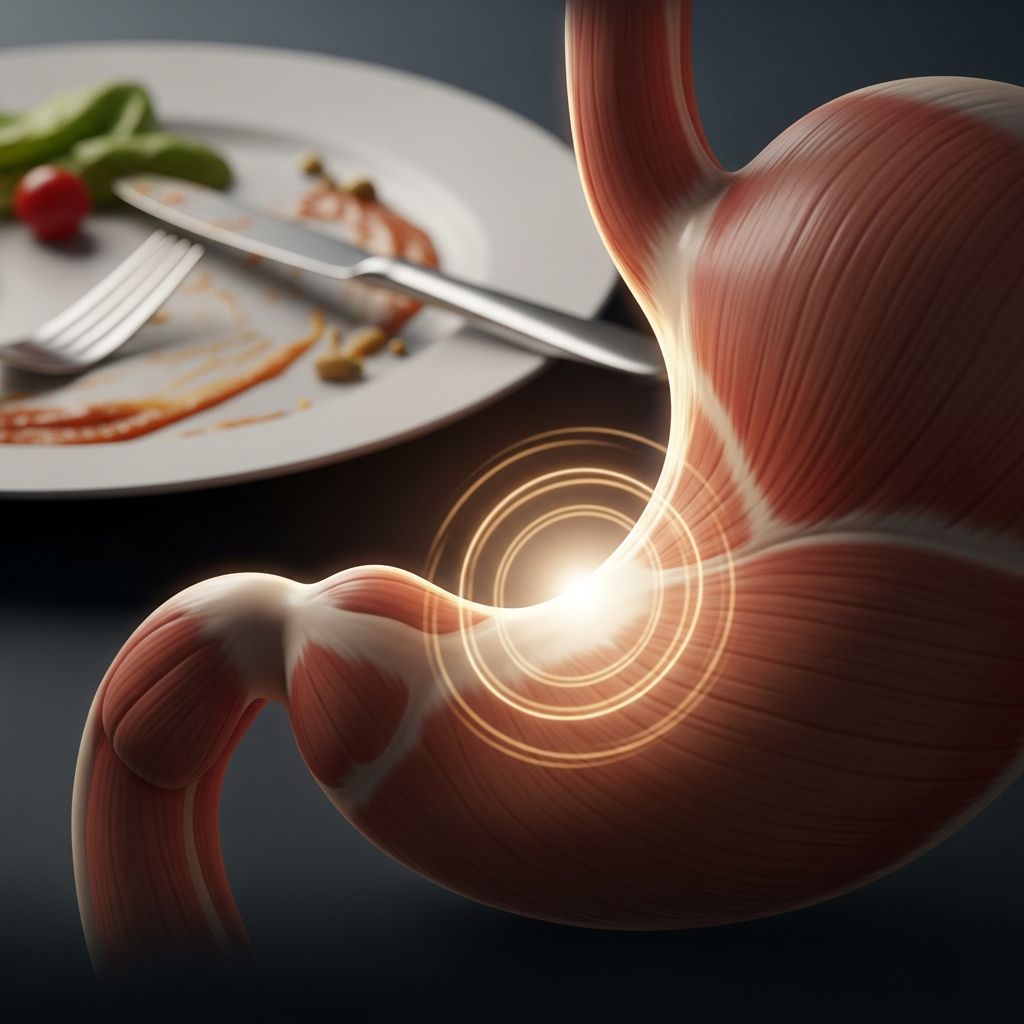
Feeling hungry shortly after a meal can be frustrating and disruptive to your daily routine. While occasional hunger pangs are normal, persistent hunger after eating often signals underlying issues with diet, hormones, lifestyle, or health conditions. Experts note that this sensation typically arises from rapid blood sugar fluctuations, inadequate nutrient intake, or hormonal imbalances that fail to signal fullness to the brain. Understanding these triggers is key to achieving sustained satiety.
It takes about 20 minutes for your brain to register fullness signals from the gut, so rushing meals can trick you into overeating later. Factors like meal composition—high in refined carbs versus balanced with proteins and fats—play a central role, as high-carb, low-fat meals lead to quicker glucose spikes and crashes, prompting earlier hunger returns. This article breaks down the main reasons, backed by science, and offers actionable solutions.
Reasons You’re Hungry After Eating
Several interconnected factors contribute to post-meal hunger. Diet and lifestyle dominate, but physiological and psychological elements also factor in. Here’s a detailed look:
Your Diet Lacks Balance
The most common culprit is unbalanced meals dominated by ultra-processed or high-carbohydrate foods. These cause sharp rises and falls in blood sugar, leaving you hungry soon after. For instance, a high-carb, low-fat breakfast results in an earlier postprandial glucose peak and nadir, correlating with increased hunger at 3-4 hours post-meal.
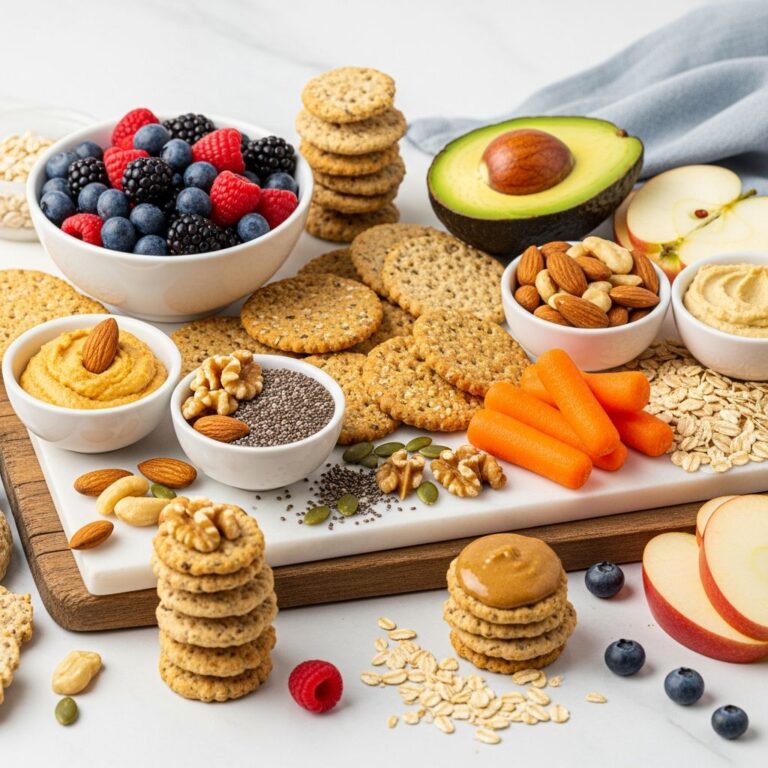
Follow USDA MyPlate guidelines: fill half your plate with fruits and vegetables, the other half with proteins and whole grains. Nutrient-dense options like lean meats, eggs, nuts, and fiber-rich veggies slow digestion and stabilize energy levels.
- High-fiber foods: Oats, beans, apples—promote fullness by expanding in the stomach.
- Proteins: Chicken, fish, tofu—boost satiety hormones.
- Healthy fats: Avocado, olive oil—delay gastric emptying.
A study on overweight adults showed low-carb, high-fat meals delayed hunger compared to high-carb counterparts, primarily due to steadier glucose profiles.
Hormonal Imbalances Are at Play
Two key hormones regulate hunger: ghrelin (stimulates appetite) and leptin (signals fullness). After eating, leptin rises to suppress hunger, while ghrelin drops. Leptin resistance, common in obesity, prevents this signal, leading to persistent hunger.
Sleep deprivation exacerbates this by elevating ghrelin and lowering leptin, increasing cravings for high-calorie foods. Stress hormones like cortisol can mimic hunger signals, prompting emotional eating.
You’re Not Eating Mindfully
Distractions like phones or TV reduce meal satisfaction. A 2024 study in the Journal of Personality and Social Psychology found distracted eaters reported lower satisfaction and snacked more later. Mindful eating—focusing on flavors, textures, and chewing slowly—enhances fullness perception.
Insufficient Calorie or Nutrient Intake
Simply put, you might not have eaten enough. Skipping meals, restrictive dieting, or high activity levels burn calories faster than intake replenishes them. A small salad or soup might not suffice if your needs are higher. Track intake to ensure balanced macros: 45-65% carbs (mostly complex), 20-35% fats, 10-35% proteins.
Related Stories



Stress, Exhaustion, or Overexertion
Chronic stress and poor sleep disrupt hormones, amplifying hunger. Physical activity without adequate fueling also spikes appetite. Aim for 7-9 hours of sleep and stress-reduction techniques like meditation.
Underlying Medical Conditions or Medications
Conditions like diabetes cause insulin resistance and blood sugar instability, triggering hunger. Hyperthyroidism accelerates metabolism, increasing energy demands. Rare cases like Prader-Willi syndrome lead to insatiable appetite. Medications such as antidepressants or steroids boost hunger as a side effect. Consult a doctor if hunger persists despite lifestyle tweaks.
How to Stop Feeling Hungry After Eating
Combat post-meal hunger with these evidence-based strategies:
- Build Balanced Plates: Prioritize protein (20-30g per meal), fiber (25-30g daily), and fats. Example: Grilled salmon, quinoa, broccoli.
- Eat Slowly: Chew 20-30 times per bite; put utensils down between bites.
- Wait Before Snacking: Give 20-30 minutes for digestion signals to reach the brain.
- Hydrate: Thirst often masquerades as hunger; drink water before and after meals.
- Practice Mindful Eating: Eat without screens; savor each bite.
- Manage Stress and Sleep: Consistent routines regulate hormones.
- Snack Smart: If needed, choose Greek yogurt with nuts or apple with peanut butter.
| Meal Type | Components | Hunger Return Time | Why? |
|---|---|---|---|
| High-Carb/Low-Fat | Pancakes, juice | 3-4 hours | Quick glucose spike/crash |
| Low-Carb/High-Fat | Eggs, avocado, spinach | Delayed | Stable glucose |
| Balanced | Chicken salad with veggies | 4-6 hours | Protein/fiber synergy |
When to See a Doctor
If hunger persists after implementing changes, or accompanies symptoms like unexplained weight loss, fatigue, or frequent urination, seek medical advice. It could indicate diabetes, thyroid issues, or other conditions. Track meals, symptoms, and consult a professional for bloodwork.
Frequently Asked Questions (FAQs)
Why do I feel hungry 30 minutes after eating?
This often stems from high-glycemic foods causing blood sugar crashes or eating too quickly, bypassing fullness signals.
Does dehydration cause hunger after meals?
Yes, thirst can mimic hunger; drink 8-10 glasses of water daily to differentiate.
Can stress make me hungry right after eating?
Absolutely—cortisol elevates ghrelin, overriding satiety.
Is it normal to be hungry after every meal?
No, regular post-meal hunger warrants diet review or medical check.
How much protein per meal for satiety?
20-30 grams helps sustain fullness via hormone regulation.
In summary, post-meal hunger is often fixable through mindful, nutrient-balanced eating and lifestyle adjustments. Persistent issues merit professional evaluation for optimal health.
References
- Experts Explain Why You Feel Hungry After Eating — Men’s Health. 2024. https://www.menshealth.com/health/a62324563/why-youre-always-hungry-after-eating/
- Reasons you might be hungry after a meal — Teladoc Health. 2024. https://www.teladochealth.com/library/article/reasons-you-might-be-hungry-after-a-meal
- Return of hunger following a relatively high carbohydrate breakfast is associated with earlier rise and fall in postprandial glucose — PMC (Peer-reviewed). 2014-10-09. https://pmc.ncbi.nlm.nih.gov/articles/PMC4204795/
Similar Articles








Read full bio of medha deb