Why Regular Check-ups Matter for Type 2 Diabetes
Discover why consistent check-ups are essential for managing type 2 diabetes and preventing serious complications effectively.
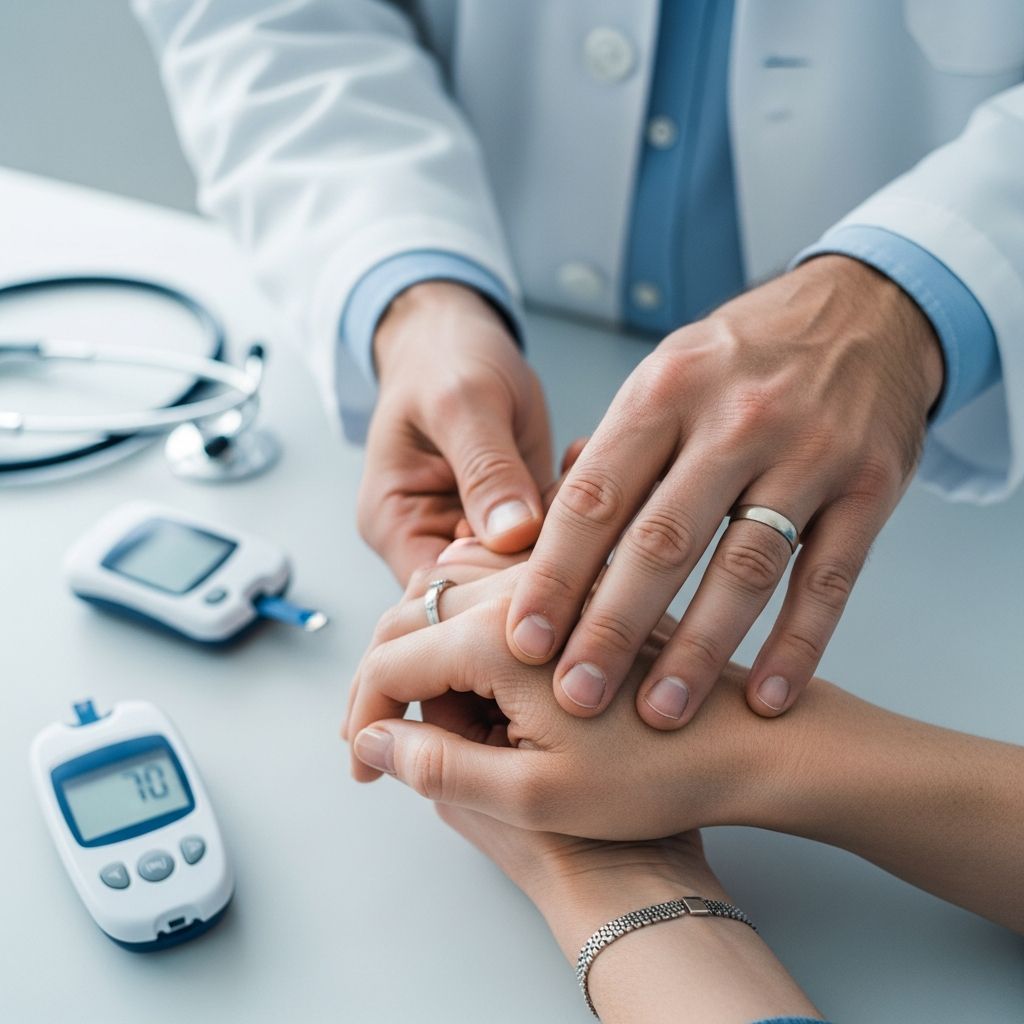
Living with
type 2 diabetes
requires ongoing vigilance to manage blood glucose levels and minimize risks of serious complications. Regular check-ups with your healthcare team are essential, typically at least annually, or more frequently if symptoms worsen or you’re newly diagnosed. These visits ensure comprehensive monitoring of key health indicators like HbA1c, blood pressure, cholesterol, and more, enabling early intervention to protect your long-term health.What Happens During a Diabetes Check-up?
Your diabetes review is a structured assessment covering multiple aspects of your health. For established type 2 diabetes, annual reviews are standard, but early-stage or unstable cases may require checks every 3-6 months. The process involves a series of tests and discussions tailored to your needs.
Key components include:
- HbA1c test: Measures average blood glucose over the past 1-3 months by assessing glycated hemoglobin in red blood cells. This is the primary tool for tracking control, done every 2-6 months.
- Blood pressure check: High blood pressure is common in diabetes and increases cardiovascular risk; targets are usually below 140/80 mmHg.
- Weight and BMI assessment: Helps evaluate obesity-related risks and progress on lifestyle changes.
- Cholesterol levels: Lipid profile to check for high LDL or triglycerides, which heighten heart disease risk.
- Kidney function tests: Blood tests for creatinine and eGFR, plus urine for protein (albuminuria) to detect early diabetic nephropathy.
- Foot examination: Checks for neuropathy, ulcers, or circulation issues to prevent amputations.
- Eye screening: Separate annual retinal exam to spot diabetic retinopathy or glaucoma early; NICE recommends this for all.
- Mental health review: Screens for diabetes distress, anxiety, or depression, common due to chronic management burdens.
These elements form a holistic checklist, ensuring no area is overlooked.
Why Are Check-ups So Important?
**Regular monitoring** keeps blood glucose at safe levels, reducing complication risks. Uncontrolled diabetes can silently damage eyes, kidneys, nerves, and heart over years. Early detection via check-ups allows timely treatment, often preventing progression. For instance, retinopathy caught early can be stabilized with laser therapy, averting blindness.
Check-ups also empower self-management. Healthcare teams provide personalized advice on diet, exercise, and medications, adjusting plans based on your HbA1c trends. Studies show consistent reviews improve glycemic control and quality of life.
Preventing Complications
Diabetes complications arise from prolonged high blood sugar (hyperglycemia) or lows (hypoglycemia). Regular checks detect issues like:
- Cardiovascular disease: 2-4 times higher risk; monitored via BP and lipids.
- Diabetic retinopathy: Leading blindness cause; annual screening essential.
- Nephropathy: Urine protein tests flag early kidney damage.
- Neuropathy and foot ulcers: Sensory loss increases infection risk; foot checks prevent 85% of amputations.
Proactive care via NICE guidelines emphasizes these screens to halt progression.
Understanding Your Test Results
Interpreting results guides management. Here’s a typical targets table for type 2 diabetes adults:
| Test | Target | Why It Matters |
|---|---|---|
| HbA1c | <48 mmol/mol (6.5%) | Reduces complication risk by 20-30% per 1% drop. |
| Blood Pressure | <140/80 mmHg | Lowers stroke/heart attack risk. |
| Total Cholesterol | <4 mmol/L | Prevents atherosclerosis. |
| eGFR (Kidneys) | >60 mL/min | Early CKD detection. |
Related Stories



If results deviate, your doctor may intensify treatment, like adding statins or adjusting meds. Discuss thresholds openly.
How Often Should You Have Check-ups?
Frequency depends on stability:
- Newly diagnosed: Every 3-6 months until stable.
- Stable control: Annually.
- Poor control or complications: 2-4 times yearly.
- High-risk (e.g., pregnancy planning): More frequent, with self-monitoring.
Eye and foot screens are yearly regardless. Immunizations (annual flu, one-time pneumococcal) are also advised.
Making the Most of Your Appointments
Prepare to maximize value:
- Track home blood glucose (if on insulin or CGM-eligible).
- Note symptoms, diet/exercise changes.
- List questions: medication side effects, carb counting, weight loss tips.
- Bring glucose meter for accuracy checks.
Teams include GPs, nurses, dietitians, podiatrists. Patel advises: “Ask even basic questions—knowledge empowers management.”
Lifestyle Advice and Support
Check-ups reinforce healthy habits:
- Diet: Balanced, low-GI foods; carb awareness.
- Exercise: 150 min/week moderate activity.
- Weight management: 5-10% loss improves control.
- Self-monitoring: CGM for frequent hypos or insulin users per NICE.
Mental health support addresses burnout.
Special Considerations: Continuous Glucose Monitoring (CGM)
NICE recommends CGM for type 2 patients on multiple daily insulin injections with hypos, impaired awareness, or needing 8+ checks/day. It provides real-time data, improving control without finger pricks.
Immunisations for Diabetes
Diabetes weakens immunity; get annual flu vaccine and one pneumococcal shot to prevent severe infections.
Frequently Asked Questions (FAQs)
What if my symptoms worsen between check-ups?
Contact your team immediately for earlier review; worsening may signal poor control needing urgent adjustment.
How accurate is home blood glucose testing?
Reliable if calibrated; annual structured review assesses technique.
Can check-ups prevent all complications?
Not entirely, but early detection reduces severity significantly.
Who needs CGM?
Those with severe hypos or high monitoring needs, per NICE.
Why mental health checks?
Diabetes doubles depression risk; screening ensures holistic care.
References
- Living with diabetes – what you need to know — Patient.info. 2023. https://patient.info/features/diabetes/living-with-diabetes-what-you-need-to-know
- Type 2 Diabetes: Causes, Symptoms, and Treatment — Patient.info. 2024-01-13. https://patient.info/diabetes/type-2-diabetes
- Diabetes Care and the Importance of Regular Check-ups — Wray Hospital. 2023. https://wrayhospital.org/comprehensive-diabetes-care-importance-regular-check-ups/
- Why type 2 diabetes check-ups are so important — Patient.info. 2023. https://patient.info/features/diabetes/why-you-should-go-for-regular-check-ups-if-you-have-type-2-diabetes
- Diabetes Mellitus Leaflet — Patient.info. 2024. https://patient.info/diabetes/diabetes-mellitus-leaflet
- Assessment of the Patient with Established Diabetes — Patient.info (Professional). 2023. https://patient.info/doctor/endocrine-disorders/assessment-of-the-patient-with-established-diabetes
Similar Articles








Read full bio of medha deb