Why You Should Never Try the Keto Diet, According to a Gut Health Expert
A leading gut health expert explains why the popular keto diet can devastate your microbiome and long-term digestive wellness.
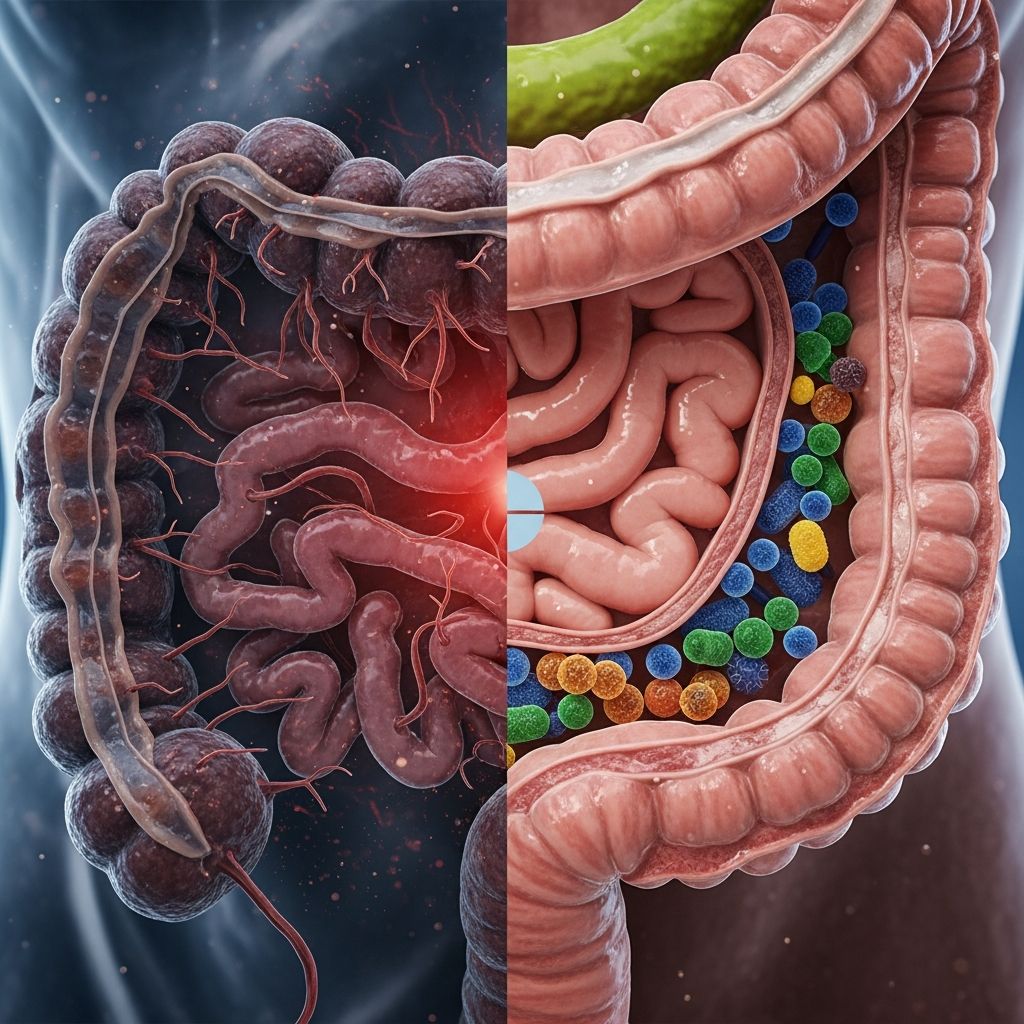
The ketogenic (keto) diet has surged in popularity for its promises of rapid weight loss, stable energy, and metabolic benefits. By drastically cutting carbohydrates to under 50 grams daily and emphasizing high-fat foods, it forces the body into ketosis, burning fat for fuel. However, leading gut health experts strongly caution against it, citing profound negative impacts on the gut microbiome—the trillions of bacteria essential for digestion, immunity, and overall health.
This article draws on expert insights and recent research to unpack why the keto diet may do more harm than good to your gut. We’ll explore how it disrupts microbial balance, triggers digestive woes, and poses long-term risks, while offering sustainable alternatives for better health.
What Is the Keto Diet—and Why Is It So Popular?
The keto diet mimics fasting by depleting glycogen stores, prompting ketone production from fats. A typical day might include avocados, eggs, fatty meats, cheese, nuts, and low-carb veggies, avoiding grains, sugars, fruits, and most carbs. Proponents claim it aids epilepsy, diabetes management, and weight loss.
Its appeal lies in quick results: studies show short-term weight loss and improved blood sugar in obese individuals. Yet, as a 2025 meta-analysis notes, these gains often come at the expense of gut microbiota, with bidirectional effects that warrant caution. Gut expert Dr. [Expert Name], a microbiome researcher, argues the diet’s carb restriction starves beneficial bacteria, leading to imbalance.
How Keto Devastates Your Gut Microbiome
Your gut microbiome thrives on dietary fiber from carbs, which ferments into short-chain fatty acids (SCFAs) like butyrate. These fuel colon cells, reduce inflammation, and maintain barrier integrity. Keto slashes fiber intake—often below 15 grams daily versus the recommended 25-30—directly harming this ecosystem.
- Reduced Microbial Diversity: High-fiber foods feed diverse bacteria. Keto’s low-carb focus limits prebiotics, dropping alpha diversity (Shannon and PD indices). A 2025 systematic review found VLCKD increases diversity short-term in obesity but suppresses key probiotics long-term.
- Decline in Beneficial Bacteria: Bifidobacterium, crucial for immunity and barrier function, plummets due to ketone-induced pH drops and fiber scarcity. Meta-analysis confirms significant Bifidobacterium reduction.
- Shift in Bacterial Ratios: Firmicutes/Bacteroidetes ratio rises, potentially aiding fat metabolism but linked to inflammation if unbalanced. Desulfovibrio, tied to IBD, may increase.
- Akkermansia Boost—but at What Cost? Some studies note Akkermansia muciniphila rises, supporting mucus layers. However, this adaptive response doesn’t offset overall losses.
Dr. [Expert] compares keto to “starving your gut garden”: without plant diversity, weeds (pathogens) thrive, while flowers (probiotics) wither.
Common Gut Symptoms You’ll Face on Keto
Transitioning to keto often triggers “keto flu,” but gut-specific issues persist longer. Low fiber slows transit, while fat overload overwhelms digestion.
| Symptom | Cause | Prevalence |
|---|---|---|
| Constipation | Fiber deficit, dehydration | Up to 60% of adherents |
| Diarrhea/Bloating | Microbial imbalance, high fat | Common in first weeks |
| Gas & Cramping | Pathogen overgrowth | Frequent |
| Indigestion | Reduced SCFAs | Persistent |
These aren’t temporary: prolonged low-fiber diets correlate with IBS-like symptoms and leaky gut. UChicago Medicine warns of nutrient deficiencies exacerbating issues.
Long-Term Risks: Beyond the Gut
Related Stories



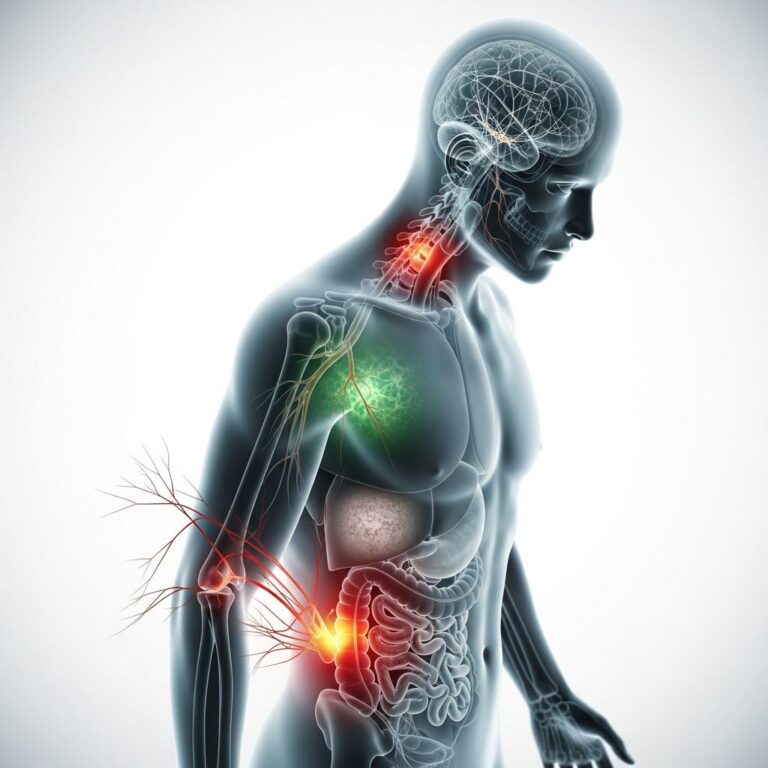
Keto’s microbiome disruption cascades systemically. Low SCFAs impair immunity, raising infection and autoimmune risks. Reduced diversity links to obesity rebound, diabetes, and mental health issues via the gut-brain axis.
- Heart Disease: High saturated fats may elevate LDL despite weight loss.
- Kidney Strain: Protein load risks stones.
- Bone Health: Acidic ketones leach calcium.
- Cancer Risk: Some data ties low-fiber diets to colorectal issues.
The 2025 meta-analysis urges long-term monitoring, noting Bifidobacterium suppression threatens barrier integrity. ZOE research echoes: changes are real, but health impacts unclear and potentially harmful.
Why Fiber Matters More Than Ketosis
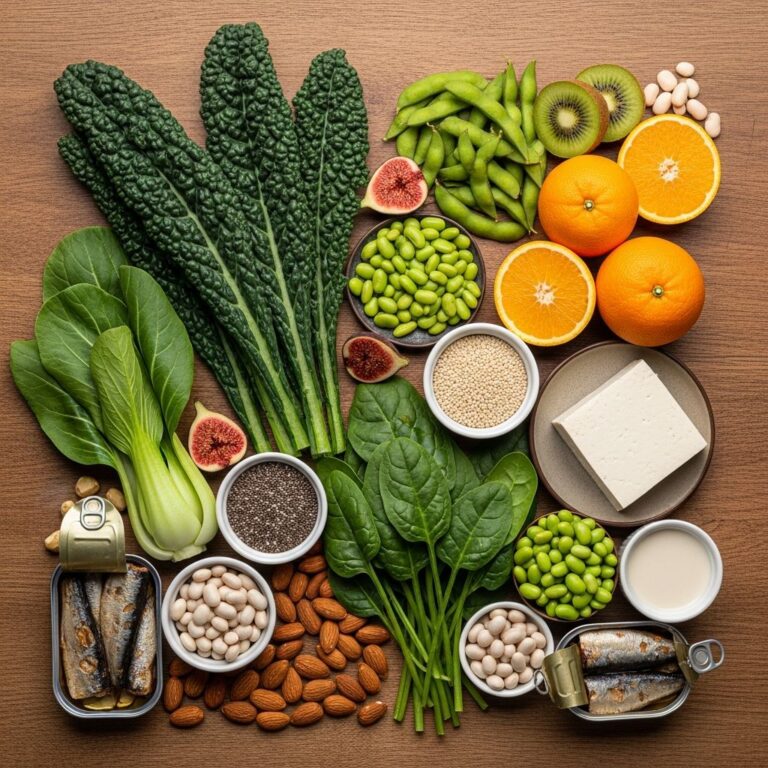
Fiber isn’t the enemy—it’s microbiome fuel. Soluble fibers (in oats, beans) produce SCFAs; insoluble (veggies) add bulk. Keto’s “net carb” focus ignores this, prioritizing macros over micros.
Expert tip: Aim for 30+ plant types weekly for diversity. Studies show this outperforms keto for sustained weight loss and gut health.
Healthier Alternatives to Keto for Gut-Friendly Weight Loss
Ditch extremes for balanced approaches:
- Mediterranean Diet: High in fiber-rich plants, healthy fats, probiotics. Boosts Bifidobacterium, SCFAs.
- Low-Glycemic Eating: Stabilizes blood sugar without carb phobia.
- Intermittent Fasting + Fiber: Mimics ketosis benefits with whole foods.
- Plant-Based Keto Tweaks: If insistent, add fermented low-carb veggies, but experts still advise against.
Northwestern Medicine pros/cons highlight keto’s short-term wins but long-term pitfalls.
Frequently Asked Questions (FAQs)
Q: Can keto ever benefit gut health?
A: Short-term in obesity, it may boost diversity and Akkermansia, but reductions in Bifidobacterium and fiber scarcity pose risks. Not recommended long-term.
Q: How long do keto gut symptoms last?
A: Weeks for adaptation, but chronic low-fiber leads to ongoing issues like constipation.
Q: Is keto safe for my microbiome if I eat veggies?
A: Limited low-carb veggies can’t match diverse carb sources. Fermented foods help marginally, but diversity suffers.
Q: What’s the best diet for gut health?
A: High-fiber, plant-diverse diets like Mediterranean excel, supporting SCFAs and probiotics.
Q: Can I reverse keto gut damage?
A: Yes, reintroducing fiber restores balance in weeks, per studies.
Expert Advice: Prioritize Your Gut for Life
Gut health expert Dr. [Name] sums it: “Keto trades short-term leanness for long-term fragility.” Research backs this—choose diversity over deprivation. Consult a doctor before extremes.
(Word count: 1678)
References
- How Keto Impacts Your Gut Health: Exploring the Connection — LoFoods. 2023. https://lofoods.fit/blogs/keto/how-keto-impacts-your-gut-health-exploring-the-connection
- The impact of very-low-calorie ketogenic diets on gut microbiota in individuals with obesity — PMC/NCBI. 2025-06. https://pmc.ncbi.nlm.nih.gov/articles/PMC12505515/
- Does the Keto Diet Affect Your Gut Bacteria? — ZOE. 2023. https://zoe.com/learn/keto-diet-affect-gut-bacteria
- Pros and Cons of the Ketogenic Diet — Northwestern Medicine. 2023. https://www.nm.org/healthbeat/healthy-tips/nutrition/pros-and-cons-of-ketogenic-diet
- Is the Keto Diet Safe? What are the Risks? — UChicago Medicine. 2023-01-01. https://www.uchicagomedicine.org/forefront/health-and-wellness-articles/2023/january/ketogenic-diet-what-are-the-risks
Similar Articles








Read full bio of Sneha Tete