Why You Should Take Up a Creative Hobby This Year
Discover how embracing a creative hobby can transform your mental health, reduce stress, boost mood, and enhance overall wellbeing in 2026.
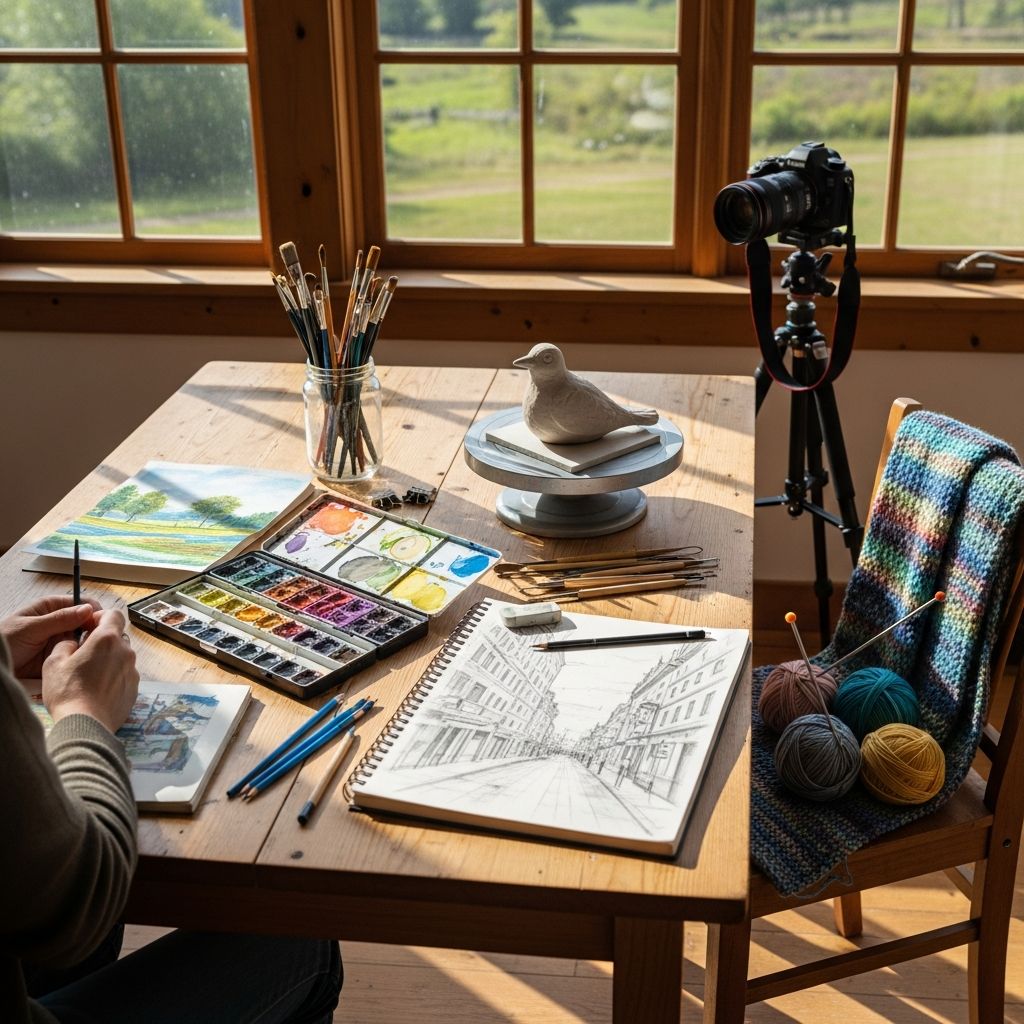
Creative hobbies offer powerful, accessible ways to nurture mental health amid modern stresses. About half (46%) of Americans engage in activities like playing piano, crocheting, or solving puzzles to relieve stress or anxiety, with those reporting excellent mental health participating more frequently.
A 2023 American Psychiatric Association (APA) poll revealed that individuals rating their mental health as very good or excellent engage in creative pursuits weekly at higher rates than others. These activities shift focus from daily pressures, fostering relaxation and a fresh mindset, as noted by APA President Petros Levounis, M.D.. This article explores the profound benefits, popular options, and practical tips to start, drawing from peer-reviewed studies and expert insights.
The Mental Health Benefits of Creative Hobbies
Creative hobbies deliver multifaceted mental health advantages, supported by robust evidence. They reduce stress, enhance mood, and build resilience, making them essential self-care tools.
Reduce Stress and Anxiety
Engaging in creative activities helps many escape anxiety: 46% of polled Americans use them specifically for stress relief. A longitudinal US study during COVID-19 found increased gardening time linked to lower depressive and anxiety symptoms, alongside boosted life satisfaction.
Arts and crafts, woodwork/DIY also correlated with improved wellbeing in the same research, unlike passive screen time which worsened depression. UCLA Health highlights hobbies’ role in mental wellbeing boosts, with creative ones like art yielding optimal results at 2+ hours weekly.
Improve Your Mood and Emotional Expression
Creativity counters low mood by enabling emotional processing. Studies show art, writing, and music reduce anxiety/depression while aiding emotion management, especially when words fail. Bupa notes creative outlets diminish stress/loneliness, uplifting mood via brain changes.
71% of those with excellent mental health frequently create, per APA data. Kaiser Permanente links arts to confidence gains and stress reduction.
Enter a State of Flow
Flow—total task absorption—occurs in challenging creative pursuits, muting worries. Bupa’s Sarah Griffiths describes jigsaw puzzles inducing this, allowing stress-free focus even with podcasts. This rewarding state enhances enjoyment and mental reset.
Boost Cognitive Function and Brain Health
Hobbies challenge the mind: drawing, languages, or music build cognitive reserve. UCLA confirms improved function and chronic disease risk reduction. Kaiser suggests photography, theater volunteering, or guitar lessons exercise the brain.
Repetitive crafts like knitting relax while sharpening focus. A UK study tied creative hobbies to better depression/anxiety outcomes.
Build Confidence and Self-Esteem
Mastering skills fosters achievement. Completing a craft or story builds self-worth, per Bupa. APA’s Saul Levin, M.D., equates creative time to exercise or nature walks for mental boosts.
Enhance Social Connections
Group hobbies combat isolation. Dancing, concerts (15% stress-relief use), or classes connect people. Woodworking clubs or baking shares amplify joy through bonds.
Popular Creative Hobbies and Their Benefits
Americans favor accessible activities: listening to music (77%), puzzles (39%), singing/dancing (25%), drawing/painting (24%), crafting (19%), writing (16%). Here’s a breakdown:
- Listening to Music / Playing Instruments: Top stress reliever (77%/13%); boosts mood, enables flow.
- Puzzles and Jigsaws: 39% use; induces flow, reduces overthinking.
- Drawing, Painting, Sculpting: 24%; therapeutic, 2+ hours/week maximizes wellbeing.
- Crafting / Knitting / Crochet: 19%; repetitive motions calm, confidence-building.
- Gardening: Reduces depression/anxiety; nature enhances satisfaction.
- Writing / Storytelling: 16%; processes emotions.
- Baking / Cooking: Fulfilling, shareable creativity.
- Photography: Heightens awareness, smartphone-friendly.
Related Stories



| Hobby | Primary Benefit | Popularity (% for Stress Relief) | Evidence Source |
|---|---|---|---|
| Listening to Music | Mood Boost | 77% | |
| Puzzles | Flow State | 39% | |
| Painting/Drawing | Wellbeing | 24% | |
| Gardening | Anxiety Reduction | N/A | |
| Crafting | Stress Relief | 19% |
How to Get Started with a Creative Hobby
Barriers like time or skill are surmountable. Start small for momentum.
Choose Something That Sparks Joy
Reflect on interests: art lover? Try drawing. Music fan? Lessons. No talent needed—focus on process.
Start Small and Build Gradually
Begin 15-30 minutes daily. Jigsaw half-hour or weekly sketch. Aim 2+ hours/week for peak benefits.
Find Your Community
Join classes/libraries/centers for quilting, languages, ceramics. Online groups for writing/photography.
Overcome Common Obstacles
- No Time? Integrate: podcasts while crafting.
- Not Creative? Everyone is—puzzles/gardening count.
- Cost? Free apps for drawing, library books, phone photos.
Creative Hobbies for Different Lifestyles
For Busy Professionals
Quick wins: 20-min puzzles, phone photography, journaling.
For Parents and Families
Group baking, family crafts, garden together—builds bonds.
For Retirees or Older Adults
Crocheting, reading, pandemic studies showed coping via hobbies.
Science Behind the Benefits
Longitudinal data confirms causality: US COVID study (n=weighted to Census) linked gardening/woodwork/arts increases to mental health gains. UK parallels showed creative time cuts symptoms. APA poll (recent) ties frequency to health ratings. Brain flow states via challenge; neuroplasticity from skills.
Frequently Asked Questions (FAQs)
Do I need to be artistic to benefit from creative hobbies?
No—puzzles, gardening, cooking qualify. 77% listen to music for relief; focus is enjoyment.
How often should I do creative activities for benefits?
Weekly or more; 2+ hours/week optimal for art.
Can creative hobbies replace therapy?
They complement, not replace. Consult professionals for severe issues.
What if I tried a hobby and disliked it?
Switch—try 3-5 based on interests. Joy drives gains.
Are there free creative hobbies?
Yes: walking photography, journaling, singing, phone apps.
References
- New APA Poll: Americans Who Engage in Creative Activities at Least Weekly Report Better Mental Health — American Psychiatric Association. 2023-05-10. https://www.psychiatry.org/news-room/news-releases/new-apa-poll-americans-who-engage-in-creative-acti
- 3 proven health benefits of having a hobby — UCLA Health. 2023. https://www.uclahealth.org/news/article/3-proven-health-benefits-having-hobby
- 4 ways hobbies can boost your health — Kaiser Permanente. 2023. https://healthy.kaiserpermanente.org/northern-california/health-wellness/healtharticle.hobbies-to-boost-health
- How do creative hobbies benefit your health? — Bupa UK. 2023. https://www.bupa.co.uk/newsroom/ourviews/creativity-hobbies-benefit-health
- Creative leisure activities, mental health and well-being during 5 weeks of COVID-19 lockdown — PMC / NIH. 2023-04-12. https://pmc.ncbi.nlm.nih.gov/articles/PMC10086468/
Similar Articles








Read full bio of Sneha Tete