Why You Shouldn’t Measure Blood Sugar with Smartwatch, Per FDA
FDA warns against using smartwatches or smart rings for blood glucose monitoring due to inaccuracy risks and lack of approval.
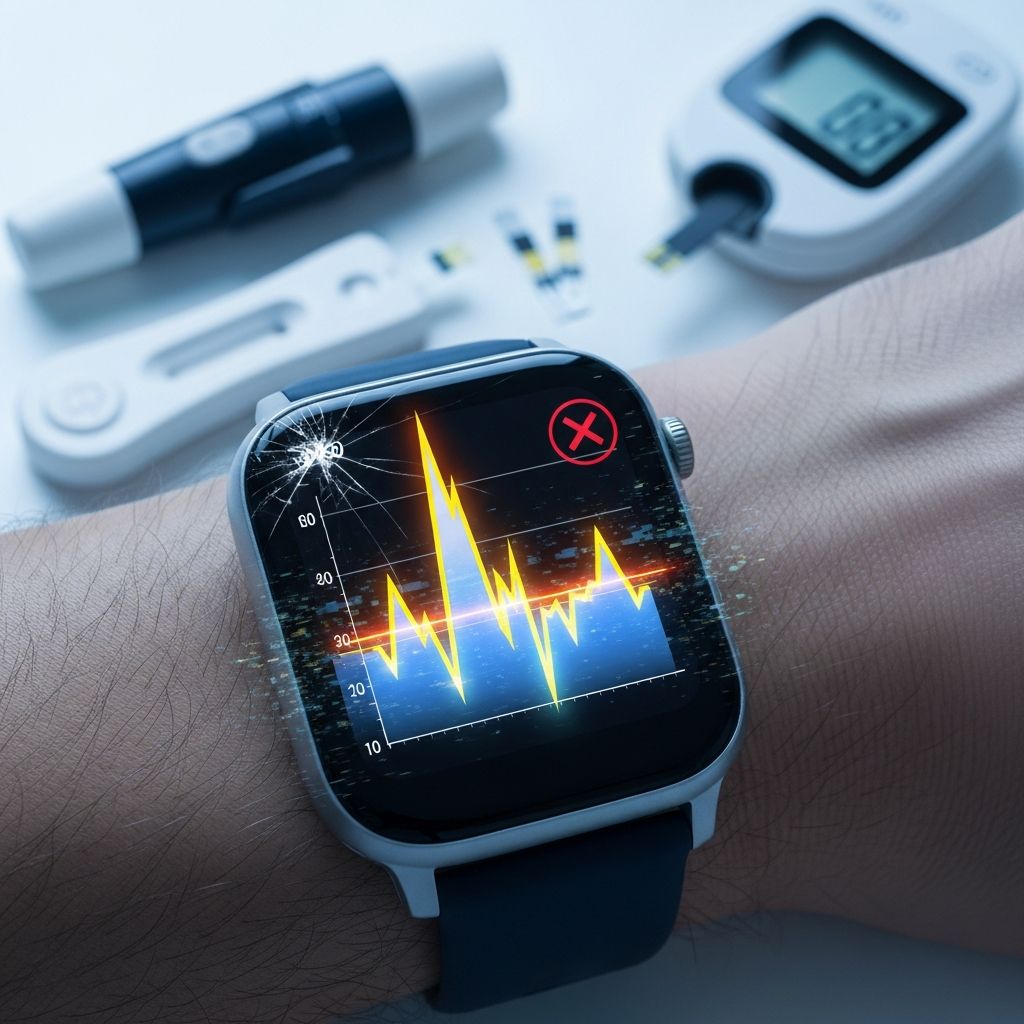
The promise of noninvasive blood glucose monitoring through smartwatches and smart rings has captivated many, especially those managing diabetes. However, the U.S. Food and Drug Administration (FDA) issued a clear warning on February 21, 2024, stating that no such devices are authorized, cleared, or approved for measuring or estimating blood glucose levels independently. These gadgets claim to assess blood sugar without skin piercing, but they pose serious risks due to potential inaccuracies that could lead to life-threatening errors in diabetes care.
What the FDA Says About Smartwatches and Blood Sugar
The FDA’s safety communication explicitly cautions consumers, patients, caregivers, and healthcare providers against using smartwatches or smart rings for blood glucose measurement. Unlike FDA-authorized continuous glucose monitors (CGMs) that pierce the skin and pair with smartwatch apps for data display, these standalone devices have not undergone the necessary regulatory review for safety and effectiveness.
Sellers promote these products using techniques like optical, electrochemical, or electromagnetic methods to purportedly detect glucose noninvasively through sweat, tears, or light absorption. However, the FDA emphasizes that these devices do not directly test blood glucose, leading to unreliable results. The agency became aware of these unauthorized products via market monitoring and is actively working to curb illegal marketing by manufacturers and sellers.
Risks of Inaccurate Blood Glucose Readings
For individuals with diabetes, precise blood glucose monitoring is critical for dosing insulin, sulfonylureas, or other medications that lower blood sugar. Inaccurate readings from unapproved smartwatches can result in over- or under-dosing, potentially causing hypoglycemia—dangerously low blood sugar levels that manifest as mental confusion, coma, or death within hours.
Studies on prototype devices reveal stark accuracy issues. For instance, one smartwatch met FDA accuracy standards only 18% of the time, meaning it was inaccurate over 80% of readings. FDA guidelines for over-the-counter glucose monitors require at least 95% of readings within 15% of lab-accurate devices and 99% within 20%—standards these wearables fail to meet consistently.
- Hypoglycemia risk: Taking too much medication based on falsely low readings can drop glucose perilously.
- Hyperglycemia oversight: Falsely high readings might delay necessary interventions.
- Diabetes mismanagement: Cumulative errors erode trust in monitoring, worsening long-term control.
These risks extend beyond diabetes patients; even non-diabetics using such devices for wellness tracking could misinterpret data, leading to unnecessary panic or complacency.
How Noninvasive Smartwatch Glucose Tech Claims to Work
Marketers tout various technologies, but none are FDA-vetted for blood glucose use:
| Technology | Description | Limitations |
|---|---|---|
| Electrochemical | Measures glucose in sweat or tears. | Doesn’t assess blood glucose; influenced by hydration, sweat composition. |
| Optical (e.g., Infrared) | Shines light through skin; detects absorption by glucose molecules. | Skin thickness, pigmentation, motion artifacts reduce precision. |
| Electromagnetic | Stimulates skin/tissues to estimate glucose. | Early-stage; lacks validation against blood samples. |
While research is ongoing—such as smart contact lenses exploring electrochemical methods—wearables remain far from reliable clinical use. Promising lab results do not translate to real-world consistency required for medical decisions.
Related Stories



FDA-Approved Alternatives for Blood Glucose Monitoring
Reliable options exist and are rigorously tested:
- Traditional Glucometers: Finger-prick devices like Accu-Chek Guide provide lab-comparable accuracy.
- Continuous Glucose Monitors (CGMs): Wearable sensors (e.g., Dexcom, FreeStyle Libre) pierce skin interstitial fluid, offering real-time data with 5-15 minute lag but high reliability. Smartwatch apps can display CGM data, but measurement occurs via the authorized sensor.
CGMs help maintain target glucose ranges and reduce hypoglycemia episodes, though users often pair them with glucometers for confirmation. High altitude, temperature extremes, or humidity can affect results, so always follow device instructions.
FDA Recommendations: What to Do Instead
For Consumers, Patients, and Caregivers
- Avoid purchasing or using smartwatches/rings claiming noninvasive blood glucose measurement, especially from online marketplaces.
- Recognize that these devices’ safety and accuracy are unverified by FDA.
- Consult healthcare providers for FDA-authorized devices tailored to your needs.
For Health Care Providers
- Educate patients on risks of unauthorized devices.
- Guide selection of approved monitors.
Report adverse events via FDA MedWatch to aid safety improvements. Contact DICE@fda.hhs.gov or 800-638-2041 for questions.
The Future of Noninvasive Glucose Monitoring
While current wearables fall short, innovation persists. Companies are refining optical and electrochemical sensors, with some prototypes showing improved accuracy in controlled studies. However, achieving FDA standards demands extensive clinical trials accounting for diverse skin types, activity levels, and physiological variations.
Regulatory hurdles ensure devices meet stringent criteria before market approval. Until then, patients should prioritize proven tools. The FDA continues monitoring and will update on new developments.
Frequently Asked Questions (FAQs)
Can any smartwatch accurately measure blood sugar without pricking?
No. The FDA confirms no smartwatch or smart ring is authorized for standalone noninvasive blood glucose measurement.
What’s the difference between CGMs and smartwatch glucose claims?
CGMs use skin-piercing sensors for interstitial fluid readings, FDA-approved; smartwatch claims rely on unproven noninvasive methods.
Are there any safe noninvasive glucose monitors?
None are FDA-approved yet. Stick to finger-prick meters or CGMs.
What if I already bought a blood sugar smartwatch?
Stop using it for medical decisions and consult your doctor for approved alternatives. Report issues to FDA MedWatch.
How accurate must a glucose device be for FDA clearance?
95% of readings within 15% and 99% within 20% of reference methods.
Expert Insights on Diabetes Management
Endocrinologists stress integrated approaches: combining tech with diet, exercise, and regular check-ups. Noninvasive tech could revolutionize care if validated, but premature adoption risks harm. A 2023 Reuters report echoed FDA concerns post-warning. Pennsylvania providers and pharmacy groups amplified the alert, underscoring widespread awareness efforts.
In summary, while convenient, smartwatch blood sugar features are not ready for prime time. Prioritize FDA-approved devices to safeguard health.
References
- FDA: Don’t use a smartwatch to measure blood sugar — WFAA (YouTube). 2024-02-22. https://www.youtube.com/watch?v=WHt8bDltnlI
- Do Not Use Smartwatches or Smart Rings to Measure Blood Glucose Levels: FDA Safety Communication — U.S. Food and Drug Administration. 2024-02-21. https://www.fda.gov/medical-devices/safety-communications/do-not-use-smartwatches-or-smart-rings-measure-blood-glucose-levels-fda-safety-communication
- FDA Alert: Do Not Use Smartwatches or Smart Rings to Measure Blood Glucose Levels — PA Providers.org. 2024. https://paproviders.org/fda-alert-do-not-use-smartwatches-or-smart-rings-to-measure-blood-glucose-levels/
- Do Blood Glucose Smartwatches Work? No, Here’s Why — GoodRx. 2024. https://www.goodrx.com/conditions/diabetes/blood-glucose-smartwatches
- FDA Safety Communication – Do Not Use Smartwatches or Smart Rings to Measure Blood Glucose — PSHP.org. 2024. https://www.pshp.org/news/666009/FDA-Safety-Communication—Do-Not-Use-Smartwatches-or-Smart-Rings-to-Measure-Blood-Glucose.htm
- Blood Glucose Monitoring Devices — U.S. Food and Drug Administration. 2024. https://www.fda.gov/medical-devices/in-vitro-diagnostics/blood-glucose-monitoring-devices
Similar Articles








Read full bio of medha deb