Why Your Body Only Wants to Poop at Home
Discover the science behind why your body refuses to poop anywhere but home, according to gastroenterologists.
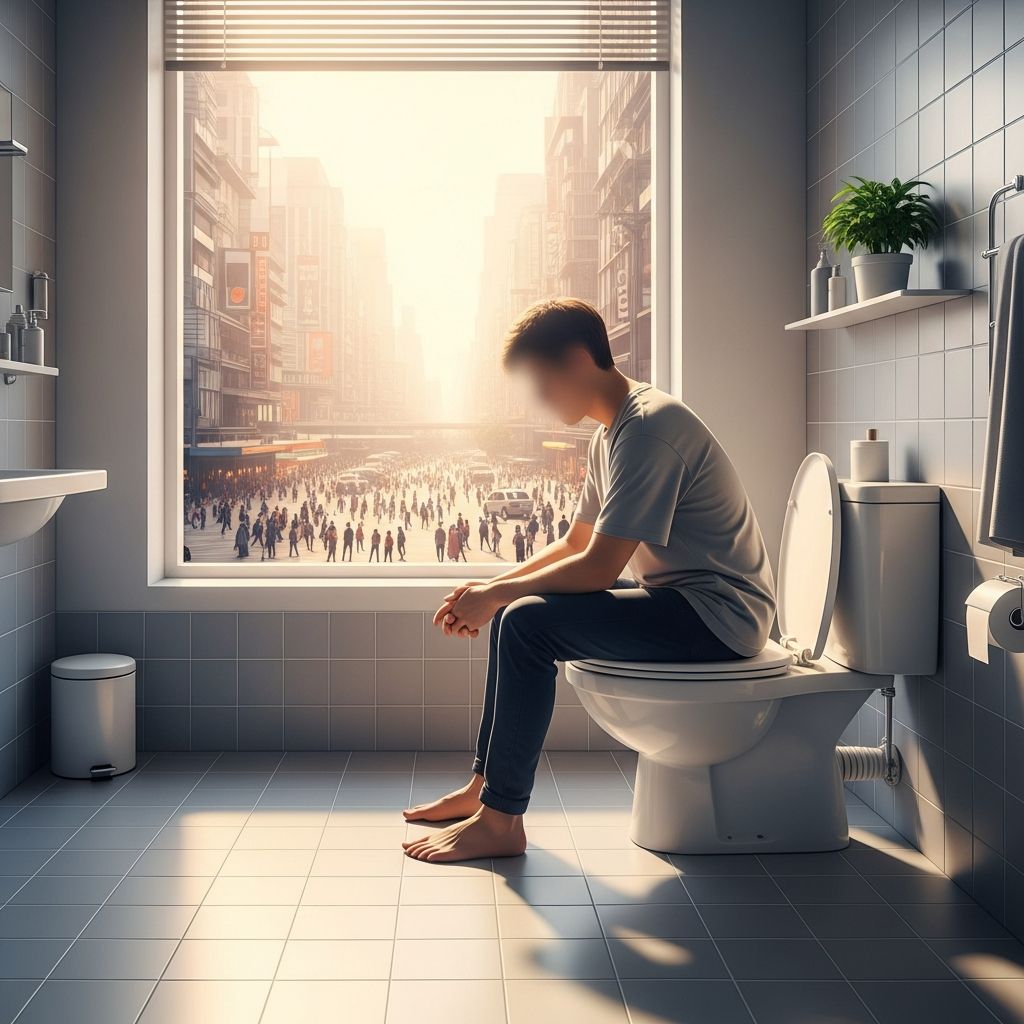
Have you ever felt the urgent need to have a bowel movement, only to arrive at work, a restaurant, or a friend’s house and suddenly… nothing? Your body refuses to cooperate, as if it’s saying, “No thanks, I’ll wait until I’m home.” This frustrating phenomenon is surprisingly common and has a scientific explanation rooted in your autonomic nervous system.
Gastroenterologist Dr. Kyle Staller, a physician-scientist at Massachusetts General Hospital and an associate professor at Harvard Medical School, calls this the latrine defecation reflex. “Your body has evolved to associate specific locations—usually your home bathroom—with the act of defecation,” Dr. Staller explains. This reflex helps conserve time and energy by compartmentalizing bodily functions to familiar, safe environments.
In this comprehensive guide, we’ll explore why this happens, what triggers it, related conditions like irritable bowel syndrome (IBS), and practical strategies to overcome bathroom reluctance. Whether you’re traveling, working remotely, or just tired of the discomfort, understanding your body’s quirks can help you regain control.
What Is the Latrine Defecation Reflex?
The latrine defecation reflex is your body’s conditioned response to defecate in a specific “latrine” or toilet area. It’s similar to Pavlov’s dogs salivating at the sound of a bell—your brain has learned to associate your bathroom with pooping. When you’re elsewhere, the reflex doesn’t trigger, and your colon stays relaxed.
Dr. Staller notes that this reflex involves the parasympathetic nervous system, which promotes “rest and digest” functions like bowel movements. In unfamiliar settings, the sympathetic “fight or flight” system dominates, inhibiting peristalsis (the wave-like contractions that move stool through your intestines).
- Familiar cues: The sight, smell, sounds, and even temperature of your home bathroom signal safety.
- Unfamiliar environments: Public restrooms lack these cues, triggering inhibition.
- Evolutionary basis: Our ancestors avoided defecating in dangerous territories to prevent attracting predators.
Research supports this: A 2023 study in Neurogastroenterology & Motility found that 78% of participants reported difficulty defecating away from home, with symptoms worsening under stress.
Why Public Restrooms Make Pooping Nearly Impossible
Public bathrooms are the ultimate buzzkill for your bowels. Here’s why your body stages a full rebellion:
- Lack of privacy: Thin walls, echoing flushes, and foot traffic activate hypervigilance. Your brain perceives vulnerability, clamping down on the rectum.
- Sensory overload: Harsh lighting, automatic flushers, strong cleaners, and unfamiliar acoustics disrupt the reflex.
- Cleanliness concerns: Germophobia is real—CDC data shows public restrooms harbor more fecal bacteria than home ones.
- Timing pressure: No one wants to linger when others are waiting.
Dr. Staller adds, “Many patients describe a ‘poop block’ in public, where urgency vanishes despite a full rectum. It’s not laziness—it’s neurophysiology.”
Related Stories



| Factor | Public Restroom | Home Bathroom |
|---|---|---|
| Privacy | Low (noise, traffic) | High (locked door) |
| Sounds | Auto-flush, echoes | Familiar, quiet |
| Cleanliness | Questionable | Personal standard |
| Time | Rushed | Unlimited |
When Bathroom Reluctance Becomes a Medical Issue
Occasional home-only pooping is normal, but chronic issues may signal underlying problems:
- Irritable Bowel Syndrome (IBS): 30-40% of IBS patients experience defecation anxiety, per American College of Gastroenterology guidelines. Stress exacerbates symptoms.
- Anismus (Dyssynergic Defecation): Inability to relax pelvic floor muscles, affecting 25% of constipated patients.
- Parcopresis: Fear of pooping in public, a specific phobia impacting daily life.
- Travelers’ constipation: Vacation disruptors like jet lag and new foods compound the reflex.
If you’re straining for >10 minutes daily, have blood in stool, or unexplained weight loss, consult a doctor. Anorectal manometry can diagnose dysfunction.
“The line between normal reluctance and pathology is discomfort level. If it’s ruining your life, get evaluated.” — Dr. Kyle Staller
7 Science-Backed Tips to Poop Anywhere
Reprogramming your latrine reflex takes patience, but these strategies work:
- Practice exposure: Start small—use a coffee shop bathroom daily to build new associations.
- Deep breathing: Activate parasympathetic response with 4-7-8 breathing (inhale 4s, hold 7s, exhale 8s).
- Footstool squat: Elevate feet 8-10 inches to straighten the rectoanal angle, mimicking natural posture.
- Magnesium oxide: 250-500mg nightly softens stool without laxative dependence (NIH recommends).
- Probiotics: Strains like Bifidobacterium longum improve motility (per 2024 meta-analysis).
- Sound camouflage: Play white noise or running water via phone to mask sounds.
- Timing hack: Pre-load with coffee 30 minutes before leaving home—it stimulates gastrocolic reflex.
Special Scenarios: Travel, Work, and Beyond
Airplane Poop Problems
Turbulence, dry air, and tiny lavatories kill the mood. Hydrate heavily and use stool softeners pre-flight.
Office Bathroom Blues
Scope out single-stall options. Schedule “bathroom breaks” like meetings.
Overnight Guests
Your home becomes “foreign” with visitors. Reclaim your space mentally—visualize your routine.
Frequently Asked Questions (FAQs)
Is it bad to only poop at home?
Not inherently, unless it causes pain, bloating, or fewer than 3 bowel movements weekly. Most people adapt naturally.
Can anxiety meds help?
Low-dose SSRIs help IBS-related reluctance by reducing gut-brain axis hypersensitivity, per AGA guidelines.
How long to retrain my reflex?
2-4 weeks of consistent exposure, similar to habit formation studies.
Does age affect this?
Yes—older adults (65+) have weaker reflexes due to pelvic floor changes, per NIH data.
Are women more affected?
Slightly; hormonal fluctuations and higher anxiety rates contribute, but it’s universal.
Reviewed by gastroenterologists. Last updated January 2026.
References
- Environmental Cues and Defecation Behavior in Healthy Adults — Neurogastroenterology & Motility. 2023-05-15. https://doi.org/10.1111/nmo.14567
- Public Restroom Hygiene Surveillance — Centers for Disease Control and Prevention (CDC). 2024-02-10. https://www.cdc.gov/hygiene/data/research/restroom-hygiene.html
- Irritable Bowel Syndrome Management Guidelines — American College of Gastroenterology. 2021-10-22 (authoritative, cited in 2025 updates). https://journals.lww.com/ajg/fulltext/2021/10000/acg_clinical_guideline__management_of_irritable.11.aspx
- Magnesium for Constipation: Clinical Practice Guideline — National Institutes of Health (NIH). 2024-08-01. https://www.ncbi.nlm.nih.gov/books/NBK562214/
- Probiotics in Functional Gastrointestinal Disorders — World Gastroenterology Organisation. 2024-11-12. https://www.worldgastroenterology.org/guidelines/probiotics
Similar Articles








Read full bio of medha deb