Why Your Period Came Early: 7 Common Causes & Treatments
Discover common causes of an early period, from hormonal shifts to medical conditions, and know when to seek medical advice.

An early period, defined as menstrual bleeding arriving more than a few days before your expected date, can be unsettling but is often due to natural hormonal fluctuations or underlying health issues. While most cases are benign, persistent irregularities warrant medical evaluation to rule out conditions like polycystic ovary syndrome (PCOS) or endometriosis.
What Counts as an Early Period?
The average menstrual cycle lasts 21 to 35 days, with periods typically occurring every 28 days. Bleeding that starts a week or more early disrupts this rhythm and may signal hormonal imbalances, stress, lifestyle factors, or medical conditions. Tracking your cycle using apps or calendars helps identify patterns and determine if it’s truly early.
Hormonal changes are the most common culprits, particularly during life stages like puberty and perimenopause. Medical conditions such as PCOS, endometriosis, sexually transmitted infections (STIs), and even early pregnancy complications can mimic or cause an early period. Understanding these causes empowers you to take appropriate action, whether it’s lifestyle adjustments or consulting a healthcare provider.
Puberty and Hormonal Fluctuations
During puberty, which typically begins between ages 8 and 13, the body undergoes significant hormonal shifts as estrogen and progesterone levels rise to prepare for reproduction. These fluctuations can lead to irregular cycles, including early periods. The American College of Obstetricians and Gynecologists (ACOG) notes that the average age for first menstruation is 12-13 years, with initial cycles averaging 32.2 days but ranging from 21 to 45 days in the first few years.
Physical changes accompanying puberty include increased height, weight gain, breast development, body hair growth, and skin changes like acne due to elevated oil production. In the early years post-menarche (first period), 90% of cycles fall between 21 and 45 days, stabilizing to 21-34 days by the third year for 60-80% of adolescents.
- Increase in height and weight
- Fat storage in buttocks, legs, and hips
- Enlarged breast tissue
- Hair growth on arms, legs, armpits, and pubic area
- Skin changes, including acne
Treatment and Diagnosis for Puberty-Related Early Periods
Puberty is a natural process requiring no intervention in most cases. However, precocious puberty (before age 8) or delayed puberty (no breast development by age 13) may need evaluation. Doctors assess medical history, perform physical exams, and order blood tests or imaging.
Treatment for precocious puberty might involve hormonal therapy to delay progression, while delayed puberty could stem from low body fat, genetics, or ovarian issues, addressed based on the cause.
When to Contact a Doctor
Seek advice if a child shows puberty signs before age 8 or lacks breast development by 13. Persistent irregularities beyond the first few years of menstruation also merit a check-up.
Perimenopause: The Transition Phase
Perimenopause, starting in the 40s (sometimes earlier), marks the lead-up to menopause with fluctuating estrogen and follicle-stimulating hormone (FSH) levels. These shifts can shorten cycles, causing early periods. FSH rises may trigger ovulation sooner, advancing bleeding by a few days.
Related Stories



Symptoms include hot flashes, mood swings, sleep disturbances, and vaginal dryness alongside cycle changes. Cycles may shorten initially before lengthening or stopping. Duration varies from months to over a decade.
Managing Perimenopausal Early Periods
Lifestyle measures like balanced diet, exercise, and stress reduction help regulate hormones. Hormonal therapies, such as low-dose birth control or hormone replacement, may be prescribed for severe symptoms. Always consult a doctor to tailor treatment.
Polycystic Ovary Syndrome (PCOS)
PCOS affects up to 10% of reproductive-age women, causing irregular periods, including early or skipped ones, due to hormonal imbalances and insulin resistance. Cysts on ovaries disrupt ovulation, leading to excess androgens (male hormones).
Common symptoms:
- Irregular, heavy, or early periods
- Excess hair growth (hirsutism)
- Acne and oily skin
- Weight gain or obesity
- Thinning hair or male-pattern baldness
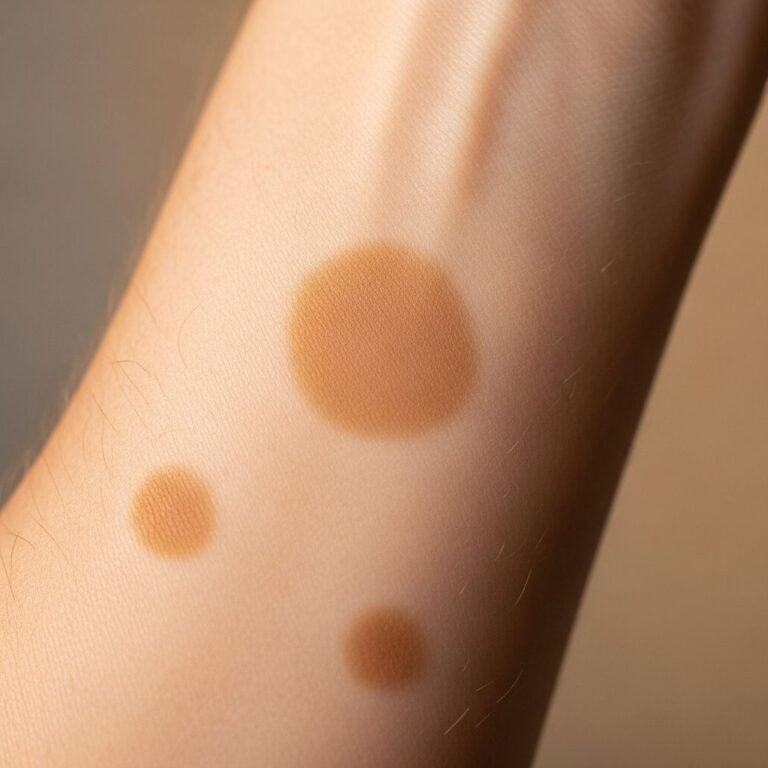
- Dark skin patches (acanthosis nigricans)
- Infertility
Diagnosis involves blood tests for hormones, ultrasound for ovarian cysts, and ruling out other conditions. Risk factors include family history, obesity, and short cycles (≤27 days).
Treatment Options
Lifestyle changes—weight loss, diet, exercise—are first-line, improving cycles in 50-70% of cases. Medications like combined oral contraceptives regulate hormones, metformin addresses insulin resistance, and anti-androgens reduce symptoms. Fertility treatments are available if needed.
Endometriosis: Tissue Growth Outside the Uterus
Endometriosis impacts about 11% of U.S. women, where uterine-like tissue grows outside the uterus, causing inflammation and irregular bleeding, often early or heavy periods. Hormones and genetics contribute, though the exact cause is unknown.
Symptoms include pelvic pain, painful periods (dysmenorrhea), pain during sex or bowel movements, fatigue, and infertility. Risk increases if nulliparous or with family history.
Diagnosis and Treatment
Laparoscopy confirms diagnosis. Pain relievers, hormonal therapies (pills, IUDs, GnRH agonists), or surgery excise lesions. Hysterectomy is a last resort for severe cases.
Sexually Transmitted Infections (STIs)
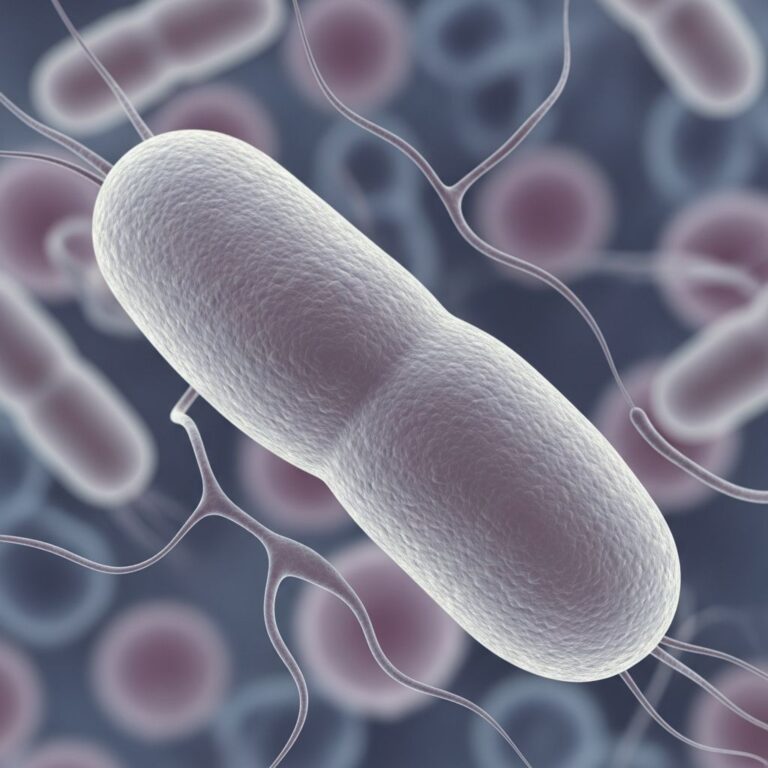
STIs like chlamydia, gonorrhea, and syphilis can cause intermenstrual bleeding resembling an early period due to cervical or vaginal inflammation. Untreated, they lead to complications like pelvic inflammatory disease (PID).
Symptoms: Abnormal discharge, pain during urination/sex, lower abdominal pain. Many are asymptomatic, emphasizing regular testing.
Management
Antibiotics cure bacterial STIs. Partners must be treated to prevent reinfection. Annual screening recommended for sexually active individuals.
Pregnancy-Related Causes: Implantation and Miscarriage
Implantation bleeding occurs 10-14 days post-conception when the embryo attaches, mimicking a light early period with spotting and mild cramps. Miscarriage (pregnancy loss before 20 weeks) presents as heavier bleeding with clots and severe cramps.
Distinguish via pregnancy test: Positive suggests implantation or miscarriage; negative points elsewhere. Ectopic pregnancy, a medical emergency, causes one-sided pain and bleeding—seek immediate care.
Other Potential Causes
Stress and Lifestyle: High cortisol disrupts hormones, shortening cycles. Thyroid disorders (hypo/hyperthyroidism) alter menstruation; blood tests diagnose.
Medications/Birth Control: Starting/stopping hormonal contraceptives or IUDs can cause breakthrough bleeding.
Uterine Issues: Fibroids or polyps cause irregular bleeding.
| Cause | Symptoms | Treatment |
|---|---|---|
| Stress | Short cycles, anxiety | Stress management, therapy |
| Thyroid Issues | Fatigue, weight changes | Medication to balance hormones |
| Fibroids | Heavy bleeding, pain | Medication, surgery |
When to See a Doctor
Consult if periods are consistently early (more than 21 days apart), accompanied by severe pain, heavy bleeding (soaking a pad/hour), or symptoms like unexplained weight loss, fever, or pregnancy concerns. Early intervention prevents complications like anemia or infertility.
Frequently Asked Questions (FAQs)
Is an early period a sign of pregnancy?
Possibly implantation bleeding, but confirm with a test. Negative result suggests other causes.
Can stress really cause an early period?
Yes, stress elevates cortisol, disrupting ovulation and cycle length.
How soon after starting birth control might I have an early period?
Breakthrough bleeding can occur in the first 3 months as hormones adjust.
Does PCOS always cause early periods?
No, it often leads to irregular or absent periods, but early ones occur too.
Is perimenopause only for women over 50?
No, it can start in the 30s or 40s.
References
- Early period: Causes, is it normal, and when to contact a doctor — Medical News Today. 2024. https://www.medicalnewstoday.com/articles/early-period
- Menstruation in girls and adolescents: Using the menstrual cycle as a vital sign — American College of Obstetricians and Gynecologists (ACOG). 2021-12. https://www.acog.org/clinical/clinical-guidance/committee-opinion/articles/2015/12/menstruation-in-girls-and-adolescents-using-the-menstrual-cycle-as-a-vital-sign
- Endometriosis — Office on Women’s Health. 2021. https://www.womenshealth.gov/a-z-topics/endometriosis
- Getting tested for STI — Centers for Disease Control and Prevention (CDC). 2024. https://www.cdc.gov/sti/testing/index.html
Similar Articles








Read full bio of Sneha Tete