Wild Parsnip Burns: Symptoms, Treatment, Prevention
Wild parsnip causes phytophotodermatitis: painful burns from sap and sunlight exposure, leading to blisters and long-term pigmentation changes.
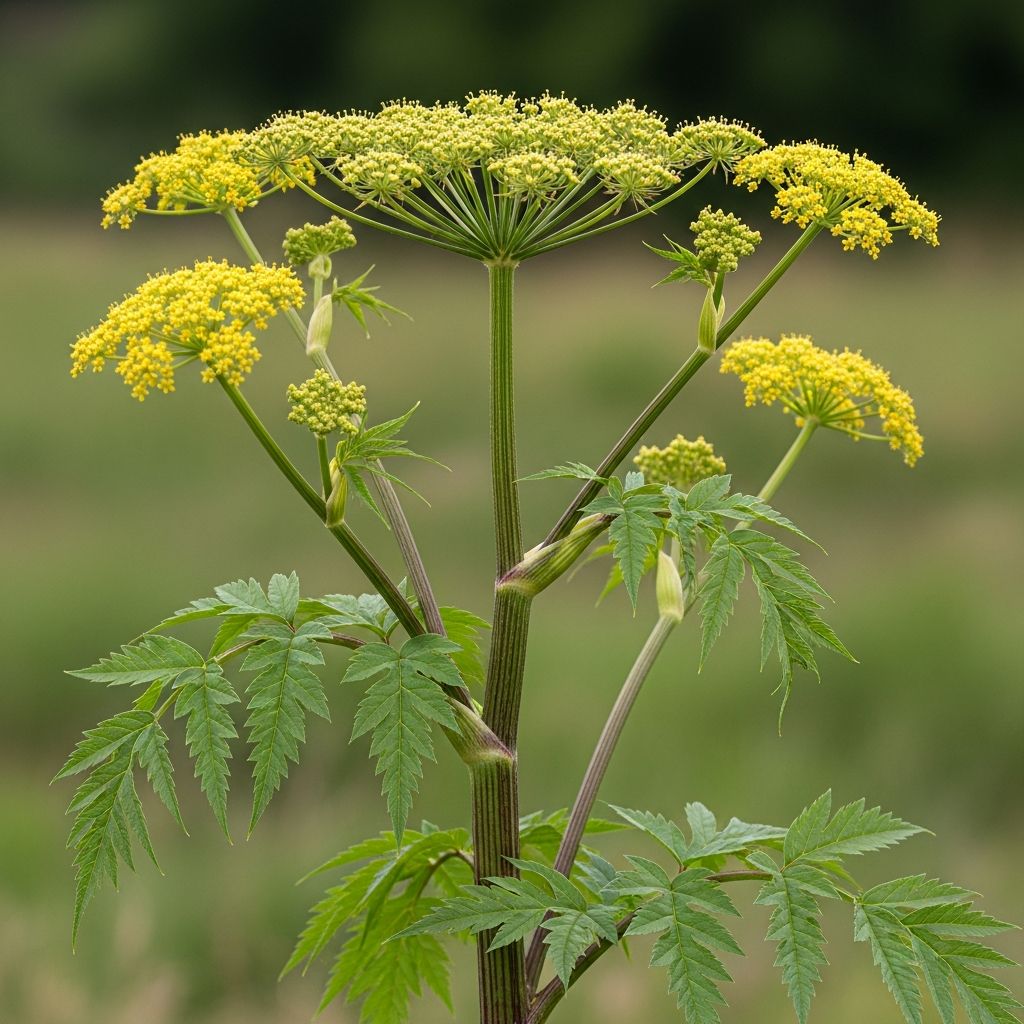
Wild parsnip (*Pastinaca sativa*) is an invasive plant notorious for causing
phytophotodermatitis
, a non-allergic skin reaction triggered by its sap combined with ultraviolet (UV) light exposure. Native to Europe and Asia, it was introduced to North America as a crop but has become widespread in fields, roadsides, and prairies. While its root is edible when cultivated, the wild variety’s stems, leaves, and sap containfuranocoumarins
—phototoxic compounds that sensitize skin to sunlight, resulting in painful burns, blisters, and prolonged hyperpigmentation.This condition affects anyone regardless of allergy history, mimicking severe sunburn but often worse, with linear streaks or drip marks revealing sap contact patterns. Injuries peak 48-72 hours post-exposure and can scar or discolor skin for months to years. Awareness is crucial for outdoor workers, hikers, and children playing in infested areas.
What is phytophotodermatitis?
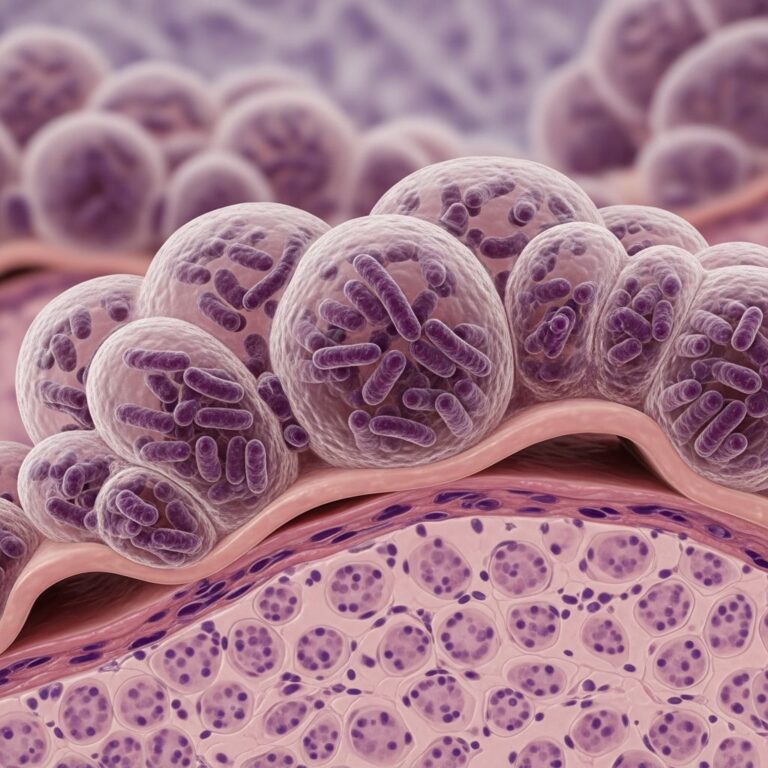
**Phytophotodermatitis** (PPD), meaning ‘plant-light-skin-inflammation,’ occurs when psoralen-like chemicals (furocoumarins) from plants like wild parsnip contact skin, followed by UVA radiation. These compounds penetrate skin cells, bind to DNA upon UV activation, and generate reactive oxygen species that destroy tissue.
Unlike allergic contact dermatitis (e.g., poison ivy), PPD is phototoxic—not immune-mediated—and affects all exposed individuals. Furocoumarins are present in all above-ground parts year-round, activated even on cloudy days. Common culprits include Apiaceae family members: celery, parsley, and citrus, but wild parsnip is most potent due to high concentrations.
- Chemical mechanism: Furocoumarins absorb UV light (320-400nm), forming DNA crosslinks that halt cell replication, causing inflammation.
- Risk factors: Sweaty skin accelerates absorption; fair skin is more susceptible.
- Latency: Symptoms delayed 24-48 hours, delaying recognition.
Who gets phytophotodermatitis from wild parsnip?
PPD strikes universally—no immunity or sensitization required. High-risk groups include:
- Farmers, landscapers, and roadside mowers brushing against plants.
- Children in grassy areas or hikers on trails.
- Food handlers contacting related plants (e.g., parsnips in groceries).
- Outdoor enthusiasts in infested regions like Midwest prairies, Northeast U.S., and Canada.
Reported cases span all ages; a PubMed case described a woman developing blisters after prairie contact. Unlike poison ivy (10-50% sensitization), 100% exposure risk exists.
Clinical features of wild parsnip phytophotodermatitis
Symptoms emerge 24 hours post-exposure, escalating over days:
- Day 1: Intense burning, linear erythema (red streaks from sap drips).
- Days 2-3: Peak inflammation with edema, vesicles, or large bullae (blisters up to several cm).
- Weeks later: Blisters rupture, forming crusts; post-inflammatory hyperpigmentation (brown/purple patches) lasts 6-24 months.
Patterns are diagnostic: streaks, splashes, or fingerprint spots matching sap distribution. Pain rivals second-degree burns; scarring is rare but possible in severe cases.
| Stage | Symptoms | Duration |
|---|---|---|
| Acute | Burning, red rash, blisters | 1-7 days |
| Subacute | Crusting, peeling | 1-2 weeks |
| Chronic | Hyperpigmentation | Months-years |
Diagnosis
History of plant contact + UV exposure + characteristic timeline/patterns confirm diagnosis. Clinically distinct from:
Related Stories



- Poison ivy: Itchy vesicles without delay; no phototoxicity.
- Sunburn: Uniform erythema, no streaks.
- Cellulitis: Fever, rapid spread.
Patch testing is irrelevant (non-allergic). Wood’s lamp may highlight hyperpigmentation; biopsy shows necrotic keratinocytes if needed.
Treatment of wild parsnip burns
Supportive care suffices; self-resolves in weeks:
- Immediate: Wash with soap/water; cover from sun 8-24 hours.
- Pain relief: Ice packs, OTC ibuprofen/acetaminophen.
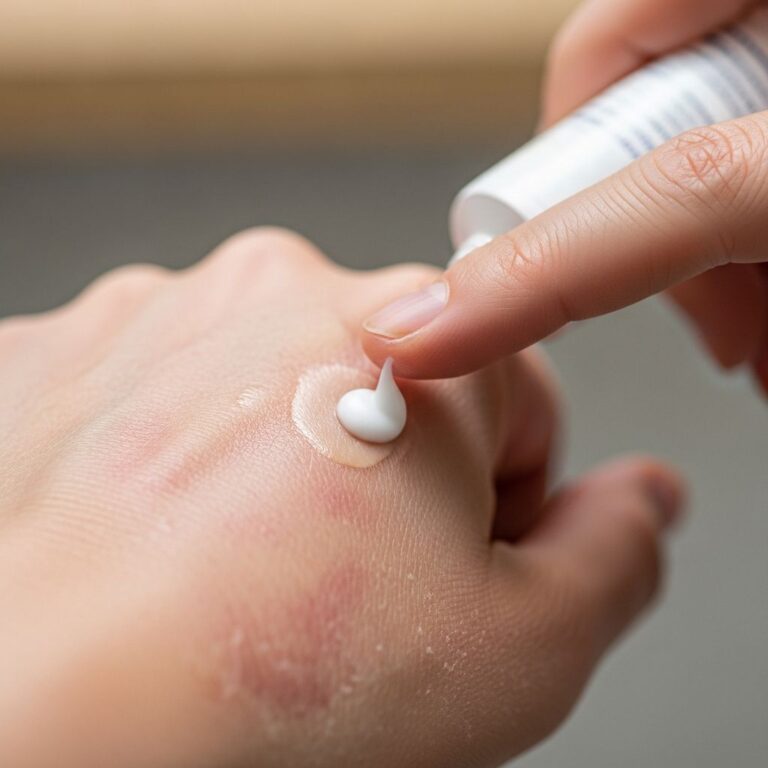
- Topical: Hydrocortisone 1% for inflammation; petrolatum for moist healing.
- Severe cases: Oral steroids (prednisone burst), potent topicals; hospital for extensive burns.
- Hyperpigmentation: Sunscreen SPF50+, hydroquinone 4%, time.
Monitor for infection (pus, fever >100.4°F/38°C). Blister skin is ‘nature’s bandage’—don’t pop.
Prevention of wild parsnip phytophotodermatitis
Avoidance is key:
- Wear long sleeves/pants, gloves during mowing/hiking.
- Post-contact: Wash immediately, stay shaded 24 hours.
- Use sunscreen; cover suspected areas.
- Educate communities; report infestations to extension services.
Plant identification: Wild parsnip
Identify to avoid:
- Height: 2-5 ft tall, grooved hairy stems.
- Leaves: Compound, saw-toothed like celery, yellow-green.
- Flowers: Yellow umbels (umbrella clusters) June-August, like Queen Anne’s lace but larger.
- Root: Thick, parsnip-like (edible only if cultivated).
Distinguish from:

Differential diagnosis
| Condition | Key Differences |
|---|---|
| Phytophotodermatitis | Delayed linear blisters + phototoxicity history |
| Allergic contact dermatitis | Itchy, no UV trigger, recurs on re-exposure |
| Phototoxic drug eruption | Uniform, medication history (e.g., tetracycline) |
| Burn/Chemical | Immediate pain, no plant link |
Frequently Asked Questions
Q: Is wild parsnip burn contagious?
A: No, it’s a direct toxic reaction, not infectious or allergic.
Q: How long does hyperpigmentation last?
A: 6-24 months; fades with sun protection.
Q: Can I eat wild parsnip?
A: Roots possibly if cooked, but risky—leave to experts; sap hazardous.
Q: What if blisters infect?
A: Seek care for antibiotics if fever/swelling/pus.
Q: Is it worse than poison ivy?
A: Often yes—blisters larger, pigmentation longer-lasting.
References
- Wild Parsnip Burns: Symptoms, Treatment, and Prevention — Healthline. 2023-05-15. https://www.healthline.com/health/wild-parsnip-burns
- Invasive Wild Parsnip — University of Illinois Extension (.edu). 2024-06-01. https://extension.illinois.edu/invasives/invasive-wild-parsnip
- Phytophotodermatitis induced by wild parsnip — PubMed (NCBI, peer-reviewed). 2018-04-06. https://pubmed.ncbi.nlm.nih.gov/29630166/
- Wild parsnip toxicity – Today’s fun fact — Iowa State University Extension (.edu). 2023-08-20. https://crops.extension.iastate.edu/post/wild-parsnip-toxicity-todays-fun-fact
- Safety guidelines for volunteers – Pesky Plant Trackers — University of Minnesota Extension (.edu). 2024-03-12. https://peskyplants.umn.edu/safety
- Burned by Wild Parsnip — Oregon.gov (official .gov). 2022-07-10. https://www.oregon.gov/odot/Programs/T2/TailgateTalks/Sun%20Induced%20Burns.pdf
Similar Articles








Read full bio of Sneha Tete