Diverticulitis: Recovery Timeline, Care, And When To Seek Help
Understanding diverticulitis recovery and when medical intervention becomes necessary for healing.
Will Diverticulitis Heal on Its Own?
Diverticulitis—inflammation or infection of small pouches in the colon—is a condition that affects millions of people, particularly as they age. Many individuals facing this diagnosis wonder whether the condition will resolve without intervention or if medical treatment is necessary. The answer depends on several factors, including the severity of the flare, individual risk factors, and how quickly symptoms are addressed.
Understanding Diverticulitis and Its Natural Course
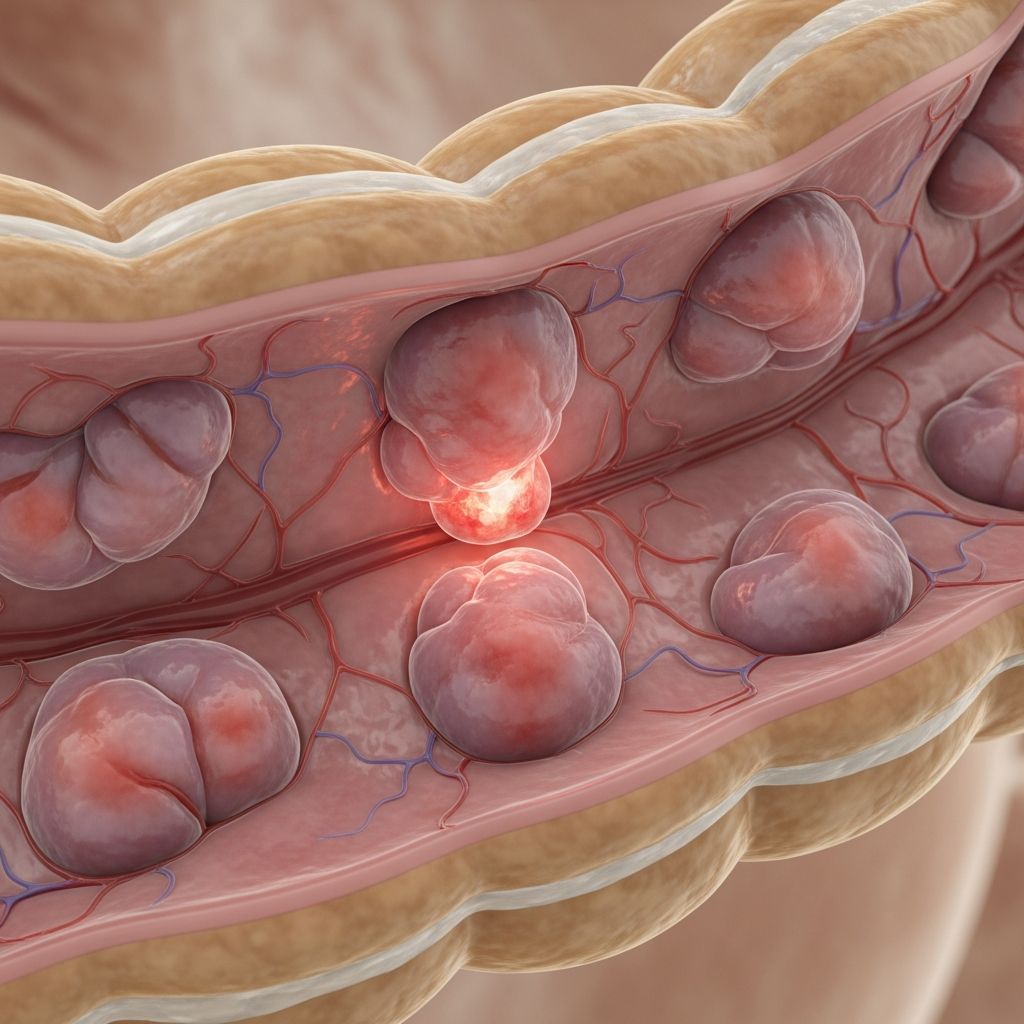
Diverticulitis occurs when small, bulging pouches called diverticula become inflamed or infected. These pouches naturally form in weak spots of the colon wall, typically over time due to aging and changes in bowel pressure. The condition ranges from mild to severe, and this spectrum significantly influences whether it can heal independently.
In mild cases, particularly uncomplicated diverticulitis, the body’s immune system may successfully fight the inflammation without antibiotics or aggressive medical intervention. However, the key to recovery is proper supportive care, which includes rest, hydration, dietary modifications, and close monitoring. Simply waiting without any care strategy rarely leads to optimal outcomes and increases the risk of complications.
Mild Versus Severe Diverticulitis: Treatment Differences
The severity of your diverticulitis episode determines the likelihood of self-healing. Mild, uncomplicated cases—those without abscess formation, perforation, or systemic infection—have a reasonable chance of resolving with conservative management alone. In fact, recent evidence suggests that for mild uncomplicated cases, careful observation without antibiotics may be reasonable for select patients when properly monitored.
Severe diverticulitis, conversely, requires immediate medical attention. Complications such as perforation, abscess formation, peritonitis, or recurrent episodes typically necessitate antibiotics, imaging studies, hospitalization, or even surgical intervention. These serious cases will not heal on their own and require professional medical care to prevent life-threatening complications.
The Role of Supportive Care in Recovery
Hydration and Bowel Rest
Even in mild cases that may heal independently, proper supportive care is essential. During the initial 24 to 72 hours of a flare, the colon needs rest to allow inflammation to subside. Starting hydration early and maintaining consistent fluid intake is critical, as dehydration worsens pain and constipation, potentially prolonging symptoms. During the acute phase, clear liquids such as broths, oral rehydration fluids, and diluted juices provide necessary hydration and nutrition while allowing the bowel to recover.
Dietary Management Through Recovery Stages
Recovery progresses through distinct dietary stages. During the flare phase, many people tolerate clear liquids and very low-residue foods best. As pain decreases and nausea resolves, typically after three to five days, soft, low-fiber foods like eggs, yogurt, white rice, pasta, and cooked vegetables can be introduced in small, frequent portions.
Once pain and fever resolve completely, usually after 8 to 10 days, the diet can gradually expand to include easy-to-digest proteins and cooked vegetables. It’s essential to reintroduce fiber slowly with adequate water to restart regular bowel function without triggering another flare.
Medication Considerations
Antibiotics in Diverticulitis Management
Related Stories



A common question is whether antibiotics are necessary for every diverticulitis episode. Current medical evidence suggests that not every case requires antibiotics. For mild, uncomplicated diverticulitis in otherwise healthy individuals, observation without antibiotics may be appropriate under medical supervision. However, this decision should be made collaboratively with your healthcare provider based on your symptoms, risk factors, imaging findings, and overall health status.
When antibiotics are prescribed, taking them exactly as directed is crucial. Setting phone alarms to maintain consistent timing ensures optimal effectiveness. If antibiotics cause nausea or other side effects, inform your healthcare provider—often timing adjustments or supportive medications can resolve these issues.
Pain Management
While managing pain, it’s important to pause high-dose nonsteroidal anti-inflammatory drugs (NSAIDs) if possible, as these can increase diverticulitis risk and complications. Work with your healthcare provider to develop a safer pain management plan tailored to your specific situation.
Physical Activity and Recovery
Movement plays an important role in both recovery and prevention. During acute flares, gentle activity like short 5-10 minute walks several times daily promotes bowel motility without straining. Research demonstrates that physical activity significantly lowers the risk of diverticulitis and diverticular bleeding, with vigorous activity showing the strongest protective effect. Regular physical activity may decrease intra-colonic pressure—a key factor in diverticular complications—and supports healthy intestinal transit time.
Timeline for Natural Recovery
Days 1-3: The Acute Phase
During the initial three days, focus on calming inflammation through clear liquids, scheduled hydration, rest, gentle walking, and taking medications on time. Keep a detailed symptom log tracking pain levels, temperature, and bowel movements. Contact your healthcare provider if pain escalates, vomiting persists, or fever exceeds 101.5°F.
Days 4-7: Early Recovery
As symptoms improve, advance to soft, low-fiber meals in small portions. Continue walking and maintaining hydration. If antibiotics cause nausea, your provider may adjust timing or add anti-nausea medication. Most people show significant improvement by this stage if they’re receiving appropriate care.
Days 8-10 and Beyond: Steady Improvement
Once pain and fever are completely gone, you can expand your diet to include easy-to-digest proteins and cooked vegetables. Begin introducing soluble fiber very slowly with increased water intake to restore normal bowel regularity without triggering recurrence.
When to Seek Medical Attention
Certain warning signs indicate that diverticulitis requires immediate medical evaluation and cannot be managed at home. These include:
- Fever above 101.5°F that persists or worsens
- Severe abdominal pain that doesn’t improve with rest
- Pain that migrates to new locations
- Persistent vomiting or inability to keep fluids down
- Abdominal rigidity or guarding
- Signs of sepsis or systemic infection
- Recurrent episodes within a short timeframe
Long-Term Prevention and Lifestyle Modifications
Dietary Approach
Once recovered, transitioning to a higher-fiber diet is essential for preventing future flares. This includes gradually increasing oats, barley, beans and lentils (introduced slowly), berries, pears, and cooked cruciferous vegetables. A Mediterranean-style eating pattern has strong evidence supporting overall gut and metabolic health. Building a prevention plate with vegetables, legumes, whole grains, nuts and seeds (as tolerated), and lean proteins or fish significantly reduces colonic pressures that trigger inflammation.
Physical Activity and Weight Management
Maintaining daily physical activity—even brisk walking—reduces diverticulitis risk and supports overall health. Physical activity appears to work through multiple mechanisms, including decreasing intra-colonic pressure, improving bowel transit time, and potentially modulating immune function. Achieving and maintaining a healthy weight also reduces risk by lowering pressure within the colon.
Lifestyle Factors
Tobacco cessation and minimizing NSAID use are important prevention strategies. Additionally, staying well-hydrated daily supports healthy bowel function. When possible, identify your personal “good day” routine—the meals, fluids, sleep patterns, and activities that keep you feeling well—and replicate this pattern during stressful periods when flares are more likely.
The Importance of Follow-Up Care
After recovering from diverticulitis, scheduling follow-up care is crucial even if symptoms completely resolve. Your healthcare provider should arrange a colon evaluation, typically colonoscopy, to rule out other causes of symptoms and ensure appropriate screening. This evaluation helps establish a baseline and guides long-term prevention strategies.
A written prevention plan covering fiber targets, daily hydration goals, recommended physical activity levels, and weight trends creates a clear roadmap for avoiding future episodes. Success depends on consistent adherence to these everyday patterns rather than any single “lucky” food or occasional healthy choice.
Frequently Asked Questions
Q: Can mild diverticulitis resolve without any treatment?
A: In mild, uncomplicated cases, diverticulitis may resolve with conservative management including hydration, bowel rest, clear liquids, and close monitoring. However, this should be managed under medical supervision. Your healthcare provider will determine if antibiotics are necessary based on your specific situation.
Q: How long does diverticulitis typically take to heal?
A: Most uncomplicated diverticulitis episodes show significant improvement within 2-3 weeks with proper treatment. However, complete healing and dietary normalization may take 4-6 weeks. Severe cases or those with complications may require longer recovery periods.
Q: Is it safe to avoid antibiotics for diverticulitis?
A: For mild, uncomplicated diverticulitis in select patients, observation without antibiotics may be reasonable. However, this decision must be made with your healthcare provider based on your symptoms, imaging results, and overall health. Never self-diagnose or avoid prescribed treatment without medical guidance.
Q: What diet should I follow during recovery?
A: Start with clear liquids during the acute flare, progress to soft low-fiber foods as symptoms improve, and gradually introduce higher-fiber foods once pain and fever resolve. Work with your provider or a dietitian for personalized guidance through each recovery stage.
Q: How can I prevent diverticulitis from recurring?
A: Prevention includes maintaining a high-fiber diet (introduced gradually), staying well-hydrated, engaging in regular physical activity, maintaining a healthy weight, limiting NSAIDs, avoiding tobacco, and following your healthcare provider’s recommended screening schedule.
Q: When should I go to the emergency room for diverticulitis?
A: Seek emergency care for severe abdominal pain, fever above 101.5°F, persistent vomiting, inability to keep fluids down, signs of infection, or if pain suddenly worsens. These may indicate complications requiring hospitalization.
References
- Diverticulitis Treatment: 14 Smart Steps to Heal — Gastro Florida. 2024. https://gastrofl.com/diverticulitis-treatment-14-smart-steps-to-heal/
- Physical activity decreases diverticular complications — National Center for Biotechnology Information (NIH/PMC). 2011. https://pmc.ncbi.nlm.nih.gov/articles/PMC3144158/
Similar Articles








Read full bio of Sneha Tete