Windburn: Symptoms, Treatment, Prevention
Understand windburn symptoms, effective treatments, and prevention strategies to protect your skin from harsh winds and cold.
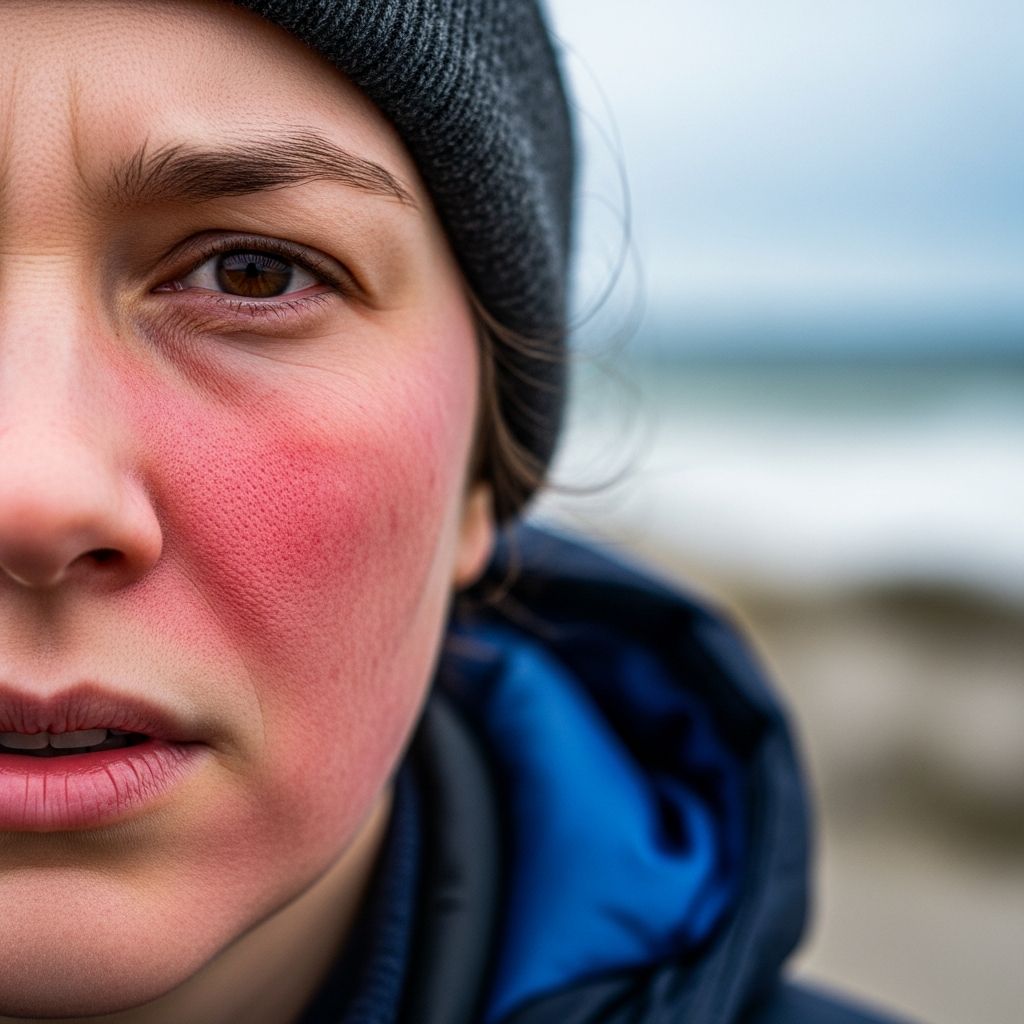
Windburn is a common skin condition characterized by redness, burning, and irritation after exposure to harsh winds, often in cold or dry conditions. It affects the outer layer of the skin, leading to discomfort similar to sunburn but primarily triggered by environmental factors like wind stripping natural oils.
What Is Windburn?
Windburn occurs when cold, dry wind damages the skin’s top layer, known as the stratum corneum, causing it to dry out, crack, and become inflamed. This can happen in as little as 15 minutes of exposure, particularly on exposed areas like the face, ears, lips, and hands. While some experts view it as a form of sunburn from UV rays penetrating clouds or reflected off snow, others see it as a distinct irritant reaction from wind alone, which compromises the skin’s barrier and increases UV vulnerability.12
Common in winter sports like skiing, snowboarding, sailing, or cycling, windburn is exacerbated by low humidity and extreme temperatures. Unlike infections, it’s not contagious and typically resolves with care, but it can make skin more prone to sunburn.
Symptoms of Windburn
Symptoms usually appear shortly after exposure and mimic mild sunburn:
- Redness: Skin turns pink or red, especially on cheeks, nose, and forehead.
- Burning or stinging sensation: Feels hot and painful to touch.
- Dryness and tightness: Skin feels chapped and pulled tight.
- Itching or peeling: Flaking occurs as skin heals.
- Sensitivity: Increased tenderness to wind, heat, or products.
Severe cases may include blistering or swelling. Indoor heat from fires or heaters can worsen dryness and burning.13
Windburn vs. Sunburn
Windburn and sunburn share symptoms but differ in causes and risks. Use this table for comparison:
| Aspect | Windburn | Sunburn |
|---|---|---|
| Cause | Wind stripping skin oils; dry, cold air | UV radiation damaging skin cells |
| Symptoms | Redness, tightness, peeling; temporary | Redness, blisters, pain; may lead to cancer risk |
| Duration | 1-3 days with care | 3-7 days; long-term damage possible |
| Prevention | Barriers like balms, cover-up | Sunscreen SPF 30+, clothing |
They often coexist, as wind-damaged skin burns easier under UV. Snow reflects up to 80% of rays, doubling winter risk.56
Windburn Causes and Risk Factors
Primary causes include:
- Prolonged exposure to winds over 20 mph in cold, low-humidity air.
- Activities: Skiing, sailing, mountain climbing, surfing.
- Sensitive or dry skin types.
- High altitudes or reflective surfaces like snow/ice.
Wind removes protective lipids, impairing moisture retention. Combined with UV, even cloudy days pose risks.24
How to Treat Windburn
Most cases heal in 1-3 days with home care. Focus on soothing, hydrating, and protecting skin:
Home Remedies
- Moisturize frequently: Apply thick, fragrance-free creams with ceramides, hyaluronic acid, or petroleum jelly (e.g., Vaseline) to restore barrier. Reapply every 2 hours.2
- Cold compresses: Use damp, cool cloths for 10-15 minutes to reduce inflammation and numb pain.
- Oatmeal baths: Colloidal oatmeal soothes itching.
- Aloe vera: Pure gel calms burning without irritation.
- Pain relief: OTC ibuprofen or acetaminophen for discomfort.
- Humidify indoors: Use a humidifier to combat dry heat.
Related Stories



Medical Treatments
For severe symptoms, consult a doctor:
- Topical steroids (hydrocortisone) to reduce inflammation.
- Calcineurin inhibitors for sensitive areas.
- Antihistamines for itching.
Avoid harsh products, hot showers, or exfoliants during healing.1
Windburn Prevention Tips
Prevent with proactive protection:
- Sunscreen daily: Broad-spectrum SPF 30+ (zinc oxide/titanium dioxide for sensitive skin), even cloudy days. Reapply every 2 hours.1
- Barrier products: Petroleum-based balms or ointments over moisturizer on lips, cheeks.
- Cover up: Scarves, balaclavas, hats, goggles for face/ears.
- Moisturize pre-exposure: Thick creams 30 minutes before going out.
- Limit time: Take breaks in wind; avoid peak gusts.
- Hydrate: Drink water; eat omega-rich foods for skin health.
For winter sports, layer products: moisturizer, then sunscreen, then balm.25
When to See a Doctor
Seek care if:
- Symptoms worsen after 3 days or spread.
- Blisters, fever, nausea, or severe swelling (possible sun poisoning).
- Infection signs: Pus, increasing pain, fever.
- No improvement with home care.
Children, elderly, or those with skin conditions need prompt evaluation.12
Frequently Asked Questions (FAQs)
Is windburn the same as sunburn?
No, but similar. Windburn is irritation from wind drying skin; sunburn is UV damage. They often overlap.4
How long does windburn last?
Typically 1-3 days with treatment; up to a week if severe.
Can windburn happen in summer?
Rarely; needs cold, dry winds. Warm winds less damaging.
Is windburn contagious?
No, it’s environmental irritation, not infectious.2
Does sunscreen prevent windburn?
Helps if UV-related; pair with barriers for full protection.
Expert Insights on Windburn
Dermatologists emphasize year-round protection. “Windburn often masks sunburn—treat both,” notes one expert. Sensitive skin benefits from mineral sunscreens. Long-term, repeated exposure risks chronic dryness or eczema.4
In high-risk areas like mountains, UV intensifies. Snow reflection and altitude amplify damage. Build routines: Prep skin morningly, reapply post-sweat.
References
- Windburn: Definition and remedies — Medical News Today. 2023-11-15. https://www.medicalnewstoday.com/articles/325853
- Windburn: Treatments and Prevention Explained — GoodRx. 2024-10-01. https://www.goodrx.com/health-topic/environmental/windburn-treatment-prevention
- What Is Windburn? Symptoms, Treatment and How to Prevent It — DrAxe.com. 2023-05-20. https://draxe.com/health/windburn/
- How to Treat and Prevent Windburn — Prevention.com. 2023-12-10. https://www.prevention.com/beauty/skin-care/a24746527/windburn-on-face/
- What Is Windburn and How Can I Get Relief? — Healthline. 2024-02-28. https://www.healthline.com/health/windburn
- Against the Wind — Skin Cancer Foundation. 2023-01-12. https://www.skincancer.org/blog/against-the-wind/
Similar Articles








Read full bio of medha deb