Window Film: Blocks 99% UVA/UVB And Protects Skin
Discover how UV-blocking window film protects against skin cancer in homes, cars, and offices by stopping harmful rays through glass.
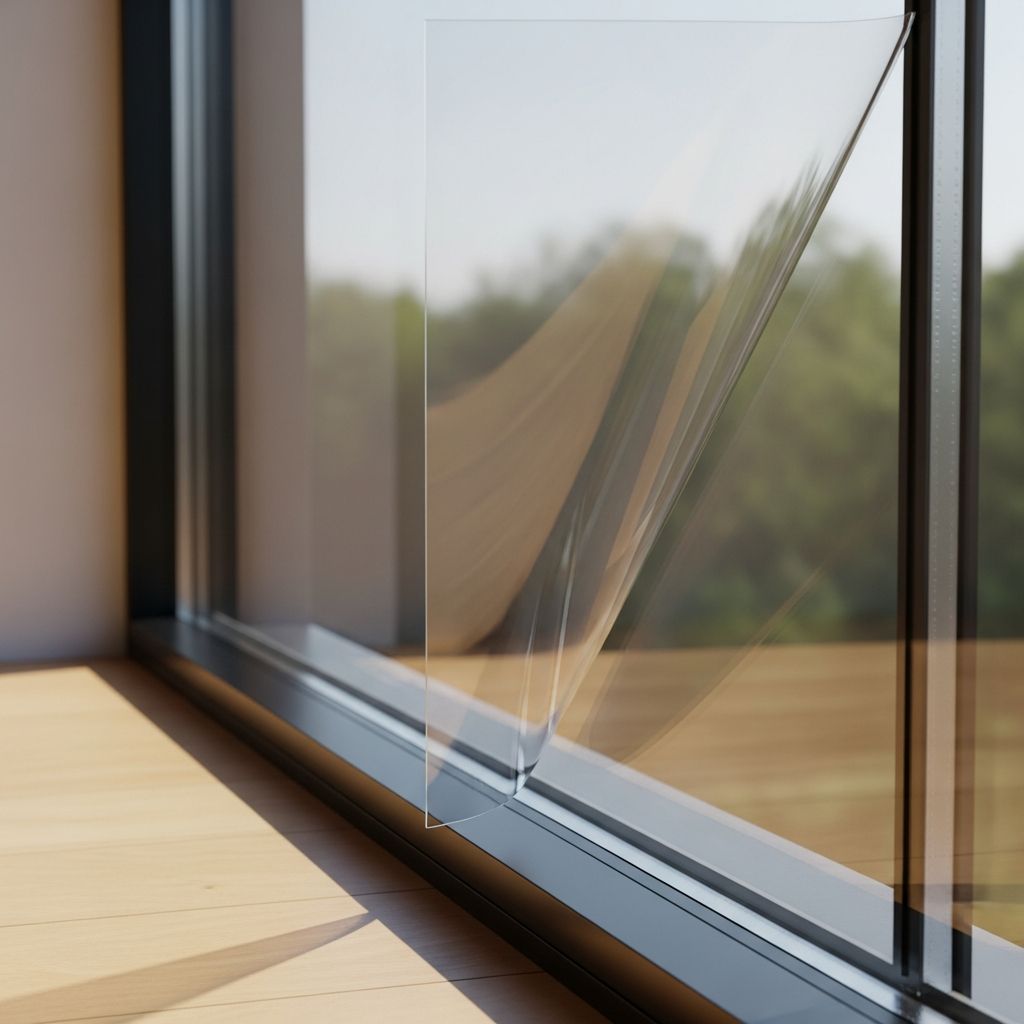
Ultraviolet (UV) radiation from the sun poses a significant risk for skin cancer, even indoors or in vehicles, as UVA rays penetrate ordinary glass windows. Installing high-quality
window film
blocks up to99% of UVA and UVB rays
, providing essential protection without darkening rooms or compromising visibility. This simple upgrade complements sunscreen and shade, forming a comprehensive sun safety strategy recommended by dermatology experts.The UV Rays Sneaking Through Your Windows
Many people believe glass windows fully protect against sun damage, but this is a common misconception. Standard window glass blocks most
UVB rays
—the type primarily responsible for sunburns—but allows a substantial portion ofUVA rays
to pass through. UVA rays penetrate deeply into the skin, causingpremature aging
, wrinkles, and DNA damage linked toskin cancer
, including melanoma.- UVA penetration: Up to 75% of UVA rays pass through clear glass, accumulating during everyday activities like driving, office work, or lounging at home.
- Indoor exposure overlooked: Cloudy days offer no reprieve; UVA rays diffuse through clouds and glass, contributing to over 90% of non-melanoma skin cancers in the U.S.
- Cumulative damage: Unlike brief outdoor bursts, indoor UV exposure builds silently over years, especially on one side of the body for drivers.
Research confirms this risk: A study on UV-protective films highlights how excessive indoor UV leads to skin cancers and eye disorders, recommending films for all indoor settings.
Window Film: Your Invisible UV Shield
**Window film** is a thin, durable laminate applied to glass surfaces that selectively blocks harmful UV radiation while allowing visible light to pass. Certified products reject
≥99% of UVA and UVB rays
, transforming ordinary windows into effective barriers. Unlike traditional tints that darken spaces, modernspectrally selective films
maintain brightness, views, and legal compliance.| Feature | Ordinary Glass | With Window Film |
|---|---|---|
| UVA Block | 25-50% | ≥99% |
| UVB Block | ~100% | ≥99% |
| Visibility | Full | Full (clear options) |
| Heat Rejection | Low | Up to 78% |
This table illustrates the dramatic improvement: Films provide near-total UV protection plus bonus benefits like glare reduction and energy savings.
Skin Cancer Statistics That Demand Action
Skin cancer is the most common cancer in the United States, with UV exposure as the primary cause. The Skin Cancer Foundation reports approximately
106,000 new non-invasive melanoma cases
,101,000 invasive melanomas
,3.6 million basal cell carcinomas
, and1.8 million squamous cell carcinomas
diagnosed annually. Tragically, around7,000-8,000 melanoma deaths
occur each year.- 1 in 5 Americans will develop skin cancer by age 70.
- Driver asymmetry: More skin cancers appear on the left side of U.S. drivers due to UVA through side windows.
- Indoor contribution: Vehicles and buildings account for significant daily UV doses, rivaling outdoor exposure without protection.
Projections for 2025 estimate
105,000 new invasive melanoma cases
and over8,000 deaths
, underscoring the urgency of preventive measures like window film.Related Stories



Protecting Yourself in the Car
Driving exposes you to intense UV through side and rear windows, where tempered glass offers minimal UVA protection compared to laminated windshields. A 30-minute commute can deliver more UV than a full day outdoors with sunscreen.
High-performance
automotive window films
block99.9% of UV rays
, reducing skin cancer risk on exposed arms, face, and neck. Clear films on windshields comply with laws (e.g., Florida’s near-clear requirement) while darker options on sides maximize protection.- Left-side risk: Studies link higher left-sided skin cancers to driver’s side exposure.
- No effort required: Film works passively, unlike reapplying sunscreen.
- Added perks: Cuts glare for safer driving and rejects heat for comfort.
Safeguard Your Home and Office
In homes and offices, prolonged time near windows—workstations, living rooms, kitchens—leads to unnoticed UVA accumulation, even on overcast days.
Residential and commercial window films
provide full-building protection.Spectrally selective films block UV without tinting, preserving natural light. They also prevent
fading of furniture, carpets, and artwork
by stopping UV-induced degradation.- Work-from-home hazard: Desk workers near south-facing windows receive high doses.
- Family safety: Protects children and elderly spending daytime indoors.
- Energy savings: Rejects solar heat, lowering AC costs by up to 30% and extending HVAC life.
Bonus Benefits Beyond Skin Protection
Window film offers multifaceted advantages, making it a smart investment:
- Heat rejection: Up to 78% less solar heat, improving comfort and efficiency.
- Glare reduction: Minimizes eye strain for screens and TVs.
- Privacy and safety: shatter-resistant films prevent injury from broken glass.
- Longevity: Lasts 10-20 years with warranties, paying for itself via energy savings.
- Eye health: Reduces risk of cataracts and macular degeneration.
How to Choose the Right Window Film
Select products certified by organizations like
The Skin Cancer Foundation
, which endorses films blocking ≥99% UV. Look for:- UV transmission specs: <1% UVA/UVB.
- Type: Clear for windshields/offices; ceramic/nano for heat rejection.
- Professional installation: Ensures adhesion, no bubbles, and full performance.
- Warranties: 10+ years against yellowing/peeling.
Avoid cheap films lacking certification; they may block visible light poorly while failing on UV.
Frequently Asked Questions
Does window glass block UV rays?
Ordinary glass blocks most UVB but allows 50-75% of UVA, the deeper-penetrating ray linked to skin cancer.
Will window film make my home or car too dark?
No—clear UV films block 99% rays while maintaining high visibility and natural light.
Is window film recommended by experts?
Yes, The Skin Cancer Foundation recommends it for comprehensive UV protection in vehicles, homes, and offices.
How much UV exposure do I get driving?
Side windows expose drivers to significant UVA; films eliminate this risk entirely.
Does window film help with energy bills?
Absolutely—rejects up to 78% solar heat, reducing cooling costs and HVAC strain.
Take Control of Your UV Exposure Today
Incorporating window film into your routine slashes indoor UV exposure, a hidden skin cancer culprit. Pair it with sunscreen, clothing, and shade for optimal protection. Consult professionals for installation tailored to your car, home, or office—your skin’s long-term health depends on it.
References
- Window Film Can Reduce Skin-Cancer Risk: What the Science Says — GlassWrap. 2025. https://www.glasswrap.com/window-film-reduces-skin-cancer-risk/
- How Window Tint Can Prevent Skin Cancer — Sun Control MN. 2024. https://www.suncontrolmn.com/blog/how-window-tint-can-prevent-skin-cancer/
- UV Protection – International Window Film Association — IWFA. 2025. https://iwfa.com/benefits-of-window-film/uv-protection/
- UV Window Film & Tint – The Skin Cancer Foundation — Skin Cancer Foundation. 2025. https://www.skincancer.org/skin-cancer-prevention/sun-protection/uv-window-film/
- UV Window Film: Protect Your Home from Sun Damage — ClimatePro. 2024. https://www.climatepro.com/blog/the-uv-window-film-solution/
- How Window Tint Helps Prevent Skin Cancer — Tint King. 2025-06-05. https://tintking.net/2025/06/05/window-tint-prevent-skin-cancer-indianapolis-in/
- Skin Cancer Awareness Month: 3M Window Film for Sun Protection — EPD Window Film. 2024. https://epdwindowfilm.com/skin-cancer-awareness-month-3m-window-film-for-sun-protection/
- Use of UV-protective windows and window films to aid in photoprotection for the skin — PubMed (Dermatol Ther). 2004-09. https://pubmed.ncbi.nlm.nih.gov/15479155/
Similar Articles








Read full bio of Sneha Tete