Winged Scapula: Causes, Symptoms, Tests & Treatment
Complete guide to winged scapula: understanding causes, recognizing symptoms, and exploring effective treatment options.
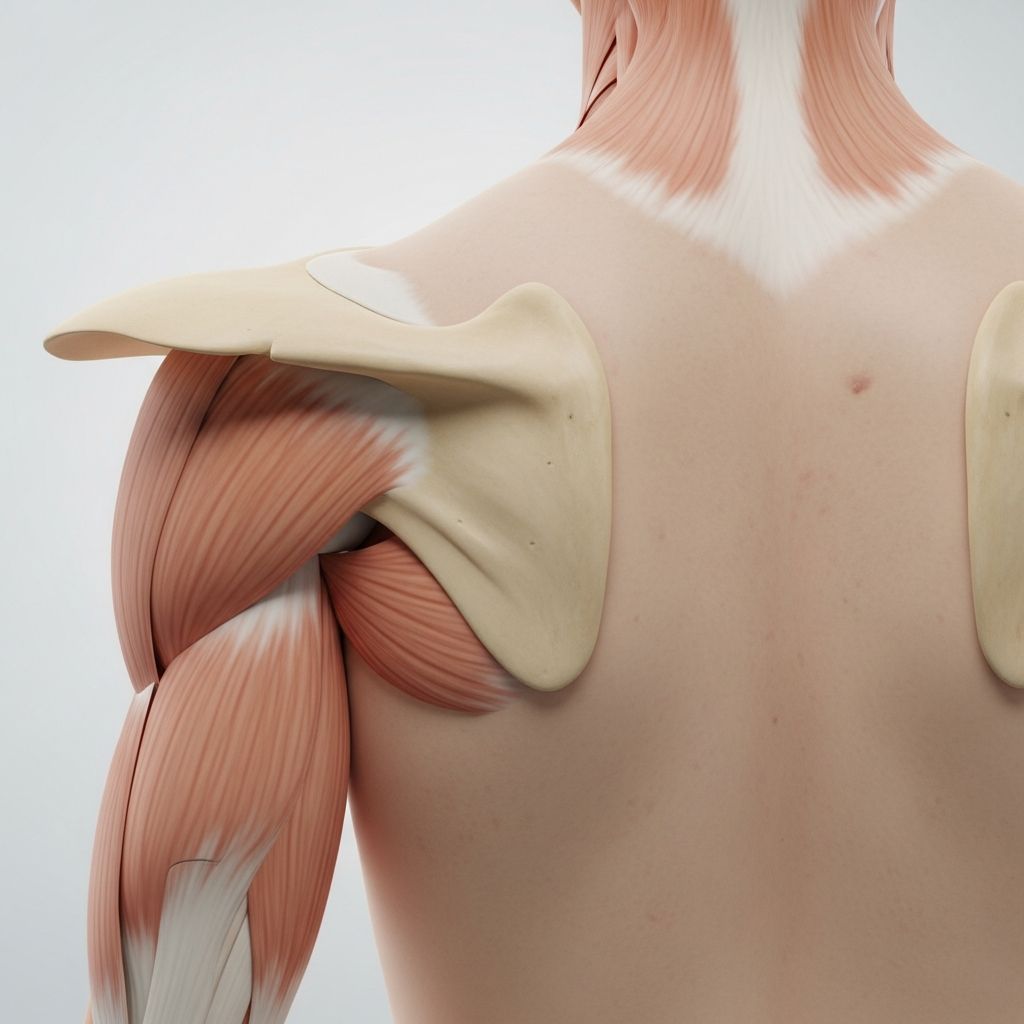
Understanding Winged Scapula
Winged scapula, also known as scapular winging, is a condition characterized by abnormal positioning and motion of the shoulder blade. In this condition, the scapula protrudes away from the ribcage, creating a distinctive “winged” appearance on the back. Rather than lying flat and close against the back of the ribcage as it normally should, the shoulder blade sticks out prominently, which can be visually noticeable and functionally limiting. This condition is relatively rare but can significantly impact shoulder function and quality of life if left untreated.
The scapula plays a crucial role in shoulder mechanics and stability. When the muscles and nerves that stabilize the scapula become damaged or weakened, the shoulder blade loses its normal positioning and can no longer maintain proper contact with the chest wall. Understanding this condition is essential for anyone experiencing shoulder problems or those at risk of developing scapular dysfunction.
What Causes Winged Scapula?
Winged scapula develops when the muscles responsible for stabilizing your shoulder blade weaken or when the nerves controlling these muscles become damaged. The condition typically results from dysfunction affecting one or more of three critical nerves that control the stabilizing muscles of the shoulder and back.
Nerve-Related Causes
Three primary nerves are responsible for scapular stability, and damage to any of these can result in winged scapula:
- The long thoracic nerve controls the serratus anterior muscle. Serratus anterior paralysis is the most common cause of scapular winging.
- The dorsal scapular nerve controls the rhomboid muscles, which help stabilize the scapula medially.
- The spinal accessory nerve controls the trapezius muscle, which supports the shoulder girdle.
Traumatic Injuries
Blunt trauma remains the most common cause of winged scapula. Injuries to the long thoracic nerve include compression, traction, laceration, and neuropraxia following blunt or stretch injury. Common traumatic causes include:
- Falls from heights
- Motor vehicle accidents
- Sporting accidents and injuries
- Direct shoulder or chest trauma
- Twisting of the neck combined with sudden shoulder depression
Non-Traumatic Causes
While trauma is the most common cause, winged scapula can also develop from non-traumatic factors:
- Repetitive shoulder motions and overuse
- Viral illnesses
- Allergic reactions
- Toxin exposure
- Pre-existing medical conditions
- Nerve compression due to the superficial course of the long thoracic nerve along the lateral chest wall
Symptoms of Winged Scapula
Individuals with winged scapula experience a range of symptoms that can significantly impact daily activities and shoulder function. The severity and specific symptoms vary depending on the underlying cause and the extent of nerve or muscle damage.
Common Symptoms
Typical symptoms of winged scapula include:
- Pain in the shoulder and upper back region
- Weakness in the shoulder and arm
- Limited range of motion in the shoulder
- Visible deformity with the shoulder blade protruding from the back
- Difficulty with overhead activities such as reaching, throwing, or lifting
- Fatigue in the shoulder muscles
- Loss of feeling in the affected muscles if nerve damage is present
Related Stories



Functional Impact
The condition can make it challenging to perform tasks requiring overhead movements or lifting objects. Activities like swimming, throwing, or carrying heavy items become difficult or impossible. In severe cases, people may experience loss of feeling and movement in their affected muscles, with this risk increasing the longer the issue remains undiagnosed and untreated.
Complications of Untreated Winged Scapula
Without proper diagnosis and treatment, winged scapula can lead to several complications. People with untreated scapular winging have an increased risk of developing frozen shoulder (adhesive capsulitis), a condition characterized by stiffness and restricted shoulder movement. Additionally, early diagnosis and appropriate management are crucial to prevent further complications and restore normal shoulder function.
Diagnosis and Testing
Proper diagnosis of winged scapula involves clinical examination and may include specialized imaging and testing to identify the underlying cause and extent of nerve or muscle damage.
Clinical Examination
Diagnosis is primarily clinical, with your healthcare provider examining the position and movement of your shoulder blade. The examiner may ask you to perform specific movements that make the winging more apparent and assess muscle strength and sensation.
Diagnostic Tests
Additional diagnostic methods may include:
- Electromyography (EMG) to evaluate nerve and muscle function and assess for denervation
- Imaging studies such as X-rays or MRI to rule out other structural problems
- Nerve conduction studies to assess the function of the affected nerves
Treatment Options for Winged Scapula
Treatment approaches vary depending on the cause, severity, and duration of the condition. Most cases respond well to conservative management, though some severe cases may require surgical intervention.
Non-Surgical Treatment
For most cases of winged scapula, conservative treatment is the first line of intervention. Conservative treatment typically consists of 12 to 24 months of management including pain control, immobilization, and rehabilitation.
Pain Management
- Over-the-counter pain medications such as ibuprofen or naproxen
- Anti-inflammatory medications to reduce inflammation
- Muscle relaxers to ease muscle tension
- Prescription pain medication if necessary for severe pain
Immobilization and Support
- Bracing or sling to provide support and limit harmful movements
- Proper positioning to reduce stress on the affected scapula
- Activity modification to avoid movements that aggravate the condition
Physical Therapy and Rehabilitation
Physical therapy is a cornerstone of treatment and typically includes:
- Conscious activation of scapular muscles to reestablish neuromuscular control
- Automated exercises to strengthen scapular stabilizers
- Dynamic exercises for functional strength and control
- Range of motion exercises to prevent stiffness
- Massage therapy to promote muscle recovery
Recovery Timeline
Many cases of scapular winging caused by neuropraxic injury (nerve compression or stretch injury) resolve spontaneously within specific timeframes:
- Traumatic injuries often resolve within 6 to 9 months of conservative treatment
- Non-traumatic injuries may take up to 2 years to fully recover
- A course of nonsurgical treatments should be observed for 1 to 2 years to allow nerve recovery
Surgical Treatment
Surgical intervention is typically considered only when conservative treatment fails to provide improvement after 12 months (for traumatic causes) to 24 months (for non-traumatic causes). Surgery may also be recommended when functional impairment significantly affects quality of life or when the underlying cause requires surgical correction.
Types of Surgical Procedures
Surgical options include dynamic and static stabilization techniques:
- Dynamic muscle transfer procedures have shown better results for correcting scapular winging and restoring function. These involve taking nerve or muscle tissue and grafting it to a different part of the body.
- Nerve transfers may be used to restore nerve function and muscle activation
- Static stabilization procedures involve attaching the scapula to the ribs or vertebrae
- Scapulopexy procedures using surgical tape or other materials to stabilize the scapula position
Specific Surgical Approaches
The surgical procedure of choice depends on which nerve is affected. For long thoracic nerve injury, transfer of the sternal head of the pectoralis major muscle to the inferior angle of the scapula with fascia lata autograft reinforcement is the preferred method. For chronic trapezius muscle dysfunction, lateral transfer of the insertions of the levator scapulae and rhomboid major and minor muscles enables these muscles to support the shoulder girdle and stabilize the scapula.
When to See a Healthcare Provider
You should seek medical attention if you notice your shoulder blade protruding abnormally or if you experience persistent shoulder pain, weakness, or limited range of motion. Early diagnosis and appropriate management are crucial to prevent complications and restore normal function. If you are experiencing debilitating pain in your shoulder or notice visible changes in your shoulder blade positioning, schedule an appointment with a shoulder specialist or orthopedic physician.
Frequently Asked Questions
Q: How is winged scapula different from normal shoulder blade positioning?
A: In winged scapula, the shoulder blade protrudes away from the ribcage instead of lying flat against it. This creates a visible bulge on the back and results in abnormal shoulder mechanics and weakness.
Q: Can winged scapula heal on its own?
A: Yes, many cases of winged scapula caused by neuropraxic injury heal spontaneously. Traumatic cases typically resolve within 6 to 9 months, while non-traumatic cases may take up to 2 years with appropriate conservative treatment.
Q: What is the success rate of conservative treatment?
A: Most cases of winged scapula respond well to conservative treatment including physical therapy, pain management, and activity modification. Surgical intervention is only necessary when conservative treatment fails after 12 to 24 months.
Q: Are there exercises I can do at home to help with winged scapula?
A: Yes, physical therapy exercises focusing on scapular stabilization are central to treatment. These include conscious activation of scapular muscles, automated strengthening exercises, and dynamic functional exercises. Your physical therapist can recommend specific exercises tailored to your condition.
Q: Will I need surgery for winged scapula?
A: Most patients do not require surgery. Surgery is typically only recommended if conservative treatment fails after 12 to 24 months of therapy or if there is significant functional impairment affecting daily activities.
Q: How long does recovery typically take?
A: Recovery timelines vary depending on the cause. With conservative treatment, traumatic injuries typically improve within 6 to 9 months, while non-traumatic injuries may require up to 2 years of treatment.
Q: What activities should I avoid with winged scapula?
A: You should avoid overhead activities, heavy lifting, and repetitive shoulder motions that aggravate your symptoms. Activity modification based on your specific condition is an important part of treatment.
References
- Winging of the Scapula — National Center for Biotechnology Information (NCBI), National Institutes of Health. 2024. https://www.ncbi.nlm.nih.gov/books/NBK541005/
- Winged Scapula: Causes, Symptoms, Tests & Treatment — Cleveland Clinic. 2024. https://my.clevelandclinic.org/health/diseases/winged-scapula
- Scapular Winging: Symptoms, Causes, and Treatment — Healthline. 2023. https://www.healthline.com/health/scapular-winging
- Scapular Winging — Boston Medical Center. 2024. https://www.bmc.org/patient-care/conditions-we-treat/db/scapular-winging
- Winged Scapula – Medical Clinical Policy Bulletins — Aetna. 2024. https://www.aetna.com/cpb/medical/data/800_899/0859.html
- Scapular Winging — Physiopedia. 2024. https://www.physio-pedia.com/Scapular_Winging
Similar Articles








Read full bio of Sneha Tete