Winter Dry Skin: Expert Tips to Protect Your Skin
Combat winter dryness with proven strategies for healthier, hydrated skin all season long.
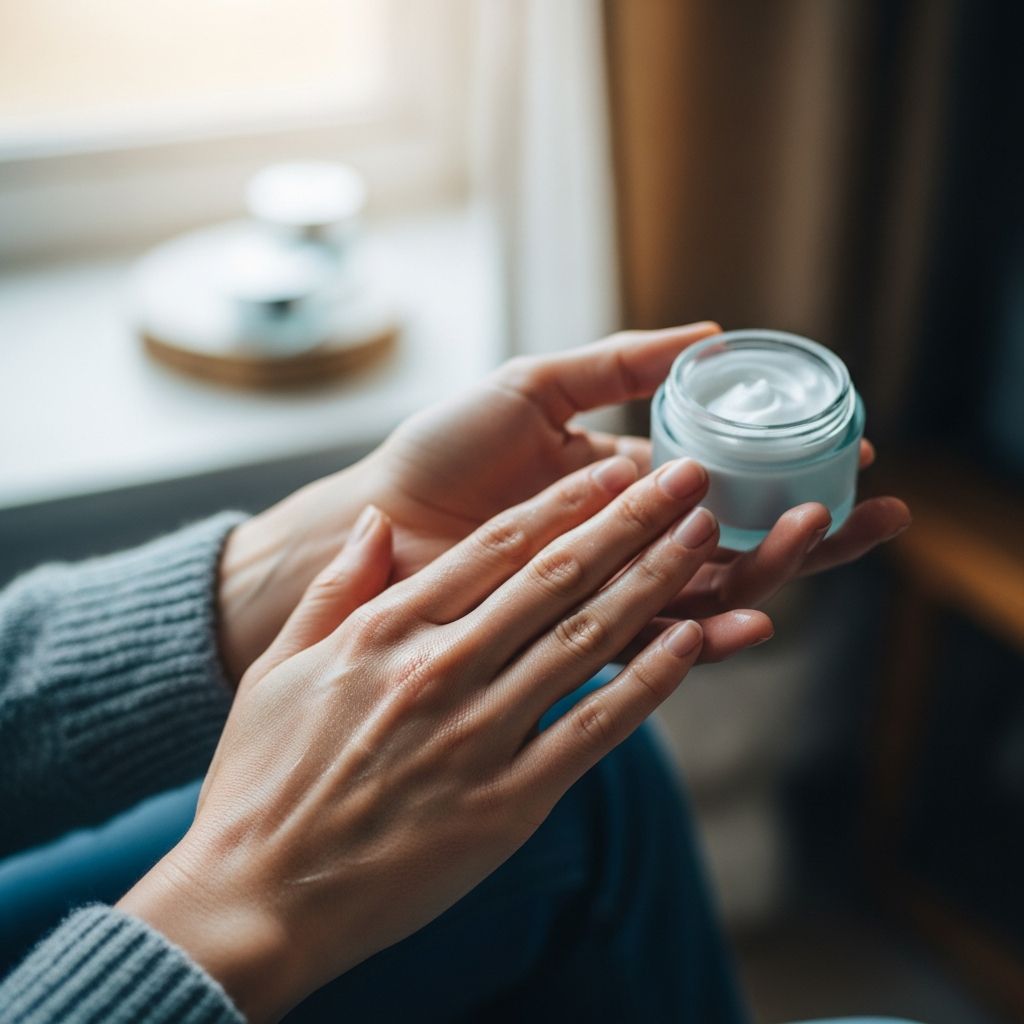
What to Do About Dry Skin in Winter
Winter brings with it a unique set of challenges for skin health. As temperatures drop and humidity levels plummet, many people experience uncomfortable dryness that can lead to itching, cracking, and irritation. While this seasonal problem is common, understanding its causes and implementing targeted solutions can help keep your skin comfortable, healthy, and resilient throughout the colder months. Whether you’re dealing with mild dryness or more severe conditions like eczema flare-ups, this guide provides comprehensive strategies to protect and nourish your skin when winter arrives.
Why Winter Causes Dry Skin
The winter season creates a perfect storm of conditions that depletes skin moisture. Cold air naturally contains less humidity, which means the environment actively draws moisture from your skin’s outer layers. Indoors, the situation worsens as central heating systems warm the air while simultaneously removing its moisture content. This combination of external cold and internal heat creates an exceptionally dry environment that challenges skin hydration at every turn.
Your skin barrier, which normally retains moisture through a protective layer of oils and natural moisturizing factors, becomes compromised when exposed to these harsh conditions. The cold temperatures cause blood vessels to constrict, reducing blood flow to the skin and limiting the delivery of oxygen and nutrients. At the same time, the dry air accelerates water evaporation from the skin’s surface, further depleting hydration reserves. For many people, this seasonal shift triggers or exacerbates existing skin conditions, making winter one of the most challenging seasons for skin health.
Common Winter Skin Problems
Understanding the specific conditions that winter can trigger helps you address them more effectively:
Xerosis (Pathological Dry Skin)
Xerosis represents clinical dry skin characterized by persistent itching, scaling, and sometimes a tight or uncomfortable sensation. This condition goes beyond simple cosmetic dryness and can significantly impact quality of life, particularly for older adults whose skin naturally produces less protective oil.
Cracking and Increased Sensitivity
As skin loses moisture, it becomes more fragile and susceptible to micro-tears. These tiny cracks not only feel uncomfortable but also compromise the skin barrier, allowing irritants and pathogens to penetrate more easily. This increased sensitivity makes the skin react more strongly to products, weather exposure, and other environmental stressors.
Eczema and Psoriasis Flare-Ups
For individuals with chronic skin conditions, winter represents a particularly challenging season. The combination of cold temperatures and dry air typically triggers disease flare-ups, causing increased itching, inflammation, and discomfort. People with these conditions often need to intensify their regular skincare regimens during winter months to maintain control.
Essential Winter Skincare Strategies
Optimize Your Moisturizing Routine
Effective moisturization forms the foundation of winter skincare. The key is selecting products with evidence-based hydrating ingredients that strengthen your skin barrier. Look for moisturizers containing ceramides, which help repair and maintain the skin barrier; hyaluronic acid, which holds up to 1000 times its weight in water; and glycerin, which draws moisture into the skin. Apply moisturizer immediately after bathing while your skin is still slightly damp, as this locks in hydration more effectively than applying to completely dry skin.
Related Stories



The texture of your moisturizer matters significantly during winter. While light lotions work well in warmer seasons, winter calls for richer formulations. Creams and ointments create a more effective moisture barrier than lotions, which contain high water and wax content that evaporates quickly. Oil-based moisturizers provide superior protection against moisture loss, though some people prefer creams as a middle ground between efficacy and feel.
Modify Your Bathing Habits
While long, hot showers feel wonderfully soothing during cold weather, they actually accelerate skin dryness. Hot water removes the natural oils that protect your skin, leaving it more vulnerable to moisture loss. Limit showers to 10-15 minutes maximum and use lukewarm rather than hot water. When washing, avoid harsh soaps and fragrant cleansers, which further strip away natural protective oils. Opt instead for gentle, fragrance-free cleansers specifically formulated for sensitive skin.
After bathing, resist the urge to rub your skin dry aggressively. Instead, pat skin gently with a soft towel, leaving it slightly damp. This is the optimal time to apply your moisturizer, as damp skin absorbs and retains hydration more effectively than completely dry skin. Don’t overlook your hands and feet, which are particularly prone to winter dryness because they have fewer oil glands than other body areas. Wear gloves while cleaning or washing dishes to minimize exposure to drying soaps and hot water.
Use a Home Humidifier
Indoor heating during winter reduces humidity levels significantly, contributing substantially to skin dryness. A humidifier counteracts this by adding moisture to the air, which reduces the rate at which water evaporates from your skin. Aim to maintain indoor humidity levels between 30 and 50 percent for optimal skin health. This not only benefits your skin but also helps with respiratory comfort and can reduce static electricity in your home. If you don’t have a humidifier, placing bowls of water near heating vents or keeping plants in your living spaces can provide modest humidity benefits.
Protect Skin During Outdoor Exposure
Winter sun exposure presents a double threat to skin health. While you’re focusing on hydration, don’t neglect sun protection—UV damage still occurs in winter. Snow reflects up to 80 percent of the sun’s harmful UV rays, potentially causing sunburn even when temperatures are frigid. Apply sunscreen with SPF 30 or higher to exposed skin before going outside.
Beyond sun protection, physical barriers prevent cold wind damage. Wind strips moisture from exposed skin rapidly, accelerating dryness and irritation. Wear scarves, masks, hats, and protective clothing to shield vulnerable facial skin and exposed areas. Gloves protect your hands, which face particular challenges during winter from both weather exposure and frequent washing.
Maintain Proper Hydration From Within
Healthy skin begins with internal hydration. While applying moisturizer to skin is crucial, drinking adequate water supports skin health from the inside out. During winter, people often drink less water than in warmer months, not realizing that indoor heating increases dehydration risk. Aim to drink plenty of water throughout the day, and consider eating water-rich foods like cucumbers, celery, broccoli, strawberries, and grapefruit, which contain over 90 percent water content.
Your diet profoundly influences skin health. Foods rich in omega-3 fatty acids, such as salmon, walnuts, and flaxseeds, support skin moisture retention and reduce inflammation. Vitamin C from citrus fruits, broccoli, and leafy greens supports collagen production, maintaining skin elasticity. Antioxidant-rich foods combat free radical damage that can worsen dry skin conditions. During winter months, slightly warming your water and adding lemon can make hydration more appealing during cold weather.
Special Considerations for Sensitive Areas
Lip Care
Lips present a unique challenge because they lack oil glands and have thinner skin than most body areas, making them especially vulnerable to winter dryness. Apply a moisturizing lip balm regularly throughout the day, particularly after eating, drinking, or being outdoors. Look for balms containing beeswax, shea butter, or petroleum jelly for maximum protection and hydration.
Hand Care
Hands suffer disproportionately during winter from both weather exposure and frequent washing. Healthcare workers and food service professionals, who wash their hands up to 100 times per 12-hour shift, face particular challenges. Always wear gloves when outdoors and when performing household tasks that involve water exposure. Apply hand cream immediately after washing while hands are still slightly damp, and use an oil-based moisturizer rather than lighter lotions for superior effectiveness.
Natural Remedies for Winter Skin
Several readily available home remedies can supplement your winter skincare routine:
Coconut Oil
Applying coconut oil directly to skin provides exfoliation benefits while delivering deep moisturization. Its natural fatty acids help restore the skin barrier and reduce water loss, making it particularly effective for addressing winter dryness.
Honey
Raw honey functions as one of nature’s most effective moisturizers. Its humectant properties help skin lock in moisture. Apply honey to affected areas and leave it on for 10 minutes before showering for maximum hydration benefits.
Oatmeal
Oatmeal creates a protective barrier on skin that helps prevent moisture loss while gently exfoliating dead skin cells. Use it in baths or apply as a face mask to calm irritation and improve hydration.
Winter Skincare for Chronic Conditions
People with eczema, psoriasis, and other chronic skin conditions typically experience significant flare-ups during winter months. The combination of environmental dryness and cold temperatures intensifies symptoms. If you have a chronic skin condition, winter is the time to be especially compliant with your dermatologist-prescribed treatment regimen. You may need to increase the frequency of moisturizing, adjust medications, or add supplementary treatments. Consulting with your healthcare provider before winter arrives allows you to develop a proactive strategy rather than simply reacting to worsened symptoms.
When to Seek Professional Help
While most winter dryness responds well to home care strategies, certain situations warrant professional evaluation. Consult a dermatologist if your dry skin doesn’t improve after two to three weeks of diligent home treatment, if skin appears infected (showing signs of increased redness, warmth, or drainage), or if dryness accompanies other symptoms that might indicate an underlying health condition. Persistent dry skin can sometimes signal conditions like hypothyroidism or diabetes that require medical attention. Your healthcare provider can prescribe stronger topical medications or recommend professional treatments if over-the-counter approaches prove insufficient.
Creating Your Winter Skincare Plan
Successful winter skincare requires a comprehensive, personalized approach:
Daily Essentials
– Cleanse with gentle, fragrance-free products- Moisturize immediately after bathing with a cream or ointment containing ceramides, hyaluronic acid, or glycerin- Apply sunscreen (SPF 30+) to exposed skin- Wear protective clothing, gloves, and scarves when outdoors- Drink adequate water throughout the day
Home Environment
– Maintain indoor humidity between 30-50 percent using a humidifier- Use fragrance-free laundry detergent- Avoid fabric softeners that can irritate sensitive skin- Keep hot water exposure brief (showers under 15 minutes)
Dietary Support
– Include omega-3 rich foods like salmon and walnuts- Consume vitamin C sources including citrus fruits and leafy greens- Eat water-rich vegetables and fruits- Stay consistently hydrated with water and warm beverages
Frequently Asked Questions About Winter Dry Skin
Q: Is it normal to have drier skin in winter?
A: Yes, experiencing drier skin during winter months is extremely common. The combination of cold outdoor air with low humidity and dry indoor heat creates conditions that naturally accelerate skin moisture loss. Most people notice some increase in dryness during winter.
Q: Should I change my skincare routine for winter?
A: Absolutely. Winter typically calls for richer moisturizers, shorter and cooler showers, and more frequent moisturizing applications. You may also need to add a humidifier and adjust other aspects of your routine based on how your skin responds to seasonal changes.
Q: Why do my hands and feet get so dry in winter?
A: Hands and feet have fewer oil glands than other body areas, making them naturally more prone to dryness. Winter weather, frequent handwashing, glove use that traps moisture and creates friction, and the physical nature of these extremities all contribute to increased winter dryness in these areas.
Q: Can winter dry skin be a sign of a serious condition?
A: While winter dryness is usually temporary and responds to home care, persistent or severe dryness can sometimes indicate underlying conditions like hypothyroidism, diabetes, or other health issues. If dryness doesn’t improve with proper skincare or is accompanied by other symptoms, consult a healthcare provider.
Q: Are expensive moisturizers better than affordable options?
A: Price doesn’t necessarily correlate with effectiveness. What matters most is the moisturizer’s ingredient profile—specifically whether it contains ceramides, hyaluronic acid, glycerin, or other proven hydrating and barrier-strengthening ingredients. Many affordable options contain these effective ingredients.
Q: How quickly should I see improvement in my winter dry skin?
A: Most people notice improvement within one to two weeks of implementing proper winter skincare strategies. However, if you have a chronic condition like eczema or psoriasis, improvement may take longer and might require additional treatments beyond basic skincare.
Conclusion
Winter dry skin, while uncomfortable and sometimes concerning, is highly manageable with a proactive, multi-faceted approach. By optimizing your moisturizing routine with evidence-based products, modifying bathing habits, using humidifiers, protecting outdoor skin, maintaining internal hydration, and paying special attention to vulnerable areas, you can maintain healthy, comfortable skin throughout the colder months. Remember that everyone’s skin responds differently to seasonal changes, so pay attention to how your skin reacts and adjust your routine accordingly. If problems persist despite diligent self-care, don’t hesitate to consult a dermatologist. With the right strategies in place before winter fully arrives, you can prevent or minimize the dryness that typically plagues many people during this season.
References
- Relieving Itchy Dry Skin This Winter — Mather Hospital (Harvard Affiliated). Accessed December 2025. https://www.matherhospital.org/wellness-at-mather/diet-nutrition/relieving-itchy-dry-skin-this-winter/
- Dry Skin — Massachusetts General Hospital, Medical Dermatology Program. Accessed December 2025. https://www.massgeneral.org/condition/dry-skin
- Winter Skincare: Preventing Dry Skin This Season — OnSite Dermatology. Accessed December 2025. https://onsitederm.com/winter-skincare-preventing-dry-skin-this-season/
- Guidelines for Skin Barrier Function — American Academy of Dermatology. 2024. https://www.aad.org/
- Omega-3 Fatty Acids and Skin Health — National Center for Biotechnology Information (NCBI/NIH). 2024. https://www.ncbi.nlm.nih.gov/
Similar Articles








Read full bio of medha deb