Winter Eczema: Complete Guide To Relief And Hydration
Discover proven strategies to soothe eczema flare-ups and maintain healthy skin throughout the cold season with expert-backed advice.
Winter brings challenges for those with eczema, as cold air and indoor heating dry out the skin, leading to itchiness and flare-ups. This guide offers comprehensive strategies to protect and hydrate skin effectively during the colder months.
Understanding Why Eczema Worsens in Winter
Cold weather reduces humidity, stripping moisture from the skin’s surface. Indoor heaters exacerbate this by further drying the air, weakening the skin barrier and making it prone to irritation. Atopic dermatitis, the most common form of eczema, thrives in such conditions because the skin struggles to retain natural oils.
Research shows that low humidity levels below 40% significantly increase eczema symptoms. Maintaining skin hydration is crucial to restore the barrier function and reduce inflammation.
Building a Strong Skin Barrier Foundation
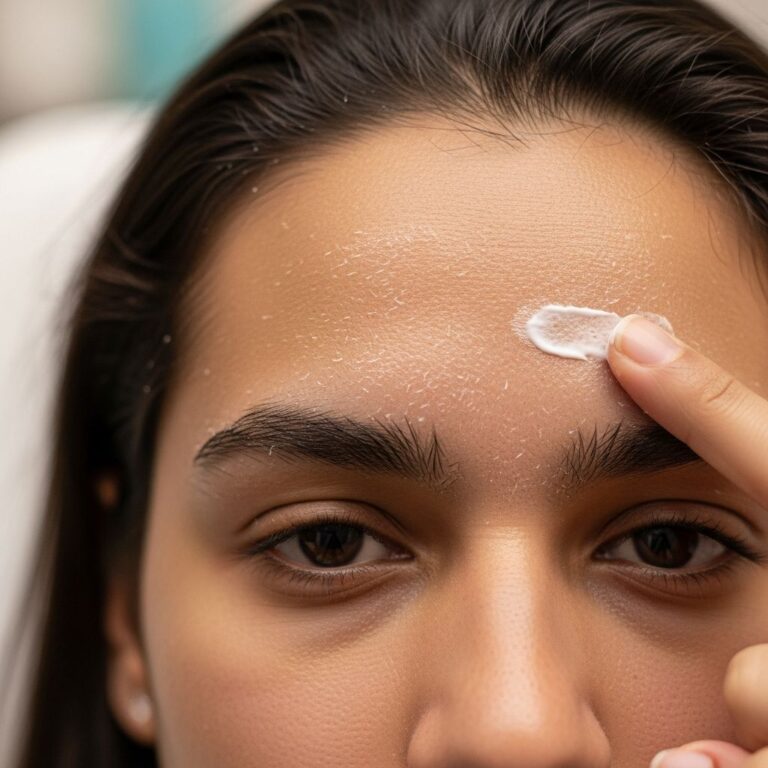
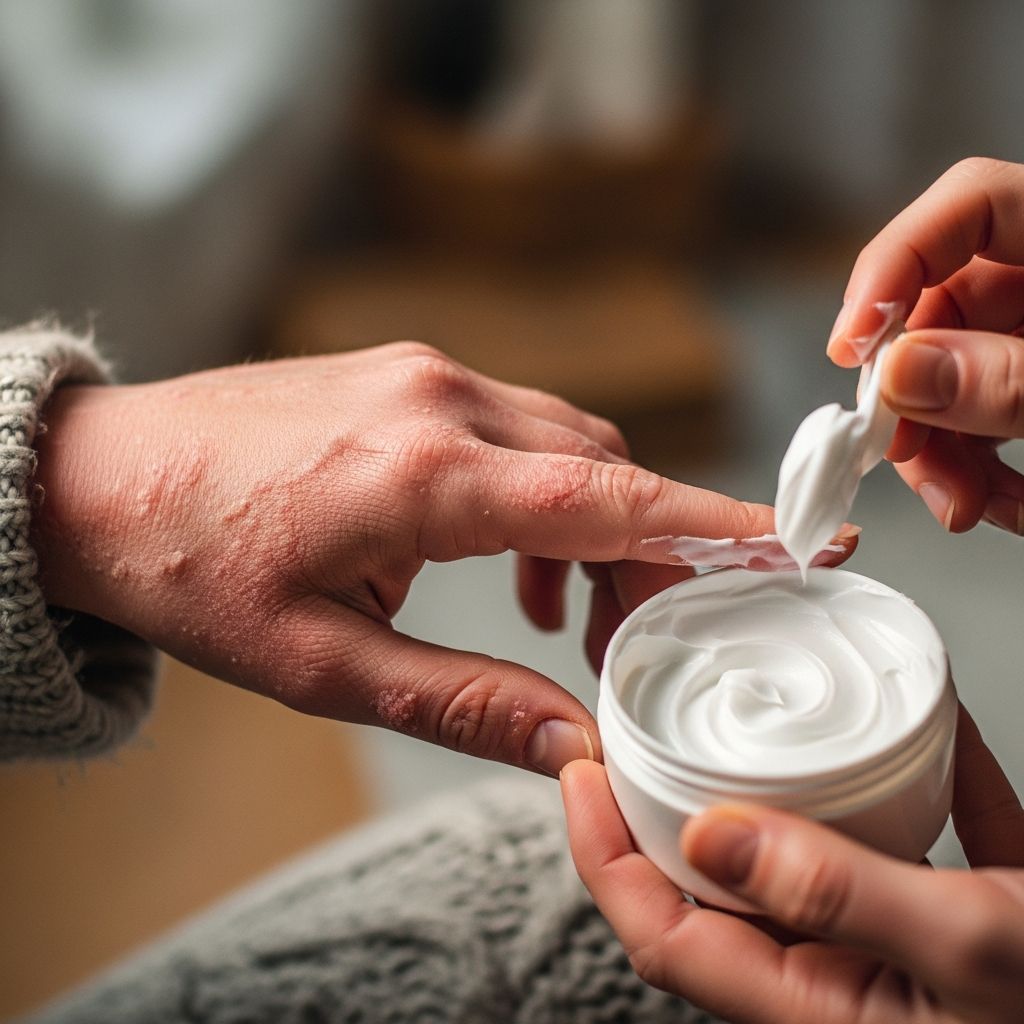
The cornerstone of winter eczema care is reinforcing the skin barrier. Opt for thick, occlusive products that seal in moisture rather than lightweight lotions.
- Choose ceramide-rich creams: These mimic the skin’s natural lipids, repairing cracks in the barrier.
- Petroleum jelly for severe dryness: It forms a protective layer without irritation.
- Apply immediately after bathing: Within three minutes, while skin is damp, to trap water.
Reapply at least twice daily, especially on hands, elbows, and knees. Consistency prevents the cycle of dryness and cracking.
Optimizing Your Indoor Environment
Dry air is a primary trigger. Combat it by adjusting your home’s atmosphere.
| Strategy | Benefits | Implementation Tips |
|---|---|---|
| Humidifiers | Adds moisture to air, reducing evaporation from skin | Target 40-60% humidity; place in bedrooms; clean weekly to prevent mold |
| Avoid direct heat | Prevents localized drying | Keep distance from radiators; use layers instead |
| Air purifiers | Removes irritants like dust | Use HEPA filters in living areas |
Simple additions like bowls of water near vents can provide mild humidification in smaller spaces.
Mastering Gentle Cleansing Routines
Harsh washing strips protective oils. Shift to skin-friendly practices.
- Lukewarm water only: Hot water dissolves lipids, worsening dryness.
- Short sessions: Limit to 10-15 minutes to minimize exposure.
- Fragrance-free cleansers: Mild, soap-free options preserve the acid mantle.
- Pat dry gently: Avoid rubbing to retain moisture.
Reduce frequency if possible; over-cleansing invites bacterial growth on compromised skin.
Clothing and Outdoor Protection Tactics
Fabrics and weather exposure matter greatly.
Select breathable materials like cotton over wool, which can scratch and trap irritants. Layer clothing to trap warmth without overheating, which prompts sweating and irritation.
- Gloves and scarves for exposed areas.
- Moisturize before dressing.
- Remove wet clothes promptly after snow or rain.
For outdoor activities, apply a thick emollient layer as a base barrier.
Internal Hydration and Nutrition Support
Skin health starts from within. Dehydration affects everyone more in winter due to less thirst sensation.
- Drink 8-10 glasses of water daily: Supports overall moisture levels.
- Incorporate omega-3s: Found in fish or supplements, they reduce inflammation.
- Vitamin D sources: Sunlight is scarce; consider fortified foods or supplements after consulting a doctor.
Related Stories



A balanced diet with anti-inflammatory foods like berries and nuts bolsters skin resilience.
Identifying and Avoiding Hidden Triggers
Winter confines people indoors, amplifying allergens.
- Dust mites thrive in warm homes; vacuum regularly with HEPA filters.
- Switch to unscented laundry products.
- Monitor for personal triggers like certain fabrics or stressors.
Keep a symptom journal to pinpoint patterns and adjust accordingly.
Medical Interventions and When to Seek Help
Over-the-counter options suffice for mild cases, but persistent flares need professional input.
- Topical steroids: Use as prescribed for inflammation.
- Antihistamines: For itch relief at night.
- Dermatologist visit: Essential for tailored plans, especially if infections arise.
Stock up on prescriptions before winter peaks.
Daily Routine Planner for Winter Eczema Control
| Time of Day | Actions |
|---|---|
| Morning | Lukewarm shower (10 min), pat dry, apply thick moisturizer, dress in layers |
| Daytime | Reapply moisturizer post-handwashing, stay hydrated, use humidifier |
| Evening | Gentle cleanse, heavy emollient layer, activate bedroom humidifier |
| Bedtime | Anti-itch measures if needed, cotton gloves for hand eczema |
This structured approach minimizes disruptions and maximizes relief.
FAQs: Common Winter Eczema Questions
Can humidifiers really help eczema?
Yes, maintaining 40-60% indoor humidity prevents excessive drying, directly alleviating symptoms.
What if moisturizers aren’t enough?
Consult a dermatologist for medicated topicals or further evaluation.
Is tap water safe for washing?
Hard water can irritate; consider filters if symptoms worsen after bathing.
How often should I change clothes?
Daily, or sooner if sweaty, to avoid irritant buildup.
Are essential oils recommended?
Avoid unless diluted and patch-tested; many trigger flares.
References
- Avoid Eczema Flare-Ups This Winter — Tufts Medicine. 2023. https://www.tuftsmedicine.org/about-us/news/avoid-eczema-flare-ups-winter
- Cold weather and eczema — National Eczema Society. 2024. https://eczema.org/information-and-advice/triggers-for-eczema/weather-and-eczema/
- 10 Tips for Preventing a Winter Eczema Flare-Up — Dermatology Associates NJ. 2023. https://www.dermatologyassociatesnj.com/blog/10-tips-for-preventing-a-winter-eczema-flare-up
- Your Winter Eczema Survival Guide: 6 Essential Remedies — Skin MD Chicago. 2024. https://skinmdchicago.com/blog/your-winter-eczema-survival-guide-6-essential-remedies/
- 6 Steps for Controlling Eczema During Winter — Cumberland Skin. 2023. https://www.cumberlandskin.com/healthy-skin-blog/6-steps-for-controlling-eczema-during-winter
Similar Articles








Read full bio of medha deb