Winter Illness Guide: Prevention and Management
Complete guide to preventing and managing winter illnesses with expert tips and home remedies.
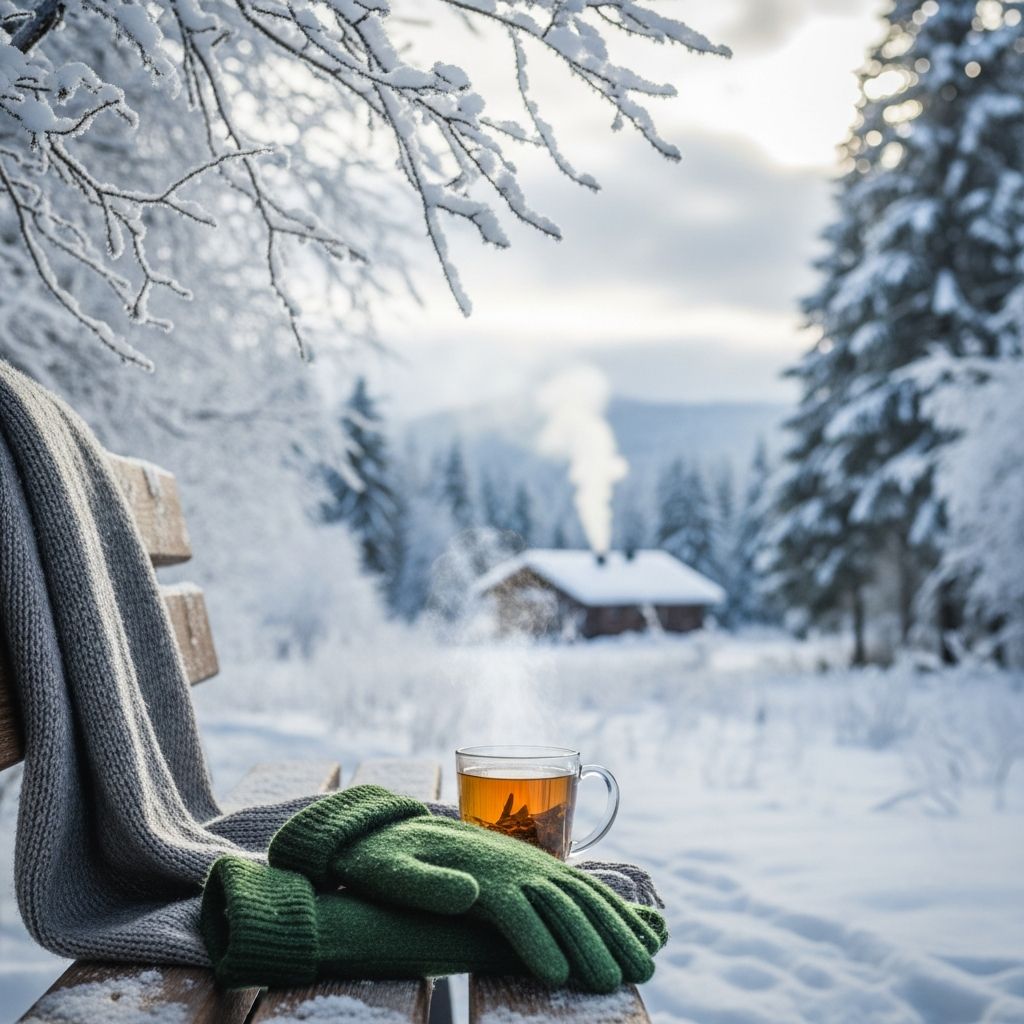
Winter Illness Guide: Stay Healthy During Cold Season
Winter months bring with them a significant increase in respiratory infections, including influenza and the common cold. As temperatures drop and people spend more time indoors, the transmission of these viruses accelerates. Understanding how to prevent winter illnesses and manage symptoms effectively is essential for maintaining your health and protecting those around you during this challenging season.
Understanding Winter Respiratory Infections
During the winter season, several factors create an ideal environment for respiratory viruses to thrive and spread. Cold, dry air weakens the natural mucus barriers in your respiratory tract, making it easier for viruses to gain entry to your body and establish infection. Additionally, the shift indoors means increased time in enclosed spaces with others, particularly in schools, workplaces, and public transportation, where germs spread more readily.
Upper respiratory infections such as influenza and the common cold are among the most prevalent winter illnesses. These highly contagious conditions spread through respiratory droplets, making prevention strategies crucial for both personal health and community wellness.
Prevention Strategies for Winter Illness
Maintain Safe Distance From Others
One of the most effective ways to prevent respiratory infections is to minimize close contact with individuals who are unwell. If you notice someone displaying symptoms of illness such as coughing, sneezing, or congestion, maintain a safe distance from them. This simple measure helps protect yourself from exposure to respiratory viruses and prevents you from potentially transmitting illness to others if you become sick.
Practice Excellent Hand Hygiene
Frequent handwashing remains one of the most important defenses against viral infections. Wash your hands thoroughly with soap and water for at least 20 seconds, especially before eating, after using the restroom, and after being in public spaces. When soap and water are unavailable, use an alcohol-based hand sanitizer containing at least 60% alcohol to reduce your infection risk.
Avoid Touching Your Face
Viruses can enter your body through your eyes, nose, and mouth. By avoiding contact between your hands and your face, particularly after touching potentially contaminated surfaces or being around others, you significantly reduce your risk of infection. This simple habit can make a substantial difference in your winter illness prevention efforts.
Cover Coughs and Sneezes Properly
When coughing or sneezing, always cover your mouth and nose to contain respiratory droplets. Use a tissue, your elbow, or the inside of your arm rather than your bare hands. If you use a tissue, dispose of it immediately and wash your hands. For added protection, consider wearing a mask in crowded indoor settings or when around vulnerable populations.
Stay Home When Ill
If you develop symptoms of respiratory illness, stay home from work, school, and social activities. Continue isolating yourself and others for at least 24 hours after your symptoms improve and your fever resolves without the use of fever-reducing medication. This prevents transmission to others in your community.
Related Stories



Maintain Environmental Cleanliness
Regularly clean and disinfect commonly touched surfaces such as countertops, doorknobs, light switches, and smartphones. These high-touch areas can harbor viruses for extended periods. Use appropriate disinfectants and follow product instructions for effective surface sanitization.
Support Overall Health and Immunity
A strong immune system is your body’s best defense against winter illnesses. Prioritize the following healthy habits:
- Get 7-9 hours of quality sleep each night
- Engage in regular physical activity
- Manage stress through relaxation techniques
- Stay well-hydrated throughout the day
- Consume a nutritious diet rich in fruits and vegetables
Managing Cold and Flu Symptoms at Home
Prioritize Rest and Recovery
When you develop cold or flu symptoms, the most important thing you can do is rest. Remain home from work or school if you have a fever or severe cough. Your body uses significant energy fighting infection, and rest allows your immune system to function optimally. Avoid leaving the house if you’re taking medications that cause drowsiness to ensure your safety.
Stay Properly Hydrated
Consuming adequate fluids is essential for managing respiratory symptoms and preventing complications. Drink plenty of water, fruit juice, clear broth, and warm lemon water throughout the day. Warm beverages are particularly soothing for sore throats and can help loosen congestion. Limit caffeine consumption, as it can contribute to dehydration and worsen symptoms.
Consume Warm, Soothing Liquids
Warm beverages like chicken soup, herbal tea, and warm apple juice provide comfort and symptom relief. Honey can be particularly helpful for cough relief in individuals over one year of age. Never give honey to infants under one year old due to the risk of botulism, a potentially serious condition.
Soothe Sore Throat Discomfort
Several remedies can provide relief for a sore throat associated with winter illness:
- Use a saltwater gargle: Mix 1/4 to 1/2 teaspoon of table salt in 4 to 8 ounces of warm water and gargle several times daily. This is difficult for children under six years old.
- Consume ice chips, throat lozenges, or hard candy to numb throat pain and provide soothing relief. Use caution with young children under six years old to prevent choking hazards.
- Drink warm beverages that coat and soothe the throat
Manage Nasal Congestion
Nasal congestion is one of the most bothersome symptoms of winter colds and flu. Saline nasal drops and sprays keep nasal passages moist and help loosen mucus buildup. For infants and young children, use saline nasal drops followed by a suction bulb to gently remove mucus from each nostril. Insert the bulb syringe gently approximately 1/4 to 1/2 inch into the nostril to avoid injury.
Optimize Your Environment
Maintain a comfortably warm room temperature to support recovery. If indoor air is dry, use a cool-mist humidifier to add moisture to the air, which alleviates congestion and coughing. Regularly clean and maintain your humidifier according to manufacturer instructions to prevent bacterial and mold growth within the device.
Special Considerations for Different Age Groups
Managing Illness in Infants and Young Children
Young children require special care when managing cold and flu symptoms. Use saline nasal drops followed by gentle suctioning to clear nasal passages. Avoid giving honey to children under one year of age. Choose throat lozenges or hard candy only for children over six years old, and supervise them closely to prevent choking. Ensure children receive adequate fluids and rest, and monitor their symptoms carefully for signs of complications.
Adults and Older Adults
Adults should follow the standard management strategies outlined above. Older adults and those with chronic health conditions should consult their healthcare provider about appropriate symptom management and when to seek medical attention, as winter illnesses can sometimes lead to complications in vulnerable populations.
When to Seek Medical Attention
While most winter illnesses resolve on their own with appropriate home care, certain symptoms warrant professional medical evaluation. Contact a healthcare provider if you experience severe symptoms, persistent high fever, difficulty breathing, chest pain, or if symptoms worsen despite home treatment. Certain populations, including older adults, very young children, and individuals with chronic health conditions, should have a lower threshold for seeking medical attention.
Winter Wellness and Arthritis Considerations
For individuals living with arthritis or other rheumatic conditions, winter months present additional challenges beyond typical respiratory infections. Cold weather can exacerbate joint pain and stiffness. Pay careful attention to your surroundings when walking, as ice and snow increase fall risk. Wear supportive shoes with good tread to maintain traction. Compression gloves can help manage hand stiffness and discomfort. When shoveling snow, use proper technique to avoid joint strain and injury. Maintaining regular physical activity appropriate for your condition helps preserve mobility and joint function during winter months.
Frequently Asked Questions
Q: How long should I stay home if I have the flu?
A: Stay home for at least 24 hours after your symptoms improve and your fever goes away without the use of fever-reducing medication. This prevents transmission to others in your community.
Q: Is a mask necessary to prevent winter illnesses?
A: While masks are not required in all situations, wearing a mask in crowded indoor settings or when around vulnerable individuals provides additional protection against respiratory virus transmission.
Q: Can I use a humidifier to relieve cold symptoms?
A: Yes, a cool-mist humidifier can help alleviate congestion and coughing by adding moisture to dry indoor air. Ensure you clean and maintain the humidifier regularly to prevent bacterial and mold growth.
Q: What should I do if my child has a sore throat?
A: Offer warm liquids, use saline throat sprays, and provide age-appropriate throat lozenges or hard candy only for children over six years old. Avoid honey for children under one year old. If symptoms persist or worsen, consult a healthcare provider.
Q: How can I prevent spreading illness to my family?
A: Practice excellent hand hygiene, cover coughs and sneezes, avoid sharing personal items like cups or utensils, clean frequently touched surfaces regularly, and maintain distance from others when possible. Stay home if you’re ill to prevent transmission.
Q: Are there foods that boost immunity during winter?
A: A nutritious diet rich in fruits, vegetables, lean proteins, and whole grains supports immune function. Include foods high in vitamin C, zinc, and antioxidants to help your body fight infections.
Building Your Winter Wellness Plan
Creating a comprehensive approach to winter illness prevention and management ensures you and your family stay as healthy as possible during cold season. Implement prevention strategies consistently throughout winter months, maintain healthy lifestyle habits, keep your environment clean and comfortable, and respond promptly to symptoms when they develop. By following these evidence-based recommendations, you can significantly reduce your risk of winter illnesses and manage symptoms effectively if you do become sick.
References
- Winter Wellness — Johns Hopkins Aramco Healthcare. 2025. https://www.jhah.com/en/news-events/news-articles/winter-wellness/
- Communicable Disease Prevention and Control — World Health Organization. 2024. https://www.who.int/health-topics/infection-prevention-and-control
- Seasonal Influenza: Prevention and Management — Centers for Disease Control and Prevention, U.S. Department of Health and Human Services. 2024. https://www.cdc.gov/flu/prevent/index.html
- Common Cold in Adults: Diagnosis and Clinical Features — UpToDate. 2024. https://www.uptodate.com/contents/common-cold-in-adults-diagnosis-and-clinical-features
- Hand Hygiene in Healthcare Settings — Centers for Disease Control and Prevention. 2024. https://www.cdc.gov/handhygiene/
- Navigating Winter Weather: 5 Tips for Arthritis Patients — RheumTV. 2025. https://rheum.tv/rheumtv/navigating-winter-weather/
Similar Articles








Read full bio of medha deb