Winter Itch: 6 Practical Treatments For Fast Relief
Understanding and managing pruritus hiemalis, the itchy skin condition prevalent in cold weather months.
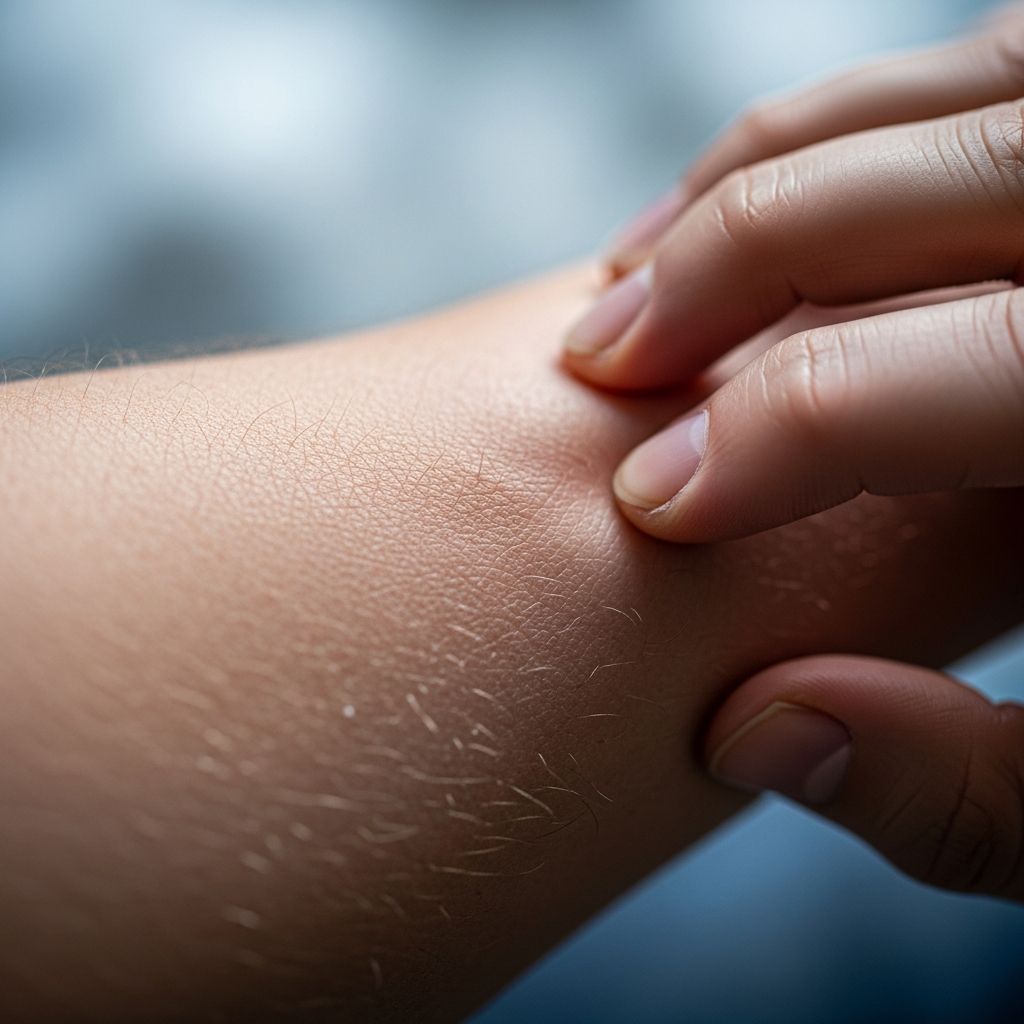
Winter itch, also known as pruritus hiemalis, is a type of subclinical dermatitis that manifests during cold weather seasons. It primarily presents as intense itching without prominent visible inflammation, affecting the skin’s moisture barrier due to environmental factors.
Introduction
Winter itch represents a seasonal aggravation of skin dryness, where low humidity and cold temperatures compromise the skin’s natural protective layer. This condition leads to discomfort that can disrupt daily life, particularly at night when symptoms intensify. Unlike acute dermatitis with overt rashes, winter itch often lacks visible signs beyond subtle scaling or xerosis (extreme dryness), making it a subtle yet pervasive issue in temperate climates. The term ‘subclinical dermatitis’ underscores its minimal inflammatory response, distinguishing it from eczematous conditions. Public health data from dermatology clinics note a surge in consultations during winter months, highlighting its prevalence in regions with marked seasonal changes.
Demographics
Winter itch impacts individuals across all ages and healthy populations, but it exhibits a higher prevalence in older adults with inherently drier skin. Elderly individuals, particularly those over 65, are disproportionately affected due to age-related reductions in sebaceous gland activity and ceramide production, which naturally diminish skin hydration. Studies indicate that up to 30-40% of older adults in cold climates report seasonal pruritus, compared to lower rates in younger cohorts. Children and adolescents experience it less frequently, though those with atopic backgrounds may be susceptible. Gender distribution appears even, though postmenopausal women may note increased sensitivity due to hormonal shifts affecting skin barrier function. Those in urban areas with indoor heating systems face elevated risk, as artificial environments exacerbate low humidity. Comorbidities like diabetes or thyroid disorders further heighten vulnerability by impairing skin repair mechanisms.
Causes
The precise etiology of winter itch remains multifactorial and not fully elucidated, but environmental triggers dominate. Key associated factors include:
- Low environmental humidity: Cold winter air holds less moisture (often below 40% relative humidity), drawing water from the skin’s stratum corneum, leading to transepidermal water loss (TEWL). Indoor heating systems compound this by further desiccating ambient air.
- Chapped skin from cold exposure: Wind and low temperatures impair lipid barriers, causing micro-cracks.
- Hot baths and showers: Prolonged exposure to hot water strips natural oils (sebum), exacerbating dryness.
- Irritants: Harsh soaps, fragranced products, wool clothing, and synthetic fabrics provoke irritation on compromised skin.
- Predisposing conditions: History of eczema, psoriasis, or xerosis amplifies susceptibility; medications like retinoids or isotretinoin intensify dryness.
Physiologically, reduced filaggrin expression in winter reduces natural moisturizing factors (NMFs), while decreased sweating limits hydration delivery to the skin surface.
Clinical Features
Patients typically report pruritus (itching) as the hallmark symptom, often severe and nocturnal, worsening after bathing or in low-humidity settings. Affected areas include extremities—legs, arms, and flanks—sparing the face, hands, and feet in most cases. Skin may appear dry, rough, scaly, or exhibit fine fissures, with minimal erythema unless scratching induces secondary changes like excoriations or lichenification.
Common presentations:
- Rough, cracked, or peeling texture.
- Tightness post-washing, progressing to itch.
- Ashy white/gray patches on lighter skin tones.
- Intensified symptoms at night due to circadian pruritus peaks and reduced barrier recovery during sleep.
In severe cases, constant scratching leads to inflamed, raw patches, mimicking eczema but resolving with moisture restoration.
Diagnosis
Diagnosis relies on detailed history and clinical examination, as no specific lab tests confirm winter itch. Clinicians assess seasonal timing, environmental exposures, bathing habits, and pruritus distribution. Key differentials include:
| Condition | Distinguishing Features |
|---|---|
| Atopic dermatitis | Visible eczematous rash, personal/family atopy history. |
| Psoriasis | Thick plaques, nail changes, less seasonal. |
| Systemic pruritus | Generalized itch, jaundice, renal/hepatic markers. |
| Contact dermatitis | Localized to irritant exposure, vesicles. |
Dermoscopy may reveal subtle scaling; biopsy is rarely needed but shows hyperkeratosis without spongiosis. Rule out xerosis cutis via TEWL measurement if available.
Related Stories



Treatment
Treatment focuses on symptomatic relief, barrier restoration, and scratch prevention. Core strategies:
- Emollients: Mainstay therapy. Apply thick, fragrance-free ointments (e.g., petroleum jelly, ceramide-based creams like CeraVe) multiple times daily, especially post-bath on damp skin.
- Bathing adjustments: Warm (not hot) baths <10 minutes; use soap substitutes. Add baking soda or oatmeal for soothing.
- Humidification: Maintain indoor humidity at 40-60% with humidifiers.
- Topicals: Low-potency steroids (hydrocortisone 1%) for itch; avoid prolonged use.
- Clothing: Cotton or silk layers; fragrance-free detergents.
- Oral agents: Antihistamines (e.g., hydroxyzine) for sleep; rarely systemic steroids.
For recalcitrant cases, wet wraps or prescription non-steroidals (e.g., tacrolimus) may be employed.
Outcome
Winter itch typically resolves spontaneously post-winter with consistent management, rarely leading to complications. Adherence prevents chronicity or secondary infections. Long-term, patients learn to preempt flares via year-round emollient use. Prognosis excels in compliant individuals, with recurrence predictable seasonally.
Frequently Asked Questions
What causes winter itch?
Cold, dry air, low humidity, hot showers, and irritants deplete skin moisture.
Who is most at risk?
Older adults, eczema sufferers, and those in heated indoor environments.
How do I prevent it?
Moisturize daily, use humidifiers, take lukewarm showers, and wear breathable fabrics.
Is winter itch the same as eczema?
No, it’s subclinical without rash, though it can mimic or trigger eczema.
When should I see a doctor?
If itch persists despite home care, or if rash/infection develops.
References
- Winter Itch: Causes of Dry Winter Skin and Ways You Can Treat It — ASC-PSD. 2023-01-01. https://asc-psd.com/winter-itch-skin-treatment/
- What’s Causing My Winter Itch & How Do I Stop It? — AFC Urgent Care. 2024-11-15. https://www.afcurgentcare.com/lenoir-nc/blog/whats-causing-my-winter-itch-how-do-i-stop-it/
- Tis the Season to Itch and Scratch? — HMGS Dermatology. 2023-12-05. https://hmgsderm.com/tis-the-season-to-itch-and-scratch/
- Winter Itch (and How to Treat It) — Vista Dermatology. 2020-01-09. https://www.vistadermsa.com/2020/01/09/winter-itch-and-how-to-treat-it/
- Winter itch — DermNet NZ. 2024-05-20. https://dermnetnz.org/topics/winter-itch
- Winter Itch — Skin & Beauty Center. 2023-10-10. https://dermla.com/sbcblog/winter-itch/
- Winter Itch/Dry Skin — Boise Dermatology. 2024-02-14. https://boisedermatology.com/dermatology-concerns/winter-itch-dry-skin/
Similar Articles








Read full bio of Sneha Tete