Winter Layering Guide for Eczema-Prone Skin
Master the art of staying warm without triggering eczema flares through smart fabric choices, layering techniques, and indoor strategies.
Winter brings challenges for those with eczema, as cold air, dry indoor environments, and heavy clothing can exacerbate symptoms like itching and inflammation. This guide provides practical strategies for building comfortable outfits, maintaining skin hydration, and creating a supportive home atmosphere to minimize flare-ups.
Understanding Winter’s Impact on Sensitive Skin
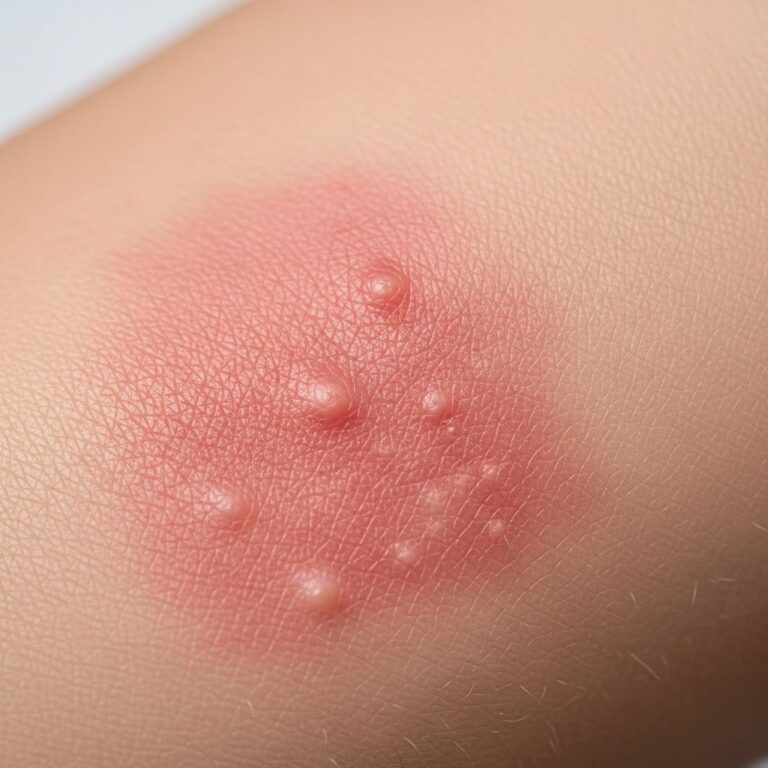
Cold temperatures and low humidity strip moisture from the skin, weakening its natural barrier and leading to dryness, cracks, and irritation. Indoor heating further dries the air, creating a cycle of itchiness and scratching that worsens eczema. Temperature swings between outdoors and heated interiors trigger flares, making consistent protection essential.
To combat this, focus on maintaining skin hydration from multiple angles: externally through clothing and skincare, and internally via diet and environment control. Research from dermatology sources emphasizes steady temperatures around 18-19°C (64-66°F) and humidity levels of 40-50% to preserve the skin barrier.
Selecting Hypoallergenic Base Layers
The foundation of any winter outfit for eczema sufferers starts with the layer closest to the skin. Choose materials that wick away moisture, allow airflow, and minimize friction.
- Organic Cotton: Soft, absorbent, and breathable, it prevents sweat buildup that can irritate skin. Opt for 100% cotton to avoid polyester blends.
- Silk: Naturally temperature-regulating and smooth, it reduces direct contact irritation. Therapeutic silk garments act as a barrier under other clothes.
- Tencel (Lyocell): Derived from sustainable wood pulp, this fabric is hypoallergenic, moisture-wicking, and eco-friendly, ideal for sensitive skin.
Avoid wool and synthetics like polyester or nylon, which trap heat, cause sweating, and roughen the skin surface. For base layers, prioritize items like long underwear, tops, and socks in these fabrics.
Building Effective Multi-Layer Systems
Layering traps warmth without overheating, crucial for eczema management. Aim for a three-layer approach: base (moisture-wicking), mid (insulating), and outer (wind-resistant).
| Layer | Purpose | Recommended Fabrics | Eczema Tip |
|---|---|---|---|
| Base | Wicks sweat from skin | Cotton, silk, Tencel | Ensure seamless design to prevent rubbing |
| Mid | Retains body heat | Light cotton fleeces or merino alternatives | Use thin layers for adjustability |
| Outer | Blocks wind and cold | Water-repellent cotton blends | Looser fit for air circulation |
Adjust layers based on activity: more for static outdoor time, fewer indoors to avoid sweat. This system keeps skin dry yet warm, reducing flare triggers.
Protecting Extremities and Accessories
Hands, feet, neck, and head face the harshest cold exposure. Traditional wool hats, scarves, and gloves often irritate, so innovate with barriers.
- Cotton-lined versions of wool items for dual protection.
- Bamboo or cotton socks instead of wool blends.
- Thin cotton gloves under thicker outer ones for chores or walks.
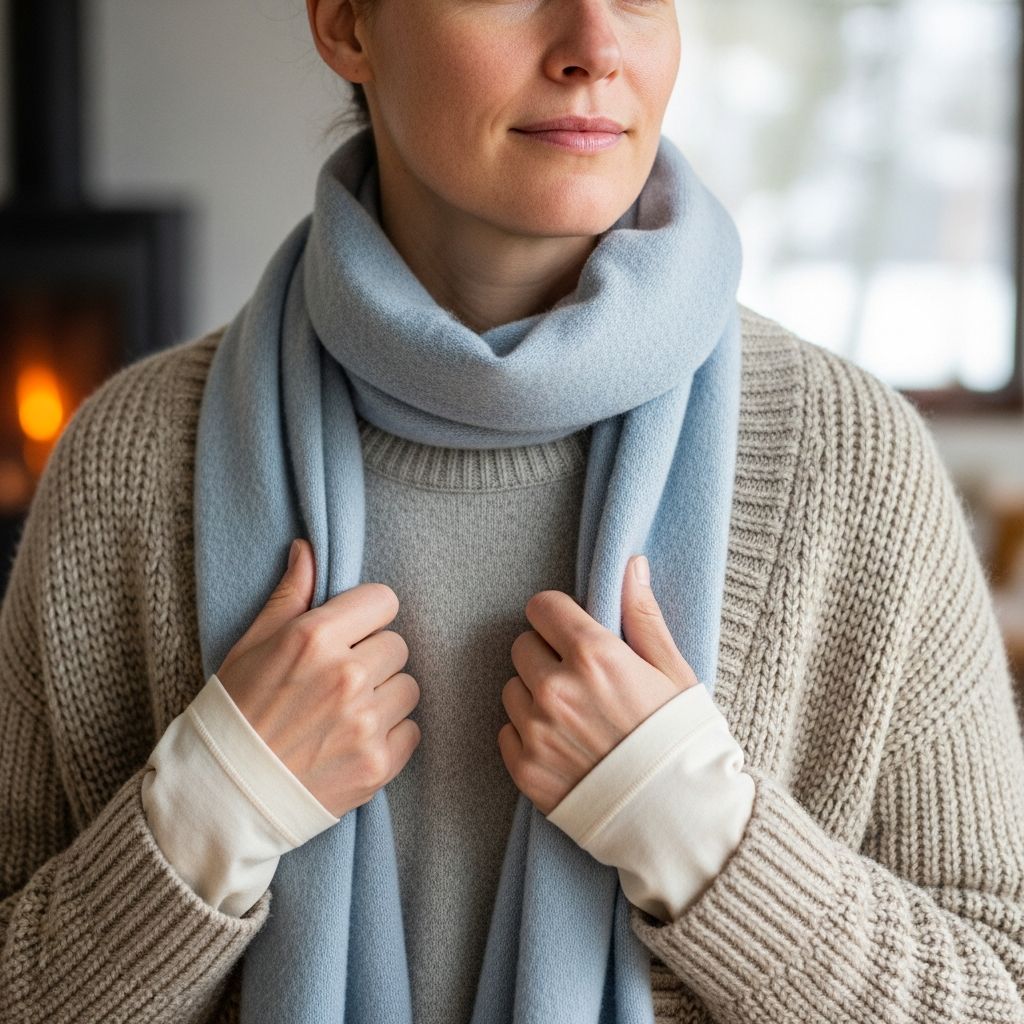
For necks and faces, soft scarves in cotton or silk shield against windburn without trapping moisture. Reapply ointment to exposed areas before heading out.
Related Stories



Optimizing Your Home Environment
Indoors, central heating desiccates air, amplifying skin dryness. Counter this with targeted adjustments.
- Humidity Boost: Use cool-mist humidifiers set to 40-50%; clean weekly to prevent mold. Simple hacks include water bowls near vents.
- Temperature Stability: Maintain 18-19°C; avoid direct heat on skin by repositioning furniture.
- Airflow and Cleanliness: Ventilate daily, vacuum with HEPA filters, and dust with damp cloths to cut allergens.
These steps create a skin-friendly microclimate, reducing the need for heavy clothing indoors.
Daily Skincare Routines for Cold Weather
Consistent moisturizing fortifies the skin barrier against winter assaults. Use fragrance-free products with ceramides, glycerin, or hyaluronic acid.
- Bathe in lukewarm water (not hot) for 5-10 minutes max.
- Pat dry gently; apply emollient within 3 minutes to seal moisture.
- Reapply 2-3 times daily, especially post-exposure to cold or washing.
- For flares, consider oatmeal baths or OTC hydrocortisone, consulting a dermatologist if persistent.
Switch to thicker ointments in winter for better occlusion.
Boosting Internal Moisture and Wellness
Hydration starts within. Aim for 8-10 glasses of water daily, more if active. A diet rich in omega-3s, vitamins, and antioxidants supports barrier function.
- Incorporate fatty fish, nuts, and leafy greens.
- Supplement vitamin D if sunlight-limited (doctor-approved).
- Prioritize sleep and hand hygiene to fend off infections that worsen eczema.
These habits enhance resilience against seasonal stressors.
FAQs: Eczema and Winter Layering
Can I wear wool at all with eczema?
Yes, but never directly on skin. Layer cotton or silk underneath to buffer irritation.
What’s the best humidifier type for eczema homes?
Cool-mist models prevent bacterial growth; maintain 40-50% humidity.
How often should I moisturize in winter?
At least 3 times daily, plus immediately after bathing.
Are bamboo fabrics good for eczema?
Yes, they’re soft, breathable, and moisture-wicking, similar to cotton.
What if flares persist despite these tips?
Consult a dermatologist for personalized treatments like prescription topicals.
Seasonal Checklist for Eczema Management
- Stock hypoallergenic base layers and accessories.
- Install and monitor a humidifier.
- Upgrade to richer moisturizers.
- Plan outfits with adjustable layers.
- Hydrate internally and protect extremities.
- Ventilate and clean regularly.
Implement these for itch-free winter enjoyment.
References
- Winter Eczema Care – Tips for Sensitive Skin — Eczema Clothing. 2025-10-23. https://eczemaclothing.com/blogs/lifestyle-solutions-for-eczema/how-to-help-your-skin-in-winter
- Eczema 101: Soothing Seattle’s Damp Winters — Dermatology Seattle. N/A. https://dermatologyseattle.com/eczema-101-soothing-seattles-damp-winters/
- Clothing and eczema — National Eczema Society. N/A. https://eczema.org/information-and-advice/triggers-for-eczema/clothing-and-eczema/
- Avoid Eczema Flare-Ups This Winter — Tufts Medicine. N/A. https://www.tuftsmedicine.org/about-us/news/avoid-eczema-flare-ups-winter
- Clothing and eczema factsheet — National Eczema Society. 2023-11. https://eczema.org/wp-content/uploads/Clothing-and-eczema-Nov-23.pdf
Similar Articles








Read full bio of Sneha Tete