Winter Nosebleeds: Understanding Dry Air Effects
Discover why winter air causes nosebleeds and learn effective prevention strategies.
Is My Nosebleed the Result of Winter Air?
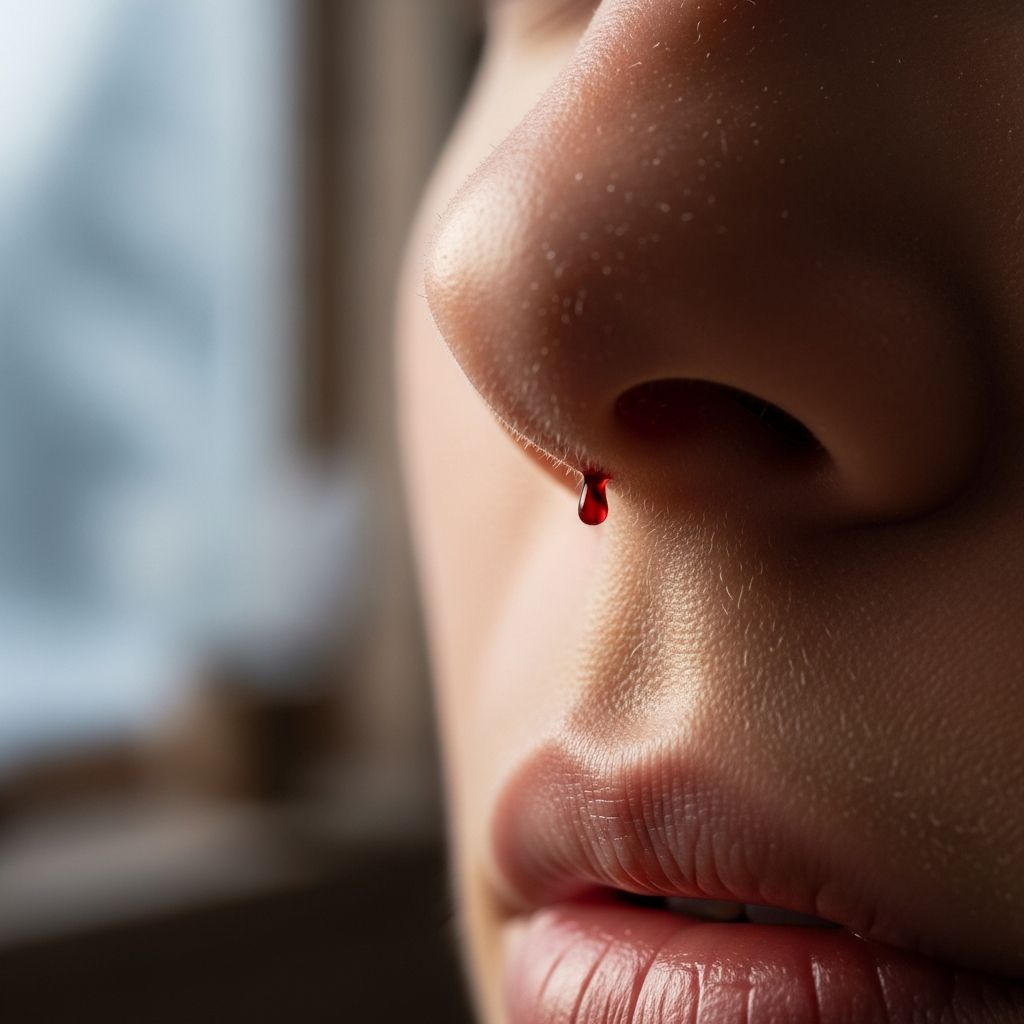
Nosebleeds, medically known as epistaxis, are a common occurrence that can happen to people of all ages. They often seem to appear without warning and can be alarming, especially when they occur unexpectedly. Many people notice an increase in nosebleeds during the winter months, and there is a legitimate physiological reason for this seasonal pattern. Understanding the connection between winter air and nosebleeds can help you take preventive measures and manage this condition more effectively.
What Causes Nosebleeds?
A nosebleed occurs when one of the many blood vessels that supply the delicate mucous membranes lining the nose and nasal cavity becomes damaged and ruptures. The nasal passages contain numerous tiny blood vessels that are positioned close to the surface of the mucous membrane. When these vessels break, blood flows out through the nostrils. Several factors can trigger this rupture, ranging from physical trauma to environmental conditions.
Common causes of nosebleeds include direct injury to the nose from accidents or sports-related impacts, aggressive nose blowing or picking, nasal congestion from colds or allergies, and physical objects lodged in the nasal cavity. Additionally, certain medical conditions such as hypertension and bleeding disorders can increase nosebleed frequency. However, one of the most significant and often overlooked causes is environmental dry air.
The Winter Dry Air Connection
How Winter Air Dries Out Nasal Membranes
Winter weather creates a perfect storm for nosebleeds through a combination of outdoor and indoor environmental factors. Cold outdoor temperatures naturally contain less moisture, as cold air has a lower capacity to hold water vapor than warm air. When you step inside heated buildings, the situation becomes even worse. Heating systems warm the indoor air, but they do not add moisture to it, creating an extremely dry indoor environment that is dramatically different from the moisture levels your nasal passages expect.
This dramatic shift between cold, dry outdoor air and artificially heated, moisture-depleted indoor air puts significant stress on the delicate nasal membranes. The mucous membranes that line your nose are designed to maintain a certain level of moisture to function properly. When exposed to consistently dry air, these tissues begin to lose their protective moisture layer, causing them to become irritated, inflamed, and prone to cracking. Once the mucous membrane develops small cracks or fissures, the blood vessels beneath the surface become exposed and vulnerable to rupture, resulting in a nosebleed.
Why Children Are More Susceptible
Children tend to experience more frequent nosebleeds during winter than adults for several interconnected reasons. First, the blood vessels in children’s nasal passages are located closer to the surface of the mucous membrane compared to adults. This anatomical difference means that less severe irritation or damage is needed to cause bleeding. Additionally, children are more likely to pick at their noses and rub them frequently out of curiosity or in response to itching caused by dry membranes. These habits can easily rupture the fragile blood vessels.
Furthermore, children’s nasal passages are smaller and more delicate than adult nasal passages, making them more reactive to environmental irritants like dry air. The combination of these factors explains why parents often notice their children experiencing multiple nosebleeds during the winter months.
Prevention Strategies for Winter Nosebleeds
Humidity Management
The most effective prevention strategy is to increase and maintain adequate humidity levels in your indoor environment. A cool-mist humidifier is an excellent investment, particularly for bedrooms where you spend extended periods. Humidifiers work by adding moisture back into the air, counteracting the drying effects of heating systems. Running a humidifier during the night while sleeping can be especially beneficial, as this is when your nasal passages have the most time to absorb moisture and recover from daytime exposure to dry air.
Related Stories



For optimal results, maintain indoor humidity levels between 30 and 50 percent. This range provides adequate moisture without creating conditions that promote mold growth or dust mite proliferation. Many humidifiers include built-in humidity sensors that allow you to set and maintain your desired humidity level automatically.
Nasal Lubrication and Moisturizing
In addition to using a humidifier, you can directly moisturize your nasal passages with topical applications. Water-based ointments or saline products can be gently applied to the inside of each nostril to help keep the tissues lubricated and protected. These products create a protective barrier that reduces moisture loss from the mucous membrane. Apply a small dab of water-based ointment just inside each nostril using a clean finger or cotton swab. This simple technique can significantly reduce irritation and prevent the cracking that leads to nosebleeds.
Saline nasal rinses or sprays are another effective option. These solutions help flush out irritants and restore moisture to the nasal passages. Many people find saline products particularly helpful when used regularly throughout the day, especially if you spend time in particularly dry environments.
Gentle Nasal Care Practices
How you treat your nose during winter is crucial for prevention. Blow your nose gently and deliberately, using only the amount of force necessary to clear the nasal passages. Vigorous nose blowing puts unnecessary pressure on blood vessels and can easily cause ruptures. Instead of forcefully expelling air, try a gentle technique that moves air through the nose in a controlled manner.
If you have children, educate them about the importance of gentle nose care. Explain the mechanics of nosebleeds in age-appropriate terms so they understand why they should not pick at their noses or rub them aggressively. Make this an interactive conversation so children feel empowered to protect their own nasal health.
Protective Measures During Winter Activities
When spending time outdoors in cold winter weather, the dry air can be even more severe than indoors. Wearing a scarf or mask over your nose and mouth can help warm and humidify the air before it reaches your nasal passages. This simple precaution significantly reduces the drying effect of cold outdoor air and can prevent nosebleeds triggered by outdoor exposure.
Managing an Active Nosebleed
First Aid Techniques
If a nosebleed does occur, proper first aid technique can help stop it quickly and minimize blood loss. The key is to remain calm and follow these steps carefully. Have the person experiencing the nosebleed lean slightly forward—just enough so that blood won’t be swallowed rather than flowing out through the nostrils. Tilting the head back is a common mistake that should be avoided, as it allows blood to flow down the throat.
Breathe through the mouth while gently pinching the soft part of the nose just above the nostrils, applying steady direct pressure. Maintain this pressure continuously for approximately 10 minutes, which is typically the time needed for blood to clot and stop flowing. Resist the urge to check whether bleeding has stopped before the 10-minute period has elapsed, as this can disrupt clot formation.
A cold compress applied to the bridge of the nose can enhance the effectiveness of direct pressure. The cold temperature causes blood vessels to constrict, reducing blood flow to the area and helping to stop the bleeding more quickly.
When to Seek Medical Attention
While most nosebleeds are harmless and resolve on their own, certain situations warrant immediate medical attention. If a nosebleed persists for more than 15 to 20 minutes despite applying direct pressure, contact your healthcare provider or visit an urgent care facility. Similarly, if you experience a large volume of blood loss or if bleeding is associated with an injury to the face or head, seek immediate medical evaluation.
A foreign object lodged in the nose always requires professional medical attention, as attempting to remove it yourself could cause further injury or push it deeper into the nasal passage. Additionally, if you experience frequent nosebleeds that cannot be explained by dry air or minor trauma, consult your healthcare provider to rule out underlying medical conditions or bleeding disorders.
Risk Factors and Special Considerations
Who Is Most At Risk?
While anyone can experience winter nosebleeds, certain groups are at higher risk. Children between the ages of 2 and 10 experience nosebleeds more frequently than other age groups due to their anatomical and behavioral characteristics. People living in arid climates or regions with harsh winters face increased risk due to environmental factors. Individuals with hypertension, bleeding disorders, or those taking blood-thinning medications should be particularly vigilant about nosebleed prevention and should consult their healthcare providers about managing their specific risk factors.
Seasonal Patterns and Frequency
Nosebleed frequency typically follows seasonal patterns, with increased incidents during winter months and in arid climates. Many people notice that nosebleeds become more frequent when heating systems are activated and humidity levels drop significantly. Understanding this pattern can help you anticipate the problem and implement preventive measures before the season begins.
Reassuring Facts About Winter Nosebleeds
It is important to understand that nosebleeds are extremely common, particularly in children, and the vast majority of cases are not dangerous. Occasional nosebleeds that respond quickly to home treatment are normal and generally not cause for concern. The reassuring reality is that while nosebleeds can be alarming due to the visible blood and sudden onset, they rarely indicate a serious underlying medical condition.
Most winter nosebleeds are directly attributable to environmental dry air and resolve completely with proper prevention and management strategies. Understanding the cause of your nosebleeds can reduce anxiety and help you approach the winter season with confidence and effective preventive measures in place.
Frequently Asked Questions
Q: Why do nosebleeds happen more often in winter?
A: Winter nosebleeds are primarily caused by a combination of cold outdoor air with low moisture content and heated indoor air from heating systems, both of which rapidly dry out the delicate nasal membranes. When these tissues lose their protective moisture layer, they crack and become vulnerable to bleeding.
Q: How can I prevent winter nosebleeds?
A: Effective prevention includes using a humidifier to maintain indoor humidity at 30-50 percent, applying water-based ointments to nasal passages, blowing your nose gently, wearing a scarf over your nose in cold weather, and educating children about gentle nasal care practices.
Q: What should I do if I have a nosebleed?
A: Lean forward slightly, breathe through your mouth, and gently pinch the soft part of your nose just above the nostrils for about 10 minutes while applying steady pressure. You can also apply a cold compress to the bridge of your nose to help stop the bleeding.
Q: Are nosebleeds dangerous?
A: Most nosebleeds are harmless and resolve on their own. However, seek medical attention if bleeding persists beyond 20 minutes, if there is excessive blood loss, if the nosebleed is associated with injury, or if you experience frequent unexplained nosebleeds.
Q: Why do children get more nosebleeds than adults?
A: Children’s blood vessels are located closer to the surface of nasal membranes, they have smaller nasal passages, they are more likely to pick their noses, and they are more reactive to environmental irritants, all of which contribute to more frequent nosebleeds.
Q: What humidity level should I maintain indoors?
A: The optimal indoor humidity level is between 30 and 50 percent. This range provides adequate moisture to prevent nasal membrane drying while avoiding conditions that promote mold growth or dust mite proliferation.
Q: Can saline products help prevent nosebleeds?
A: Yes, saline nasal rinses and sprays are effective for restoring moisture to nasal passages and flushing out irritants. Regular use throughout the day can significantly reduce irritation and help prevent nosebleeds caused by dry air.
Summary: Taking Control of Winter Nosebleeds
Winter nosebleeds are a common response to seasonal environmental changes, particularly the dry air created by the contrast between cold outdoor temperatures and heated indoor environments. By understanding the mechanisms behind these nosebleeds, you can implement effective prevention strategies that significantly reduce their frequency. Maintaining appropriate humidity levels, caring gently for your nasal passages, and taking protective measures during winter weather can help you enjoy the season without the discomfort and concern of frequent nosebleeds. Remember that while nosebleeds can be alarming, they are usually harmless and manageable with proper knowledge and preventive care.
References
- Dry air a common cause of nosebleeds, especially in children — UCLA Health. 2025. https://www.uclahealth.org/news/article/dry-air-a-common-cause-of-nosebleeds-especially-in-children
- What is a nosebleed? A few causes and symptoms — CVS Health. 2025. https://www.cvs.com/learn/health/general-health/what-is-nosebleed
Similar Articles








Read full bio of medha deb