Winter Skin Care: Managing Cold Weather Skin Conditions
Complete guide to protecting and caring for your skin during winter months and cold weather.
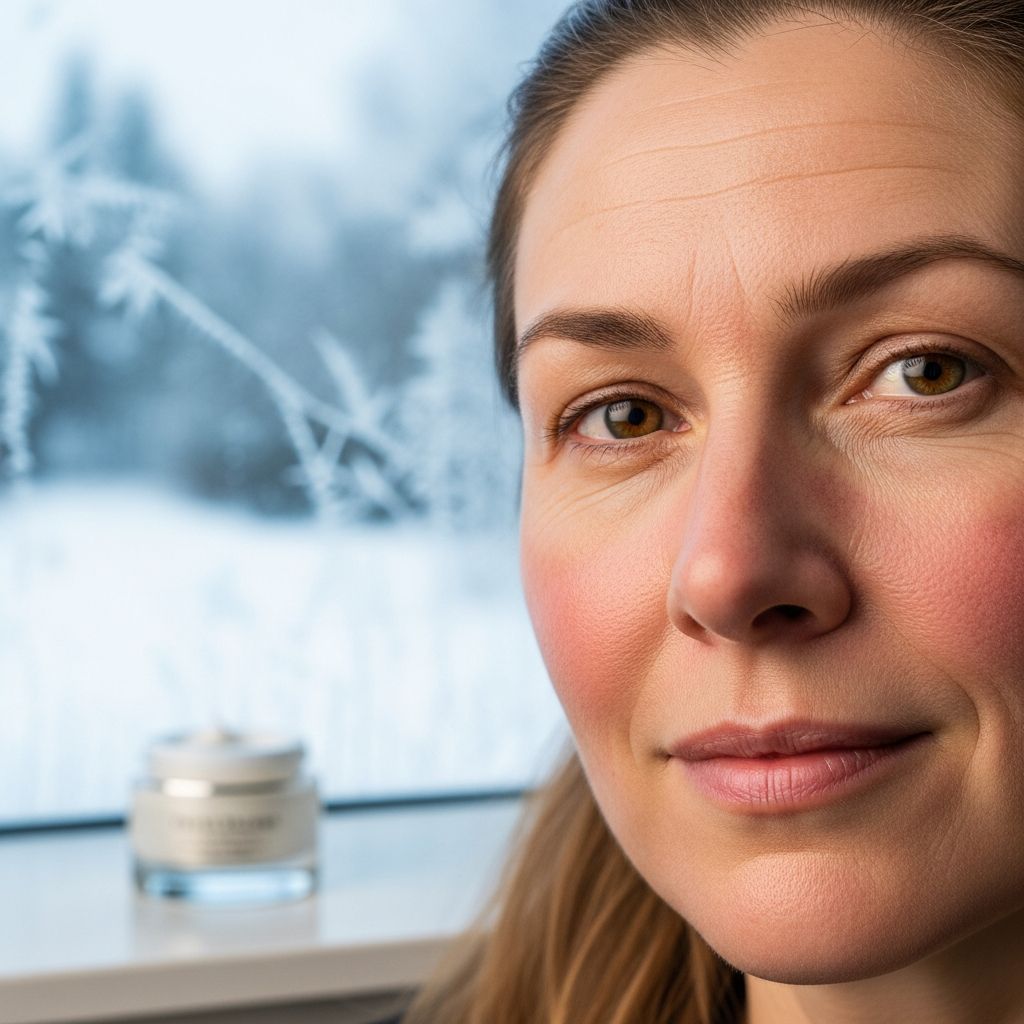
Winter weather presents unique challenges for skin health. Cold temperatures, reduced humidity, central heating, and decreased sunlight create a “perfect storm” for dry and irritated skin. Understanding how winter affects your skin and implementing proper care strategies can help you maintain healthy skin throughout the colder months.
How Winter Weather Affects Your Skin
Winter creates multiple environmental stressors that compromise skin health. During winter months, ambient humidity levels drop significantly, leading to faster moisture loss from the skin. The outdoor air becomes dry and harsh, while indoor heating systems further strip moisture from your skin. Additionally, cold winds damage the skin’s protective barrier by stripping away essential oils that normally keep skin supple.
The seasonal changes also affect your body’s natural processes. Sebum production—the natural oils your skin produces—reduces during winter months. In warmer seasons, your “summer skin” tends to be thicker and more hydrated because warm air holds more moisture and sebaceous glands produce more protective oils. When winter arrives, this natural protection diminishes significantly.
Another overlooked factor is the impact of reduced daylight hours. The shorter days and longer nights disrupt your circadian rhythms, which affects sebum production and skin barrier recovery. Reduced sunlight also diminishes Vitamin D synthesis, which is crucial for skin repair and overall skin health.
Common Winter Skin Conditions
Winter Itch
Winter itch, also known as winter xerosis, is a temporary skin condition caused by extreme dryness during cold months. Unlike chronic eczema, winter itch occurs specifically in response to cold weather and typically resolves when conditions improve. Symptoms include itchy skin, red rashes, scaly patches, and small bumps on affected areas.
The condition develops because dry air pulls moisture directly from the epidermis, the outer skin layer. Anyone may experience winter itch, particularly those who spend significant time moving between cold outdoor environments and heated indoor spaces. The condition usually goes away quickly once environmental factors change.
Eczema and Cold Weather
Eczema, or atopic dermatitis, frequently worsens during winter months. Many scientific studies confirm the relationship between cold weather and increased eczema flare-ups. Since dryness is the primary symptom of eczema regardless of season, winter weather causes additional dryness that exacerbates existing symptoms.
Winter triggers multiple eczema risk factors simultaneously. The combination of cold, damp outdoor conditions and dry, centrally heated indoor environments wreaks havoc on eczema-prone skin. Additionally, winter indoor environments have higher concentrations of dust mites, which thrive in warm spaces and can trigger flare-ups. Some people also experience vitamin D deficiency during winter, which studies have linked to higher eczema rates, though evidence remains inconclusive.
Related Stories



Winter infections such as colds can also trigger eczema flare-ups by upsetting the immune system.
Psoriasis and Cold Weather
Psoriasis, an autoimmune disease, often becomes more challenging to manage during winter. The condition causes red, raised, and scaly patches on the skin, along with burning, tenderness, and joint stiffness or swelling. Winter worsens psoriasis because the dry air combined with lack of sunshine during shorter days contributes to symptom escalation.
Rosacea and Cold Weather
Rosacea, a common long-term skin condition characterized by facial flushing and visible blood vessels, has cold weather as a significant trigger. The condition causes your face to “blush” as blood vessels become visible, and it may produce small, pus-filled bumps. Temperature fluctuations between cold outdoor environments and warm indoor spaces lead to more noticeable redness of affected facial areas.
Acne in Winter
Many people associate acne with oily skin, but winter dry skin also causes acne. Dry skin conditions cause a buildup of dead skin cells that clog pores. This pore congestion traps bacteria, leading to acne development. Additionally, hormonal changes during winter alter skin oil production and can trigger acne breakouts.
Cold Urticaria and Raynaud’s Disease
Cold urticaria is an allergic reaction to cold temperatures, causing hives or swelling on skin exposed to cold. Raynaud’s disease, another cold-weather concern, causes blood vessel constriction in response to cold, resulting in color changes and pain in fingers and toes.
Chilblains
Chilblains are inflammatory skin conditions that develop in response to cold exposure followed by rapid rewarming. These painful lesions typically affect fingers and toes and require medical attention to prevent complications.
Winter Skin Care Strategies
Moisturizing and Hydration
Proper moisturizing is essential for winter skin health. Apply moisturizers to exposed areas before going outside to create a protective barrier. For conditions like eczema, use generous amounts of emollients on all affected areas, including typically overlooked spots like shins. Always apply moisturizers in the direction of hair growth to prevent clogging hair follicles.
Choose thick creams or petroleum jelly-based products immediately after bathing, while skin is still slightly damp. This traps moisture in the skin and provides superior hydration compared to lightweight lotions.
Bathing and Shower Practices
Modify your bathing habits to protect winter skin. Take short, lukewarm showers or baths rather than long, hot ones. Very hot water strips natural oils from skin and causes excessive dryness. Use non-irritating, non-detergent-based cleansers to avoid further skin damage.
Gently pat skin dry rather than rubbing, which can irritate sensitive winter skin. Apply moisturizer immediately after bathing while skin retains some moisture.
Temperature Management
Maintain appropriate indoor temperatures to prevent excessive dryness. Keep your home from becoming overheated, as extreme heat exacerbates winter skin conditions. Avoid temperature extremes that stress your skin.
Heavy winter clothing can cause sweating and trigger skin issues. The National Eczema Society recommends layering with cotton or silk clothing, which breathes better than synthetic materials.
Humidity Control
Use a humidifier to add moisture to dry indoor air. Dry air pulls moisture directly from your skin, exacerbating winter skin conditions. A humidifier helps maintain ambient humidity levels that support skin health.
Sun Protection
Despite cold temperatures, continue using sunscreen during winter. The winter sun reflecting off snow and ice can be as harmful as summer sun, causing UV damage to unprotected skin. UV radiation damages skin barrier function and can worsen existing conditions.
Protective Clothing
Wear gloves to protect hands from cold and wind damage. Avoid wool and flannel clothing directly against skin, as these materials can irritate sensitive winter skin. Instead, layer with smooth cotton or silk base layers.
Specific Condition Management
Eczema Winter Management
For eczema flare-ups, follow your GP’s advice on treatment. For severe cases, doctors may prescribe topical steroid creams, anti-inflammatory medications, skin barrier creams, or medications that alter immune system function.
Practical strategies include avoiding extreme temperature switches, using plenty of emollients on exposed areas, investing in a humidifier, taking lukewarm baths, and wearing appropriate clothing layers.
Winter Itch Treatment
Winter itch responds well to regular moisturizing. Over-the-counter mild steroid creams from your pharmacy can soothe symptoms. If over-the-counter treatments prove ineffective and symptoms remain persistent and uncomfortable, contact your GP for prescription-strength medications.
Key Winter Skin Care Checklist
- Apply moisturizer to exposed skin before going outside
- Take short, lukewarm showers with gentle, non-detergent cleansers
- Apply thick moisturizers or petroleum jelly immediately after bathing
- Use a humidifier to maintain indoor air moisture
- Keep indoor temperatures moderate, not excessively heated
- Layer clothing with cotton or silk rather than wool or synthetics
- Wear gloves when outdoors
- Continue using sunscreen despite cold temperatures
- Avoid temperature extremes and rapid changes
- Seek medical advice for persistent or severe symptoms
When to Seek Medical Attention
Contact your doctor immediately if you develop color changes in hands or feet accompanied by pain or ulceration, as these may indicate frostbite or serious cold-related injury. Seek medical attention if you develop extreme pain followed by loss of sensation in fingers or toes.
For existing skin conditions like eczema or psoriasis, follow your healthcare provider’s treatment recommendations. If winter skin conditions become severe, persistent, or uncomfortable despite home care measures, contact your GP for stronger medications or specialized treatment options.
Frequently Asked Questions
Q: Why does my skin get drier in winter?
A: Winter causes skin dryness through multiple mechanisms. Cold air reduces ambient humidity, leading to faster moisture loss from skin. Indoor heating further strips skin of moisture. Additionally, sebum production—your skin’s natural oil—decreases in winter, reducing your skin’s natural protection.
Q: Is winter itch the same as eczema?
A: No. While winter itch and eczema produce similar symptoms (dryness, itching, scaling), they differ significantly. Winter itch is a temporary condition caused by cold weather that resolves when conditions improve, whereas eczema is typically a long-term condition usually diagnosed in childhood.
Q: Can I still get sunburned in winter?
A: Yes. The winter sun reflecting off snow and ice can be as harmful as summer sun. Unprotected skin remains vulnerable to UV damage during winter, so continue using sunscreen even on cold, cloudy days.
Q: What type of moisturizer works best for winter skin?
A: Thick creams and petroleum jelly-based products work better than lightweight lotions in winter. Apply immediately after bathing while skin is slightly damp to trap moisture. Emollients designed for specific conditions like eczema provide additional benefits.
Q: Should I bathe differently in winter?
A: Yes. Take shorter, lukewarm (not hot) showers or baths using non-detergent cleansers. Hot water strips natural oils from skin. Apply thick moisturizers immediately after bathing while skin retains moisture.
Q: Can a humidifier help winter skin conditions?
A: Yes. Humidifiers add moisture to dry indoor air, helping maintain appropriate humidity levels that prevent skin from drying out excessively.
Q: Why does my eczema worsen in winter?
A: Winter worsens eczema through multiple factors: reduced humidity causes additional skin dryness, temperature fluctuations stress the skin barrier, central heating dries indoor air, dust mites thrive in warm indoor spaces, vitamin D deficiency may occur, and winter infections can trigger flare-ups.
Q: What should I avoid wearing in winter?
A: Avoid wool and flannel clothing in direct contact with skin, as these materials can irritate sensitive winter skin. Instead, layer with cotton or silk base layers that breathe better and cause less irritation.
References
- Dry skin in winter: what cold weather can do to your skin — Patient.info. 2023-12-08. https://patient.info/features/skin-conditions/what-winter-weather-can-do-to-your-skin
- Braving the Elements: How Winter Weather Influences Skin — University of Rochester Medical Center. 2024. https://www.urmc.rochester.edu/news/story/braving-the-elements-how-winter-weather-influences-skin
- Seasonal Eczema | Hot and Cold Weather Effects — Patient.info. https://patient.info/features/skin-conditions/how-the-seasons-affect-your-eczema
- 10 tips for protecting your skin in the cold weather — NewYork-Presbyterian. https://www.nyp.org/patients-and-visitors/advances-consumers/issues/10-tips-for-protecting-your-skin-in-the-cold-weather
- Your winter skin survival kit — American Academy of Dermatology. https://www.aad.org/public/everyday-care/skin-care-basics/care/winter-skin-survival-kit
- Prevent Dry Skin in Winter — Mass General Brigham. https://www.massgeneralbrigham.org/en/about/newsroom/articles/how-to-keep-skin-hydrated-in-winter
Similar Articles








Read full bio of medha deb