Winter Eye Protection: 5 Essential Ways To Shield Your Eyes
Discover why UV protection is crucial year-round and how to shield your eyes from winter's hidden solar threats effectively.
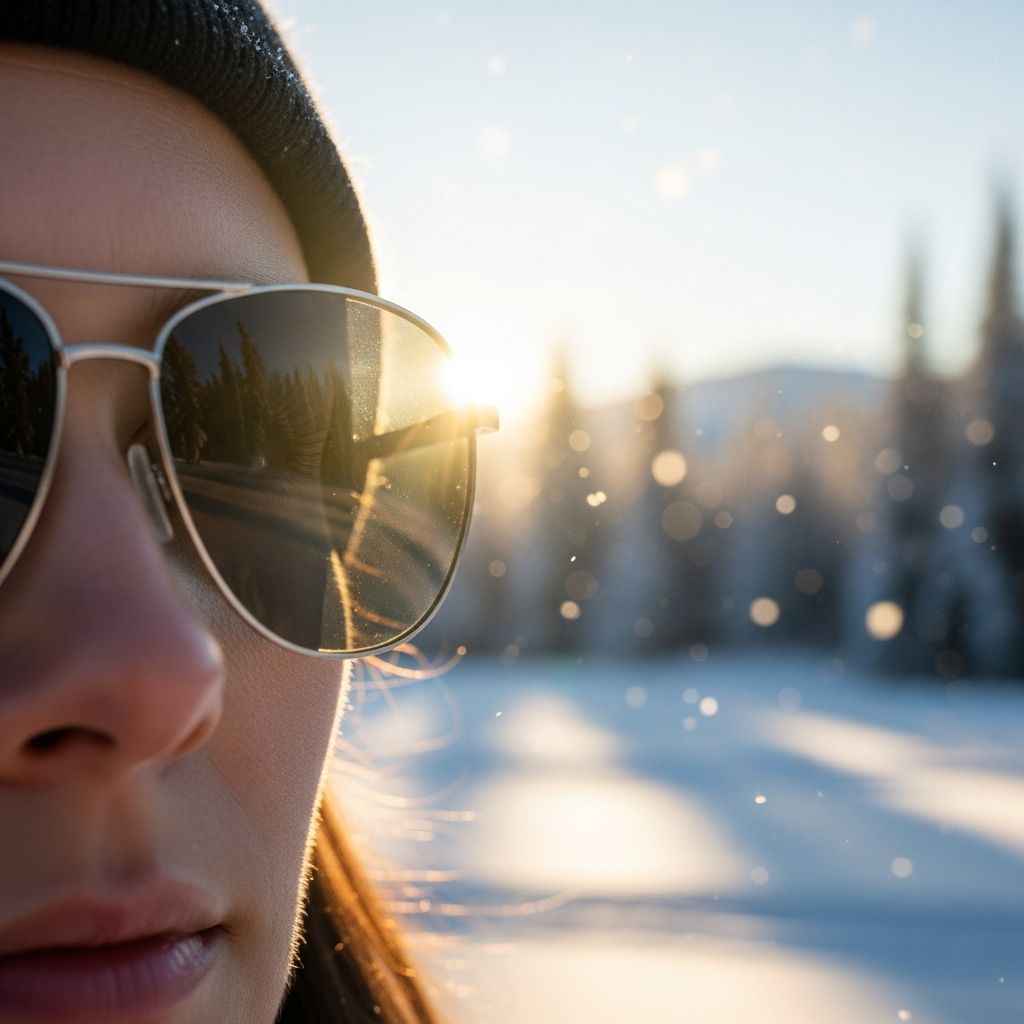
Many overlook the sun’s potency during colder months, yet winter conditions amplify ultraviolet exposure through reflective surfaces like snow and ice. This guide explores the science behind these risks, practical protection methods, and gear suited for various activities, ensuring your eyes remain healthy amid seasonal changes.
The Science of Winter UV Exposure
Ultraviolet rays do not vanish with dropping temperatures; they persist and intensify in winter due to environmental factors. Snow acts as a mirror, bouncing back up to 80% of the sun’s rays, effectively doubling exposure levels compared to bare ground. At higher altitudes, such as ski slopes, UV intensity surges because thinner air filters less radiation.
Cloud cover offers no true shield—up to 80% of UV can pierce through overcast skies. Low-angled winter sunlight strikes the eyes more directly, heightening glare and penetration risks. These elements combine to make winter a prime time for eye strain and damage, often unnoticed until symptoms appear.
Immediate Dangers from Winter Sunlight
Short-term effects strike swiftly during outdoor pursuits. Photokeratitis, dubbed snow blindness, mimics a corneal sunburn: intense pain, redness, tearing, blurred vision, and light sensitivity can onset within hours of unprotected exposure. This temporary yet agonizing condition disrupts activities and requires rest for recovery.
Glare from snowfields overwhelms the retina, causing headaches, fatigue, and reduced visual acuity. Wind-whipped cold air exacerbates dryness, leading to irritation and watery eyes that impair focus. Drivers face heightened hazards from sun glare on icy roads, increasing accident risks.
Long-Term Consequences of Neglect
Chronic UV bombardment contributes to serious conditions. Cataracts cloud the lens over time, with studies linking cumulative exposure to accelerated development. Macular degeneration threatens central vision, while pterygium—a fleshy growth on the eye’s surface—causes chronic redness and potential distortion.
Skin around the eyes suffers too: eyelid cancers and premature aging stem from unchecked rays. High-energy visible light, or blue light, adds retinal stress, compounding damage from prolonged winter outings.
Selecting Optimal Protective Eyewear
Effective eyewear blocks 99-100% of UVA and UVB rays—verify the label before purchase. Polycarbonate lenses provide shatter resistance for sports, while wraparound designs seal out peripheral light and wind.
Polarization cuts reflective glare from snow and water, enhancing clarity without color distortion. Photochromic lenses adapt tint to light levels, offering versatility. For extreme glare, mirrored coatings repel excess brightness.
| Lens Feature | Best For | Key Benefit |
|---|---|---|
| 100% UV Block | All Activities | Prevents photokeratitis and long-term damage |
| Polarized | Skiing, Driving | Reduces snow/ice glare |
| Wraparound | Hiking, Sports | Blocks wind and side rays |
| Amber/Yellow Tint | Low Light | Boosts contrast in fog/snow |
| Gray Tint | Bright Days | Maintains true colors |
Related Stories



Gear Recommendations by Activity
- Skiing and Snowboarding: Goggles with anti-fog vents and polycarbonate lenses shield against impacts, wind, and 100% UV. Opt for cylindrical lenses to minimize distortion.
- Running or Cycling: Lightweight wraparound sunglasses with ventilation prevent fogging. Red or light tints heighten trail contrast during dawn/dusk runs.
- Driving: Polarized lenses tame low-angle sun glare on reflective roads. Avoid full polarization if spotting black ice is critical.
- Hiking/Walking: Broad-brim hats paired with UV sunglasses combat overhead and ground-reflected rays. Transition lenses suit variable weather.
- Everyday Use: Clip-on UV filters for prescription glasses ensure constant protection without bulk.
Additional Habits for Eye Wellness
Beyond eyewear, layer defenses: wide-brimmed hats cut 50% of overhead UV. Apply broad-spectrum sunscreen to eyelids and periocular skin. Combat dry air with lubricating drops; indoor heating and wind sap moisture, heightening infection risks.
Hydrate internally and blink frequently during screen time to maintain tear film. Schedule annual eye exams to monitor UV-related changes early. Educate children on protection—youth eyes absorb 70% more UV due to clearer lenses.
FAQs on Winter Eye Protection
Do I need sunglasses on cloudy winter days?
Yes—UV penetrates clouds, and snow reflection persists. Protection remains essential.
Can winter sunglasses prevent snow blindness?
Absolutely; 100% UV-blocking, polarized lenses stop corneal burns from reflected rays.
Are polarized lenses safe for all winter sports?
They excel against glare but may mask ice sheen—test in safe conditions first.
How often should I replace winter eyewear?
Inspect for scratches or coating wear annually; polycarbonate lasts 2-3 years with care.
Is blue light a concern in winter sun?
Yes, HEV rays contribute to retinal stress; seek lenses blocking 80%+.
Why prioritize eye protection at high altitudes?
UV increases 10% per 1,000 feet; slopes demand robust shields.
Building a Year-Round Protection Routine
Integrate eyewear into daily winter wardrobes like gloves or scarves. Stock multiple pairs for varied uses: sports-specific goggles, driving polarizers, casual UV shades. Track UV index via apps—even moderate levels (3+) warrant protection.
For families, make gear fun with stylish options to encourage compliance. Corporate wellness programs can distribute branded UV glasses, fostering habit formation. Long-term, these steps slash risks of costly interventions like cataract surgery.
Winter invites vibrant outdoor life—ice skating, sledding, festivals—but unprotected eyes pay the price. Prioritize UV defense to enjoy fully, preserving sight for seasons ahead.
References
- Eye Safety for Winter Months — Versant Health. 2023. https://versanthealth.com/blog/eye-safety-for-winter-months/
- Eye Protection: Essential Winter Gear — Colleyville Vision Associates. 2025-11-26. https://visionsource-colleyvillevision.com/2025/11/26/eye-protection-essential-winter-gear/
- Winter Sun Protection for Eyes — HOYA Vision Care. 2023. https://www.hoyavision.com/siteassets/blog–article/usa/winter-sun-protection-for-eyes-white-paper.pdf
- Why Winter Sunglasses Are Essential — Nova Eye Care Center. 2024. https://www.novaeyecarecenter.com/post/why-winter-sunglasses-are-essential-nova-eye-care-center
- Winter Eye Protection Guide — Rudy Project NA. 2024. https://www.rudyprojectna.com/blogs/news/winter-eye-protection-guide-how-to-choose-high-performance-eyewear-for-your-cold-weather-runs-and-rides
- Ultraviolet (UV) Protection — American Optometric Association. 2025. https://www.aoa.org/healthy-eyes/caring-for-your-eyes/uv-protection
Similar Articles








Read full bio of Sneha Tete