Winter Wellness Tips: How to Cope with SAD
Practical strategies to manage Seasonal Affective Disorder (SAD) symptoms and beat the winter blues effectively this season.
Seasonal Affective Disorder (SAD) affects millions during winter, causing low mood, fatigue, and motivation loss due to reduced sunlight. This guide covers symptoms, evidence, and practical coping strategies to help you thrive through the darker months.
What is Seasonal Affective Disorder (SAD)?
SAD is a type of depression linked to seasonal changes, primarily occurring in autumn and winter when daylight hours shorten. It impacts around 2 million people in the UK, with symptoms including persistent low mood, loss of interest in activities, low energy, sleep disturbances, and carbohydrate cravings.
The condition stems from disrupted circadian rhythms, lower serotonin levels, and vitamin D deficiency from limited sunlight exposure. Melatonin production, which regulates sleep, increases prematurely in darker evenings, leading to oversleeping and lethargy.
Symptoms of SAD
Recognizing SAD early is crucial for effective management. Common symptoms include:
- Depressed mood most of the day, nearly every day.
- Loss of pleasure in usual activities.
- Significant fatigue or low energy.
- Changes in sleep patterns, often hypersomnia (excessive sleeping).
- Overeating, especially comfort foods, leading to weight gain.
- Difficulty concentrating, irritability, and feelings of hopelessness.
These differ from typical ‘winter blues’ by their severity and persistence, lasting at least two winter seasons.
Evidence For and Against SAD
While SAD is widely recognized, debate exists on its validity as a distinct disorder. Proponents cite consistent symptom patterns tied to latitude and sunlight reduction, supported by clinical studies showing biochemical changes like elevated melatonin and reduced serotonin.
Skeptics argue symptoms overlap with non-seasonal depression, potentially influenced by confirmation bias or placebo effects in treatments. However, epidemiological data from northern regions strengthens the case, with prevalence dropping near the equator.
| Evidence For SAD | Evidence Against |
|---|---|
| Seasonal symptom recurrence in 80-90% of cases | Overlap with general depression symptoms |
| Biochemical links (serotonin/melatonin imbalance) | Limited randomized controlled trials |
| Higher incidence in high latitudes | Potential diagnostic subjectivity |
How to Cope with SAD: Lifestyle Changes
Get Outside and Exercise
Daily exposure to natural light and physical activity is foundational for SAD management. Aim for 15-30 minutes of outdoor exercise, like brisk walking, even on cloudy days, to boost vitamin D, serotonin, and endorphins.
Bundle up against the cold; the fresh air combats cabin fever. If outdoors isn’t feasible, indoor workouts via videos or classes provide similar mood benefits while fostering social connection.
Maintain Healthy Eating and Sleep Habits
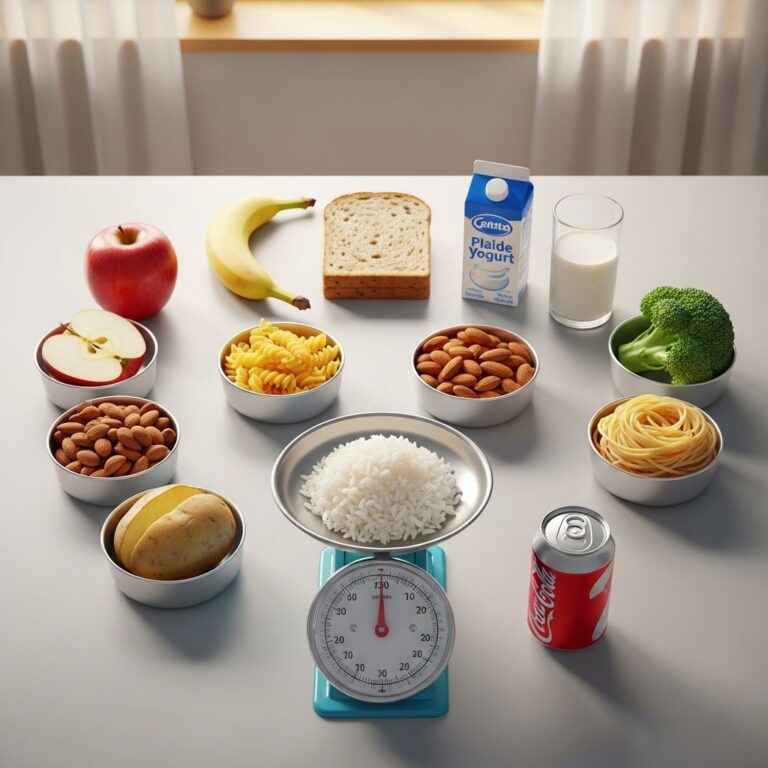
A balanced diet rich in fruits, vegetables, proteins, and omega-3s supports brain health and stabilizes mood. Limit processed sugars and holiday indulgences, which exacerbate depression.
Prioritize 7-9 hours of quality sleep by regulating circadian rhythms: maintain consistent bedtimes, dim lights in evenings, and use morning alarms synced with heating.
Establish a Routine
A predictable daily structure counters SAD’s disorientation. Schedule daylight activities first, prepare clothes the night before, and incorporate small joys like reading or journaling.
This stability boosts motivation and reduces overwhelm during dark mornings.
Stay Connected and Build Support
Social isolation worsens SAD; combat it with calls, virtual meetups, or community groups. Strong support networks reduce depressive symptoms by 20-30% per studies.
Related Stories



Practice relaxation techniques like deep breathing, meditation, or progressive muscle relaxation to break negative thought cycles.
Treatments for SAD
Light Therapy
Light therapy uses a 10,000 lux light box for 30-60 minutes daily, mimicking sunlight to suppress melatonin and elevate serotonin. Start early morning for best results; 60-80% of users see improvement within weeks.[10]
Consult a doctor for proper use to avoid eye strain.
Vitamin D Supplementation
Winter sunlight scarcity impairs vitamin D synthesis, linked to mood disorders. Supplements (1,000-2,000 IU daily) may help, especially if deficient—test via bloodwork.
Talking Therapies and Medication
Cognitive Behavioral Therapy (CBT) tailored for SAD addresses negative patterns, effective long-term. Antidepressants like SSRIs boost serotonin if symptoms are severe.
When to Seek Professional Help
See a GP if symptoms persist over two weeks, interfere with daily life, or include suicidal thoughts. They’ll rule out physical causes like anaemia, thyroid issues, or vitamin deficiencies.
Proactive planning—stocking light boxes or therapy sessions pre-winter—mitigates severity.
Self-Care Activities for Winter
- Journaling to track mood and triggers.
- Creative pursuits like drawing or crafting.
- Podcasts or audiobooks for cozy evenings.
- Mindful walks or yoga indoors.
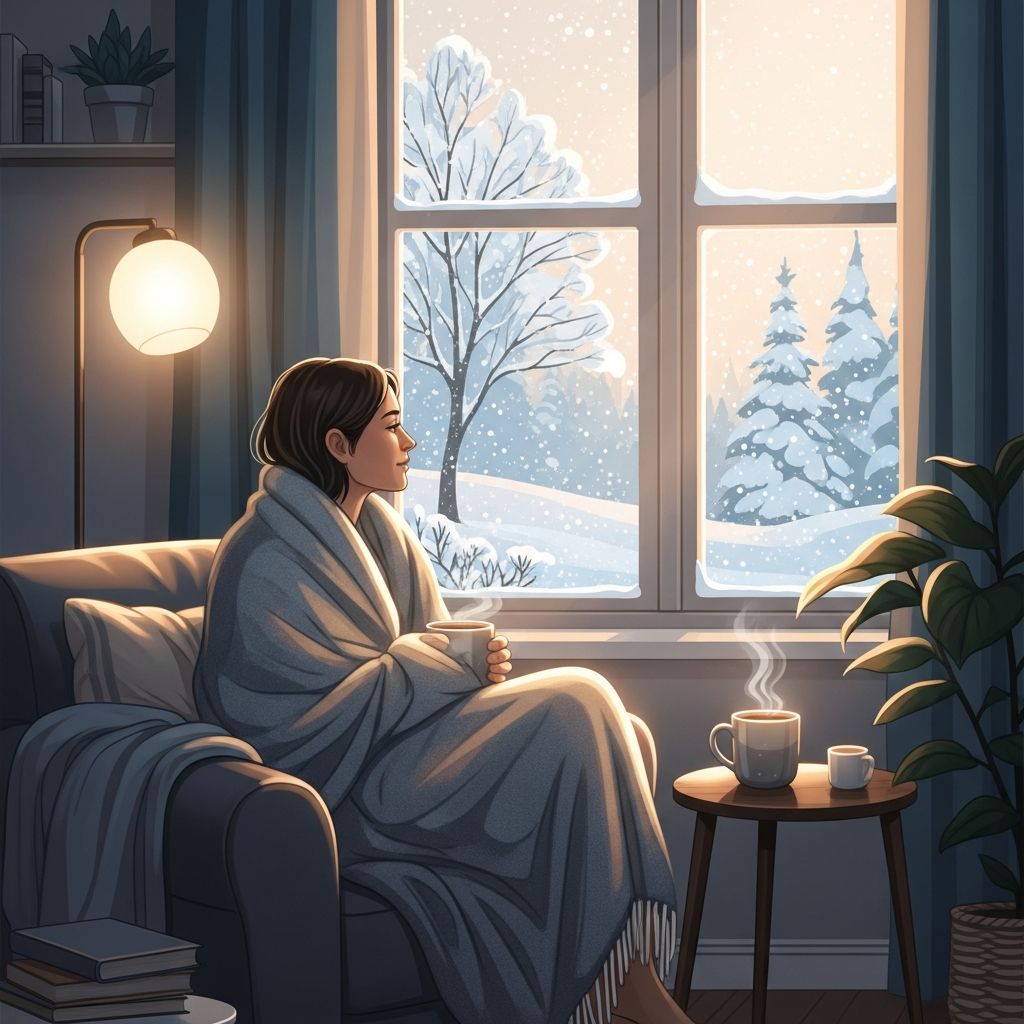
- Cozy comforts: warm drinks, blankets, soft lighting.
Frequently Asked Questions (FAQs)
Is SAD a real medical condition?
Yes, recognized in DSM-5 as a depressive subtype with strong seasonal patterns, though some debate its uniqueness.
How long does light therapy take to work?
Improvements often appear in 1-2 weeks with consistent morning use.[10]
Can diet alone cure SAD?
No, but a nutrient-rich diet supports other treatments by stabilizing mood and energy.
Does SAD affect children?
Rarely, but adolescents may experience milder forms; monitor sleep and mood changes.
How to prevent SAD next winter?
Build routines early, stock vitamin D, plan social activities, and consider light therapy preemptively.
Winter doesn’t have to dim your spirits. Combining light exposure, routine, exercise, and support creates resilience against SAD. Track progress and seek help promptly for optimal wellbeing.
References
- How to Maintain Your Mental Health in Winter — Brown Health. 2023-12-01. https://www.brownhealth.org/be-well/how-maintain-your-mental-health-winter
- Managing your Mental Health this Winter — West London CMHT. 2024-11-15. https://www.wclmind.org.uk/news/managing-your-mental-health-this-winter/
- How to boost your motivation levels during winter — Patient.info. 2024-01-10. https://patient.info/features/mental-health/how-to-boost-your-motivation-levels-during-winter
- How to look after your mental health this winter — Patient.info. 2024-10-20. https://patient.info/features/mental-health/how-to-look-after-your-mental-health-this-winter
- Winter wellness tips: how to cope with SAD — Patient.info. 2023-11-05. https://patient.info/features/mental-health/winter-wellness-tips-how-to-cope-with-sad
- Coping with Seasonal Affective Disorder (SAD) — CAMH. 2024-09-12. https://www.camh.ca/en/camh-news-and-stories/coping-with-seasonal-affective-disorder
Similar Articles








Read full bio of medha deb