Wisdom Teeth: 5 Risks, Symptoms, And Treatment Guide
Comprehensive insights into wisdom teeth: from emergence to extraction decisions and care strategies for optimal oral wellness.
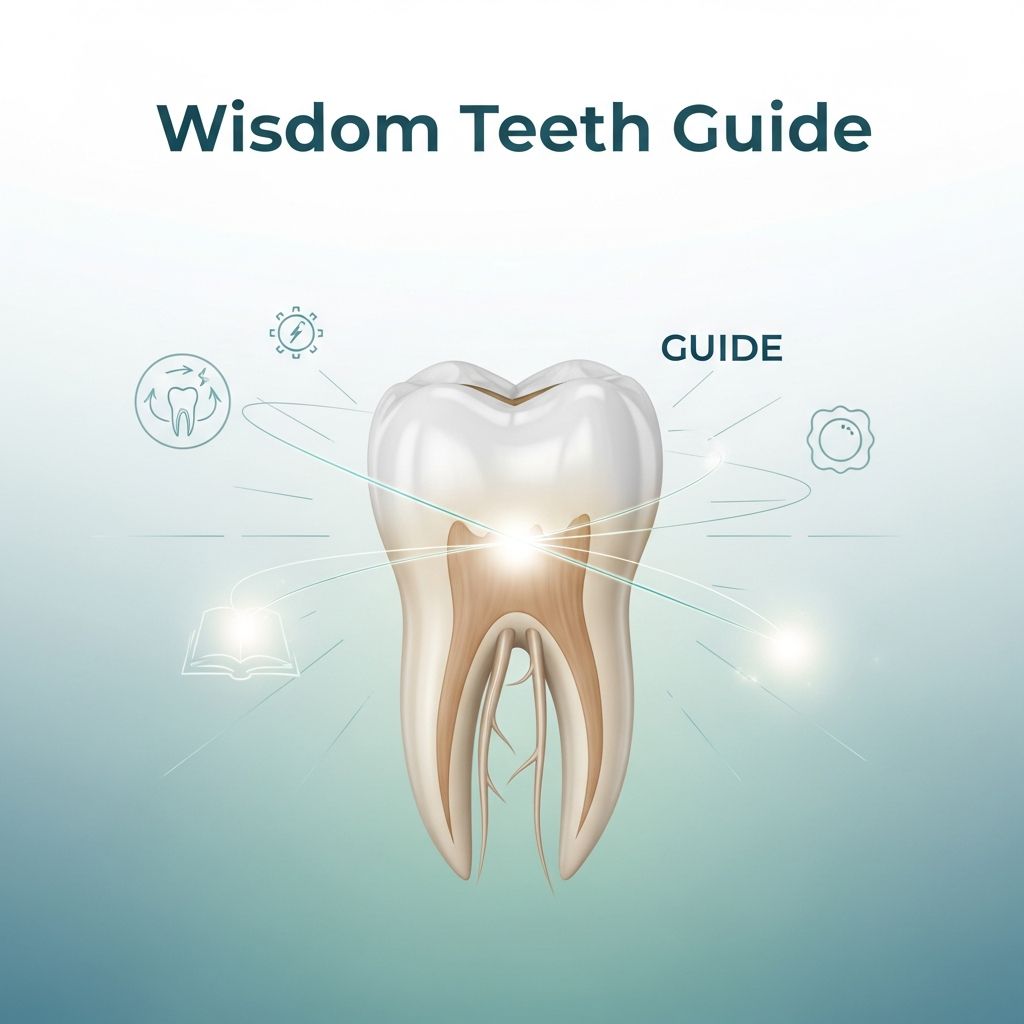
Wisdom teeth, the final molars to appear, typically emerge in late adolescence or early adulthood. Positioned at the rear of the mouth, these third molars can integrate seamlessly or trigger various dental complications requiring professional intervention.
The Anatomy and Timeline of Third Molars
These teeth, known scientifically as third molars, develop between ages 17 and 25, often when the jaw has limited space due to prior tooth alignment. There are four in total—two upper and two lower—residing in the farthest posterior positions. In evolutionary terms, they once aided in grinding tough, fibrous foods, but modern diets and smaller jaws render them largely vestigial.
Not everyone develops all four; some individuals lack one or more, a genetic variation that spares them potential issues. When they do form, X-rays during routine checkups can reveal their position and predict eruption paths.
Common Challenges Posed by Emerging Wisdom Teeth
Space constraints in the contemporary jaw often lead to improper eruption. Impacted wisdom teeth fail to fully emerge, remaining trapped in gum tissue or bone, which fosters bacterial buildup and hygiene difficulties.
- Partial Eruption: Teeth breaking through only halfway create flaps of gum that trap food particles, promoting decay and inflammation.
- Horizontal or Angled Growth: Teeth tilting sideways pressure adjacent molars, risking damage or orthodontic setbacks.
- Crowding Effects: Pressure from emerging teeth can shift front teeth, undoing braces results.
These scenarios elevate risks for cavities, gum disease, and infections, particularly pericoronitis—a painful condition where pus forms under the gum flap.
Recognizing Symptoms of Wisdom Tooth Problems
Many impacted teeth remain asymptomatic, but vigilant monitoring is key. Warning signs include:
- Jaw stiffness or pain, especially when chewing.
- Swollen, red, or bleeding gums around the back molars.
- Persistent bad breath or unpleasant mouth taste from trapped debris.
- Difficulty fully opening the mouth (trismus).
- Headaches or earaches radiating from jaw tension.
- Facial swelling or tender lymph nodes signaling infection.
Early detection via dental exams and panoramic X-rays prevents escalation. Dentists assess tooth angle, root development, and proximity to nerves.
Potential Complications from Untreated Issues
Ignoring problematic wisdom teeth invites severe repercussions. Here’s a breakdown:
| Complication | Description | Risks |
|---|---|---|
| Damage to Adjacent Teeth | Pressure erodes enamel on second molars. | Cavities, root resorption. |
| Cysts or Tumors | Fluid-filled sacs around impacted teeth expand. | Jawbone erosion, nerve impairment; rare benign tumors. |
| Pericoronitis | Inflammation under partial gum coverage. | Pain, fever, swallowing difficulty. |
| Gum Disease | Plaque accumulation leads to periodontitis. | Tooth loss, bone degradation. |
| Infection Spread | Bacteria enter bloodstream. | Abscesses, systemic illness. |
Proactive removal mitigates these, especially in younger patients where bone is softer and recovery swifter.
Professional Evaluation and Diagnostic Tools
Dentists or oral surgeons conduct thorough assessments. Initial steps involve:
- Reviewing symptoms and medical history.
- Visual inspection of gums and bite.
- Panoramic radiographs to visualize all four teeth.
- Cone-beam CT scans for complex cases near nerves.
These tools forecast issues like nerve impingement or cyst formation, guiding preventive strategies.
Indications for Surgical Extraction
Removal isn’t routine; it’s advised when teeth pose current or imminent threats. Key triggers include:
- Active pain, infection, or decay.
- Evidence of adjacent tooth harm.
- Orthodontic interference.
- Preventive cases: high-risk positioning in teens.
Related Stories



Conversely, fully erupted, functional teeth with good hygiene may stay.
The Extraction Procedure Explained
Most extractions occur outpatient under local anesthesia, sedation, or general for intricate cases. Steps include:
- Incision in gum if impacted.
- Bone removal if needed.
- Tooth sectioning for easier extraction.
- Stitches and gauze packing.
Duration varies: simple pulls take 20 minutes; surgical ones up to an hour per side. Post-18-21 ideal for easier healing and lower nerve risks.
Recovery Timeline and Self-Care Protocols
Expect 3-7 days downtime. Initial 24 hours: rest, ice packs for swelling, soft foods.
- Pain Management: Prescribed meds or ibuprofen.
- Hygiene: Gentle saltwater rinses after 24 hours; avoid straws.
- Diet: Yogurt, soups; progress to solids by day 4.
- Activity: No heavy lifting or sports for a week.
Complications like dry socket (clot loss exposing bone) affect 2-5%; contact your surgeon for severe pain or bleeding.
Long-Term Oral Health Strategies Post-Extraction
After healing (2-4 weeks), maintain via brushing, flossing, and checkups. Extraction sites fill with bone over months, preserving jaw integrity. Monitor for rare nerve issues like temporary numbness.
FAQs on Wisdom Teeth Management
Do all wisdom teeth require removal?
No, only if problematic. Asymptomatic, well-positioned ones can remain.
Is extraction painful?
Anesthesia ensures no pain during; post-op discomfort is manageable with meds.
What’s the best age for removal?
16-21: roots underdeveloped, faster recovery, fewer complications.
Can wisdom teeth cause braces to fail?
Yes, by crowding; often removed during ortho treatment.
How to prevent wisdom tooth infections?
Regular dental visits, X-rays, prompt symptom reporting.
Preventive Measures and When to Seek Help
Annual X-rays from age 16 track development. Home care: brush back molars thoroughly, use water flossers for hard reaches. Consult immediately for symptoms to avert emergencies.
In summary, informed decisions with professionals balance retention versus removal for sustained dental health.
References
- Wisdom Teeth: Function & Location — Cleveland Clinic. 2023-10-12. https://my.clevelandclinic.org/health/body/23223-wisdom-teeth
- Overview: Wisdom teeth — InformedHealth.org – NCBI Bookshelf. 2022-08-08. https://www.ncbi.nlm.nih.gov/books/NBK279591/
- Wisdom Teeth — Boston Medical Center. 2024-05-15. https://www.bmc.org/patient-care/conditions-we-treat/db/wisdom-teeth
- Impacted wisdom teeth – Symptoms and causes — Mayo Clinic. 2024-02-20. https://www.mayoclinic.org/diseases-conditions/wisdom-teeth/symptoms-causes/syc-20373808
- Wisdom teeth — Better Health Channel. 2023-11-01. https://www.betterhealth.vic.gov.au/health/conditionsandtreatments/wisdom-teeth
- Wisdom Teeth — MouthHealthy – ADA. 2024-01-10. https://www.mouthhealthy.org/all-topics-a-z/wisdom-teeth
Similar Articles








Read full bio of medha deb