Wisdom Teeth: What They Are and Why Removal May Be Needed
Complete guide to understanding wisdom teeth, extraction procedures, and recovery timelines.
Understanding Wisdom Teeth: A Complete Overview
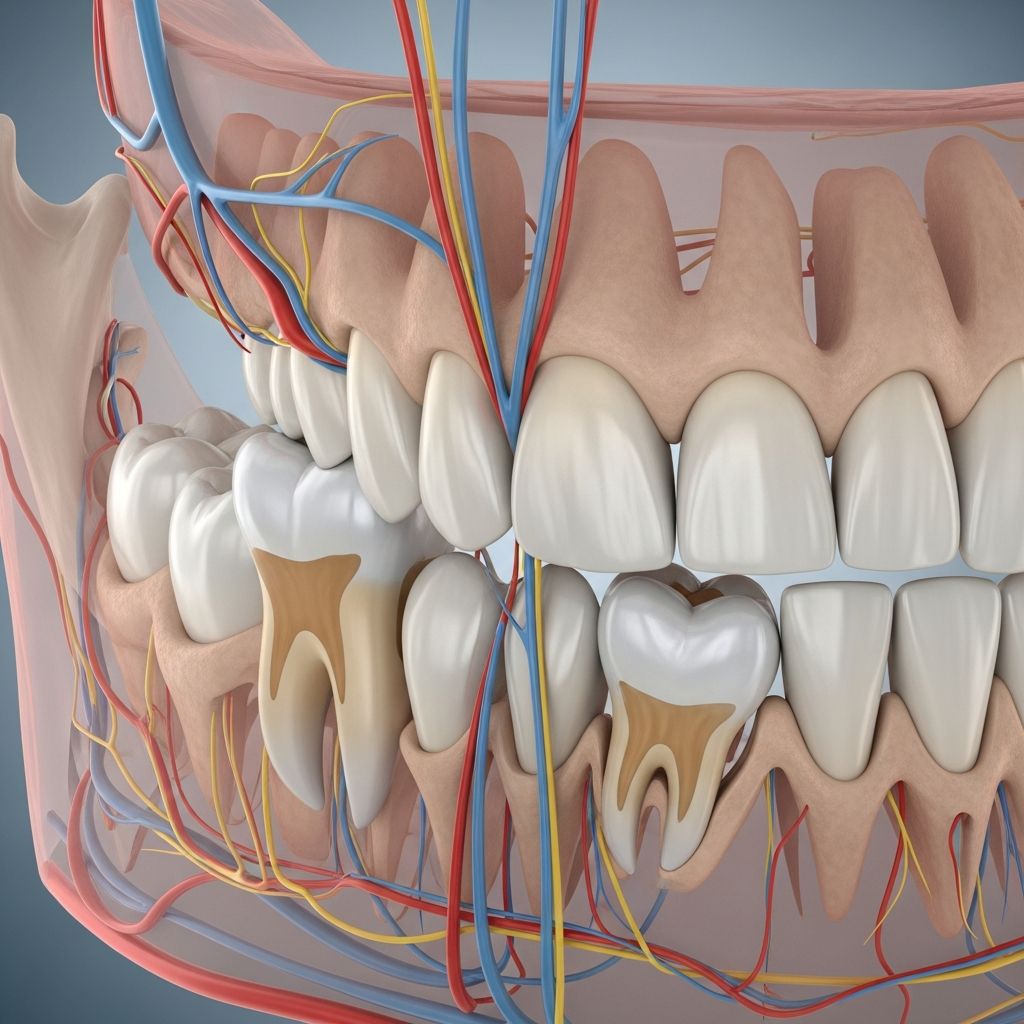
Wisdom teeth are your third molars, the last set of teeth to develop in your mouth. Most adults have four wisdom teeth — one in each corner of your mouth — located at the back of your upper and lower jaws. These teeth typically emerge between the ages of 17 and 25, though they can appear later or never at all. The term “wisdom teeth” comes from the idea that people are older and theoretically wiser when these teeth appear.
While wisdom teeth serve a natural purpose as additional molars for chewing, many people experience problems with them. Approximately 90% of people will have at least one wisdom tooth that becomes impacted or causes complications. Understanding what wisdom teeth are and why they may need removal can help you make informed decisions about your dental health.
What Are Wisdom Teeth?
Wisdom teeth are the third set of molars in your mouth and represent the final stage of tooth development. They are located at the back of your mouth, behind your second molars. These teeth contribute to your chewing function, though most people can chew effectively without them. In evolutionary terms, wisdom teeth were more necessary when our ancestors had larger jaws and needed additional grinding surfaces for their diet.
Today, many people’s jaws are smaller than their ancestors’, which creates crowding and space issues. This anatomical change is one reason why wisdom teeth often become problematic and may require extraction. Your dentist can determine the exact position of your wisdom teeth using dental X-rays during a routine examination.
Why Dentists Recommend Wisdom Teeth Removal
Dentists may recommend wisdom teeth removal for several important reasons related to your overall oral health. Understanding these reasons can help you understand why your dentist might suggest this procedure.
Common Reasons for Extraction
- Impacted wisdom teeth: When wisdom teeth become trapped beneath your gums or in your jawbone, they’re considered impacted. This can cause significant discomfort and potential damage to surrounding teeth.
- Pain and swelling: Wisdom teeth often cause pain in the back of your mouth, along with gum swelling and inflammation. This discomfort can radiate throughout your jaw and affect your quality of life.
- Crowding: Limited jaw space means wisdom teeth may grow in at odd angles, pushing against your other teeth and causing misalignment.
- Infection and decay: Wisdom teeth in the back of your mouth are difficult to clean properly, making them vulnerable to cavities and gum disease.
- Cyst or tumor development: In rare cases, cysts or tumors can develop around impacted wisdom teeth.
- Damage to adjacent teeth: Impacted or misaligned wisdom teeth can harm your second molars and other nearby teeth.
- Preventive extraction: Many dentists recommend removing wisdom teeth as a preventive measure, even before problems develop, to avoid future complications.
The Wisdom Teeth Removal Procedure
Wisdom teeth removal is a common oral surgical procedure that typically takes about an hour to complete. Understanding what happens during the procedure can help ease any anxiety you might feel about the surgery.
Before Your Procedure
Your journey begins with a consultation with an oral surgeon. During this appointment, the surgeon will examine your wisdom teeth and take dental X-rays to determine their exact position and assess any potential complications. This is an important time to discuss any medications, vitamins, or supplements you’re currently taking, as some may affect the procedure or recovery.
Your surgeon will also discuss sedation options with you. Depending on your needs and preferences, you may receive local anesthesia to numb your mouth, nitrous oxide (laughing gas), IV sedation to produce a twilight sleep, or general anesthesia to lose consciousness completely. If you choose IV sedation or general anesthesia, your surgeon will provide detailed pre-operative instructions, which may include fasting after midnight the night before your surgery and stopping certain medications a few days prior.
Related Stories



During the Procedure
On the day of your procedure, your oral surgeon will begin by administering your chosen anesthesia. Once you’re comfortable and numb, the surgeon will make an incision in your gums to access the wisdom teeth. For teeth that are impacted beneath the bone, the surgeon may need to remove some bone to reach the tooth. The tooth may be divided into smaller sections to make removal easier.
Your surgeon will then carefully extract each wisdom tooth. After removal, the empty socket may be stitched closed with dissolvable sutures, and gauze will be packed into the space to control bleeding. The entire process typically takes less than an hour, though complex cases may require additional time.
After Your Procedure
After wisdom teeth removal, you can expect mild discomfort, slight bleeding, and some swelling. Your oral surgeon will provide you with detailed post-operative instructions to help manage these side effects. Before you leave the office, you’ll be given time to recover. A trusted friend or family member must drive you home, especially if you’ve received IV or general anesthesia, as these require time to wear off completely.
Recovery Timeline and What to Expect
Understanding the recovery timeline helps you prepare for life after your procedure. While everyone’s healing process is slightly different, most people follow a similar recovery pattern.
First Week Recovery
The first few days after surgery are typically the most uncomfortable. Expect mild to moderate pain, swelling, and some bleeding. Your jaw may feel stiff and tender. You’ll need to apply ice to your cheeks for the first 24 to 48 hours to minimize swelling. Sleep with your head elevated on extra pillows to reduce swelling and discomfort.
During this period, stick to soft foods like yogurt, pudding, eggs, and smoothies. Avoid hot foods and beverages, as heat can increase bleeding and swelling. Don’t use a straw, as the suction can disturb the healing socket and cause dry socket, a painful complication.
Second Week and Beyond
By the end of the first week, most swelling and discomfort begin to subside. Many people can return to school, work, and other normal routines within three to five days, though they should avoid strenuous activity and exercise for at least a week. Full recovery typically takes one to two weeks on average.
Continue following your surgeon’s post-operative instructions during this period. Gradually introduce normal foods back into your diet as your mouth heals. Most people can resume regular eating habits within two weeks, though some may need a bit longer depending on the complexity of their extraction.
Signs of Complications
While wisdom teeth removal usually doesn’t result in long-term complications, contact your oral surgeon immediately if you experience severe pain not relieved by medication, excessive bleeding that doesn’t stop after 30 minutes of pressure, signs of infection (fever, pus, increasing swelling after day three), difficulty breathing or swallowing, or numbness that persists beyond a few weeks.
Managing Post-Extraction Discomfort
Your oral surgeon will provide specific instructions for managing pain and swelling during your recovery. Here are general guidelines many patients find helpful:
Pain Management
Take prescribed pain medication as directed by your surgeon. Over-the-counter pain relievers may also help, but always follow your surgeon’s recommendations. Don’t skip doses; staying ahead of pain is easier than trying to manage it once it’s severe.
Swelling Reduction
Apply ice packs to the outside of your cheeks for 20 minutes on and 20 minutes off during the first 24 to 48 hours. After 48 hours, switch to heat if swelling persists. Use a humidifier to keep the air moist, which can help reduce discomfort.
Oral Care
Gently rinse with warm salt water (one-half teaspoon salt in eight ounces of water) starting 24 hours after surgery, especially after meals. Avoid vigorous rinsing or spitting. Be gentle when brushing your teeth near the extraction sites.
Best Age for Wisdom Teeth Removal
While wisdom teeth can be removed at any age, dentists often recommend extraction during your late teens or early twenties. At this age, the roots of wisdom teeth aren’t fully formed, making extraction easier and recovery faster. The bone is also less dense in younger patients, which generally means less trauma during the procedure.
However, there’s no upper age limit for wisdom teeth removal. Many people have their wisdom teeth extracted well into adulthood. If you’re concerned about your wisdom teeth at any age, consult with your dentist to determine the best course of action for your individual situation.
Preventive Extraction vs. Symptomatic Removal
Many dentists recommend preventive wisdom teeth extraction even if you’re not experiencing symptoms. This approach removes the teeth before problems develop, potentially saving you from future pain, infection, and complications. Preventive extraction can reduce your risk for tooth decay, gum disease, and damage to adjacent teeth.
However, some dentists take a “wait and see” approach, removing wisdom teeth only if they cause problems. Discuss your individual situation with your dentist to decide which approach is right for you. Factors like your family history, jaw size, and the position of your wisdom teeth all influence this decision.
Special Considerations for Different Patient Groups
Certain patients may have additional considerations for wisdom teeth removal. If you have a history of medical treatments like radiation to the head or neck, organ transplant, or heart surgery, you may feel more comfortable having your wisdom teeth removed in a hospital setting rather than an office. Discuss your medical history with your oral surgeon to determine the best setting for your procedure.
Patients with dental anxiety should communicate their concerns with their surgical team. Sedation options are available to help you feel comfortable during the procedure. Your surgeon can discuss which sedation level is appropriate for you based on your anxiety level and medical history.
Frequently Asked Questions About Wisdom Teeth
Q: Do everyone’s wisdom teeth need to be removed?
A: No, not everyone needs their wisdom teeth removed. If your wisdom teeth erupt properly, don’t cause pain, and can be cleaned effectively, they may not need extraction. However, many dentists recommend preventive removal to avoid future problems.
Q: How long does it take to recover from wisdom teeth removal?
A: Most people can resume normal activities within three to five days. Full recovery typically takes one to two weeks. However, individual recovery times vary based on the complexity of the extraction and how well you follow post-operative care instructions.
Q: What should I eat after wisdom teeth removal?
A: Stick to soft, cool foods for the first few days, such as yogurt, pudding, smoothies, applesauce, and ice cream. Avoid hot foods, foods with seeds or fine grains, and hard or crunchy foods. Gradually return to your normal diet as your mouth heals.
Q: Will removing my wisdom teeth affect my bite?
A: Removing wisdom teeth shouldn’t negatively affect your bite if they were impacted or causing crowding. In fact, extraction may improve your bite by eliminating pressure on your other teeth.
Q: Is wisdom teeth removal painful?
A: The extraction itself shouldn’t be painful because you’ll be numbed with anesthesia. After the procedure, you may experience discomfort and mild pain, which is manageable with prescribed or over-the-counter pain medication and following post-operative care instructions.
Q: Can I drive after wisdom teeth removal?
A: No, you should not drive after wisdom teeth removal, especially if you received IV sedation or general anesthesia. You must have a trusted friend or family member drive you home. It’s recommended to have someone stay with you for at least 24 hours after surgery.
Q: What are the risks and complications of wisdom teeth removal?
A: Wisdom teeth removal is a safe procedure with minimal risk. Rare complications may include dry socket, nerve damage causing temporary or permanent numbness, infection, or excessive bleeding. Your surgeon can discuss specific risks based on your individual situation.
Q: When should I see my dentist after wisdom teeth removal?
A: Follow your surgeon’s post-operative instructions regarding follow-up appointments. Most patients return for a check-up about one week after surgery. Contact your surgeon immediately if you experience severe symptoms or signs of complications.
References
- Wisdom Teeth Removal: Procedure & Recovery — Cleveland Clinic. 2023-05-22. https://my.clevelandclinic.org/health/treatments/22119-wisdom-teeth-removal
- Wisdom Teeth Removal — Cleveland Clinic. https://my.clevelandclinic.org/services/wisdom-teeth-removal
- Impacted Wisdom Teeth: Symptoms, Signs, Removal & Recovery — Cleveland Clinic. 2022-01-21. https://my.clevelandclinic.org/health/diseases/22296-impacted-wisdom-teeth
- What To Do After Wisdom Teeth Removal — Cleveland Clinic Health. https://health.clevelandclinic.org/wisdom-teeth-recovery
- Teeth: Anatomy, Types, Function & Care — Cleveland Clinic. https://my.clevelandclinic.org/health/body/24655-teeth
Similar Articles








Read full bio of Sneha Tete