Wisdom Teeth Removal: Complete Guide To Procedure And Recovery
Everything you need to know about wisdom teeth removal: when it's necessary, the procedure, recovery, risks, and FAQs.
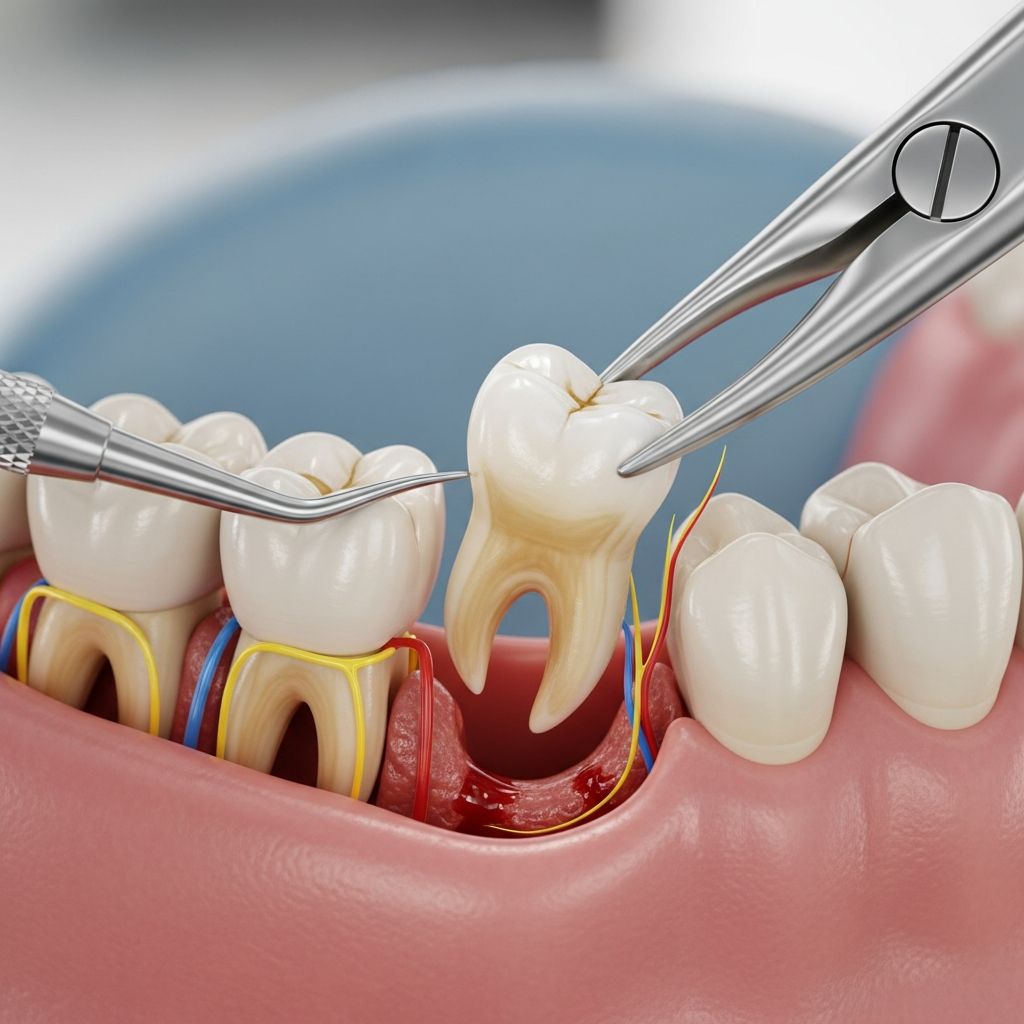
Wisdom teeth removal is a common oral surgery procedure performed to extract the third molars, often due to impaction, crowding, or infection risks. This surgery prevents complications like pain, decay, and misalignment when these late-emerging teeth pose threats to oral health.
What Are Wisdom Teeth?
Wisdom teeth, or third molars, are the final set of molars that typically emerge between ages 17 and 25. In evolutionary terms, they may have aided early humans in grinding tough, fibrous foods, but modern jaws often lack space for them, leading to issues like impaction or crowding.
These teeth develop at the back of the mouth, one on each side of the upper and lower jaws. Not everyone experiences problems; healthy, fully erupted wisdom teeth that align properly and can be cleaned effectively may not require removal.
Why Do Wisdom Teeth Need to Be Removed?
Wisdom teeth often require extraction due to insufficient jaw space, causing them to become impacted—trapped in the gum or bone—or partially erupted, creating hygiene challenges. Common indicators for removal include:
- Pain or discomfort near the back of the mouth.
- Repeated infections of surrounding soft tissue.
- Cysts or tumors forming around impacted teeth, potentially damaging nearby roots or bone.
- Damage to adjacent teeth, such as crowding or decay.
- Gum disease or cavities that cannot be restored due to position.
- Interference with braces or other orthodontic treatments.
Dentists may recommend proactive removal in young adults (ages 15-22) because roots are not fully formed, jawbone is less dense, and recovery is quicker. However, asymptomatic wisdom teeth that are healthy, fully grown, positioned correctly, and maintainable do not always need extraction.
Signs You May Need Wisdom Teeth Removal
Early symptoms signal potential problems. Watch for:
- Jaw stiffness or swelling.
- Pain when chewing or opening the mouth.
- Bleeding or bad breath from the area.
- Difficulty fully opening the mouth (trismus).
X-rays are essential for diagnosis, revealing impaction types: soft tissue (covered by gum), partial bony (partially in bone), or full bony (fully embedded). Per the American Dental Association, extraction is advised for active issues like widespread decay or cysts.
When to See a Dentist About Wisdom Teeth
Consult a dentist or oral surgeon promptly if you notice pain, swelling, or infection signs. Routine check-ups with panoramic X-rays detect issues early. Decisions should weigh current problems against future risks, such as cyst formation or orthodontic interference.
Every case is unique; discuss with your provider to evaluate if monitoring or removal is best.
How Dentists and Oral Surgeons Evaluate Wisdom Teeth
Evaluation starts with a clinical exam and X-rays to assess tooth position, root development, bone density, and proximity to nerves. This determines anesthesia type and surgical complexity. Oral surgeons handle impacted cases, while general dentists manage simple extractions.
Types of Wisdom Teeth Impaction
Impactions vary:
- Soft tissue impaction: Tooth has erupted but gum covers part, trapping food and bacteria.
- Partial bony impaction: Tooth angled, partially covered by bone.
- Full bony impaction: Completely encased in jawbone, often horizontal.
- Vertical, mesial, distal, or horizontal orientations affect extraction difficulty.
Related Stories



Preparing for Wisdom Teeth Removal
Preparation includes:
- Medical history review for anesthesia risks.
- Fasting 6-8 hours if sedation or general anesthesia is used.
- Arranging a ride home.
- Avoiding blood thinners like aspirin; opt for ibuprofen if approved.
Inform your surgeon of allergies, medications, or conditions like heart disease.
The Wisdom Teeth Removal Procedure
The surgery, lasting 30-60 minutes per side, uses local anesthesia, IV sedation, or general anesthesia for comfort.
Steps:
- Incision: Gum cut to expose tooth.
- Bone removal: Drilling if needed for access.
- Tooth sectioning: Cutting tooth into pieces for easier removal.
- Extraction: Teeth pulled from sockets.
- Closure: Stitches (dissolvable or removable) and gauze packing.
Post-procedure, rest in recovery before discharge.
Anesthesia Options for Wisdom Teeth Removal
| Type | Description | Best For |
|---|---|---|
| Local Anesthesia | Numbing injections; awake but painless. | Simple extractions. |
| IV Sedation (Conscious) | Intravenous drugs for drowsiness; responsive. | Moderate anxiety or multiple teeth. |
| General Anesthesia | Unconscious via gas/IV; hospital setting. | Complex cases or high anxiety. |
Wisdom Teeth Removal Recovery Timeline
Recovery spans 3-14 days:
- Day 1: Bleeding, swelling peak; rest, ice packs (20 min on/off).
- Days 2-3: Swelling subsides; soft foods, pain meds.
- Week 1: Resume light activities; stitches out if non-dissolvable.
- Week 2+: Full healing; avoid strenuous exercise initially.
Youth recover faster due to denser bone in older patients.
Wisdom Teeth Removal Aftercare Instructions
Key tips:
- Bleeding control: Bite gauze 30-45 min; replace as needed.
- Swelling/Pain: Ice first 24 hrs, then heat; take prescribed ibuprofen/acetaminophen.
- Diet: Cold, soft foods (yogurt, pudding); avoid straws, hot/spicy.
- Hygiene: Gentle saltwater rinses after 24 hrs; no vigorous brushing.
- Activity: No smoking, alcohol, or driving post-sedation.
Follow-up ensures proper healing.
Diet After Wisdom Teeth Removal
Progress from liquids to soft solids:
- Days 1-2: Smoothies, applesauce, ice cream (no nuts/chunks).
- Days 3-5: Mashed potatoes, scrambled eggs, yogurt.
- After Day 5: Soft pasta, fish; gradual return to normal.
Hydrate; avoid carbonated drinks.
Pain Management After Wisdom Teeth Removal
Manage with OTC painkillers like ibuprofen (anti-inflammatory) or acetaminophen. Avoid aspirin to prevent bleeding. Opioids for severe pain, short-term.
When to Call Your Dentist After Wisdom Teeth Removal
Seek care for:
- Fever over 101°F.
- Excessive bleeding after 24 hrs.
- Severe pain not relieved by meds.
- Swelling worsening after Day 3.
- Pus or foul odor.
Risks and Complications of Wisdom Teeth Removal
Common risks (low incidence):
- Dry socket: Blood clot loss, exposing bone (5-10% risk lower teeth); painful, treatable.
- Infection: Rare with antibiotics if needed.
- Nerve injury: Temporary numbness (lips, tongue); permanent rare (<1%).
- Bleeding/Swelling: Normal initially.
Youth have fewer complications.
Benefits of Removing Wisdom Teeth
Extraction improves oral health by:
- Preventing crowding/misalignment.
- Reducing infection/cavity risk.
- Alleviating pain from impaction.
- Avoiding cysts damaging bone/teeth.
- Enhancing hygiene and confidence.
Cost of Wisdom Teeth Removal
Costs vary: $75-$200 per tooth (simple); $225-$600 (impacted) without insurance. Full mouth: $1,500-$4,000. Insurance often covers if medically necessary.
Wisdom Teeth Removal While Pregnant
Elective removal avoided; emergencies in second trimester with local anesthesia possible. Consult OB-GYN.
Frequently Asked Questions (FAQs)
Do you need all 4 wisdom teeth removed?
Not always; depends on individual X-rays and issues. Problematic ones are extracted.
Is wisdom teeth removal painful?
No during procedure due to anesthesia; post-op soreness managed with meds.
How long does wisdom teeth removal take?
30-60 minutes for all four; outpatient.
Can I drive home after wisdom teeth removal?
No if sedated; arrange transport.
What happens if you don’t remove wisdom teeth?
Risks include impaction, infection, cysts, crowding.
References
- How Wisdom Teeth Extraction Can Improve Your Oral Health — Center for OMS. 2023. https://www.centerforoms.com/blog/how-wisdom-teeth-extraction-can-improve-your-oral-health/
- Wisdom teeth removal: When is it necessary? — Mayo Clinic. 2024-05-15. https://www.mayoclinic.org/diseases-conditions/wisdom-teeth/expert-answers/wisdom-teeth-removal/faq-20058558
- Wisdom Teeth — American Dental Association (MouthHealthy). 2025. https://www.mouthhealthy.org/all-topics-a-z/wisdom-teeth
- Should you have your wisdom teeth removed? — NCBI Bookshelf (InformedHealth.org). 2023-11-01. https://www.ncbi.nlm.nih.gov/books/NBK279590/
- Your Complete Guide to Wisdom Teeth Removal — ProGrin Dental. 2024. https://progrin.com/blog/your-complete-guide-to-wisdom-teeth-removal/
Similar Articles








Read full bio of Sneha Tete