Wisdom Teeth Complete Guide: Symptoms, Extraction & Aftercare
Everything you need to know about wisdom teeth: symptoms, extraction, recovery, and when to see a dentist for optimal oral health.
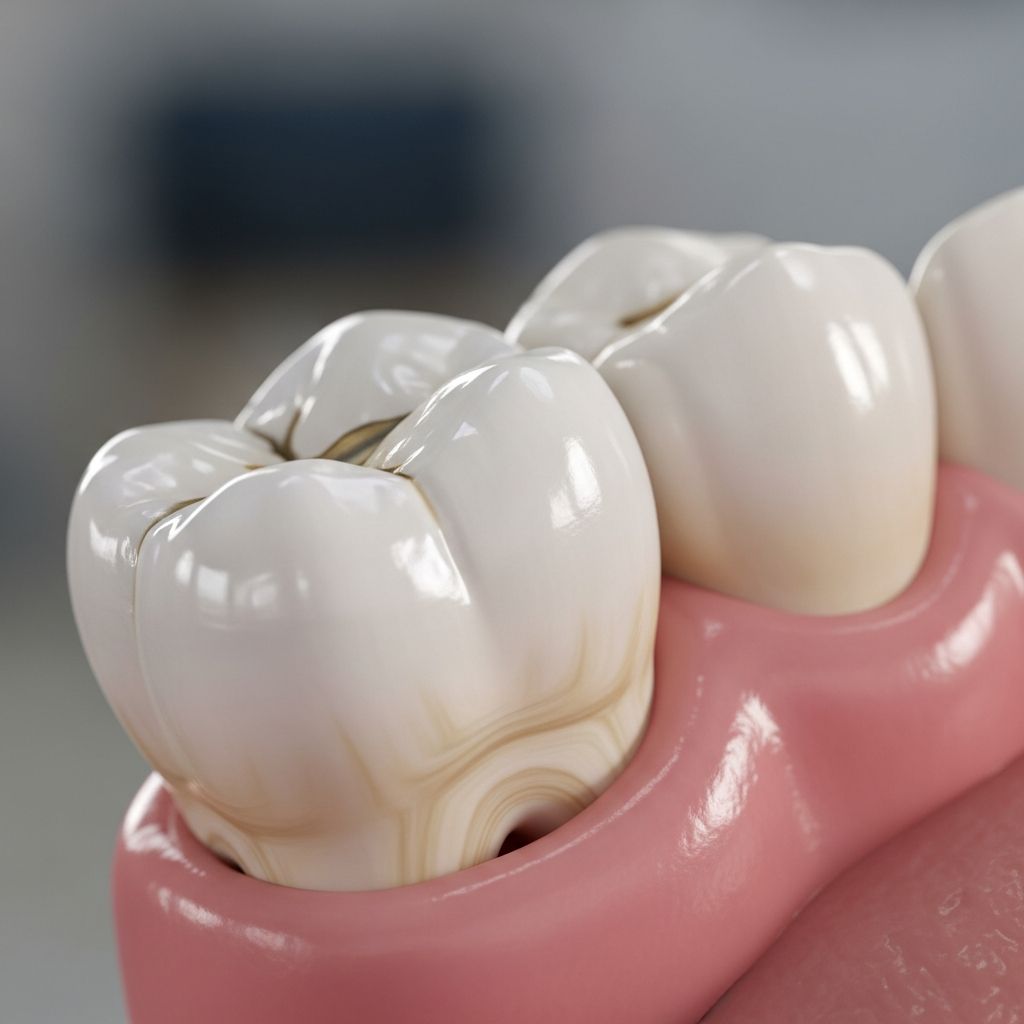
Wisdom teeth, also known as third molars, are the last set of molars to emerge, typically between ages 17 and 25. While they once aided our ancestors in chewing tough foods, modern jaws often lack space for them, leading to complications like impaction, pain, and infection. This guide covers symptoms, diagnosis, extraction procedures, recovery, risks, and prevention strategies based on authoritative dental health sources.
What Are Wisdom Teeth?
Wisdom teeth are the four permanent molars located at the back of the mouth—two on the top and two on the bottom. They usually erupt during late adolescence or early adulthood, a period historically associated with gaining ‘wisdom,’ hence the name. Not everyone develops all four; some have fewer, more, or none at all.34
These teeth served a purpose for early humans consuming raw, fibrous diets requiring extra grinding power. However, evolutionary changes in diet and jaw size have made them largely vestigial. Today, they frequently cause issues due to insufficient jaw space.17
Problems Caused by Wisdom Teeth
When wisdom teeth lack room to erupt properly, they can lead to various oral health challenges. Common issues include:
- Impaction: The tooth becomes trapped in the gum or jawbone, growing at an angle. Approximately 90% of people experience this, per the American Association of Oral and Maxillofacial Surgeons.24
- Crowding and Misalignment: They push against other teeth, causing shifting and orthodontic relapse.
- Infection and Decay: Partial eruption creates flaps of gum where food traps, fostering bacteria, cavities, and gum disease (pericoronitis).
- Pain and Swelling: Impacted teeth cause discomfort, jaw stiffness, and cheek ulcers from rubbing.3
- Damage to Adjacent Teeth: Resorption of neighboring molar roots or cysts formation eroding bone.16
Even asymptomatic wisdom teeth can harbor hidden problems, potentially leading to systemic issues like bloodstream infections affecting the heart or kidneys if bacteria spread.2
Symptoms of Problematic Wisdom Teeth
Signs that your wisdom teeth may need attention include:
- Jaw pain or tenderness near the back of the mouth.
- Swelling of gums or face.
- Difficulty opening the mouth fully (trismus).
- Bad breath (halitosis) or unpleasant taste from infection.
- Gum inflammation or bleeding around the area.
- Headaches or earaches radiating from the jaw.
- Visible crowding or shifting of front teeth.34
If you experience these, consult a dentist promptly, as early intervention prevents worsening.
Diagnosis: How Dentists Evaluate Wisdom Teeth
Dentists diagnose issues via:
- Clinical Exam: Visual inspection and palpation for swelling or partial eruption.
- X-rays: Panoramic radiographs reveal impaction angle, position, and relation to nerves/bone.
- CBCT Scans: For complex cases, providing 3D images.4
Regular check-ups are crucial, even without symptoms, as silent problems can develop.2
When Should Wisdom Teeth Be Removed?
Removal is recommended if:
- Teeth are impacted or partially erupted.
- Causing pain, infection, cysts, or damage to other teeth.
- Insufficient space risks future crowding/decay.
- Patient is young (teens/early 20s), when roots are less developed and recovery is easier.4
Experts debate prophylactic removal of asymptomatic teeth. Mayo Clinic notes many specialists advocate early extraction to avert later complications, though NCBI states no proven benefits for non-problematic cases. Decision depends on individual risk assessment.45
Related Stories



The Wisdom Teeth Extraction Procedure
Extraction is a common outpatient surgery performed by oral surgeons or dentists.
Preparation
- Consultation and imaging review.
- Discuss anesthesia: local, nitrous, IV sedation, or general.
- Fast if sedation used; inform about medications/allergies.
Steps
- Anesthesia administered for comfort.
- Incision in gum if needed; bone removal for impacted teeth.
- Tooth sectioned into pieces for easier removal.
- Gum sutured; gauze for bleeding control. Procedure lasts 30-60 minutes per tooth.4
Post-op instructions provided immediately.
Recovery After Wisdom Teeth Removal
Recovery typically spans 3-7 days for simple cases, longer for impacted ones.
Timeline
| Day | Expectations |
|---|---|
| Day 1-2 | Bleeding, swelling peaks, pain managed with meds. Rest, ice packs (20 min on/off). |
| Day 3-5 | Swelling subsides; soft foods. Avoid straws/smoking. |
| Week 1+ | Return to work/school; sutures dissolve or removed. |
Aftercare Tips
- Bleeding: Bite gauze 30-45 min; replace as needed.
- Pain/Swelling: Ibuprofen/acetaminophen; ice first 24 hrs, heat after.
- Diet: Cold, soft foods (yogurt, pudding); progress to normal.
- Hygiene: Gentle saltwater rinses Day 2; no vigorous brushing.
- Activity: No heavy lifting/strenuous exercise 3-5 days.
- Avoid tobacco, alcohol, straws to prevent dry socket.14
Risks and Complications
Complications are rare (<10%), especially in youth:
- Dry Socket: Blood clot dislodges (2-5% risk); severe pain 3-5 days post-op.
- Infection: Signs: fever, pus; antibiotics if needed.
- Nerve Injury: Temporary numbness in lip/tongue (resolves); rare permanent cases.
- Swelling/Bruising: Normal, peaks Day 2-3.
Contact your surgeon for excessive bleeding, fever >101°F, or worsening pain.4
Benefits of Wisdom Teeth Removal
Proactive extraction prevents:
- Overcrowding and misalignment.1
- Infections extending to bloodstream.2
- Cavities/gum disease in hard-to-reach areas.
- Pain and costly future treatments.6
Patients often report brighter smiles and boosted confidence post-recovery.
Cost of Wisdom Teeth Removal
Costs vary: $75-$200 per tooth without insurance; $225-$600 with. Full four-tooth surgery: $1,500-$4,000. Insurance often covers if medically necessary. Factors: complexity, anesthesia, location.4
Alternatives to Extraction
Rarely viable:
- Monitoring asymptomatic teeth with X-rays.
- Improved hygiene/oral appliances (seldom sufficient).
Extraction remains gold standard for problematic cases.5
Frequently Asked Questions (FAQs)
Do all wisdom teeth need to be removed?
No, only if causing problems or high risk. Some erupt fully without issues.35
Is wisdom teeth removal painful?
No, anesthesia ensures comfort during; post-op pain managed effectively with meds.
How long does recovery take?
3-7 days for most; full healing 1-2 weeks.
Can I drive after surgery?
No, if sedation used; arrange ride home.
What if I delay removal?
Risks increase with age: harder surgery, more complications.4
Are there long-term benefits?
Yes, prevents crowding, infections, and preserves adjacent teeth health.1
Prevention and Oral Health Tips
Maintain check-ups, brush/floss diligently, especially back molars. Early detection via X-rays key.23
References
- Wisdom Tooth Extraction Can Improve Your Oral Health — Center for OMS. 2023. https://www.centerforoms.com/blog/how-wisdom-teeth-extraction-can-improve-your-oral-health/
- Understanding Wisdom Teeth: Importance and Risks — Dentist in West Columbia. 2024. https://dentistinwestcolumbia.com/understanding-wisdom-teeth-importance-and-risks-dr-christopher-newman/
- Wisdom Teeth — Better Health Channel (Vic.gov.au). 2023-10-01. https://www.betterhealth.vic.gov.au/health/conditionsandtreatments/wisdom-teeth
- Wisdom Tooth Removal — Mayo Clinic. 2024-08-15. https://www.mayoclinic.org/tests-procedures/wisdom-tooth-extraction/about/pac-20395268
- Should You Have Your Wisdom Teeth Removed? — NCBI Bookshelf. 2019-07-23. https://www.ncbi.nlm.nih.gov/books/NBK279590/
- Everything You Need to Know About Wisdom Teeth — UT Knoxville Dentists. 2023. https://utknoxvilledentists.com/everything-you-need-to-know-about-wisdom-teeth/
Similar Articles








Read full bio of medha deb