Women’s Guide to Selective Supplement Use
Learn when supplements truly benefit women's health and when dietary sources are best.
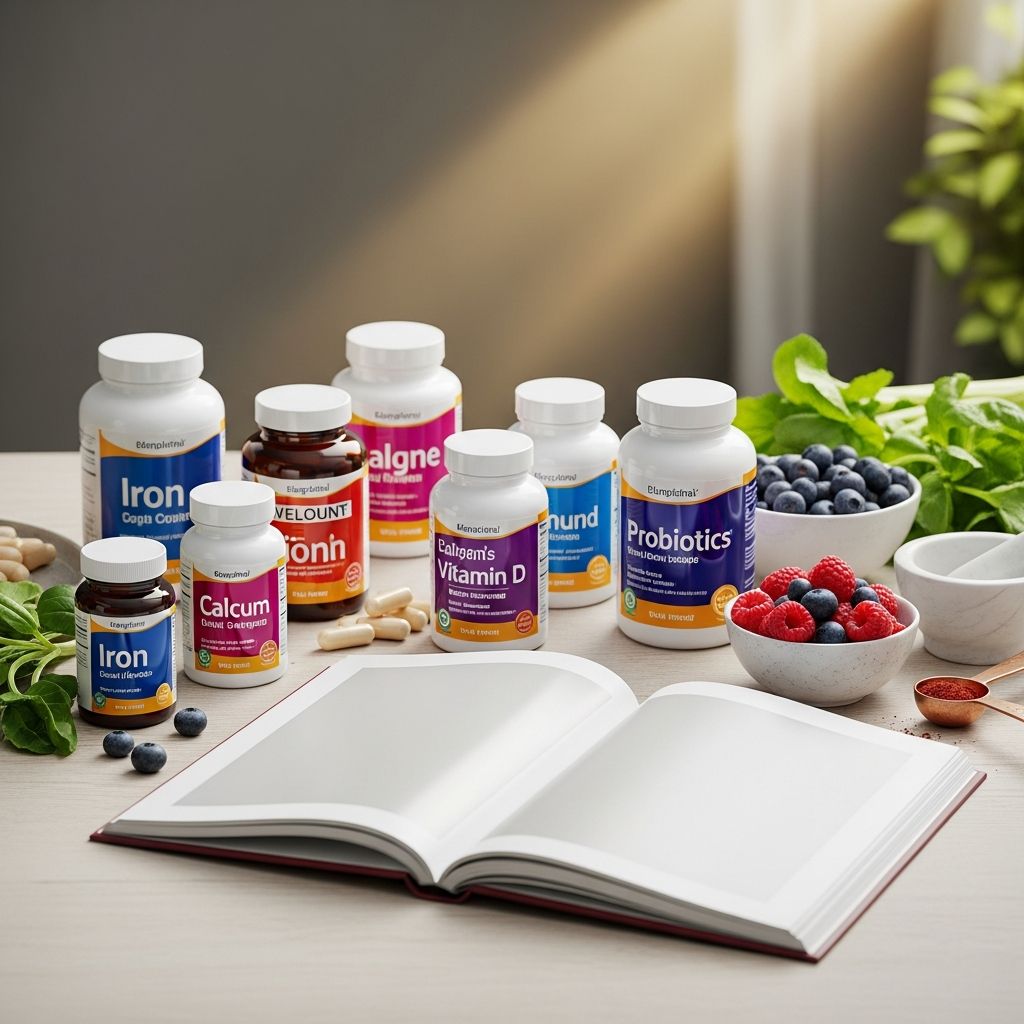
The supplement industry generates billions of dollars annually, with women representing a significant portion of consumers purchasing vitamins, minerals, herbs, and other nutritional products. Despite widespread use, many women lack clear guidance on whether these supplements truly improve their health or simply empty their wallets. The evidence suggests a more nuanced picture: some supplements offer genuine benefits for specific populations, while others provide little benefit and may carry unexpected risks.
Understanding the Supplement Landscape
Dietary supplements encompass a broad category of products including vitamins, minerals, herbs, amino acids, and other botanical compounds. Unlike pharmaceutical drugs, supplements face different regulatory standards. The FDA does not require supplements to demonstrate safety and efficacy before market entry, nor must manufacturers prove their claims through rigorous clinical trials. This fundamental difference in regulation creates a challenging environment for consumers trying to make informed decisions about supplement use.
Research indicates that approximately half the population uses at least one dietary supplement regularly, with one-third taking multivitamins specifically. Despite this widespread consumption, large-scale randomized controlled trials evaluating supplement safety and effectiveness remain limited. The absence of robust clinical evidence for many popular supplements makes it difficult for women to distinguish between products with genuine health benefits and those relying primarily on marketing claims.
The Case for Selective Supplementation
Rather than adopting an all-or-nothing approach to supplements, evidence-based practice suggests selective use targeting specific health needs and population groups. Several categories of women demonstrate clear benefits from supplementation when particular nutritional gaps exist.
Women of Childbearing Age
Women planning pregnancy or currently pregnant represent one of the clearest candidates for supplementation. Folic acid supplementation significantly reduces the risk of neural tube defects, and current guidelines recommend adequate intake before conception and throughout pregnancy. Women of childbearing age who consume inadequate dietary folate should strongly consider supplementation, as this represents one of the most evidence-supported supplement recommendations for this population.
Bone Health in Postmenopausal Women
Women over 65 years old and postmenopausal women with bone health concerns may benefit from calcium and vitamin D supplementation. Declining estrogen levels after menopause accelerate bone loss, and many women struggle to obtain adequate calcium and vitamin D through diet alone. Research supports supplementation for maintaining bone density and reducing fracture risk in these populations, making this another evidence-based indication for supplement use.
Individuals with Malabsorption Issues
Women taking certain medications that interfere with nutrient absorption may benefit from supplementation. Individuals using proton pump inhibitors for acid reflux, those with fat malabsorption syndromes, or people with specific gastrointestinal conditions may have legitimate supplementation needs. In these cases, targeted supplementation addresses demonstrable nutritional gaps rather than pursuing general wellness claims.
The Multivitamin Question
Perhaps no supplement receives more attention than the daily multivitamin. Despite decades of use and billions of dollars spent annually, the evidence supporting multivitamin supplementation remains surprisingly modest. Large-scale randomized controlled trials have failed to demonstrate consistent benefits for disease prevention in generally healthy, well-nourished populations.
Related Stories



The most comprehensive evidence comes from studies like the Physicians’ Health Study and the ongoing COSMOS trial evaluating multivitamins in women. Results show only modest benefits, with some studies finding approximately an 8% reduction in cancer risk among men taking multivitamins—a small effect that does not extend consistently to other health outcomes. Multivitamins have not been shown to prevent heart disease, cognitive decline, or other major health conditions in well-nourished individuals.
For women eating a reasonably varied diet with adequate calories, multivitamins offer minimal benefit. Time and money invested in improving dietary quality through whole foods typically yields better health outcomes than relying on multivitamin supplementation.
High-Dose Supplements and Associated Risks
While many people assume that supplements are harmless because they come from natural sources or are available without prescription, emerging research has identified specific risks associated with high-dose supplementation. Women considering megadose supplements should understand potential adverse effects.
Beta-Carotene and Lung Cancer
Smokers and former smokers taking high-dose beta-carotene supplements face an increased risk of lung cancer, a finding established through multiple large-scale trials. This represents a clear example of how supplements marketed for health benefits can actually increase disease risk in specific populations.
Vitamin E and Cardiovascular Concerns
High-dose vitamin E supplementation has been associated with increased risk of heart failure, all-cause mortality, and prostate cancer in some study populations. These findings contradict earlier beliefs that antioxidant supplements universally protected cardiovascular health, illustrating how supplement-related research continues to reveal unexpected risks.
Megadose Vitamins and Minerals
Even water-soluble vitamins and generally considered-safe minerals can pose risks when consumed in megadoses for extended periods. Excessive vitamin C, B vitamins, and mineral supplementation may cause adverse effects including kidney stones, nerve damage, and mineral imbalances. The assumption that “more is better” with supplements simply does not reflect biological reality.
Problematic Supplement Categories
The FDA identifies several supplement categories deserving particular caution due to safety concerns and unproven efficacy claims.
Weight Loss Supplements
Weight loss supplements represent a major category of concern. Approximately 45% of women and 20% of men report using weight loss supplements, yet these products typically lack robust clinical evidence supporting their effectiveness. Many contain undisclosed pharmaceutical ingredients or stimulants that can cause serious adverse effects including cardiovascular complications, anxiety, and other health risks. These supplements are neither medically recommended nor shown to produce sustained weight loss, making them a poor investment of money and potentially harmful to health.
Muscle-Building and Sports Performance Supplements
Athletes and fitness enthusiasts often use supplements claiming to enhance muscle development or athletic performance. Many of these products contain undeclared pharmaceutical ingredients, contaminated compounds, or ingredients banned by sports organizations. The proprietary blend format frequently used in these supplements allows manufacturers to conceal specific ingredients and their amounts, making informed decision-making impossible for consumers.
Sexual Function Supplements
Supplements marketed to improve sexual function, while targeting men more frequently, are increasingly used by women as well. Many of these products contain hidden pharmaceutical ingredients equivalent to prescription medications, creating safety risks particularly when combined with other medications. The lack of transparent labeling and limited clinical evidence make these supplements inherently risky choices.
Reading and Interpreting Supplement Labels
Understanding supplement labeling represents a critical skill for making informed decisions. The label statement “These statements have not been evaluated by the FDA” appears on virtually all supplement packaging, yet many consumers do not understand its meaning. This disclaimer indicates that no large-scale randomized trials have evaluated the product’s safety or efficacy, essentially meaning “buyer beware.”
Women should look beyond marketing claims and examine the actual supplement facts label. Key considerations include:
- Identification of specific active ingredients with documented amounts
- Avoidance of proprietary blends that conceal ingredient identities and quantities
- Verification of manufacturing standards and third-party testing
- Assessment of whether the supplement addresses a documented personal nutritional need
- Consideration of potential interactions with medications or other supplements
Prioritizing Food Over Supplements
For most women eating an adequate diet, nutritional needs are best met through food sources. Whole foods provide not only individual micronutrients but also thousands of phytonutrients, antioxidants, and other bioactive compounds in combinations studied by human evolution. Supplements isolate individual nutrients, potentially disrupting the complex nutritional synergies found in whole foods.
A diet rich in vegetables, fruits, whole grains, legumes, nuts, and seeds addresses most micronutrient needs for well-nourished populations. Investing time in meal planning and food preparation typically yields superior health outcomes compared to supplement consumption. For women with specific nutritional concerns or health conditions, consulting with registered dietitians provides personalized guidance more reliable than following generic supplement recommendations.
Special Considerations and Safety
Medication Interactions
Supplements can interact significantly with medications, altering drug effectiveness or creating adverse effects. Women taking prescription medications should discuss supplement use with healthcare providers before initiating any new products. Common interaction categories include blood thinners, diabetes medications, and cardiovascular drugs.
Pregnancy and Lactation
While folic acid supplementation is strongly recommended during pregnancy, women should avoid many other supplements during pregnancy and lactation without explicit medical guidance. Some herbal supplements and high-dose micronutrients pose risks to fetal development or pass into breast milk in concerning amounts.
Consultation with Healthcare Providers
Women should routinely discuss supplement use with healthcare providers who can assess individual risk factors, dietary patterns, and medical conditions. Clinicians should specifically ask about supplements since many patients assume healthcare providers are not interested in these over-the-counter products. This dialogue enables personalized recommendations based on individual circumstances rather than generic population-level guidance.
Evidence-Based Supplement Recommendations for Women
| Supplement Category | Recommended For | Evidence Level | Cautions |
|---|---|---|---|
| Folic Acid | Women planning pregnancy or pregnant | Strong | Reduces neural tube defects; essential before conception |
| Calcium and Vitamin D | Postmenopausal women and adults 65+ | Strong | Supports bone health; adequate dietary sources reduce need |
| Multivitamins | Well-nourished women; limited benefit | Weak | Modest benefits; food sources typically superior |
| High-dose Supplements | Not generally recommended | Risks documented | Beta-carotene increases lung cancer risk in smokers; Vitamin E increases cardiovascular risks |
| Weight Loss Supplements | Not recommended | No evidence of efficacy | Safety concerns; undisclosed pharmaceutical ingredients |
Frequently Asked Questions About Supplements
Q: Are all supplements from natural sources safe?
A: No. Natural does not mean safe. Many toxic substances occur naturally, and botanical supplements can contain harmful compounds or interact dangerously with medications. Safety depends on the specific supplement, dose, and individual factors—not whether the ingredient comes from nature.
Q: Should I take a multivitamin as “insurance” even if I eat well?
A: Probably not. Research does not support this approach for well-nourished populations. If you eat a reasonably balanced diet with adequate calories, additional insurance through multivitamins provides minimal benefit. Money invested in improving food quality typically yields better returns.
Q: How do I know if a supplement claim is legitimate?
A: Look for large-scale randomized controlled trials published in peer-reviewed journals, not anecdotal testimonials or marketing claims. Be skeptical of absolute claims promising to cure disease or replace medical treatment. Consult healthcare providers who can evaluate both the science and your individual circumstances.
Q: What should I do before starting a new supplement?
A: Discuss the supplement with your healthcare provider to assess your individual needs, potential medication interactions, and risk factors. Avoid proprietary blends lacking ingredient transparency. Research whether clinical evidence actually supports the supplement for your specific situation rather than relying on marketing claims.
Q: Are supplements tested for quality and purity?
A: Unlike drugs, supplements are not required to demonstrate quality, purity, or potency before market entry. Third-party testing provides some assurance but is not required. Look for products bearing independent verification marks from organizations conducting quality testing.
Conclusion: A Rational Approach to Supplementation
The evidence supports a selective, evidence-based approach to supplement use rather than universal recommendations or blanket avoidance. For women with specific documented nutritional needs—pregnant women requiring folic acid, older women concerned about bone health, individuals with malabsorption issues—targeted supplementation addresses legitimate health concerns.
For otherwise healthy, well-nourished women, the investment in high-quality food typically yields superior health outcomes compared to supplement consumption. The supplement industry’s marketing prowess often exceeds the scientific evidence supporting individual products, creating confusion among consumers trying to make informed decisions.
Women deserve clear, evidence-based guidance distinguishing between supplements offering genuine health benefits and those relying primarily on marketing appeal. By understanding the limited regulatory oversight of supplements, recognizing the modest evidence supporting many popular products, and consulting with healthcare providers about individual circumstances, women can make rational decisions about supplement use aligned with their actual health needs and supported by scientific evidence.
References
- Dietary Supplements and Disease Prevention: A Global Overview — PubMed Central/National Institutes of Health. 2016. https://pubmed.ncbi.nlm.nih.gov/27150288/
- Supplements and Health: Sorting the Facts — Harvard School of Public Health. https://www.hsph.harvard.edu/
- Dietary Supplement Health and Education Act (DSHEA) — U.S. Food and Drug Administration. https://www.fda.gov/food/dietary-supplements/dietary-supplement-health-and-education-act-dshea
Similar Articles








Read full bio of medha deb