Wood Lamp Skin Examination: Guide to UV Light Diagnostics
Understanding Wood lamp examination: A non-invasive UV light diagnostic tool for detecting skin conditions.
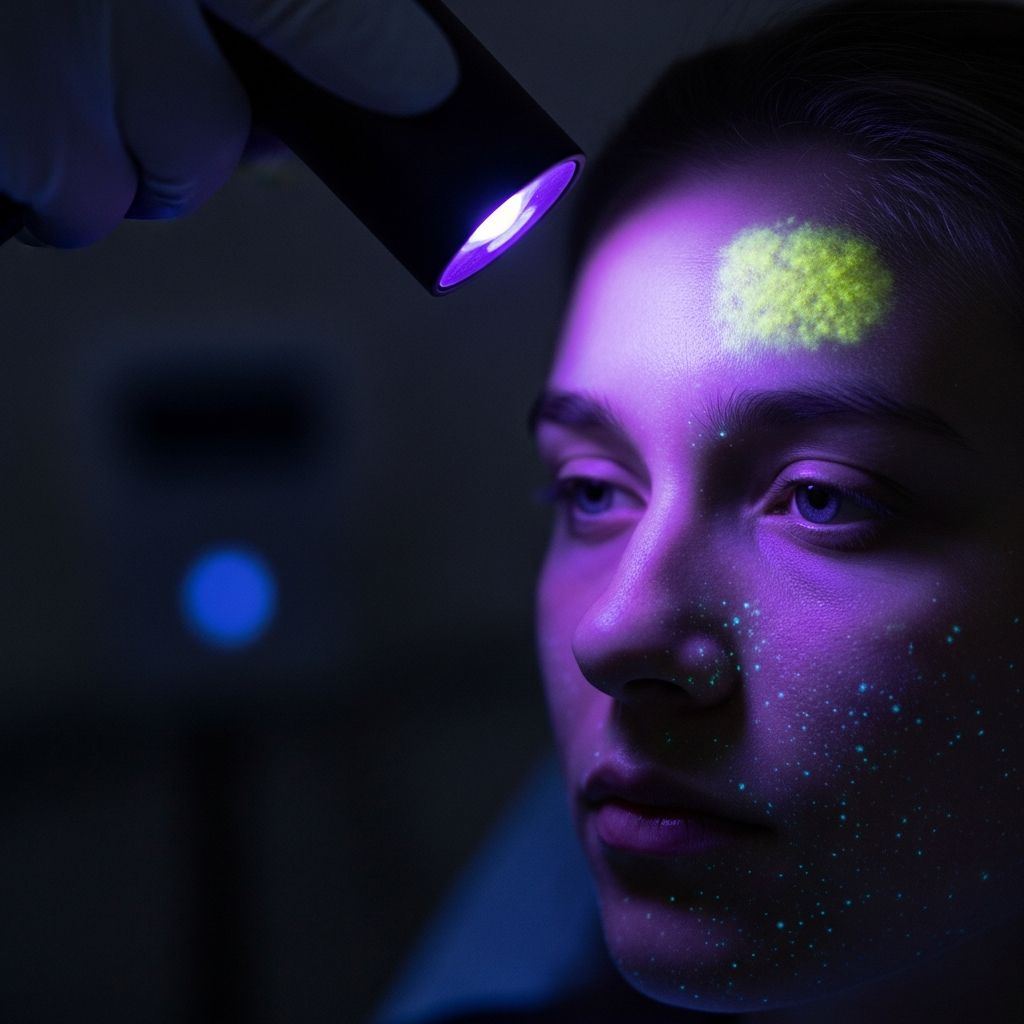
Wood Lamp Skin Examination: A Comprehensive Guide
The Wood lamp is a specialized diagnostic device that has been instrumental in dermatology for over a century. It emits long-wave ultraviolet (UV) light, also known as blacklight, which reveals skin changes and conditions that are invisible to the naked eye. This non-invasive, painless examination technique allows dermatologists and other healthcare providers to detect a wide range of superficial infections, pigmentary disorders, and metabolic diseases. The lamp was developed by American physicist Robert Wood and remains a cornerstone of dermatological practice due to its safety, cost-effectiveness, and reliability.
What is a Wood Lamp?
A Wood lamp is a diagnostic device that uses long-wave ultraviolet light at a specific wavelength to examine skin, scalp, and hair. When this UV light is directed at the skin in a completely dark room, certain structures and cellular changes become fluorescent or change appearance, making them visible to trained healthcare professionals. The lamp emits very low levels of UV radiation, making it completely safe for patients of all ages. Unlike other diagnostic tools that may require special preparation or carry risks, the Wood lamp offers a quick, painless examination that requires no special equipment or patient preparation beyond basic skin cleansing.
How Wood Lamp Examination Works
The examination process is straightforward and patient-friendly. The healthcare provider follows these essential steps to conduct a proper Wood lamp examination:
- The patient’s skin should be clean but not recently washed, and completely free of makeup, deodorant, creams, and other skincare products that could interfere with results.
- The Wood lamp is turned on and allowed to warm up for approximately one minute.
- The room lights are dimmed or turned off completely, and any windows or shades are closed to create a completely dark environment, which is essential for accurate visualization.
- The healthcare provider holds the Wood lamp several inches away from the patient’s skin or hair and examines the area for fluorescence or color changes.
- The entire examination typically takes only a few minutes to complete.
What Normal Skin Appears Like Under Wood Lamp
Understanding normal findings is crucial for identifying abnormal results. Normal, healthy skin displays characteristic appearances under Wood lamp examination. The skin typically appears slightly blue when examined under UV light. However, normal variations in skin appearance can also be observed: thickened skin areas appear white, oily skin regions show yellow coloration, and dehydrated skin displays purple spots. Additionally, clothing lint and other environmental materials often fluoresce as bright white under the lamp, which is why proper room preparation and skin exposure are essential for accurate examination. These normal variations help dermatologists establish a baseline and distinguish between expected findings and pathological changes.
Conditions Detected by Wood Lamp Examination
Fungal Infections
One of the primary uses of Wood lamp examination is identifying fungal infections. Certain fungal infections produce characteristic fluorescence patterns under UV light. Tinea capitis, commonly known as scalp ringworm, may fluoresce a bright green color under the Wood lamp, helping confirm the diagnosis. Pityriasis versicolor, a common fungal condition that causes light or dark patches on the skin, displays yellow-green fluorescence when examined under UV light. These distinctive color patterns allow dermatologists to rapidly identify fungal infections and differentiate them from other skin conditions that may appear similar clinically.
Vitiligo
Vitiligo, a condition characterized by loss of pigment in patches of skin, appears dramatically different under Wood lamp examination. The depigmented areas appear bright chalk-white under the UV light, making it significantly easier to distinguish vitiligo from other causes of light-colored spots on the skin. This enhanced visualization helps dermatologists better define the extent of depigmented patches and assess the true distribution of the condition, which may not be fully apparent during regular clinical examination.
Related Stories



Bacterial Infections
Erythrasma, a bacterial skin infection, presents with characteristic findings under Wood lamp examination. This condition causes light or dark patches on the skin that display distinctive fluorescence patterns under UV light, assisting in rapid diagnosis. The Wood lamp helps differentiate erythrasma from other conditions that may present similarly in normal lighting.
Pigmentation Disorders
The Wood lamp is invaluable for assessing various pigmentation disorders beyond vitiligo. It can highlight subtle changes in skin pigmentation that help dermatologists assess conditions such as melasma and post-inflammatory hyperpigmentation. Areas of hyperpigmentation, which have more melanin than normal skin, show up with sharper and more defined borders under the Wood lamp because areas with higher melanin content absorb more light. Conversely, areas of hypopigmentation appear as bright blue-white with sharply defined borders, making them more obvious in fair-skinned individuals where they may be difficult to detect with the naked eye. Understanding the depth of melanin deposition—whether the excess pigment is in the epidermis or dermis—helps tailor appropriate treatment regimens.
Sun Damage and Photoaging
The Wood lamp can reveal sub-surface skin damage caused by sun exposure that is not yet visible clinically. Areas of past photodamage may be fermenting beneath the skin’s surface and won’t immediately manifest as fine lines or discoloration in normal lighting, but the Wood lamp can detect these changes. This capability allows dermatologists to identify and address photoaging before it becomes apparent to patients, enabling preventive treatment strategies.
Other Skin Conditions
The Wood lamp examination can also reveal other skin characteristics relevant to diagnosis. It can expose areas of excess dryness and oiliness, and help identify comedones and acne that may not be apparent under normal lighting. Additionally, the lamp may be used to detect porphyria, an inherited metabolic disorder that causes rashes, blistering, and scarring of the skin.
Clinical Applications in Dermatology Practice
In clinical settings, the Wood lamp serves multiple diagnostic and monitoring functions. Dermatologists use the Wood lamp as a diagnostic support tool during comprehensive skin evaluations to refine differential diagnosis in suspected fungal infections (mycoses), vitiligo, and complex pigmentary disorders. The examination helps determine the need for further testing, such as biopsy or culture, and guides treatment selection, including topical and systemic therapies, phototherapy, chemical peeling, laser treatment, or depigmenting protocols. Beyond initial diagnosis, the Wood lamp is also used to monitor the evolution of treated lesions over time, allowing healthcare providers to assess treatment response and adjust therapy as needed within a personalized care pathway.
Preparation for Wood Lamp Examination
Proper patient preparation is essential for obtaining accurate results. Several factors can interfere with Wood lamp examination and produce false-negative or false-positive results. Patients should ensure their skin is clean but not freshly washed, as excessive moisture can affect results. All makeup, deodorant, creams, fragrances, and other skincare products must be completely removed from the area to be examined, as these substances can interfere with fluorescence visualization or produce their own fluorescence. Additionally, the examination room must be completely darkened to allow proper visualization of any fluorescence; inadequate room darkness can compromise the accuracy of results.
Advantages and Limitations
The Wood lamp examination offers numerous advantages in dermatological practice. The procedure is painless, non-invasive, quick, and requires no special preparation beyond basic skin cleansing. It is completely safe, emitting only very low levels of UV light with no heat generation. The examination is cost-effective and reliable, making it an accessible diagnostic tool in various healthcare settings. Healthcare professionals including dermatologists, primary care providers, and nurses can perform the examination.
However, the examination has certain limitations that practitioners must understand. Not all types of bacteria and fungi produce characteristic fluorescence under Wood lamp light, so negative results do not definitively exclude infection. The examination is highly dependent on proper technique and room darkness, and results can be affected by various interfering substances or inadequate preparation. Additionally, the interpretation of results requires trained observation and experience to distinguish between normal variations and pathological findings.
Safety Considerations
Wood lamp examination is considered completely safe for patients. The device emits very low levels of UV light and produces no heat during operation. The examination is painless and can be performed on patients of all ages without contraindications. The ultraviolet exposure during a brief examination is minimal and does not pose health risks, even with repeated examinations over time. This safety profile makes the Wood lamp an ideal first-line diagnostic tool in dermatology.
Interpreting Wood Lamp Results
Interpreting Wood lamp findings requires understanding both normal and abnormal appearances. A positive result indicates obvious differences in skin appearance under the UV light compared to normal skin, which may indicate the presence of infection, pigmentary disorder, or other pathological condition. Specific color patterns and fluorescence characteristics help narrow the differential diagnosis, though additional testing may be required for definitive diagnosis. Healthcare providers must distinguish between normal variations in skin appearance and findings suggestive of underlying pathology.
Frequently Asked Questions
Q: Is the Wood lamp examination painful?
A: No, Wood lamp examination is completely painless. The lamp emits no heat, and the procedure involves simply shining UV light on the skin with no contact or invasive components.
Q: How long does a Wood lamp examination take?
A: The examination is quick and typically takes only a few minutes to complete. This makes it efficient for incorporation into routine dermatological evaluations.
Q: Can a Wood lamp examination diagnose all skin infections?
A: No, not all types of bacteria and fungi produce characteristic fluorescence under Wood lamp light. Some infections may require additional testing such as culture or biopsy for definitive diagnosis.
Q: What should I avoid before a Wood lamp examination?
A: Avoid applying makeup, deodorant, creams, fragrances, and other skincare products to the area being examined. Your skin should be clean but not recently washed.
Q: Is Wood lamp examination safe for repeated use?
A: Yes, Wood lamp examination is completely safe even with repeated use. The UV light exposure is minimal and poses no health risks.
Q: Can a Wood lamp reveal hidden skin damage?
A: Yes, the Wood lamp can detect sub-surface sun damage and photoaging that may not yet be visible to the naked eye, allowing early intervention.
Conclusion
The Wood lamp remains an essential diagnostic tool in dermatological practice, offering a safe, cost-effective, and reliable method for identifying and monitoring numerous skin conditions. From fungal infections and bacterial infections to complex pigmentary disorders and sun damage, this device provides invaluable information that guides clinical decision-making and treatment planning. Its ease of use, safety profile, and diagnostic utility ensure its continued importance in modern dermatology and general healthcare practice. Understanding how to properly perform the examination, interpret results, and apply findings to clinical practice enables healthcare providers to deliver more accurate diagnoses and improved patient outcomes.
References
- Wood’s lamp examination — MAVIT. 2024. https://www.mavit.it/en/medical/woods-lamp-examination
- 5 Skin Conditions a Wood’s Lamp Test Can Help Identify — MDCS Dermatology. 2024. https://www.mdcsnyc.com/post/5-skin-conditions-a-woods-lamp-test-can-help-identify
- Wood’s Lamp Examination: Skin Analysis Under UV Light — Cleveland Clinic. 2024. https://my.clevelandclinic.org/health/diagnostics/23292-woods-lamp-examination
- Wood’s Lamp Exam: What It Is, What It’s Used for, and… — WebMD. 2024. https://www.webmd.com/skin-problems-and-treatments/what-is-woods-lamp-exam
- Why Your Skin Needs a Wood’s Lamp — Dr. Dennis Gross Skincare. 2024. https://www.drdennisgross.com/skin-benefits-of-a-woods-lamp.html
- Revealing The Unseen: A Review of Wood’s Lamp in Dermatology — Journal of the American Academy of Dermatology. 2024. https://jcadonline.com/review-of-woods-lamp-in-dermatology/
- Wood lamp examination — Health Encyclopedia, FloridaHealthFinder. 2024. https://quality.healthfinder.fl.gov/health-encyclopedia/HIE/1/003386
Similar Articles








Read full bio of Sneha Tete