7 Reasons You’re Working Out But Not Losing Weight
Discover the 7 common reasons why your workouts aren't leading to weight loss and get expert tips to overcome them.
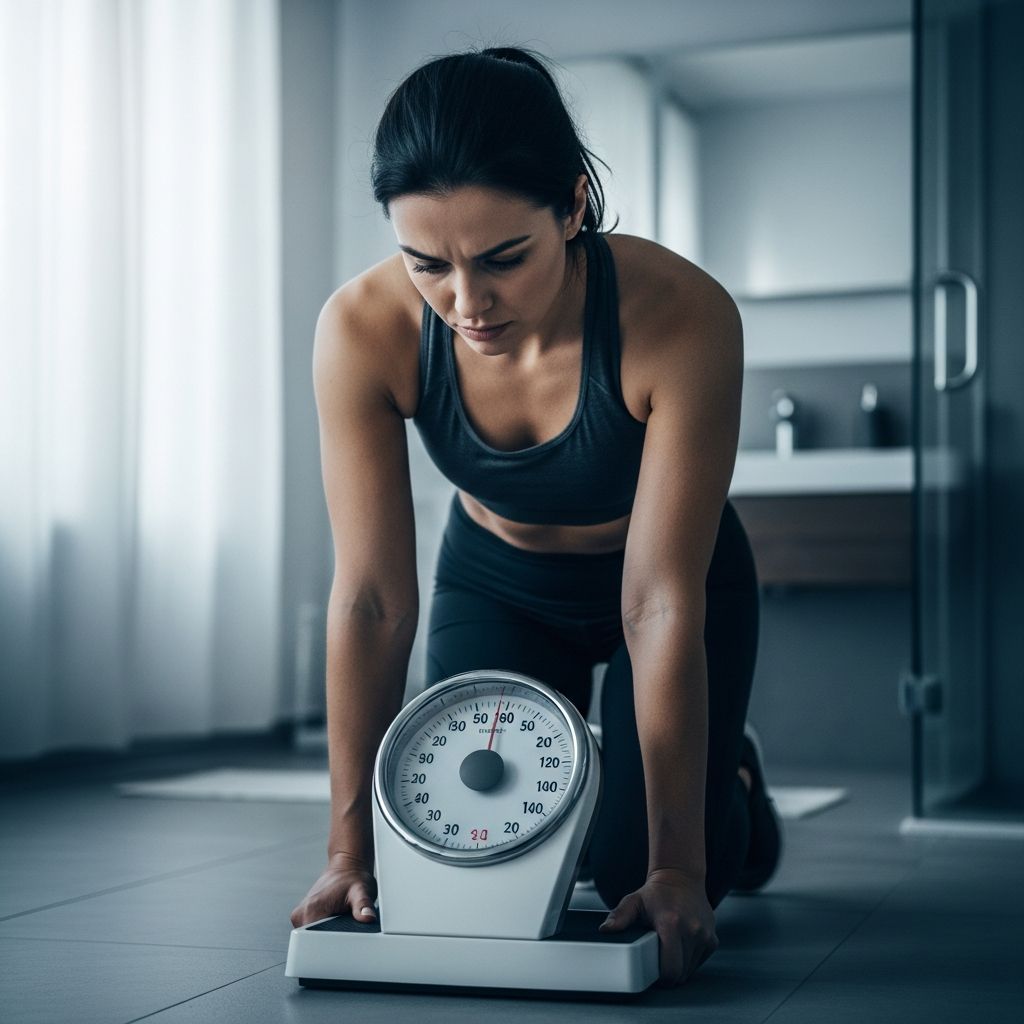
Many people hit the gym consistently yet see no movement on the scale. This frustration stems from factors beyond exercise alone, such as diet, recovery, and workout design. Understanding these barriers can unlock progress toward sustainable weight loss.
Weight loss fundamentally requires a calorie deficit—burning more calories than consumed—while preserving muscle to maintain metabolism. Strength training builds lean muscle, boosting resting metabolic rate for long-term fat burn. However, common pitfalls derail this process. Below, we outline seven key reasons, backed by expert insights, with actionable solutions.
1. You’re Not in a Calorie Deficit
The cornerstone of weight loss is creating a calorie deficit, where energy expenditure exceeds intake. Exercise alone often doesn’t suffice if diet compensates with extra calories. After workouts, hunger hormones like leptin rise, prompting overeating that negates the burn.
Women’s Health experts note that strength training increases appetite, making it easy to ‘out-eat’ your exercise. For instance, a vigorous session might burn 400 calories, but a post-workout snack or larger meal can exceed that.
- Track intake: Use apps to log food for a week, aiming for 250-500 calorie daily deficit to lose 0.5-1 lb weekly.
- Prioritize nutrient-dense foods: Fill plates with vegetables, lean proteins, and whole grains to stay full longer.
- Avoid extremes: Severe restriction leads to muscle loss, fatigue, and metabolic slowdown.
Aim for intuitive eating: respond to true hunger, stop at satisfaction, without guilt. This sustains motivation and prevents rebound overeating.
2. You’re Not Eating a Balanced Diet
Exercise enhances body composition, but without balanced nutrition, weight loss stalls. A diet lacking variety fails to support muscle repair, energy needs, or hormonal balance.
Dietitians emphasize whole foods over processed ones. Midlife metabolic shifts, plus sarcopenia (1% annual muscle loss from age 40), demand protein-rich meals to preserve metabolism. Basal metabolic rate stays stable until 60, but sedentary habits and caloric surpluses cause gains.
- Protein target: 1.1-1.7g per kg body weight for active individuals; e.g., 80-120g for a 70kg person.
- Balanced plates: Half veggies, quarter protein, quarter complex carbs.
- Hydration: Dehydration mimics hunger; drink 2-3 liters daily.
Diets like Mediterranean prioritize nourishing meals, supporting workouts without restriction. Skip meals only risks muscle loss, especially on weight-loss meds.
3. You’re Consuming Too Much Protein (or Not the Right Kind)
Protein is vital for muscle synthesis post-exercise, but excess doesn’t build bigger muscles—training does. The body uses surplus protein for energy or fat storage.
Mayo Clinic warns against over-reliance: needs are met daily; extras contribute to caloric surplus. Strength trainers need 1.2-1.7g/kg, but >2g/kg is excessive. Undereating protein during deficits accelerates sarcopenia.
| Activity Level | Protein Needs (g/kg body weight) | Example (70kg person) |
|---|---|---|
| Sedentary | 0.8 | 56g |
| Regular exercise | 1.1-1.5 | 77-105g |
| Strength training | 1.2-1.7 | 84-119g |
| Excessive | >2.0 | >140g |
Sources: Lean meats, eggs, dairy, legumes, nuts. Distribute across meals for optimal absorption.
4. Your Workouts Are Too Low-Intensity
Gentle sessions maintain fitness but rarely drive fat loss. Effective strength training must challenge cardiovascularly and near fatigue.
Experts advise: Feel spent post-set, able to do just 1-2 more reps. Low effort preserves muscle at best, doesn’t build it. U.S. Department of Health guidelines: Muscle-strengthen twice weekly, plus 150min moderate cardio.
Related Stories



- Progressive overload: Increase weights/reps gradually.
- Mix modalities: Combine resistance with HIIT or cardio like cycling.
- Monitor: No post-workout fatigue? Ramp intensity.
Daily movement bouts (e.g., 10min walks) accumulate benefits over sporadic long sessions.
5. You’re Not Getting Enough Rest or Recovery
Gains occur during recovery, not workouts. Inadequate rest leads to overtraining, elevated cortisol, fat retention, and stalled progress.
Stanford experts stress: Avoid consecutive same-muscle days; 24-48hr gaps needed. Sleep 7-9hrs; poor sleep disrupts hormones. Stretching pre/post aids recovery.
- Rest days: 1-2 weekly, active recovery like walking.
- Sleep hygiene: Consistent schedule, dark room.
- Deload weeks: Every 4-6 weeks, reduce volume 50%.
Midlife demands more recovery as sarcopenia accelerates.
6. Your Habits Are Inconsistent
Sporadic workouts yield inconsistent results. Sustainable change requires routine.
Physicians warn against feast-famine cycles: Set schedules, track via apps/diaries. Accountability via buddies boosts adherence.
- Habit stacking: Pair workouts with daily cues.
- Weekly goals: 3-4 strength, 2 cardio sessions.
- Reassess monthly: Adjust if no progress.
Consistency trumps intensity initially.
7. You’re Gaining Muscle (Which Is a Good Thing)
Scale weight ignores composition. New muscle is denser than fat; strength gains mask fat loss visually.
Body fat scales track true progress. Muscle raises metabolism: More mass burns more at rest. Patience yields recomp—less fat, more muscle.
- Measurements: Waist, photos, clothes fit.
- Body comp tools: DEXA, calipers.
- Celebrate non-scale wins: Strength, energy.
Frequently Asked Questions (FAQs)
Q: How long before seeing weight loss results from workouts?
A: 4-6 weeks with consistency; track body comp, not just scale. Adjust if stalled.
Q: Can I lose weight with strength training alone?
A: No—pair with calorie deficit diet. Muscle aids but diet drives deficit.
Q: What’s the best protein amount for weight loss?
A: 1.2-1.7g/kg for lifters; spread evenly, from whole foods.
Q: How much cardio with strength training?
A: 150min moderate weekly; mix intensities for optimal fat burn.
Q: Why does weight fluctuate despite workouts?
A: Water, glycogen, muscle gains. Weekly averages reveal trends.
Incorporate these fixes for breakthroughs. Consult professionals for personalized plans. Sustainable habits over quick fixes ensure lasting success.
References
- Lifting Weights But Not Losing Weight: Here’s Why, Per Experts — Women’s Health Mag. 2024-10-15. https://www.womenshealthmag.com/weight-loss/a69960813/why-youre-not-losing-weight-while-strength-training-according-to-experts/
- Five healthy habits for longevity in your 40s and 50s — Stanford Medicine. 2026-01-13. https://med.stanford.edu/news/insights/2026/01/healthy-habits-longevity-40s-and-50s.html
- Are you getting too much protein — Mayo Clinic Health System. 2023-05-10. https://www.mayoclinichealthsystem.org/hometown-health/speaking-of-health/are-you-getting-too-much-protein
Similar Articles








Read full bio of medha deb