Working with Food in Eating Disorder Recovery
Practical strategies to rebuild a healthy relationship with food during eating disorder recovery and achieve lasting wellness.
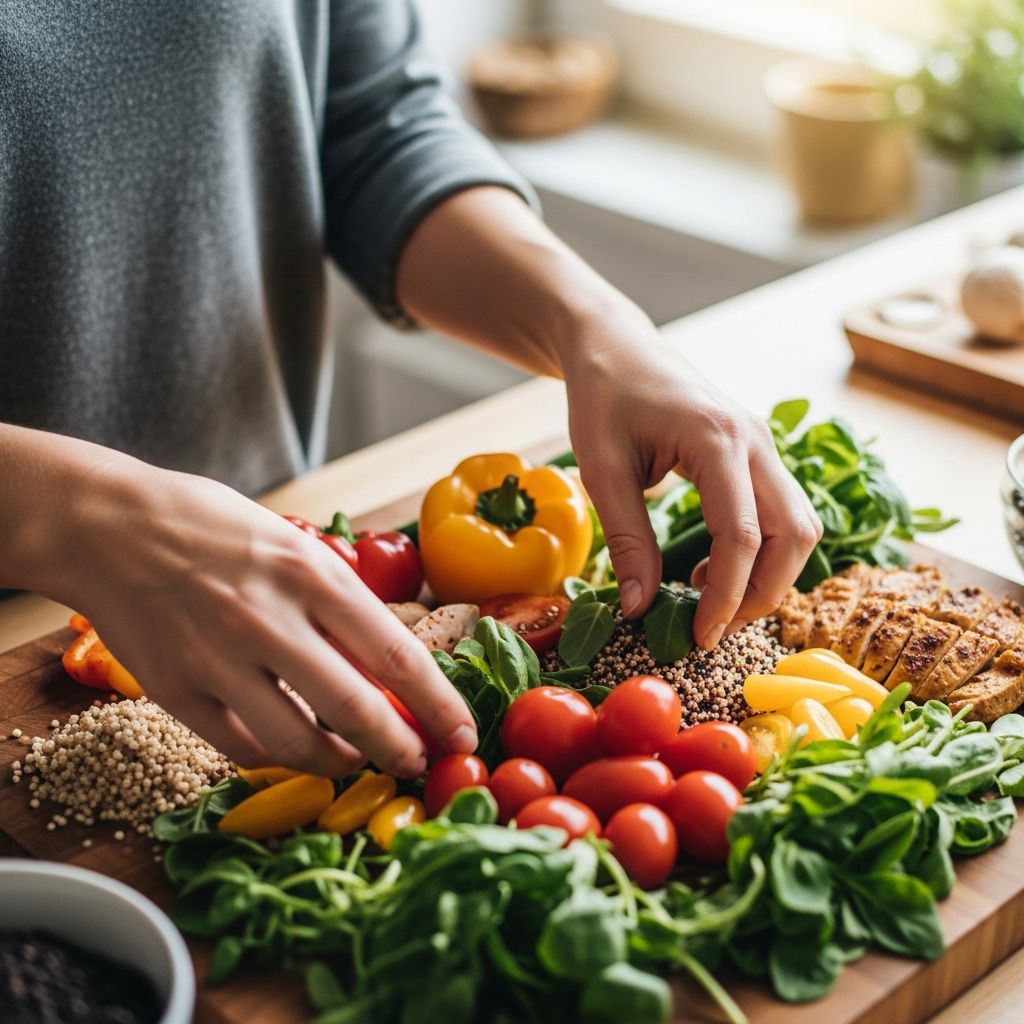
Eating disorders profoundly disrupt one’s relationship with food, often leading to restrictive behaviors, anxiety around meals, and nutritional deficiencies. Recovery involves not just weight restoration but rebuilding a flexible, intuitive approach to eating. This article draws on evidence-based nutrition strategies tailored for eating disorder treatment, emphasizing balanced intake, psychological exposure to feared foods, and normalized eating patterns to support long-term remission.
Understanding the Challenges of Food in Eating Disorders
Individuals with eating disorders frequently engage in compensatory behaviors like restricting dietary fat, overconsuming low-energy fillers such as excessive fruits, vegetables, water, diet drinks, or caffeine to suppress appetite. These patterns result in inadequate energy and nutrient intake, hindering physical and mental recovery. Dietetic interventions aim to restore weight safely, normalize eating behaviors, and educate on sustainable nutrition, prioritizing variety including energy-dense foods to prevent relapse.
Clinically, tools like the REAL Food Guide address these gaps by promoting a pyramid structure: core foods at the base (fruits, vegetables, grains, proteins, calcium sources), higher-energy options in the middle, fun foods daily, and minimal reliance on diet fillers at the top. This contrasts with general population guides that emphasize low-fat choices, which can exacerbate fears in eating disorder contexts.
Developing a Recovery-Focused Nutrition Plan
A tailored nutrition plan is foundational. The REAL Food Guide ensures adequacy in energy, macronutrients, and most micronutrients when servings are followed, except in specific cases like semi-vegan patterns low in vitamin D. Key principles include:
- Balanced servings: 2 fruits, 5 vegetables daily (not exceeding to avoid overfullness).
- Inclusion of full-fat dairy and calcium foods without low-fat mandates.
- Daily fun foods and social eating to build flexibility and reduce isolation.
- Limiting fillers like excessive caffeine or diet drinks that promote fullness without nutrition.
Nutritional counseling with a registered dietitian fosters insight into food attitudes, promoting long-term habit changes through balance, variety, and moderation. All foods fit—no ‘good’ or ‘bad’ labels—to reduce control struggles and compensatory actions.
Practical Meal Planning Tips for Recovery
Structured meal planning reduces anxiety and reinstates normal patterns. Focus on quality over quantity initially: nutrient-rich smaller portions with protein, fats, carbs, fruits, and vegetables. Positive food memories can rebuild associations—choose comforting dishes from childhood or happy times.
Agree on fixed meal and snack times, adhering regardless of hunger, to recalibrate cues distorted by restriction. Sample daily structure:
| Time | Meal/Snack | Focus |
|---|---|---|
| 7-8 AM | Breakfast | Protein + carb (e.g., eggs, toast, fruit) |
| 10 AM | Snack | Yogurt with nuts |
| 12-1 PM | Lunch | Balanced plate: grain, protein, veg, fat |
| 3 PM | Snack | Cheese and crackers or fruit with peanut butter |
| 6-7 PM | Dinner | Varied with energy-dense elements |
| 9 PM | Evening Snack | Fun food like ice cream or popcorn |
This aligns with cognitive behavioral therapy (CBT) elements, incorporating meal planning, exposure to feared foods, and challenging all-or-nothing thoughts.
Overcoming Food Anxiety and Feared Foods
Food anxiety is central; exposure therapy targets this by gradually including feared items, habituating anxiety and disproving feared outcomes. Start with low-anxiety foods, progressing to high-fat or ‘unhealthy’ ones. Social eating practices—like dining out with time limits on menu choices—mirror real-life scenarios, reducing avoidance and isolation.
Related Stories



CBT identifies distorted cognitions, uses behavior experiments, and builds relapse prevention. For adolescents, family-based treatment (FBT) involves parents supporting meals to restore weight and patterns.
Role of Professional Support in Nutrition Therapy
Multidisciplinary care combines psychotherapy (CBT, FBT), nutritional counseling, and medical monitoring. Dietitians collaborate on plans ensuring patients feel safe, adjusting for preferences while maintaining balance. Weekly CBT sessions (4-12 months) address behaviors; self-guided options suit some with bulimia or binge-eating disorder.
Medications manage co-occurring anxiety or depression, but no cure-all exists—focus remains behavioral. Inpatient care may be needed for severe malnutrition.
Maintaining Progress and Preventing Relapse
Long-term success requires ongoing practice of flexible eating, countering body dissatisfaction, and monitoring intake. The REAL Food Guide reinforces messages tailored to eating disorder concerns, outperforming general guides in consumer feedback. Track progress via food records, celebrate non-scale victories like reduced anxiety.
Address food insecurity if present, as it complicates recovery—screen and integrate support.
Frequently Asked Questions (FAQs)
Q: What does a balanced meal look like in recovery?
A: Include protein, fats, carbs, fruits/veg in moderate portions; e.g., chicken, rice, avocado, salad. All foods fit with daily fun items.
Q: How do I handle hunger cues during early recovery?
A: Stick to scheduled eating to rebuild cues; ignore temporary discomfort as body adjusts.
Q: Are low-fat foods recommended?
A: No—full-fat options are encouraged to meet energy needs and challenge fears.
Q: How often should I include ‘fun foods’?
A: Daily, plus social eating, to normalize and reduce anxiety.
Q: What’s the role of family in adolescent recovery?
A: FBT empowers parents to supervise meals, restoring weight and habits effectively.
Additional Recovery Resources
- Consult a registered dietitian specializing in eating disorders.
- Explore CBT or FBT through mental health professionals.
- Use tools like the REAL Food Guide for visual planning.
References
- Development of the “Recovery from Eating Disorders for Life” Food Guide — PMC/NCBI. 2018-04-20. https://pmc.ncbi.nlm.nih.gov/articles/PMC5878939/
- Meal plan tips for eating disorder and anorexia recovery — Patient.info. 2023. https://patient.info/features/mental-health/meal-plan-tips-for-eating-disorder-recovery
- Eating Disorders in Primary Care: Diagnosis and Management — American Academy of Family Physicians (AAFP). 2021-01-01. https://www.aafp.org/pubs/afp/issues/2021/0101/p22.html
- How Nutrition Affects Eating Disorder Recovery — National Association of Anorexia Nervosa & Associated Disorders (ANAD). 2023. https://anad.org/how-nutrition-affects-eating-disorder-recovery/
- Addressing and Preventing Eating Disorders — Weill Cornell Medicine. 2023. https://weillcornell.org/news/addressing-and-preventing-eating-disorders
- What are Eating Disorders? — American Psychiatric Association. 2023. https://www.psychiatry.org/patients-families/eating-disorders/what-are-eating-disorders
Similar Articles








Read full bio of medha deb